视频加载中...
随着《铃芽之旅》的上映,作为今天日本最具代表性的动画导演,新海诚的创作路线又一次贴近青年一代敏感的神经。不断刷新的票房纪录也说明了观众对于新海诚作品的认可度。
There is no arguing that Makoto Shinkai will go down in history as one of the greatest anime artists of our generation.
毫无疑问,新海诚将成为我们这一代最伟大的动漫艺术家之一。
There are so few other names that stand as tall as his, and although often compared to Miyazaki, Shinkai's work could not be more different.
除宫崎骏外,很少有人可以与他相媲美,尽管常常被拿来与宫崎骏相比较,新海诚的作品却截然不同。
And it is in this difference that made such a monumental influence on anime as we know it.
正是因为有这种不同,他对动漫界也产生了极大的影响。
Where Miyazaki's films aim to transport you into another world to escape from the problems of our own, Shinkai works to ground you as firmly as possible into reality.
宫崎骏的电影旨在将你带入另一个世界,让你逃离现实中的问题,而新海诚的作品则努力将你牢固地扎根于现实。
My passion for anime and Japanese culture as a whole can easily be traced back to one single moment when I stumbled onto a blog post comparing the locations from Yuru Camp, one of my favorite animes at the time, to their real-life counterparts.
我对日本动漫和文化的热爱,简单来说,其实可以追溯到某个时刻,在那时,我偶然发现了一篇博客,它将我最喜欢的一部动漫《摇曳露营》中的场景与现实世界中的地点进行比较。
This completely changed the way I watched anime, and it was that very same day that I started planning my own trip to Japan, which would eventually become the first season of the Anime Expedition and create my now-dream to move there someday.
这彻底改变了我观看动漫的方式,也就在那一天起,我开始计划着自己的日本之旅,这趟旅行最终成为了《动漫探险》的第一季,也激发了我当下的梦想,希望有一天能够移居到日本。
Recounting this chain of events, I became curious about just how anime got to this point where nearly every external location is a photo-accurate representation of a real-world place.
回忆这一系列事件,我开始好奇了起来,动漫是如何做到把现实世界的一个地点变为动漫中外部场景的精准再现。
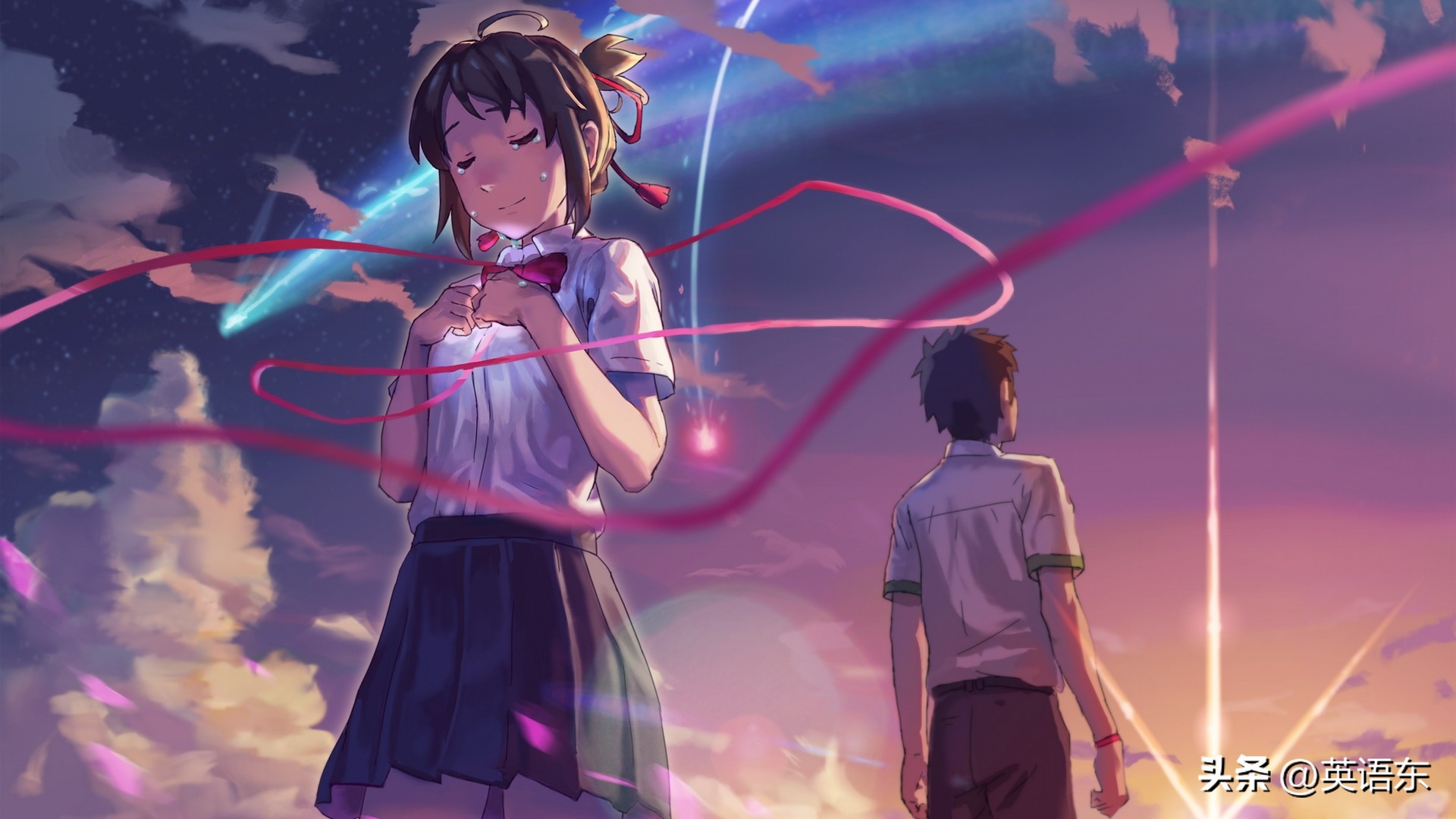
Obviously, we can't talk about Makoto Shinkai or real-life anime for that matter without mentioning "Your Name," which not only further popularized anime in the West, especially in the non-shonen category,
显然,我们在谈论新海诚或是真人动漫时,当然不得不提及《你的名字》,这部动漫不仅在西方尤其是非少年漫画类别中进一步起到了推广作用,
but it was also one of the first times an anime location has gone viral, causing hundreds if not thousands of fans to fly across the globe in order to visit the iconic staircase.
并且它也开创了动漫场景首次走红的先河,导致数百,甚至数千名粉丝飞越半个地球,前往参观标志性的楼梯。
And if you visited the steps for yourself, you'd know that there's a map left there that directs you to more Your Name locations all across Tokyo.
如果你亲自去过这些台阶,你会发现这里有一张地图,指引着你去往东京更多《你的名字》中的地点。
And just like that, countless anime expeditions or pilgrimages, if you prefer, had begun.
就这样,无数的动漫探险或动漫朝圣开启了。
But the incredibly beautiful and shockingly accurate scenes from Your Name were by no means the first time an anime has borrowed from reality.
但是,《你的名字》中非常美丽和精准的场景绝不是动漫从现实中取景的第一次尝试。
Curious about the origin, I began my research right back at the beginning and quickly realized that it actually hadn't always been this way.
对动漫文化起源的好奇促使我开始了调查,很快我就意识到事情并非总是如此。
For a multitude of reasons, 1950s Japan was not exactly in need of slice-of-life entertainment and instead used anime as a form of escapism.
由于种种原因,20世纪50年代的日本并不需要日常生活娱乐,而是将动漫作为一种逃避现实的形式。
It wasn't until the 1980s that anime and manga became a tool to promote tourism, which I plan to make an entirely separate video on in the future.
直到1980年代,动漫和漫画才成为推广旅游业的方式,关于这个话题,今后我将制作一个截然不同的视频。
But shows like Ninja Hattori-kun, Slam Dunk, and Captain Tsubasa began actively using real city names and featuring major landmarks, like Captain Tsubasa did with Fuji-san.
但是,《忍者小灵精 》、《灌篮高手》和《足球小将》这样的动漫便开始广泛使用真实城市名称以及主要地标建筑,就像《足球小将》中对富士山的描述一样。
The first episode aired in 1983 and was essentially an advertisement for Shizuoka.
该动漫于1983年首播,实则上是静冈的一则广告。
But although set in real places, these anime were still far from photo-accurate and more used reality as a starting point to inspire their cartoon worlds.
但尽管设定在真实的地方,这些动漫仍然远非照片级精准,更多地是将现实作为启发动漫世界的起点。
Fast forward to 1992 when the first episode of Sailor Moon aired, which is largely credited as the origin of the anime expedition phenomenon.
快进到1992年,第一集《美少女战士》播出,这在很大程度上被认为是动漫朝圣现象的起源。
But given the crude art style and overtly magical world, although right on the edge of reality, it does not give off the impression of being traced over a real photograph, which to me is what makes modern anime so unique.
但是,尽管该作品的艺术风格粗糙且过于魔幻,依然处于现实的边缘,它并没有给人们留下描摹真实照片的印象,这正是当代动漫的独特之处。
Throughout the '90s, several more anime followed suit, from Evangelion's Tokyo 3 to Serial Experiment Lain's stylized rendition of Shibuya, which in my opinion was the most accurate imagery of any anime up until this point.
在整个90年代,又有几部动漫接连效仿,从《新世纪福音战士》的东京3号到《玲音系列实验》对涩谷的艺术化再现,我认为这是迄今为止所有动漫中最准确的形象描绘。
But while Triangle Staff was hard at work trying to figure out the meaning behind their own enigmatic story, Makoto Shinkai was holed up alone in his tiny Tokyo metropolitan apartment, shaping the future of anime as we know it today.
但是,虽然Triangle Staff公司努力想弄清楚他们自己神秘故事的含义,新海诚却独自一人躲在他东京都市公寓的小窝里,塑造着当今动漫的未来。
Makoto Shinkai is one of the most consistent artists I've ever seen.
新海诚是我见过的最具一贯性的艺术家之一。
Not only does every single one of his films have an incredibly similar theme, but he also somehow managed to find a unique art style for his debut film and has stuck with it ever since - something pretty much unheard of for artists.
他的每部电影都有一个非常相似的主题,而他在处女作电影中找到了独特的艺术风格,并一直保持至今,这在艺术家中几乎是闻所未闻的。
In 1998, Shinkai released his first-ever short film, which was entirely self-produced using nothing but his own illustrations, Lightwave, and Adobe After Effects for 3D compositing.
1998年,新海诚发布了他的第一部短片,完全是使用他自己的插画,以及Lightwave和Adobe After Effects进行三维合成制作的。
The film was titled Tooi Sekai, or "Other Worlds" in English, and it's surprisingly reminiscent of his modern work.
该电影名为《远方的世界》,英文名为“Other Worlds”,令人惊讶的是这部作品与他当代作品有着相似之处。
He completed Tooi Sekai in only two weeks.
他只用了两个星期就完成了这部作品。
It is one and a half minutes long, black and white, and depicts a rather somber or melancholic couple living in a small Tokyo apartment.
这是一部一分半钟长的黑白短片,描述了一对生活在东京小公寓里忧郁或悲伤的情侣。
Oddly enough, the film features the very same song that I used in my first-ever short film.
有趣的是,这部作品与我第一部短片中使用歌曲是同一首。
I guess great minds think alike, and totally not because there are so few good options in the public domain.
我想英雄所见略同,而并非因为公众领域中好的见解太少。
After endlessly searching, I did manage to find one of the real locations that Shinkai used as a model.
经过不断的搜索,我确实找到了新海诚模型的现实场景之一。
So although not confirmed, I do think it's pretty fair to assume the rest of the locations are real as well, especially given how similar in style Tooi Sekai was to his next film.
因此,虽然未经确认,但我认为可以很公平地说其它地点也是真实场景,尤其是考虑到《远方的世界》与他的下一部电影风格如此相似。
In 1999, Shinkai released the film that would put his name on the map - Kanojo to Kanojo no Neko (She and Her Cat).
1999年,新海诚发布了让他名声大噪的电影《她和她的猫》。
Due to hardware limitations, he was still working in greyscale, but the five-minute short does wonders at showcasing Shinkai's style, from his portrayal of weather to the way he meticulously showcases Tokyo.
由于硬件方面的限制,他仍在使用灰度,但这五分钟的短片展示了新海诚的风格,从他描绘天气的方式到他细致地展示东京的方式。
It is the first time that his use of real photography shines through, drawing incredibly accurate depictions of real locations.
这是他第一次使用真实摄影,他对于真实地点的精准描绘尽情地被展现了出来。
Three years later, Shinkai comes out with Hoshi no Koe or "Voices of a Distant Star" , which took the world by storm, winning a ton of animation awards and, in my opinion, laid the groundwork for all of his future work.
三年后,新海诚推出了《星之声》,该电影在全球掀起了轰动,获得了大量动画奖项,并为他所有未来的作品打下了基础。
Despite the film's science-fiction setting, Shinkai somehow managed to tether the viewer to the ground, where he looked up at the stars in awe.
尽管电影存在科幻背景,新海诚还是设法将观众牢牢地扎根在地面上,同时仰望着天上的星星。
This is the first of Shinkai's films where he began to claw beauty out of the most mundane everyday sights and put them on display from a perspective only he can capture.
这是新海诚电影中第一次将美感从最平凡的日常景象提取出来,并以他独有的视角进行展示。
Fast forward only 11 short years, and technology had finally caught up to Shinkai's vision, and he was able to begin blurring the line between animation and reality in Kotonoha no Niwa (The Garden of Words), which, for the first time, transported foreign audiences right into Japan through his depiction of the Shinjuku Gyoen National Garden.
仅仅11年之后,新海诚的视觉想象终于等来了技术支持,他得以开始在《言叶之庭》中模糊动画和现实之间的界限,这是首次通过他对新宿御苑的描绘将外国观众直接带入了日本。
By this point, Shinkai was already a household name as far as anime is concerned and known for his unique realistic style referred to in Japan as "Shinkai world."
此时,新海诚已经成为日本动画的家喻户晓的名字,以他独特的现实主义风格被称为“新海世界”。
But did he invent this level of anime realism?
但他是否发明了这种水平的动画现实主义呢?
Well, not necessarily.
其实不一定。
It appears to me that this was the direction anime was trending at the time.
在那个时候,日本动漫正朝着这个方向发展。
While directors like Satoshi Kon, Ryūtarō Nakamura, and Junichi Sato inched towards more accurate drawings, Makoto-san was boarding the non-stop Shinkansen to photorealism, and I truly believe that he was one of the artists pioneering this transition.
虽然像今敏、中村隆太郎和佐藤順一这样的导演正在朝着更精确的画风努力,但是新海诚先生则搭上了通往逼真画风的直达新干线,我的确相信他是当时过渡期的先驱之一。
Especially when up until this point, the idea behind anime had been to spark wonder in the audience by showing them things they could only see in their wildest imagination.
尤其是在此之前,动漫的理念一直是通过向观众们展示只能在他们最疯狂的想象中看到的东西,来引发他们的想象。
So, at this point, you might be wondering why this trend of preserving snapshots of reality into animation is so special to me, and I would like to thank many other people when surely live-action filmmaking has been accomplishing the same idea for decades.
所以,此时,您可能会想知道为什么我对保存现实瞬间的动画趋势如此重视,我想感谢许多其他人,尽管,真人电影制作已经在几十年内实现了相同的想法。
Well, not really due to artistic conventions, established laws, and budget limitations,
但实际上,由于艺术惯例、法律规定和预算限制,
the vast majority of filmmakers do everything in their power to either make entirely original sets or pass off imitations as the real thing.
大多数电影制片人会尽一切努力要么制作全新的场景,要么将模仿品冒充真实的东西。
So, yes, you could take an expedition to where Godzilla fought Muto or Sonic went fast, or even where Deadpool fought Juggernaut.
因此,是的,您可以前往哥斯拉与穆托交战的地方、索尼克快速奔跑的地方,甚至是死侍和红坦克的战斗场景。
But when you turn around, don't expect to see the Statue of Liberty because it's over 2000 miles away, and you're actually just at an abandoned mental hospital in Canada.
但是,当你转身时,不要指望看到自由女神像,因为它距离这里有超过2000英里远,而你实际上只是在加拿大的一家废弃的精神病院。
Contrast that with most anime, where what you see is exactly what you get.
相比之下,大多数动画中所见即所得。
The artists don't just choose locations to imitate; they base the entirety of the story around a single real town, adding an incredible level of character and realism to the anime.
艺术家们不仅选择要模仿的地点,还要基于一个真实的城镇来构建整个故事,为动画片增添了令人惊叹的角色和现实感。
And every location the characters visit has to actually be within travel distance, or else it breaks the rules of the world.
角色们访问的每个地点都必须实际上在旅行距离之内,否则它就会打破世界的规则。
And I believe that Shinkai played an important role in popularizing this method of storytelling to the point where, nowadays, using a fictional location in an otherwise grounded story is the exception rather than the rule.
我相信,新海诚在普及这种叙事方法方面发挥了重要作用,以至于现在,在一个以真实地点为基础的故事中,使用虚构地点已经成为例外而非规则。
Not only does Shinkai's style enhance the story, but it also finds charm in the most isolated small towns and manages to spread the exact feeling of what it would be like visiting there to every corner of the earth and inspires people like me to board a plane, fly across the ocean, hop on a train, rent a car, and drive around, literally just to visit a random staircase, train station, overpass, campground, park, school, bridge, or tree.
新海诚的风格不仅增强了故事的感染力,还在最偏僻的小镇中找到了魅力,并成功地将访问这些地方的感觉,传播到地球的每个角落,激励像我这样的人登上飞机,飞过海洋,乘坐火车,租辆车,开车四处走走,只是为了访问一条随意的楼梯、火车站、高架桥、露营地、公园、学校、桥梁或树木。
All thanks to Shinkai and the rest of the anime industry for their passion to blur the lines between animation and reality.
这一切都要归功于新海诚和整个动画产业,对模糊动画和现实之间界限的热爱。