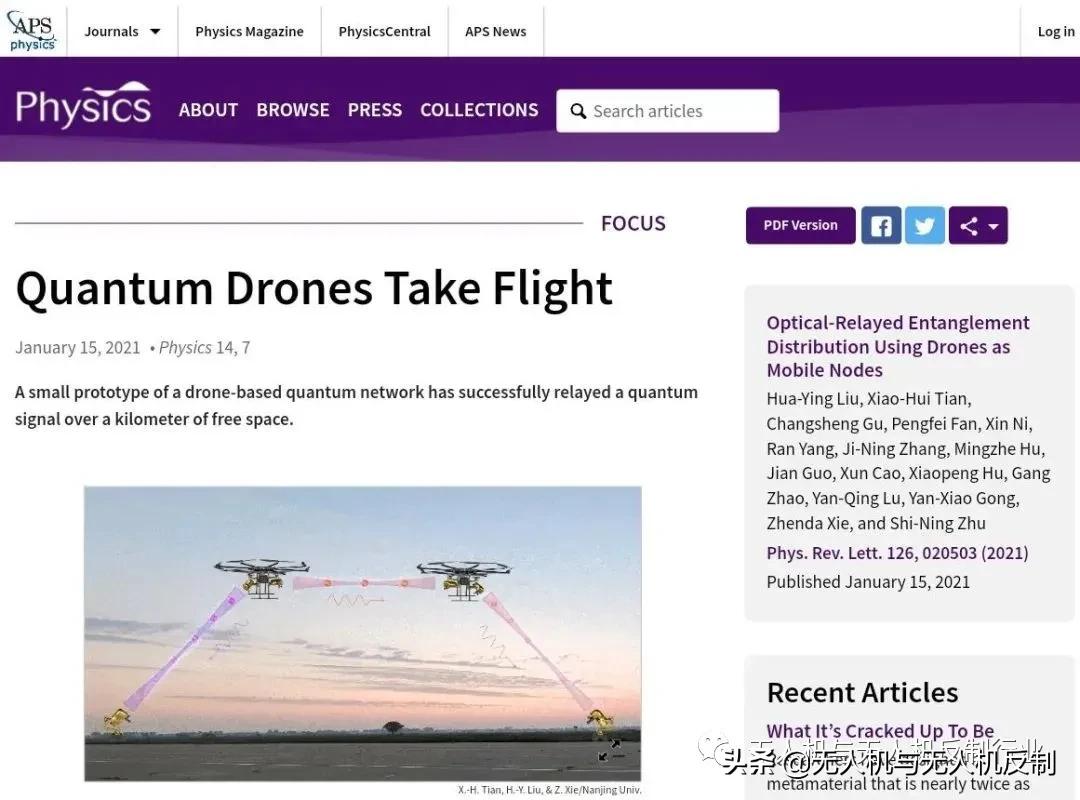
近日,*京大南**学固体微结构物理国家重点实验室祝世宁院士团队谢臻达教授、龚彦晓教授课题组在量子信息研究中的最新进展以“Optical-relayed entanglement distribution using drones as mobile nodes”(具有无人机移动节点光学中继的纠缠分发)为题发表在物理学旗舰刊物《物理评论快报》(Physical Review Letters,126, 020503 (2021))上,并入选了“编辑推荐”论文。国际三大专业科学媒体,美国物理学会的《物理》(Physics),美国《科学新闻》(Science News)和英国《新科学家》(New Scientist)也在文章上线的第一时间发表评论,对该项进展进行了报道,对其重要意义进行了评价。
信息系统(无论是经典的还是量子的)要构造网络必须要依靠中继,对中继的要求,一是要损耗小,二是要保真度高。这次由*京大南**学完成的无人机纠缠光子分发实验光路中首次使用了光学中继以减少损耗,并且将光学中继的节点放到了处于飞行状态的小型无人机上,在数千克的载荷限制内实现单光子的高精度跟瞄接收和重新发射,尤如百步穿杨,可以想象实验的难度之大。通过光学中继,纠缠光子分发的距离突破了小型光学系统的衍射限制,在分发距离1千米的情况下测得了2.59±0.11的CHSH S值,证明了这种光学中继高度保持了光子对的纠缠特性,是一种有效的量子链路。该团队去年曾报道在国际上首次成功实现了基于无人机的纠缠光子分发,该工作发表在我国出版的国际刊物《National Science Review》(vol7.921(2020))。这一次的进展使得他们在朝着构建无人机移动量子信息网络的方向上又向前跨出了关键一步。
美国《物理》(Physics)评论文章的题目是:“量子无人机组正在起飞(Quantum Drones Take Flight)”。评论指出:“世界上已有一些团队正在研究无人机通信系统,而这个团队去年就实现了单一无人机与两个地面站之间的量子连接。但为了实现纠缠光子更远距离的传输,必须克服光本身的固有属性—光的衍射带来的损失,这就要构建光的准直系统。”文中介绍,“该研究团队通过采用光学中继的方法解决衍射损耗这一自由空间光量子传输的核心问题,采用了增加第二架无人机,作为第一架无人机和地面站之间的中继,通过中继过程重塑了光子的波前,从而使光子能以更高效率进入地面站上的望远镜。”文章还认为 “卫星价格昂贵而且难以适应地面上不断变化的需求”,而“携带光学设备的小型无人机可以提供一种灵活的解决方案,在量子网络中链接多个用户”,“该工作可以催生基于无人机的量子网络,在城市和农村地区上空实现可重构定位部署。”
英国的《新科学家》杂志则评价,在这个工作中,人们首次实现了移动节点间自由空间量子链路的搭建,作者援引伦敦帝国理工学院Myungshik Kim的评论指出:“将如此复杂的光学器件集成进移动的无人机,在移动过程中实现量子连接,这无疑增加了实现难度,这是一项重大的技术进步。”
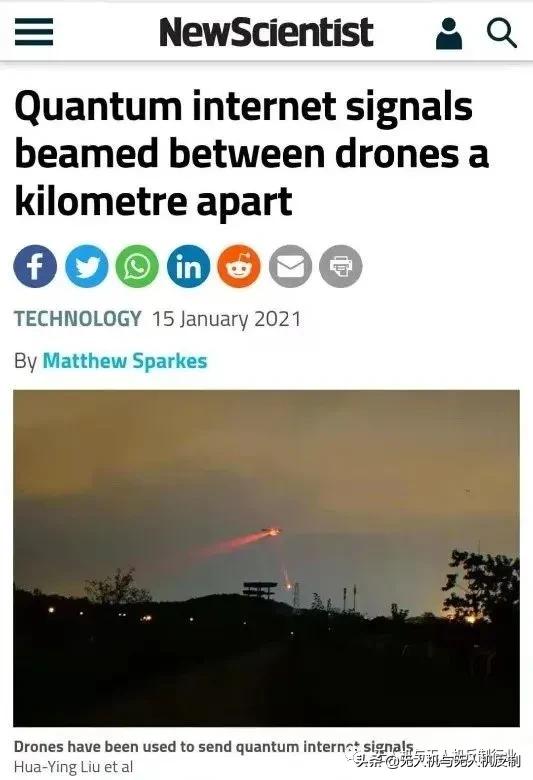
展望未来,这种光学中继可以用在以无人机构建的量子信息网络中,多台无人机之间通过中继交换量子信息,将信息传得更远,散得更广,并且能实现即搭即用的多节点移动量子网络,机动灵活。美国《科学新闻》评论认为:“人们可能会通过无人机接入量子互联网…将来无人机机群可以协同工作,将纠缠光子发送到各个位置的接收者。英国布里斯托尔大学Siddarth Joshi在接受《新科学家》杂志采访时评论“这项成就标志着迈向量子互联网的重要一步…当你在开车过程中想要保持安全的量子通信,这些无人机可以在你车后飞来飞去(以保持连接)。
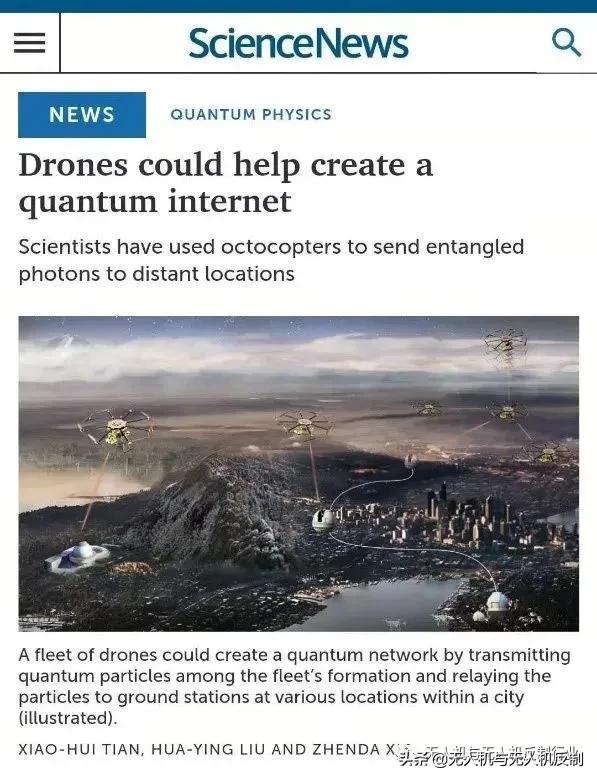
论文通讯作者之一谢臻达表示,希望未来“通过更高巡航高度的无人机来实现300多公里的单链路连接,而不受大气污染和天气环境引起的光束畸变影响;而更廉价的小型无人机可以实现局域连接,甚至覆盖行驶中的车辆。所有这些设备都可以链接到卫星和光纤系统实现全球(量子)组网。
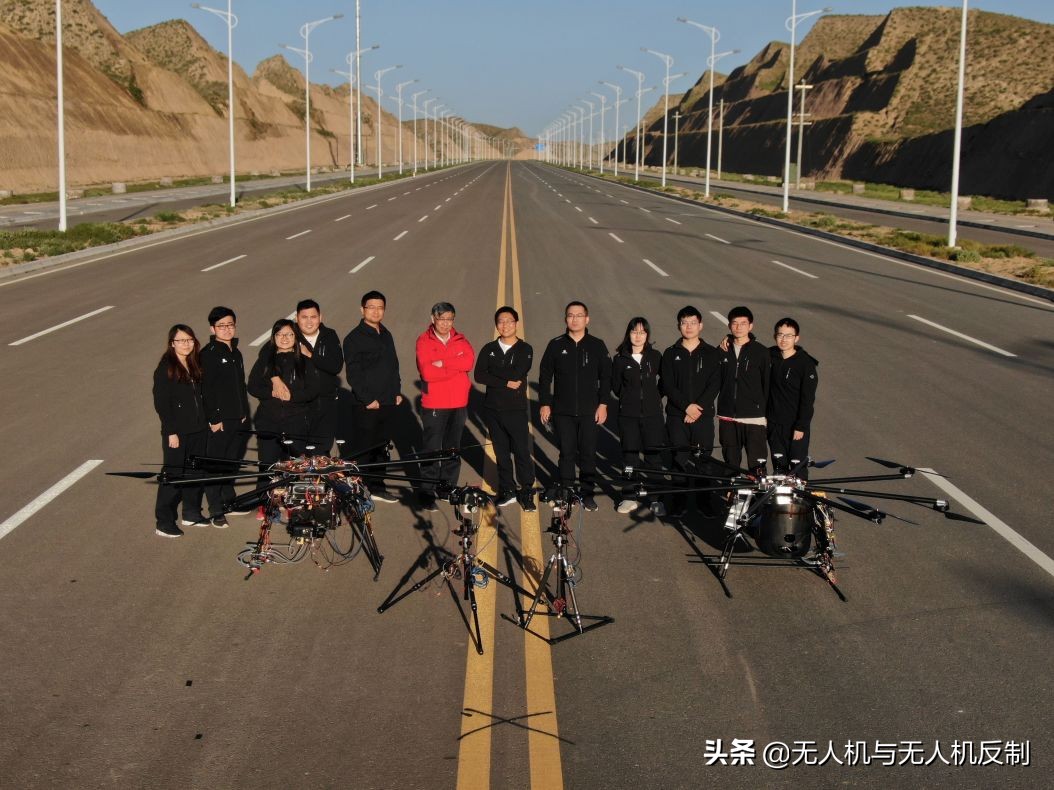
这项工作完成涉及*京大南**学一个跨学科的团队,许多老师和研究生都参与其中做出了重要贡献。博士生刘华颖、田晓慧、范鹏飞,硕士生顾昌晟为论文的共同第一作者,谢臻达、龚彦晓、祝世宁为共同通讯作者。该项研究得到了*京大南**学卓越计划、江苏省科技厅前沿引领项目、科技部国家重点研发计划、国家自然科学基金等项目的支持,南智先进光电集成技术研究院提供了重要的技术支撑。
一起来回顾下这段令人激动地进程:
早在去年--2020年2月3日,新华社、中央电视台等多家媒体以《中国科学家在量子通信领域取得新突破》为题,再次聚焦关注*京大南**学祝世宁院士团队谢臻达、龚彦晓等在量子信息研究领域取得的新突破。他们 首次基于无人机移动平台实现了量子纠缠分发 ,相关成果在线发表在中国优秀科技期刊《国家科学评论》上,对推进量子通信的实用化意义重大。
让我们先来看看团队成员谢臻达老师从外地发来的邮件,听谢教授谈谈他对如何充分利用这个长假期的建议,再随新华社的报道,走进量子的世界。
一年之计在于春。立春日,愿每个南大人都在自己的哨位和跑道上,跑出精彩、跑出希望!

亲爱的同学们:
大家新年好!
在过去的一年里,我们在基于无人机移动平台的量子纠缠分发实验方面取得一些阶段性成果,团队中的同学们都摩拳擦掌,纷纷主动缩短假期,准备尽快投入进一步的实验工作中。不过天有不测风云,一场突如其来的疫情打乱了原本的部署,意外地给了大家一个超长的假期。结束了上学期紧张忙碌的工作,我希望大家利用这次难得的机会给自己充充电,啃几本经典书籍,读几篇优秀文献,看几部高质电影,为接下来的学习和科研工作做好准备。我给大家提几点建议:
首先,在学校的日常学习工作中,往往大家都把目光和精力集中在具体的科研课题和细节上,这个假期让我们有更多的时间深入思考科研的价值和意义,科学研究一方面是要揭示自然的奥秘,开拓我们的视野,另一方面 我们也应该学会从国家和社会发展需求的角度,发掘我们科研工作潜在的应用价值 。
其次,科研工作其实是对一个人综合素质的考量。人们通常更关注于书本专业知识的积累与应用,但是往往其他能力在科研中也同样重要,例如 实验研究需要很强的动手能力 。在我们团队基于无人机移动平台的量子纠缠分发的实验中,涉及到纠缠源小型化、无人机移动平台的设计制作等许多具体的工程化问题。在具体实验中,更是涉及到机械设计、电学设计、控制软件编写和无人机驾驶等多个方面。这些已经超出了单一学科的知识界限,需要在工作过程中不断实现自我充实和提高,这个假期,给我们提供了一个充电的良机。
最后,也希望同学们借此机会好好陪陪父母, 为父母做一些力所能及的事儿 ,享受难得的一家团圆的温馨生活,这也是以实际行动支持战胜疫情!祝大家新春快乐,学业进步。
谢臻达
2020年2月4日
新华社南京2月3日电(记者陈席元)记者3日从*京大南**学获悉,该校科研人员在量子信息研究领域取得新突破, 首次基于无人机移动平台实现了量子纠缠分发。 相关成果近日在《国家科学评论》在线发表。
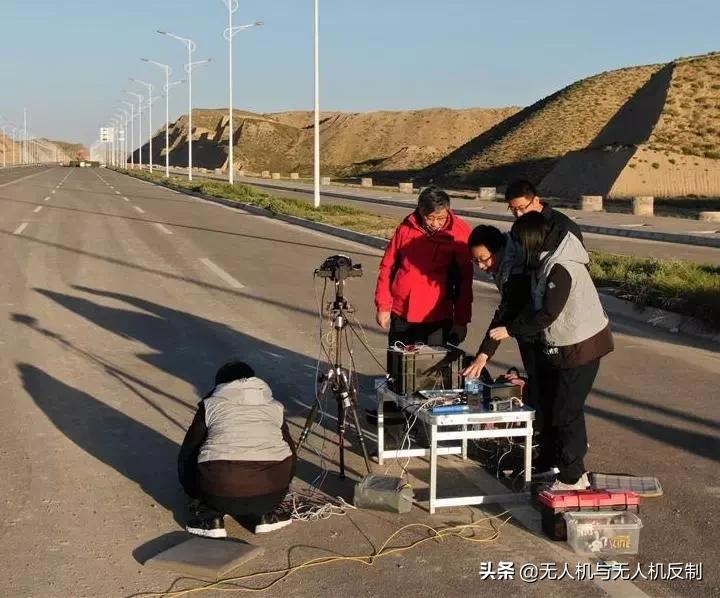
取得该突破的是中科院院士祝世宁团队。据项目负责人谢臻达、龚彦晓介绍,量子纠缠分发是将两个纠缠量子分别发送到相距很远的两个点,通过观察两个点的测量结果,来检验量子纠缠的存在,可以有效证明量子通信链路的可靠性,为量子通信奠定基础。此前,量子纠缠分发已经在光纤链路以及卫星和地面之间的自由空间链路取得成功。
“而 无人机的优势在于高度灵活性和快速组网能力,即需即建,以无人机作为基本节点,快速构建移动量子通信网络。 ”谢臻达说。
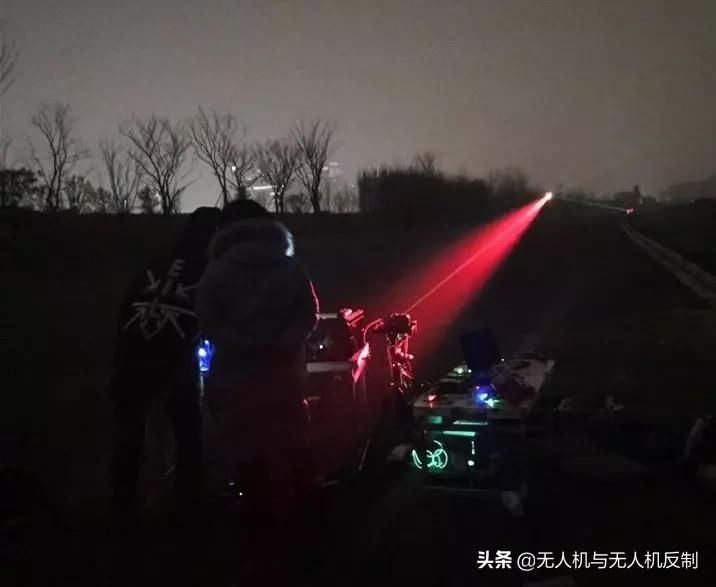
龚彦晓告诉记者,2017年以来,团队辗转南京、石家庄、兰州等地,最终完成了首个基于无人机平台的量子纠缠分发实验,测试了新系统在夜晚、白天、小雨等气象条件下的工作能力。团队取得了多项技术创新和突破,包括每秒可产生240万对纠缠光子、重量仅为468克的高性能集成化量子纠缠光源,以及轻量化光信号收发一体系统、便携式地面站等。
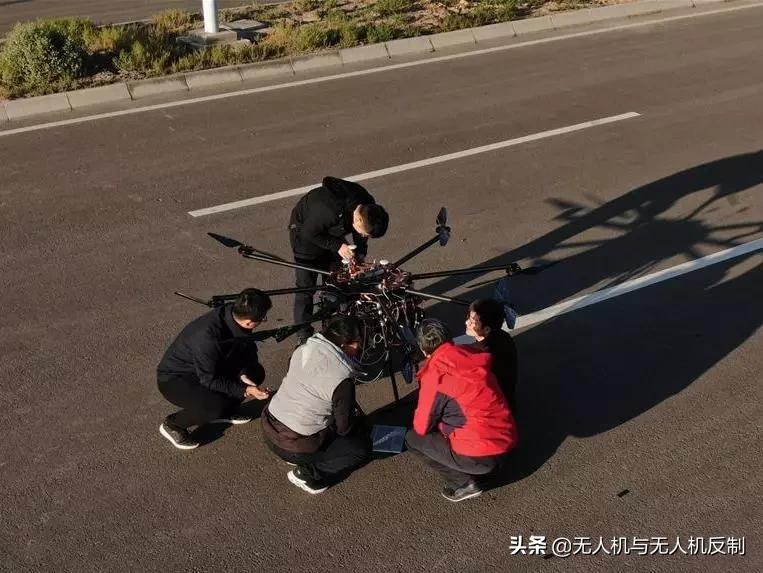
谢臻达表示,该系统还能够与高空无人机、高空气球建立长距离链路,并与现有的光纤和卫星量子网络连接, 解决量子网络不同层次之间全天候、广覆盖的问题,对推进量子通信的实用化意义重大。
美国《物理》登载的原文
A small prototype of a drone-based quantum network has successfully relayed a quantum signal over a kilometer of free space.
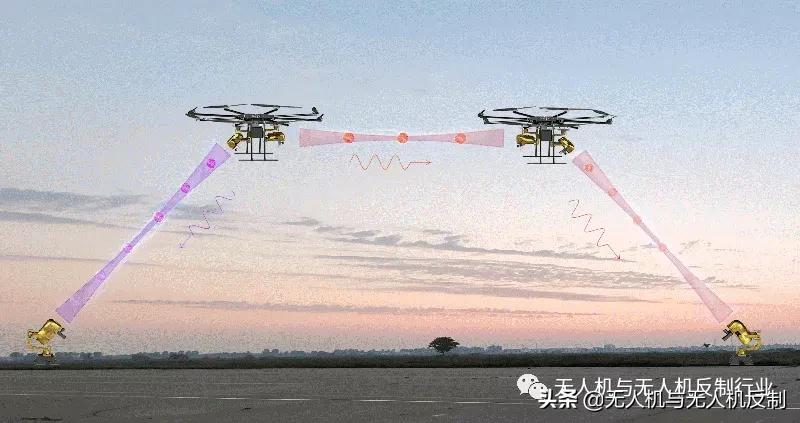
Droning on. A new quantum communication system consists of a drone (left) that generates entangled photon pairs and distributes them to ground stations. From each pair, one photon (purple beam) goes directly to the ground, while the other (pink beam)... Show more
The airwaves are chock full of “classical” information from cell phones, radio stations, and Wi-Fi hubs, but one day those waves could be carrying quantum encrypted messages or data input for a quantum computer. A new experiment has used a pair of hovering drones to dole out quantum information to two ground stations separated by 1 km [1]. This demonstration could lead to a drone-based quantum network that could be positioned—and easily repositioned—over a city or rural area.
Quantum communication promises fully secure message sharing. For example, two users could exchange encrypted messages using “entangled” photons, pairs of particles with a unique quantum-mechanical relationship. For every pair, one photon would be sent to each of the users, who would be alerted to any eavesdropping by a loss of entanglement between the photons. One of the most common methods for sending such quantum encrypted messages relies on optical fibers (see Viewpoint: Record Distance for Quantum Cryptography). But in fibers, a large fraction of the photons scatter before reaching their destination. More photons can survive if quantum information is transmitted through the atmosphere, as in the quantum link established using a Chinese satellite in 2018 (see Focus: Intercontinental, Quantum-Encrypted Messaging and Video). However, satellites are expensive and difficult to adapt to changing demands on the ground.
Small drones carrying optical equipment could provide a flexible solution that could link multiple users in a quantum network. “Drones can be deployed for a mobile quantum connection at any given time and location when necessary,” says Zhenda Xie from Nanjing University in China. Unlike a fixed tower, drones can also move around to avoid pollution or fog.
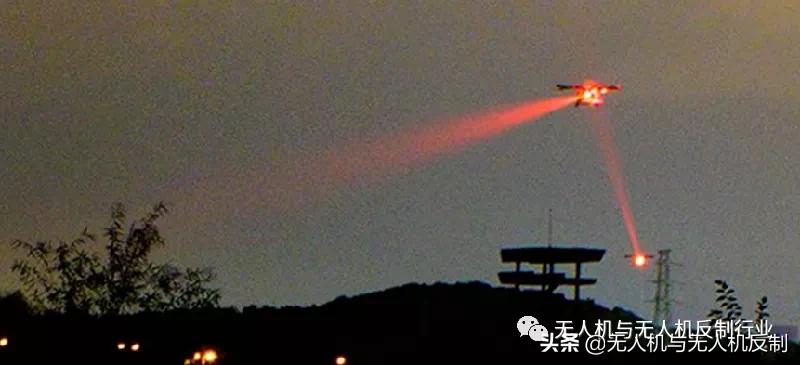
Target acquisition. The beams from one drone are visible over the testing area.
Several teams around the world have been working on drone-based systems. Early last year, Xie and colleagues reported a quantum link using a single octocopter-style drone [2]. The drone generated pairs of infrared photons whose polarization orientations were entangled. Using a high-speed tracking system, the drone directed one photon to a ground station labeled Alice and the other to a ground station labeled Bob. To collect the incoming photons, each station was equipped with a telescope having a 26-mm-wide aperture and a single-photon detector.
However, a major challenge to this form of optical communication comes from diffraction. As each photon propagates, its wave front spreads out, like the beam from a flashlight. If this spreading makes the wave front larger than the telescope aperture, the photon will have little chance of being collected. The team selected a short station-to-station distance of 200 m to ensure that diffraction effects were negligible.
To increase station separation, the team has now added a second drone that acts as a relay between the first drone and Bob. This drone collects photons from the first drone and collimates them through an optical fiber. This process reshapes the photon wave fronts—similar to what a focusing lens does—so that the photons have a higher chance of reaching Bob’s telescope.
In a demonstration, the team positioned the two drones in between Alice and Bob, with drone-to-drone separation of 200 m and drone-to-station separation of 400 m—giving a station-to-station distance of 1 km. The Alice detector recorded about 25% of the photons sent its direction from the first drone, while the Bob detector recorded about 4% of the photons sent towards it.
The team performed a version of the so-called Bell inequality test by comparing the photon polarizations received at Alice and Bob. The results confirmed that the photons remained entangled, so the quantum information survived the trip. The team is now planning to enlarge the size of the network with multiple drones that could provide quantum links across a city, for example.
Georg Harder, a quantum engineer at the Paris-based company Veriqloud, has experience building photon-entanglement systems on large optical tables. “It made me smile when I read that the authors managed to put it all into a drone” he says. He adds that this demonstration opens up new options for quantum communication. “So far, quantum networks require either dedicated fiber networks or very expensive satellite links. The drones complement these existing systems.”
One advantage of a drone system is that it can allow free-space communication between partners that do not have a direct line of sight, says Martin Bohmann, a quantum information specialist at the Austrian Academy of Sciences in Vienna. He points out that photon transmission losses need to be reduced to make a multidrone system competitive with other quantum network technologies, but he believes that such improvements are possible.
–Michael Schirber
Michael Schirber is a Corresponding Editor for Physics based in Lyon, France.
本文援引:
1.导师说!中国科学家的硬核进展看进来---*京大南**学
2.关键一步!南大团队使用光学中继助推移动量子网络构建---澎湃新闻
3.https://physics.aps.org/articles/v14/7 ---《物理》