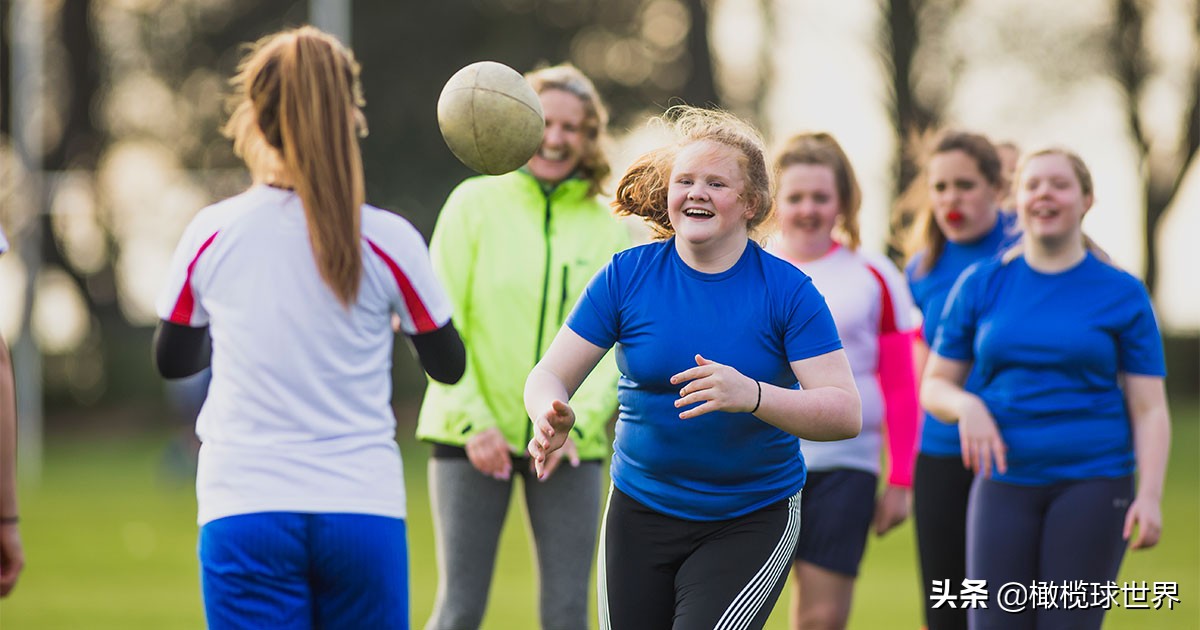
当我初到佛蒙特州,我加入了一支垒球队。这是多认识些人的好办法,当然我也知道我能在这儿找到其他“同志”。那时候我还认为自己是女性,在运动队里找拉拉就像在烘干机里找线头一样顺理成章。
我交到了一些朋友,一些有不同取向的朋友,在20年后的今天我们仍然是朋友。那时我也接触了一项对我来说全新的运动——英式橄榄球Rugby。当时当地俱乐部需要球员,我则愿意尝试一下。
一年两个赛季,作为运动员,我打了很多年,之后执教了几年,我在这些年中遇到了可以持续一辈子的友谊,这些构成了难以磨灭的人生经历。人们发现我玩英式橄榄球,当他们以钦佩的口吻回答我时,我都感到非常自豪。参加如此激烈的运动需要韧性和勇气,但真正让我觉得骄傲的,不仅仅是以球员或教练员的身份,在球场上的表现。
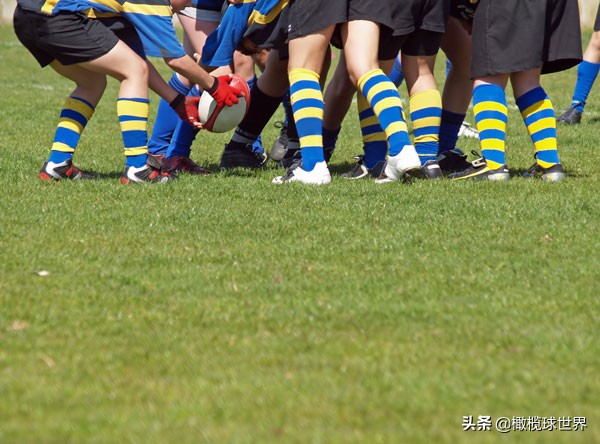
当我还是孩子的时候我就参与到运动中。我知道运动的好处,我也希望我的孩子能够体验这些益处。体育运动是让孩子们保持活力的好方法,让他们从团队合作和牺牲中受益,并从中吸取教训,还会教会他们自律和责任感。我也参加过男队。男队更衣室充斥着男子气概、厌女症和毒性。我们仍然生活在一个以男孩和男人必须有男子气概为标准的社会里。
像任何运动一样,英式橄榄球有不同的技术水平和竞争程度。从俱乐部比赛到国际比赛,无论你的体能和经济水平如何,英式橄榄球都有适合你的比赛。但无论你的技术水平如何,美国英式橄榄球联合会对所有年龄段的球员都有一个非常明确的信息:“美国英式橄榄球联合会认为,不仅应该允许,而且应该鼓励每个人参与到英式橄榄球这项运动当中。我们的运动根植于底蕴深厚、充满包容的历史,以及在这项运动中,每个人都有一席之地的信念。”
这包括所有的性别表达、性别身份、性取向和种族。如果你想玩英式橄榄球,你需要尊重边缘化的人,拥抱多样性。这项运动并不比美式足球,或者其他任何接触性运动更危险,事实上,英式橄榄球运动员必须要学习怎样扑搂。
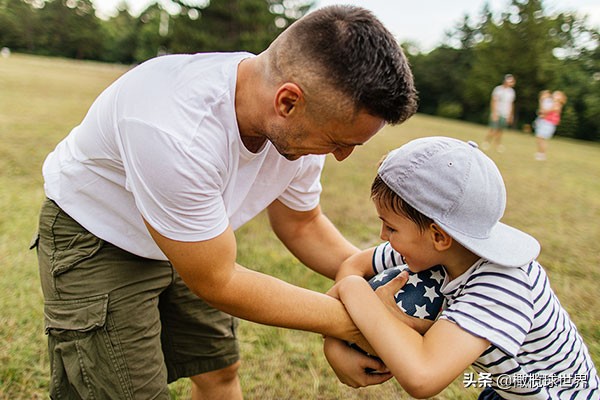
有很多按年龄分组的方法可以让最年轻的球员获得上场机会,没有哪个头脑正常的教练会让任何一个年轻人处于容易受伤的状态。但我见过的英式橄榄球教练们都知道,建立自信和包容永远都不会太早。
所有的体型和能力都是值得称赞的,因为球场上需要各种体型的球员。你的身体不会被要求改变以适应某个地方,因为总有某个地方适合你。英式橄榄球是一项艰苦(rough)的运动,但它是一个安全的地方。
当我作为新手第一次训练时,我吓坏了。我对扑搂和不理解的专业词汇感到紧张。争边球、冒尔、司克兰,这些名词让我晕头转向,但是被队友接受是很容易的。我很快意识到,在男队中也存在着包容,他们也支持他们的其他队友。
跨性别运动员同样受欢迎,经过多年为一项我喜欢的运动而旅行,我意识到我更喜欢这种文化。我们是彼此的家庭成员,无条件地爱着彼此,即使血亲都可能因为他们的性取向而断绝关系。
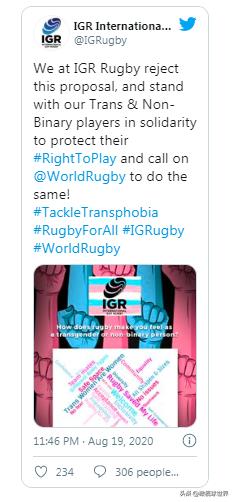
遗憾的是,世界英式橄榄球联合会(World Rugby)最近进行了一项政策审查,考虑以“安全考虑”为由,禁止跨性别女性参加女子比赛。英式橄榄球界很快在社交媒体上发起了一场“应对跨性别恐惧症”的活动,以支持跨性别和非二元性别的队友。
当然,这群人中总会有一些混蛋,但同样的包容空间已经提供给了黑人球员以及所有种族和宗教的球员。英式橄榄球运动员和国际球队迅速对“黑人的生命也是重要的”运动表示支持,在NFL之前他们就知道,屈膝是对受到系统性种族主义伤害的队友的尊重,也是对他们改善状况的决心。
在英超橄榄球联赛发表的,旨在支持“英式橄榄球反对种族主义”项目的声明中,誓言:“我们致力于通过英式橄榄球项目支持黑人社区,以及计划进一步加强LGBTQ 群体的权利,性别平等和改善那些低社会经济群体和残疾人加入我们这项运动。”
当我担任高中英式橄榄球教练时,体育主管向我透露,他对女子英式橄榄球俱乐部的重视程度,甚至超过了学校的其他运动项目。他对待我们的俱乐部就像对待大学队一样,提供同样的设施。这并不是因为我们的竞赛成绩,而是因为如果没有参加英式橄榄球活动,这些学生大多数都无法毕业。
我的球员在许多方面都面临着高风险,这些障碍阻碍了他们的学业成功和情绪健康。我的大多数球员都不是天生的运动员,甚至不是很擅长运动。他们是被驱逐的人,需要一个没有派系、审判和恐惧的地方。在我们队中,“与众不同”是被期待的,而不是什么需要隐藏的东西。他们需要保持自己的成绩,成为团队中积极的一员,而他们从这项运动中得到的激励他们这样做。
感觉被接受,并为那些经常感觉被忽视的人提供出路,这就是为什么英式橄榄球是站在社会正义和公平的一边。
原文
When I first moved to Vermont, I joined a softball team. It was a great way to meet new people, but it was also a place where I knew I would find other queer people. At the time I was identifying as a female, and finding queer women in sports was like finding lint in a dryer. I met friends — yes, gay ones — who I still have today, 20 years later. I was also given access to a new-to-me sport: rugby. The local club needed players, and I was willing to give it a try.
I played two seasons a year for many years, coached for a few, and have friendships and stories that will last a lifetime. When people find out I played rugby, I feel a sense of pride every time they reply with admiration. Yes, it takes toughness and a special grittiness to play such an intense sport, but the real pride comes in knowing that I played and coached a game that went beyond performance on the pitch.
I have been involved with athletics since I was a kid. I know the rewards and want my kids to experience them too. Sports are a great way to keep kids active, give them the benefits and lessons from teamwork and sacrifice, and will teach them discipline and responsibility. I have been around boys’ and men’s teams too. All of these locker rooms have machismo, misogyny, and toxicity. We still live in a society that has standards boys and men must achieve to be masculine. While rugby has all of the goods other sports offer, it still has some bullshit, but there is an overall difference to the sport that allows for more variation of self and less ego to accept the differences in others. If you want a sport that will proudly support your kid for who they are while challenging them in the best ways, sign them up for rugby.
Like any sport, there are degrees of skill level and competition. From club to international play, rugby can meet you where your fitness and athleticism takes you. But no matter what your level of skill, USA Rugby has a very clear message for players of all ages: “USA Rugby believes everyone should not just be allowed but encouraged to play rugby. Our sport is rooted in a deep history of inclusion and the belief there is a position for everyone on the field and in our sport.” This includes all gender expressions, gender identities, sexual orientation, and race. If you want to play rugby, you need to respect marginalized people and embrace diversity. The sport is no more dangerous than football—rugby players actually have to learn how to tackle—or any other contact sport.
There are plenty of age-appropriate ways to get the youngest players on the pitch and no coach in their right mind would put any young athlete in a position to get injured. But the rugby coaches I have met know that it’s never too early to build confidence and inclusion. All body sizes and abilities are celebrated because every body type is needed on the pitch. Bodies aren’t asked to be changed to fit in somewhere because there is always somewhere to be. Rugby is a rough sport, but it’s a safe space.
When I showed up for my first practice as a rookie I was terrified, but it wasn’t because I was queer. I was nervous about tackling and words that I didn’t understand yet. Line outs, mauls, and scrums were confusing, but being accepted by both straight and queer teammates was pretty easy. I soon realized the men’s team was just as accepting, and not just because of some lesbian fantasy they conjured; they supported their gay teammates too. Transgender players were welcomed, and over the many years of traveling for a sport I loved, I realized I loved the culture even more. We were each other’s family members, the ones who loved us unconditionally even when our own blood relatives disowned us for being queer.
Sadly, there has been a recent policy review by World Rugby that is considering banning transgender women from playing the sport because of “safety concerns.” The rugby community was quick to start a #tackletransphobia on social media to show support to our transgender and nonbinary teammates.
And yes, there will always be a few assholes in the bunch, but the same inclusive spaces have been provided for Black players and players of all races and religions. Rugby players and international teams were quick to show support for the Black Lives Matter movement and knew well before the NFL that taking a knee shows respect to teammates who are being hurt by systemic racism and determination to make it better. In a statement by Premiership Rugby that showed support for the Rugby Against Racism project, the league vowed: “We are committed to build on our work through initiatives like Project Rugby to support black communities, as well as plans to further enhance work in LGBTQ+ rights, gender equality and to improve the access to our sport for those from low socio-economic groups and those with disabilities.”
When I coached high school rugby, the athletic director confided in me that he valued the girls’ rugby club as much, if not more than, the other school sports. He treated our club like a varsity team and provided the same amenities. This wasn’t because of our winning record; it was because without rugby, most of my players would not have graduated. My players were high risk in many categories that were barriers to their academic success and emotional well-being. Most of my players were not natural athletes or even very athletic. They were outcasts who needed a place free of cliques, judgement, and fear. Being “different” was expected and not something to hide. They needed to keep their grades up to be active members of the team, and what they got from the sport motivated them to do so.
Feeling accepted and providing outlets for those who often feel left out is why rugby is on the right side of the sidelines regarding social justice and equity.
原文作者:Amber Leventry
原文标题:Move Over, Football—Get Your Kids Into Rugby Instead
原文地址:https://www.scarymommy.com/get-your-kids-into-rugby/?utm_source=FB&fbclid=IwAR2XzWjeiUjai8uaVkkq0h2SzDa7pYF35OXNn-nZtfzy-KH5cAZWat2Uqb4
编译:秦冠飞
因众所周知的原因,本文中文版有删节修改