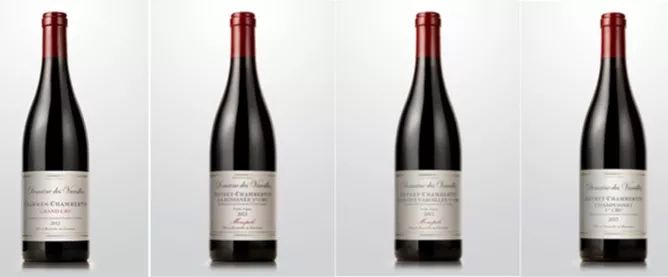
死酵母培养法
酒精发酵结束之后,已无糖分供酵母存活,死去的酵母菌会逐渐沉积到酒槽或橡木桶底部,堆积成泥状,这些物质称为lies。这些无生命的死酵母在培养的过程中会影响葡萄酒的风味,因此常被酿酒师利用。
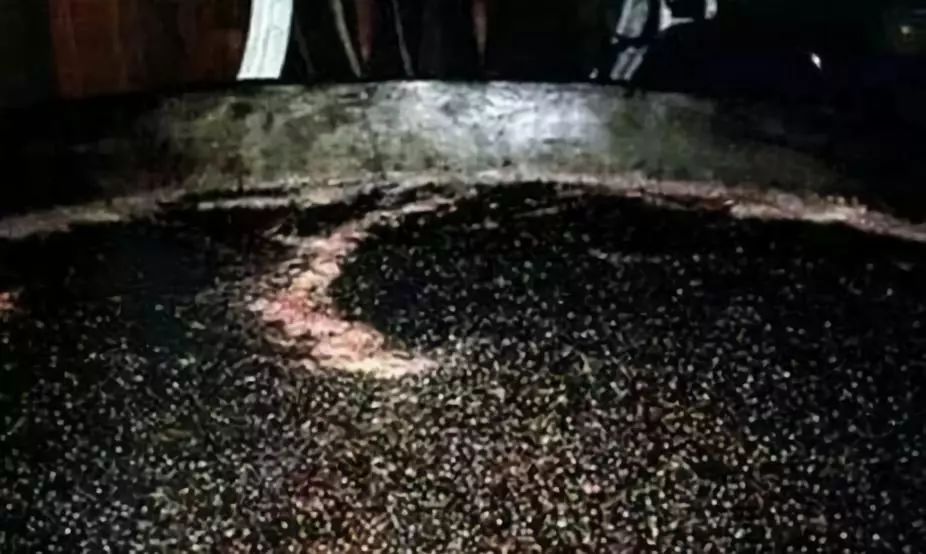
不过,这些物质也有可能为葡萄酒带来怪味,所以通常人们会先去除其中的杂质,通过换桶保留比较健康、沉淀在上层的较细的lies,也可先处理过后再将一部分放回酒中和葡萄酒一起培养。
泡在酒中的死酵母在酵素的作用下,会水解成许多不同的物质,包括蛋白质、氮、有机酸、香气物质和甘油。和lies一起培养的葡萄酒,在乳酸发酵的过程中会比较顺利,其产生的甘油也会让酒的口感变得更为圆润,在香气上,常会让白酒产生熏烤与烘焙面包的香气。
搅桶
为了让死酵母菌的水解更有效地进行,很多酒庄会进行搅桶来加速水解。在发酵控制不太发达的时代,为让酒中残余的糖分全部发酵成酒精,葡萄农常在发酵末期用一根棒子搅拌桶内的葡萄酒。现在,酿酒师也会在白酒培养的阶段进行搅桶,目的在于让沉淀的死酵母和葡萄酒充分混合,加快水解。
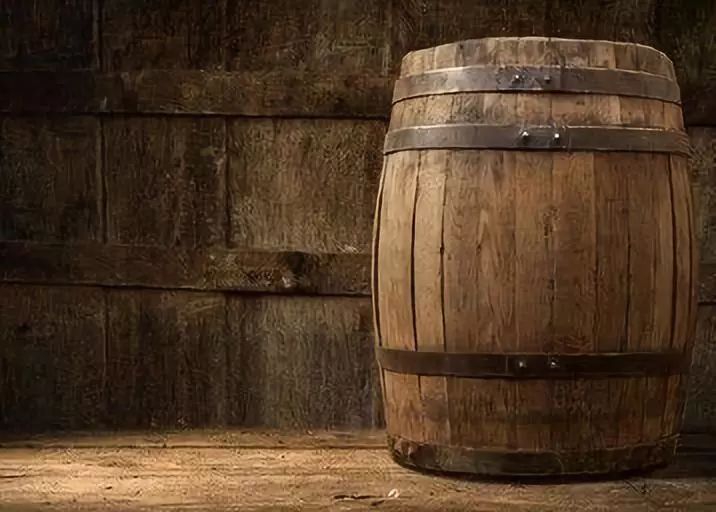
通常用顶端呈长钩状的金属棒伸进橡木桶内搅动,大多一周搅桶一两次,但也有酒庄在最频繁时会一天多次。搅桶的方法又分两种,一种是温和地搅动沉淀物,另一种是当遇到有还原问题时,要由上往下搅,顺便将空气打入酒中,通过适度的氧化减少还原的怪味。
搅桶常要贯穿整个培养的阶段,但后期次数会减少,约一个月一次。搅桶过度可能引发氧化的问题,也可能让酒变得过于肥腻而失去均衡,有些酒庄仅在前几个月进行低频率的搅桶,有时甚至完全不做。在发酵之前没有进行沉淀去酒渣的酒庄,为避免产生怪味,通常很少进行搅桶。

非木桶培养的白酒同样可利用死酵母来提升香气与圆润感,现在也有一些不锈钢桶内部具备旋转扇叶,可定时旋转,让沉淀的酵母与酒充分混合。培养黑皮诺红酒时很少采用搅桶的方式,不过,还是会有酒庄偶尔采用滚动木桶的方式。
换桶
自然沉淀是让培养阶段的葡萄酒变得更干净、澄清的最简易方法。只要一段时间静止不动,酒中较大的悬浮物就会沉淀到酒槽或橡木桶底。这些混合着死酵母和其他沉淀物的酒渣,有时会让封存在桶中的葡萄酒因为缺乏氧气而产生类似臭鸡蛋气味的还原怪味。有些酒庄在培养阶段每隔一段时间就会进行换桶,例如在乳酸发酵完成后,葡萄酒由原来的桶中流到清洗干净的橡木桶中,以去掉桶中沉淀的酒渣,同时,在换桶的过程中,也可以让酒与空气接触,降低出现还原气味的风险,若是红酒则可以借此柔化单宁。换桶通常需要用泵抽送,对比较敏感的葡萄酒可能产生伤害,在勃艮第,现在更常用利用重力作用的虹吸法或气压法来进行换桶,以减少对葡萄酒的影响。
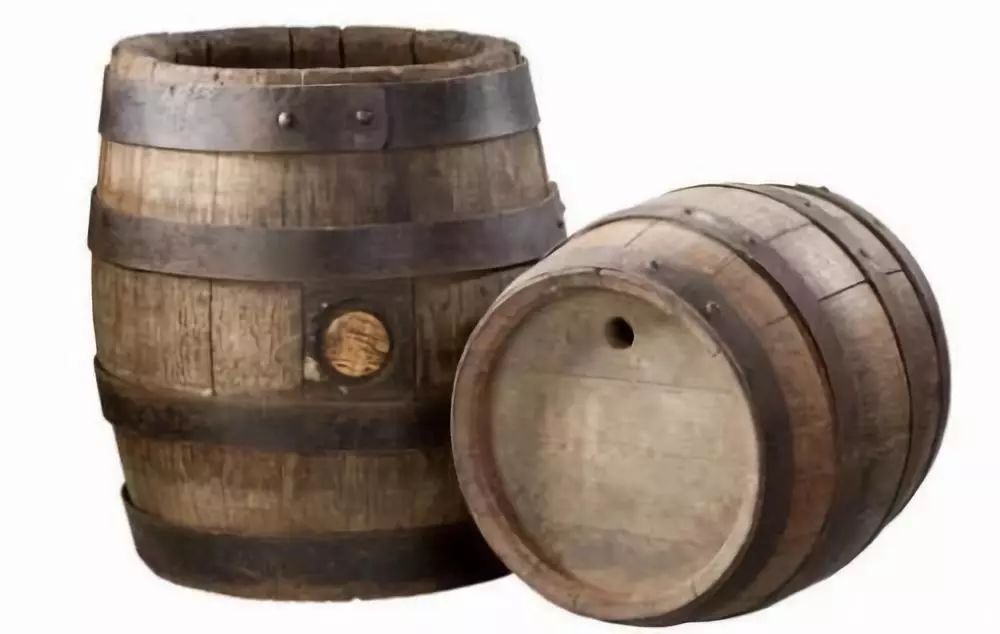
不过,现在勃艮第坚持不换桶的酒庄也相当多,大部分酿酒师认为,酿造黑皮诺时多一事不如少一事,培养时除非必要,最好不要去惊动正在熟成的黑皮诺,培养时不换桶除酒渣的做法相当盛行。在酿造霞多丽时,有的酒庄从发酵前将葡萄汁注入橡木桶,一直到装瓶之前,都使用同一个橡木桶,让葡萄酒和原来的酵母与酒渣泡在一起。
人们也相信霞多丽在培养的阶段最好不要过多打扰,做越多事反而越有害。也许因为lies的作用,完全不换桶的酒庄常能保留饱满浓厚的味道。有些酵素可以保证死酵母不会产生异变,不一定非换桶不可。

Burgundy Unpopular Knowledge - "Dead Yeast" Culture Method after Alcohol Fermentation
Dead yeast culture
After the end of the alcoholic fermentation, there is no sugar for the yeast to survive, and the dead yeast will gradually deposit into the bottom of the tank or oak barrel and pile up into a mud. These substances are called lies. These inanimate dead yeasts affect the flavor of the wine during the cultivation process and are often used by winemakers.However, these substances may also bring strange taste to the wine, so usually people will remove the impurities first, and retain the healthier, finer layers deposited on the upper layer by changing the barrel, or they can be processed before returning the wine to the wine. Neutralize with wine.
The dead yeast soaked in wine is hydrolyzed into many different substances, including proteins, nitrogen, organic acids, aroma substances and glycerin. The wine cultivated with the lies will be smoother in the process of lactic acid fermentation. The glycerin produced will make the taste of the wine more round. In the aroma, the white wine will often produce the aroma of baking and baking bread.
Stirring bucket
In order to allow the hydrolysis of the dead yeast to proceed more efficiently, many wineries will perform a mixing tank to accelerate the hydrolysis. In an era when fermentation control is not well developed, in order to ferment all the sugar remaining in the wine into alcohol, the grape farmers often use a stick to stir the wine in the barrel at the end of the fermentation. Now, the winemakers will also stir the barrels in the stage of liquor culture, in order to mix the dead yeast and wine that are precipitated and accelerate the hydrolysis.
Usually, the metal rod with a long hook at the top is inserted into the oak barrel to stir, and the barrel is stirred once or twice a week, but there are also many times when the winery is most frequently. There are two ways to stir the bucket. One is to gently agitate the sediment, and the other is to stir up from top to bottom when there is a problem of reduction. By the way, the air is blown into the wine and reduced by moderate oxidation. Restore the strange smell.
Stirring buckets often run through the entire culture phase, but the number of later passes is reduced, about once a month. Excessive barreling may cause oxidation problems, and may make the wine too fatty and unbalanced. Some wineries only perform low-frequency mixing barrels in the first few months, sometimes not at all. In the winery where no slag is precipitated before fermentation, in order to avoid the strange smell, it is usually rare to stir the barrel.
Non-wooden cultured white spirits can also use dead yeast to enhance aroma and roundness. Now there are some stainless steel barrels with rotating blades inside, which can be rotated regularly to allow the precipitated yeast to mix well with the wine. It is rare to use a bucket when cultivating Pinot Noir, but there are still occasions when the winery uses rolling wooden barrels.
Change bucket
Natural sedimentation is the easiest way to make the wine in the culture stage cleaner and clearer. As long as it does not move for a while, the larger suspended matter in the wine will settle to the bottom of the tank or oak barrel. These slags, which are mixed with dead yeast and other sediments, sometimes cause the wines that are contained in the barrel to produce a similar smell of rotten egg odor due to lack of oxygen.
Some wineries change barrels at regular intervals during the cultivation period. For example, after the lactic acid fermentation is completed, the wine flows from the original barrel to the cleaned oak barrel to remove the precipitated slag from the barrel. In the process of the barrel, the wine can also be brought into contact with the air to reduce the risk of reducing the odor. If it is red wine, it can soften the tannin. Changing barrels usually requires pumping, which can cause damage to sensitive wines. In Burgundy, it is now more common to use gravity-based siphoning or barometric pressure to change barrels to reduce the impact on wine.
However, there are quite a lot of wineries that Burgundy insists on not changing barrels. Most winemakers think that it is better to do more when brewing Pinot Noir. It is better not to disturb the ripe Pinot Noir unless it is necessary. It is quite popular not to change the barrels of wine residue during cultivation. When brewing Chardonnay, some wineries inject the grape juice into the oak barrels before fermentation, until the bottling, using the same oak barrel to make the wine and the original yeast and slag together.
People also believe that Chardonnay should not be bothered at the stage of cultivation. The more things you do, the more harmful it is. Perhaps because of the role of the lies, the winery that does not change the barrel at all can always retain a full and rich taste. Some enzymes can ensure that dead yeast does not change, and it is not necessary to change the barrel.