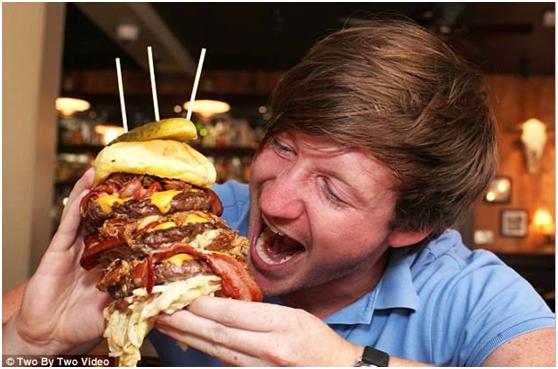
达格伍德·巴姆斯特德喜欢在午夜翻翻冰箱,做出一个超棒的三明治,这是一个极端的例子,但在深夜吃零食会打乱饮食习惯。
此图文与文章内容无关
达格伍德·巴姆斯特德就住在我大脑的最边缘。在长篇连环漫画《金发女郎》中,达格伍德以他的午夜冰箱突袭系列而闻名。这是一个噱头。永远饥肠辘辘的达格伍德总是在厨房的深处摸索,把所有能吃的东西都堆在多层三明治上,上世纪50年代和60年代的餐馆很快就复制了这种做法。《达格伍德》的夜游是标志性的,比真人还大,很卡通。但是,事实证明,晚上吃东西并不是那么有趣。
我们都有过这样的经历:在该睡觉的时候去厨房找点吃的。不管是因为无聊、压力还是屏幕时间过长导致的暂时性失眠,忙完工作后的进食都能暂时使你获得满足、抚慰和饱足感。问题是他们也可以对身体造成破坏,不管你是间歇性的夜食主义者还是长期的夜食主义者。
饮食失调症自从在2013年被加入到DSM-5(精神病医师奉为权威的《精神疾病诊断与统计手册》)以后已经得到医学界的广泛认可。 深夜进食对身体的影响,以及如何不让其自然形成一种习惯,这门科学是由生物钟、荷尔蒙、睡眠研究和心理学组成的奇妙网络。
基本上,睡觉后吃东西会产生一系列的影响:
你睡不好是因为消化和代谢食物的肌肉在应该休息的时候还得工作。这会延迟甚至阻碍你进入深度睡眠,而深度睡眠正是让你在第二天精神抖擞的关键。
晚上吃东西会打乱你的昼夜节律,使身体的主时钟(视交叉上核,简称SCN)在与它协调的无数生物钟失去同步。由于这些生物钟控制着调节睡眠、食欲和压力的激素的释放,当它们不正常时,你的新陈代谢也会紊乱。
你会在夜食的第二天早上发生醉食,这会让你直到下午都不想吃东西,并一直循环下去。
临床心理学家、伊利诺伊州暴饮暴食治疗与饮食恢复项目执行主任朱莉·弗里德曼说,“对那些患有夜间进食综合症的人来说,这是一个恶性循环,而对那些没有患上夜间进食综合症的人来说,则是一个滑坡效应。”Friedman说:“偶尔赶工到深夜、重要的晚餐和倒时差的旅行日总是会有深夜吃东西的时候,但是你要避免养成不吃或推迟早餐或午餐的习惯,以及在晚餐和就寝之间不断吃东西的习惯。”
“目前尚不清楚,习惯性模式对于任何特定的人是如何快速开始建立的,但我们是习惯的动物,如果你经常晚上吃东西,你的身体一到晚上就会开始期待进食,”凯利艾莉森解释说,凯利是费城宾夕法尼亚大学医学院精神病学方面的心理学副教授及体重和饮食失调中心主任。
艾莉森长期以来都是夜间进食方面的专家,并与人合写了两本有关夜间进食的书。她刚刚完成了关于夜间进食对新陈代谢和体重的影响研究,这是人类首批关于该方面的研究之一。研究表明,晚吃(与早吃相比)会导致体重增加,损害脂肪代谢。在研究的前八周,参与者都是体重健康的个体,他们遵循同样的食物和锻炼方案,在早上8点到晚上7点之间吃完所有的食物(一天三顿,外加两份零食)。在第二个八周中,参与者遵循同样的饮食和锻炼方案,但这一次他们必须在中午到晚上11点之间吃掉所有的东西(在这两个测试中,他们的睡眠时间都在晚上11点到上午9点之间)。
对于午后才开始吃第一顿,且被允许吃到晚上11点的参与者不仅推迟了早上刺激食欲的荷尔蒙的分泌,促进当天晚些时候饱腹的感觉,还提高了胰岛素、空腹血糖、胆固醇和甘油三酯的水平,这些都与心脏病、糖尿病和其他健康问题有关。“简而言之,所有的事情都被夜食习惯推迟和恶化了。”艾利森表示。
那么,除了把冰箱锁上之外,你还能做些什么来防止自己养成深夜进食的习惯呢?
了解夜食者背后的原因是解决问题的第一步。当你在晚饭后吃东西的时候,原因通常是以下三件事情之一:真正的饥饿,情绪化的进食(通过进食来减少压力或焦虑的感觉),或者你相信它会帮助你入睡。
弗里德曼说:“真正的身体饥饿是由胃饥饿素引发的。胃饥饿素是胃里释放的一种激素,它会让你的胃咕咕叫,让你的身体做好吃东西的准备。”另一方面,情感上的饥饿可能是一种突然的、强烈的渴望。这两种饥饿的巧妙之处在于,吃高糖、高脂肪和高碳水化合物的零食能迅速舒缓情绪,降低压力荷尔蒙,迅速刺激大脑中的奖励中心,但这些并不是能长时间饱腹的食物。
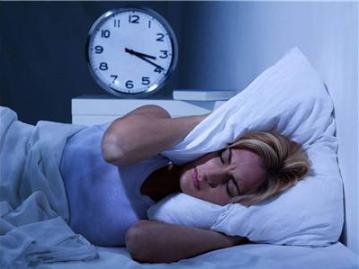
如果你一天中大部分时间都没有进食,那么你的身体很可能需要进食。但这有点让人进退两难:天黑后摄入的卡路里太多,会持续让你想要推迟第二天进食。伊利诺斯州饮食恢复中心的注册营养师吉恩·阿尔维斯说,想要解决这个问题,晚饭需吃蛋白质、纤维和脂肪的均衡搭配,并确保至少在睡前两小时吃。第二天早点吃,平衡饮食,选择全食物搭配,定时吃饭,避免血糖过高或过低,这些都有帮助。如果情绪化进食问题严重,如果夜间进食模式已经进入夜间进食综合症的范畴,那么治疗也可以。
对阻止夜食的最佳食物和菜单的严格控制研究还没有进行,但常识性的饮食计划是有帮助的。“我们的重点是平衡,”阿尔维斯说,“从三到四种食物中选择正餐和零食,以找到营养平衡。你选择的食物越均衡,你就越有可能在一天中保持稳定的食欲。”
阿尔维斯说:“蛋白质、脂肪和纤维是让人满足的三要素,因为它们往往能让我们更长时间地保持饱腹感。”她说,简单易行的饭菜有助于保持饮食结构和一致性,这是改变饮食习惯所必需的,尤其是早餐。“虽然在醒来后不久就吃饱饭很重要,但早晨的时间限制通常是个问题,所以要保持简单。”
菠菜和奶酪煎蛋卷可能是蛋白质和脂肪的最佳选择,但奶油全谷物英式松饼、6盎司酸奶和一杯果浆可能是忙碌的早晨更现实的选择。
尽量在早上起床后的一个半小时内吃东西,你的最后一顿饭和就寝时间之间至少间隔两个小时。
在中间,阿尔维斯建议每两到四个小时吃一次,以避免血糖急剧下降和激增。因此,典型的一天可能包括早上7点的早餐,上午10点的小吃,中午的午餐,下午3:30的小吃和晚上7点的晚餐。
“如果你超过四五个小时不吃任何东西,你就更容易受到饥饿的折磨影响,从而激发不理性的食物选择。”阿尔维斯解释说,“每顿饭或零食之间至少要有两个小时的时间来消化食物,避免混淆我们自然的饥饿感和饱腹感。”
为了避免晚上吃东西的习惯,保持一些嗜好也会有帮助。
阿尔维斯说:“白天对食物的剥夺可以成为鼓励晚上进食的强大力量。”“如果你在吃饭时太过拘谨,就好像一整天都在吃饭时屏住了呼吸。然后,当你回到家,又累又有压力的时候,你可能会在晚上吃东西,因为你想奖励自己一些你整天都在拒绝的食物。”
所以呢?在下午吃两杯涂有巧克力的花生酱和苹果点心,而不是只吃苹果,然后在晚上吞下整袋巧克力。虽然一开始可能很难,但逐渐建立一种早吃的模式最终会减少晚上吃饭的欲望。
“如果你一直不吃早餐和午餐,至少从吃午餐开始。然后再往后退一点,加上早餐”艾莉森说。“行为需要首先改变,迟早,生物钟也会随之改变。”
你有夜间进食综合征吗?
Dagwood Bumstead lives at the very edge of my brain. In the long-running “Blondie” comic strip, Dagwood is known for his serial midnight fridge raids. It’s a running gag. Forever-hungry Dagwood is always plumbing the depths of his kitchen, stacking everything edible on a multi-decker sandwich that restaurants of the 1950s and ’60s were quick to copy. Dagwood’s night prowls are iconic, larger than life, cartoonish. But, it turns out, night eating is not so funny.
We’ve all done it: found our way to the kitchen when we should be in bed, foraging for a little something more to eat. Whether prompted by boredom, stress or the temporary insomnia of too much screen time, after-hours feeds temporarily satisfy, soothe and satiate. The problem is they can also wreak havoc on the body, both for casually repeating night eaters and for those who develop Night Eating Syndrome, an eating disorder that’s gained recognition since being added to DSM-5 — the Diagnostic and Statistical Manual of Mental Disorders, the diagnostic bible for psychiatrists — in 2013.
The science of what late-night eating does to the body and how to get off the slippery, habit-forming slope is a fascinating web of body clocks and hormones, sleep studies and psychology.
Basically, eating after bedtime packs a one-two-three punch:
You don’t sleep well because the muscles that digest and metabolize food have to keep working when they should be resting. This delays or even keeps you from getting to the deep, slow-wave sleep you need to feel refreshed the next day.
Night eating messes with your circadian rhythms, throwing the body’s master clock (the suprachiasmatic nucleus, or SCN) out of sync with the myriad biological clocks it coordinates. Since these body clocks time the release of hormones that regulate sleep, appetite and stress, when they’re out of whack, your metabolism is too.
You get a food hangover the morning after night eating, which keeps you from wanting food until the afternoon, perpetuating the cycle.
“It’s a vicious cycle for those who have Night Eating Syndrome,” said Julie Friedman, a clinical psychologist and the executive director of the Binge Eating Treatment and Recovery Program at Eating Recovery Center, Illinois, “and a slippery slope for night eaters who do not.” There will always be the occasional late-night deadline, special dinner and jet-lagged travel days where late-night eating happens, said Friedman, “but you want to avoid developing regular habits of skipping or delaying breakfast and/or lunch and continuously grazing between dinner and bedtime."
“It’s unclear, for any given person, how quickly the onset of a habitual pattern is established, but we are creatures of habit, and if you are regularly eating at night, your body starts to expect food at night,” explained Kelly Allison, an associate professor of psychology and the director of the Center for Weight and Eating Disorders at Penn Medicine’s Department of Psychiatry in Philadelphia.
Allison, a longtime expert on night eating and co-author of two books on the topic, just concluded one of the first human studies on the effect night eating has on metabolism and weight. The study showed that eating later in the day (versus earlier) can cause weight gain and impair fat metabolism. For the first eight weeks of the study, participants — all healthy-weight individuals — followed the same food and exercise regimen, consuming all meals (three a day, plus two snacks) between 8 a.m. and 7 p.m. For the second eight weeks, participants followed the same food and exercise regimen, but this time had to eat everything between noon and 11 p.m. (For both tests, sleep was between 11 p.m. and 9 a.m.)
The weeks when participants had their first meal of the day after noon and were allowed to eat up to 11 at night not only delayed the release of the hormones that stimulate appetite in the morning and promote a feeling of fullness later in the day, but also raised levels of insulin, fasting glucose, cholesterol and triglycerides — all markers linked to heart disease, diabetes and other health problems. “In short, everything was delayed or exacerbated by the later eating schedule,” said Allison.
So what, short of putting a padlock on the fridge, do you do to keep yourself from developing the habit of late-night feeds?
Understanding the “whys” behind night hungers, is a first step in dealing with them. When you eat at night after you've already had dinner, the reason is usually one of three things: true hunger, emotional eating (eating to decrease feelings of stress or agitation) or because you believe it will help you sleep. Said Friedman: "True physical hunger is initiated by ghrelin, a hormone released in the stomach that gets your stomach grumbling and prepares the body to eat." Emotional hunger, on the other hand, may come on as a sudden, sharp craving. The tricky thing about both types of hunger is that eating snack foods high in sugar, fat and carbs is quick to soothe and calm, shutting stress hormones down and quickly pinging the reward centers in the brain. But these are not the foods that satiate for long.
If you've delayed eating for most of the day, your body very likely needs to eat. But it's a bit of a Catch-22: Eating too many of your calories after dark, perpetuates the cycle of wanting to delay eating the next day. To get off that train, said Jean Alves, registered dietitian with the Eating Recovery Center, Illinois, eat a balanced dinner with a good mix of protein, fiber and fat, and ensure you do that at least two hours before you go to bed. Eating earlier the next day, making balanced, whole-food choices and timing meals at intervals to keep blood sugar levels from shooting too high or too low, all help. So can therapy, if emotional eating is a big issue and if night-eating patterns have stepped into Night Eating Syndrome territory.
Tightly controlled studies on the best foods and menus to stop night eating have yet to be performed, but common-sense meal planning is helpful.
“Our big focus is on balance,” said Alves. “Build meals and snacks from three or four food groups to find nutritional balance. The more balanced your food choices are, the more likely you will be to have a stable appetite throughout the day.”
Within that, said Alves, “Protein, fat and fiber are the satisfaction trifecta, because those are the things that tend to keep us feeling full longer.” She said meals that are simple and easy to prepare are helpful in bringing structure and consistency needed to change patterns — especially at breakfast. “While it’s important to put fuel in your tank pretty shortly after waking, time constraints are usually an issue in the morning, so keep it simple.”
A spinach and cheese omelet might be a great protein and fat option, but a buttered whole-grain English muffin, 6-ounce yogurt cup and cup of berries may be the more realistic choice for a busy morning.
Try to eat within an hour and a half of getting up in the morning, and leave at least two hours between your last meal and bedtime. In the middle, Alves recommends eating every two to four hours to avoid drastic dips and spikes in blood sugar. So, a sample day might include a 7 a.m. breakfast, 10 a.m. snack, lunch at noon, 3:30 p.m. snack and dinner at 7.
“If you go longer than four or five-plus hours without eating anything, you’re more susceptible to urgent hunger pangs that prompt irrational food choices,” Alves explained. “You want to have at least two hours between a meal or a snack to digest the food, and avoid confusing our natural hunger and fullness cues.”
To stave off night-eating patterns, it also helps to keep a few indulgences intact.
“Deprivation during the day can be a powerful force in encouraging eating at night,” said Alves. “If you’ve been too rigid and restrained around your meals, it’s like you’ve been holding your breath around food all day. Then, when you get home and are tired and stressed, you may engage in night eating because you want to reward yourself with the kinds of foods you’ve been saying no to all day.”
So? Have the two chocolate-covered peanut-butter cups with the apple snack in the afternoon, rather than eating just the apple and then downing the whole bag of chocolate at night. While it may be difficult at first, gradually establishing a pattern of eating earlier in the day will ultimately lessen the desire to eat at night.
“If you’ve been skipping both breakfast and lunch, start by at least eating lunch. Then move back a bit more, and add breakfast,” said Allison. “Behaviors need to change first, and sooner or later, biology will follow.”
Do you have Night Eating Syndrome?