F-22 Raptor, the renowned fifth-generation fighter jet, has been soaring through the skies for 25 years. It remains a unique marvel, unrivaled by many countries that have yet to catch up and even lacking a comparable fourth-generation counterpart. This formidable aircraft was meant to be a source of pride for the United States; however, American media's evaluations of it are increasingly dissatisf
actory. They argue that as time goes on, the F-22's performance is gradually falling behind, lacking many of the capabilities possessed by modern fighters. While it may have outperformed Soviet aircraft in the past, it now falls short in comparison to the more affordable F-35, not to mention China's J-20. The development of the F-22 began in the 1970s, during the height of the Cold War between t
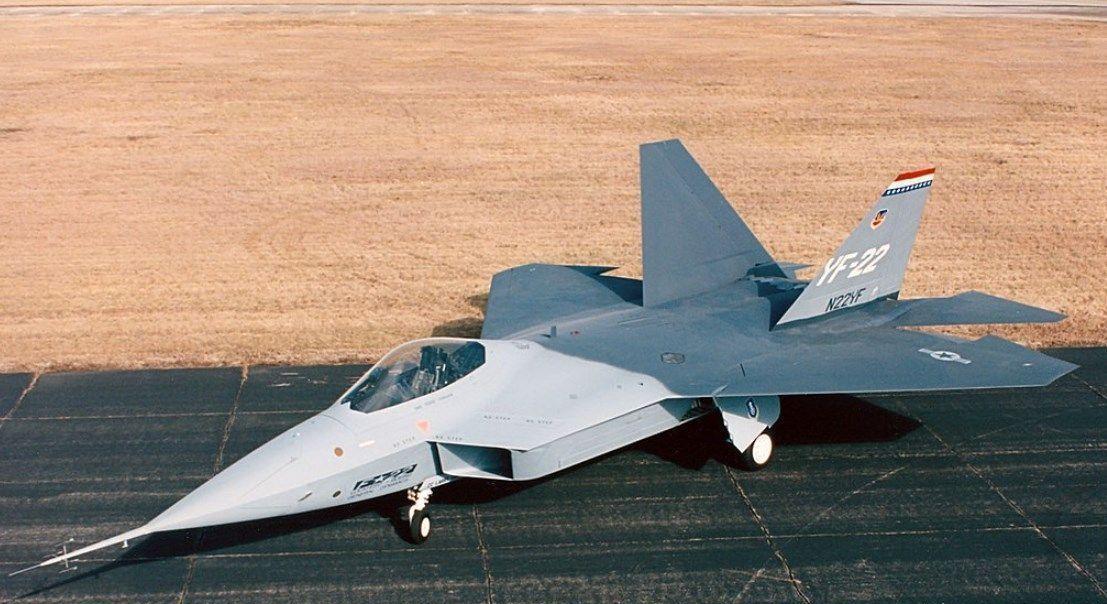
he United States and the Soviet Union. At the time, the United States planned to develop a fighter that could suppress the Soviet Air Force. The YF-22 and YF-23 were two candidate models for the US military to choose from. The YF-23 was more advanced in terms of performance and structure, but it also carried higher production risks. To play it safe, the US military ultimately chose the YF-22 and m
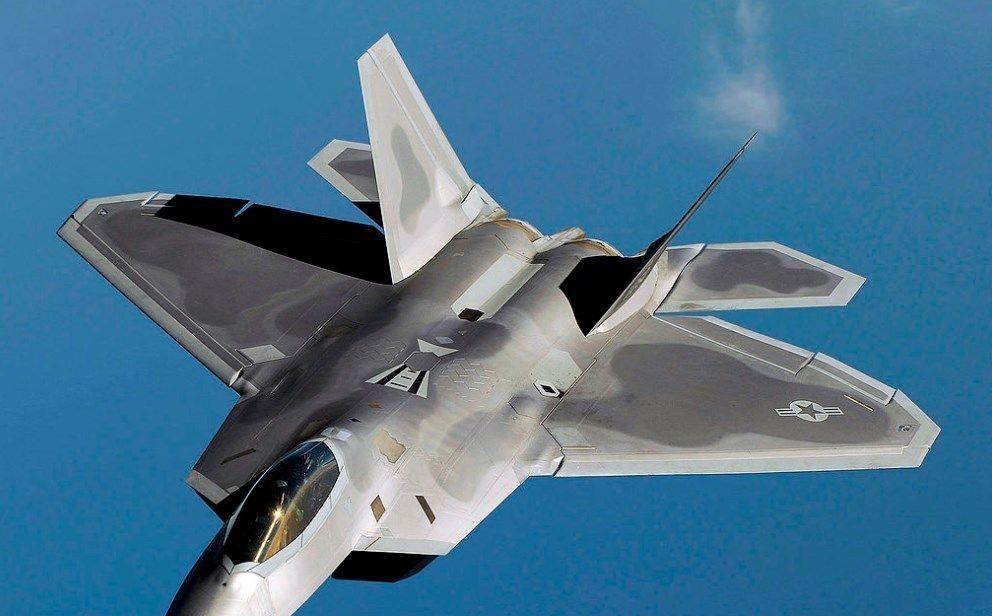
ade improvements based on it, resulting in the birth of the world's most advanced fighter at that time – the F-22. However, the collapse of the Soviet fifth-generation fighter program at that time meant that the United States remained the sole possessor of a fifth-generation fighter for a long time, providing unparalleled advantages for its global military expansion. As F-22 was initially develope
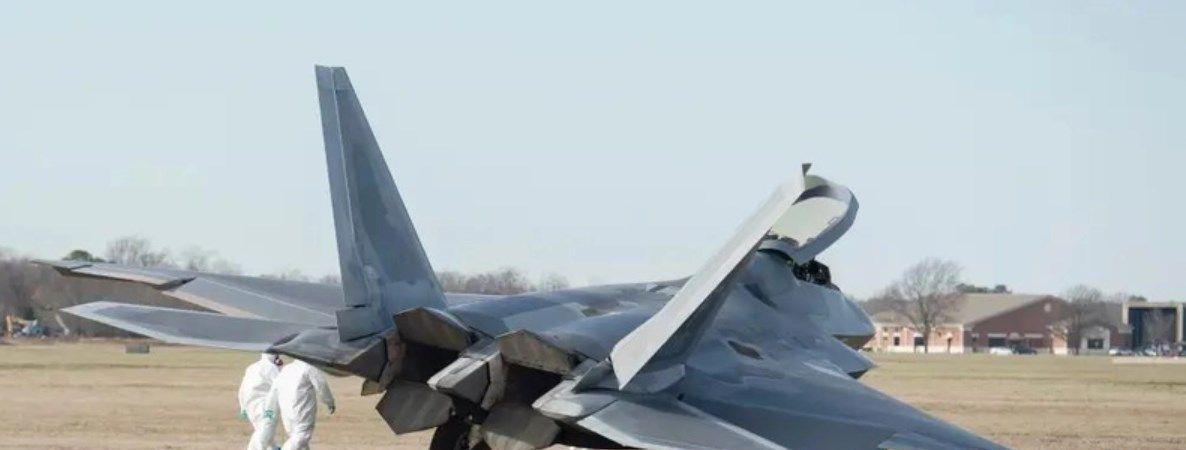
d to counter the Soviet Union, its production and service were delayed for a long time. After the F-22 entered service, it faced a series of problems, including defects in the oxygen system that caused pilots to lose consciousness, delayed avionics due to premature standardization, inability to share data links with other modern fighters, and the lack of distributed aperture systems, electro-opt
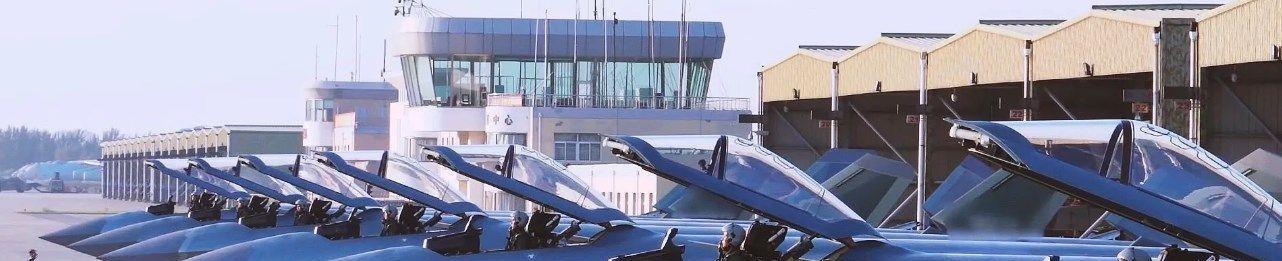
ical targeting systems, and helmet-mounted sights. These issues have all affected the performance of the F-22. However, the biggest problem for the F-22 is that it has already ceased production. Due to the loss of its main opponent after the collapse of the Soviet Union, the United States significantly reduced the production quantity of the F-22, resulting in a substantial increase in production c
osts. The unit procurement cost of a single F-22 surged from the initial $149 million to $412 million. With high maintenance costs, the F-22 was officially discontinued after only four years of service. The year following the F-22's official discontinuation, China unveiled its J-20. Although the J-20 initially faced some shortcomings, such as its use of foreign engines, China has made continuous e
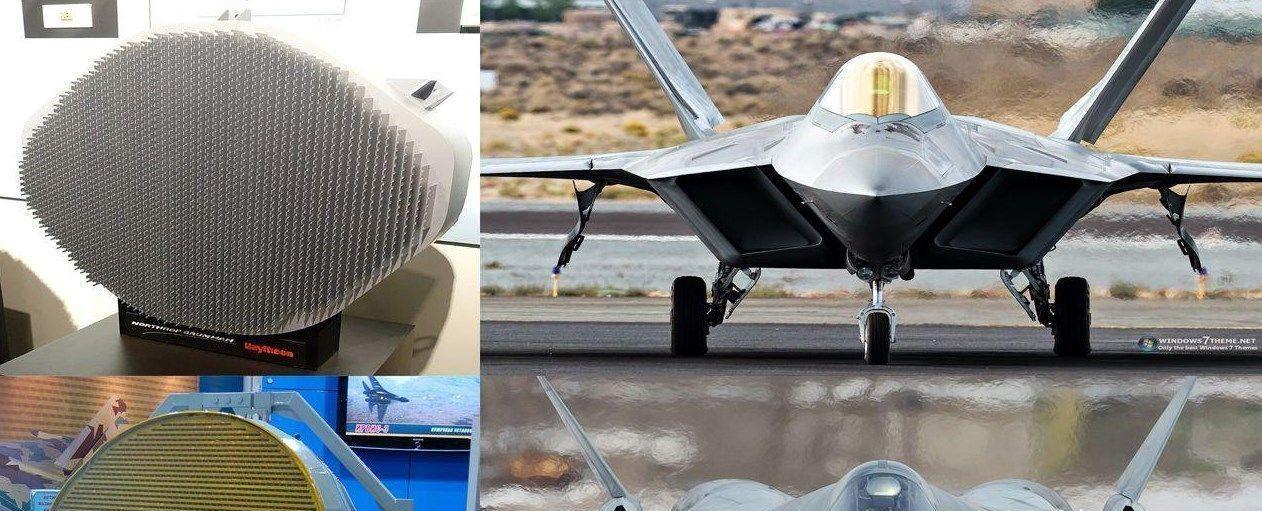
fforts to equip it with domestically produced engines and improve its performance. Moreover, the J-20 has advantages that the F-22 lacks. For instance, the J-20 is equipped with a distributed aperture system, which allows it to detect and track multiple targets simultaneously. It also features a sophisticated active electronically scanned array (AESA) radar, providing enhanced situational awaren
ess and target acquisition capabilities. Additionally, the J-20's stealth capabilities have been significantly improved through careful design choices, including the use of composite materials and advanced shaping techniques. These advancements have allowed the J-20 to close the gap with the F-22 in terms of performance and capabilities. In conclusion, while the F-22 Raptor was once a dominant f
orce, it now faces challenges in maintaining its superiority in an evolving global landscape. Its development and service were shaped by the circumstances of the Cold War, and it has struggled to adapt to the changing demands of modern warfare. On the other hand, China's J-20 has emerged as a formidable contender, continuously improving its performance and capabilities. The F-22's discontinuation,
coupled with the J-20's advancements, has further narrowed the gap between the two fighters. As the world of military aviation continues to evolve, it remains to be seen how the F-22 Raptor will fare in the face of ever-increasing competition.在航电设备方面,歼20拥有一系列先进的技术,使其具备了超过F22的能力。首先,歼20具备分布式孔径系统、光电瞄准系统和头盔式瞄准器,这些技术在F22中是没有的。这些设备可以提供更准确的目标定位和瞄准能力,增强了歼20的空中优势。此外,歼20还采用了先进的数字阵列相控阵雷达,具有更远的探测距离。
据报道,歼20的雷达探测距离达到了400公里,而F22仅为296公里。这意味着歼20可以更早地发现敌方战机,增强了其作战能力。除了航电设备,歼20还装备了霹雳-15超远程空空导弹,具有更远的射程。这一优势使得歼20能够在更远的距离内进行攻击,增加了其作战灵活性和威力。然而,F22在动力方面仍然领先,其搭载的F119发动机性能卓越,提供了更强大的推力和机动性。这使得F22在空战中可以更灵活地应对各种情况,保持较高的作战效能。尽管F22在动力方面领先,但它已经停产,而歼20的产量却在不断增加。这使得歼20在数量上逐渐迎头赶上F22。根据最新的报道,截至2020年底,中国空军已经拥有了约20架歼20战机,并计划在未来几年继续增加产量。相比之下,F22的总产量仅为195架。这意味着F22面临着日益增大的竞争压力,特别是来自中国的歼20。
在这个竞争激烈的时刻,国际社会将密切关注这两款战机之间的竞争,以及它们在未来的军事格局中所扮演的角色。歼20的不断进步和数量的迅速增加,使其成为F22之外的一个重要因素。这两款战机都代表了各自国家在航空技术上的最高水平,其竞争将对未来的军事平衡产生重大影响。因此,无论是在技术发展还是在战略规划方面,F22都面临着严峻的挑战。