答案在 The Economist August 27th 2022 Science & technology “ Genetically modified crops and photosynthesis --- Light and shade ” 这篇文章首段可以找到。

The Economist August 27th 2022 Science & technology
查字典

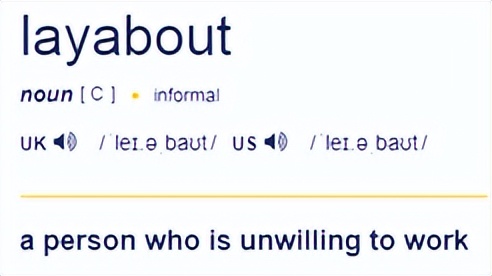
layabout n. 游手好闲的人,懒汉,二流子,懒惰者,闲人
同义词:idler, lounger, piker [ Australian , New Zealand , slang ], shirker

翻译下这段吧
Plants are layabouts , and as such easily underestimated. They seem simply to sit there, growing or dying according to the roll of the meteorological dice, the appetites of herbivores, the caprice of pests and the skill (if they are cultivars) of their attendant farmers and gardeners. But their passivity is superficial. On the inside, plants are endlessly active. Their sedentary way of life requires it. They must continually adapt in their biochemical processes to changes from which animals can simply run, swim, slither or fly away.
植物是“游手好闲的人”,因此很容易被人们看低。它们似乎只是坐在那里,根据气象*子骰**的滚动、食草动物的胃口、害虫的反复无常以及其随从的农民和园丁的技能(如果它们是栽培品种的话)生长或死亡。虽然植物表面上很被动,但在内部,它们无限活跃。因为它们定栖的生活方式需要活跃,它们必须在其生化过程中不断地适应变化,而动物在应对这些变化时可以简单地奔跑、游泳、滑行或飞走。
任何译文没有标准答案,此译文未经推敲深究,仅供参考,欢迎评论、点赞、收藏、私信、转发,谢谢!