从本杰明富兰克林的实际每日工作安排中抽出10个技巧,这将使你的工作效率翻倍
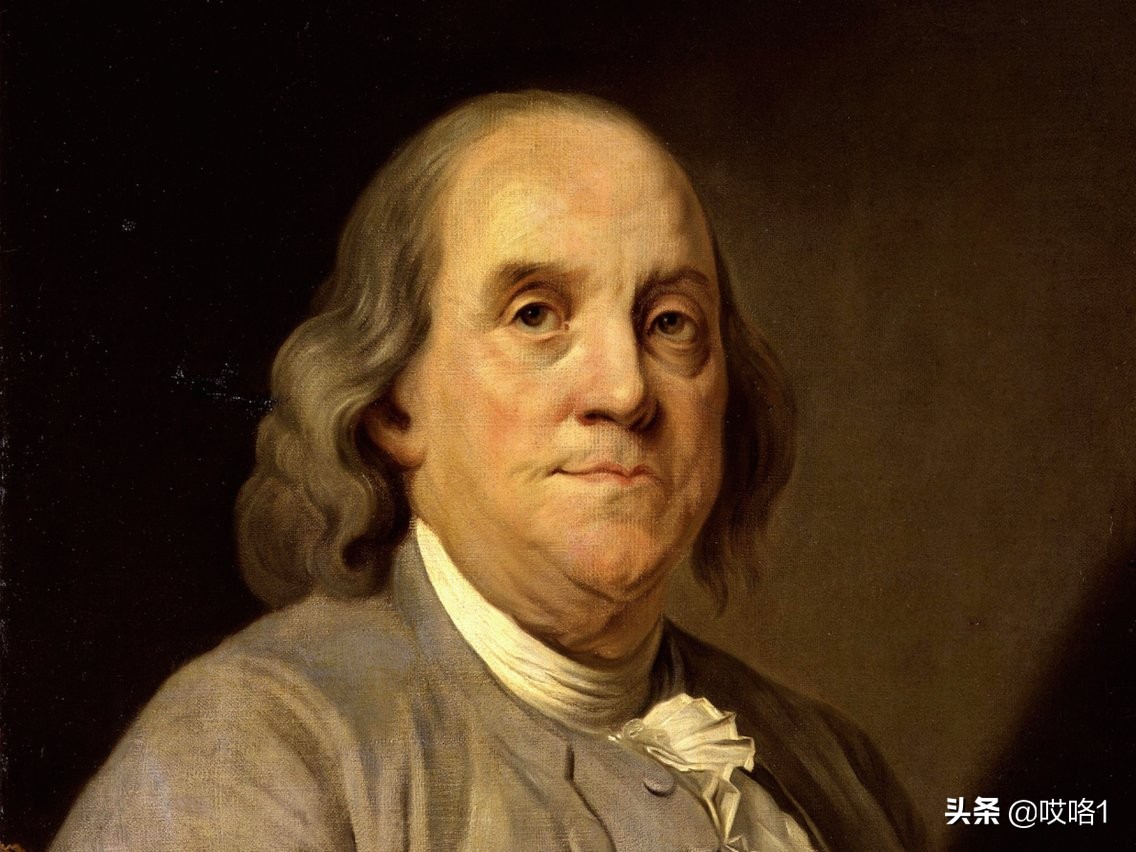
本杰明 富兰克林
本杰明 富兰克林是美国最为人知晓的开国元勋之一,也是美国革命时重要的领导人之一,参与了多项重要文件的草拟,并曾出任美国驻法国大使,成功取得法国支持美国独立。
本杰明富兰克林曾经进行多项关于电的实验,并且发明了避雷针、双焦点眼镜,蛙鞋等等。
本杰明富兰克林建立了许多民间组织,是共济会的成员,包括宾夕法尼亚大学等,被选为英国皇家学会院士,他亦是美国首任邮政总长。他还在物理学和人口研究方面做出了重大发现,写了畅销书,创作了音乐,并用高水平演奏了小提琴、竖琴和吉他等。
鉴于富兰克林每天都是同样的24小时来完成工作,他是如何比同时代的人获取得更多的成就?
这个问题的答案在于富兰克林每日的日程安排。以下是它的工作原理,其中包括10个课程。
首先,创建一个价值观列表
富兰克林在遵循他的每日日程安排当中,形成了一系列的关于生活修行方面的美德。
他把这些称为他的13个优点:成为了帮助并指导他的日常行为安排的价值观。
这是本杰明富兰克林的13个美德列表:
1.节制:饮食不过饱,饮酒不过量。
Temperance: Eat not to dullness and drink not to elevation.
2.缄默:避免轻微无用的谈话,除非是有益于他人或是你自己。
Silence: Speak not but what may benefit others or yourself. Avoid trifling conversation.
3.秩序:放东西的地方,做事情的时间要心中有数
Order: Let all your things have their places. Let each part of your business have its time.
4.决心:该做的一定要做,做就要做好
Resolution: Resolve to perform what you ought. Perform without fail what you resolve.
5.节俭:对人或对己有益才可用钱,决不浪费
Frugality: Make no expense but to do good to others or yourself: i.e. Waste nothing.
6.勤奋:不要浪费时间,做有益之事,避免做一些毫无意义的事情。
Industry: Lose no time. Be always employed in something useful. Cut off all unnecessary actions.
7.诚实:不要去欺骗别人,要有良知,为人厚道,说话真诚。
Sincerity: Use no hurtful deceit. Think innocently and justly; and, if you speak, speak accordingly.
8.正义:不做不利于人的事,不逃避自己的义务。
Justice: Wrong none, by doing injuries or omitting the benefits that are your duty.
9.适度:避免走极端,承受并容忍别人给你的伤害。
Moderation: Avoid extremes. Forebear resenting injuries so much as you think they deserve.
10.整洁:保持身体、衣服和住所的整洁。
Cleanliness: Tolerate no uncleanness in body, clothes or habitation.
11.节欲:少*房行**事,除非考虑到身体健康或者延续子嗣;不要房事过度,伤害身体或者损害自己或他人的安宁与名誉。
Chastity: Rarely use venery but for health or offspring; Never to dullness, weakness, or the injury of your own or another's peace or reputation.
12.冷静:不因小事,寻常之事,不可避免之事而慌乱。
Tranquility: Be not disturbed at trifles, or at accidents common or unavoidable.
13.谦逊:效法耶酥和苏格拉底。
Humility: Imitate Jesus and Socrates.
富兰克林把每一种美德都按重要性的顺序排列,他的计划是:“最好还是在一个时期内集中精力掌握其中的一种美德。当我掌握了一种美德后,接着就开始注意另外一种,这样下去,直到我掌握了十三种为止。因为先获得的一些美德可以便利其他美德的培养”。
每天,富兰克林都会在一本小册子上追踪自己在一个美德上的进展。而这本小册子为每个美德都分配了一页,到了晚上,如果他犯了错误,他会在美德旁边打上记号。
在每周结束时,富兰克林将审查自己对这项美德所犯下的错误次数,如果没有犯下任何错误,他会转而养成下一个美德的习惯。
富兰克林通过创建一系列的价值观来建立一个坚实的基础,建立与他们保持一致的日常计划,并将他的时间和精力指向正确的方向。
本杰明富兰克林的每日安排

本富兰克林能够取得如此大的成就,因为他使用了非常严格的时间表
“你可能会拖延,但时间不会。” 在本杰明 富兰克林的自传中,为了达到最高的工作效率,他简单的把他的日常安排表分解了开来。
下面是富兰克林每日计划中的10个最重要的工作效率课程:
1.保持简单 Keep it simple
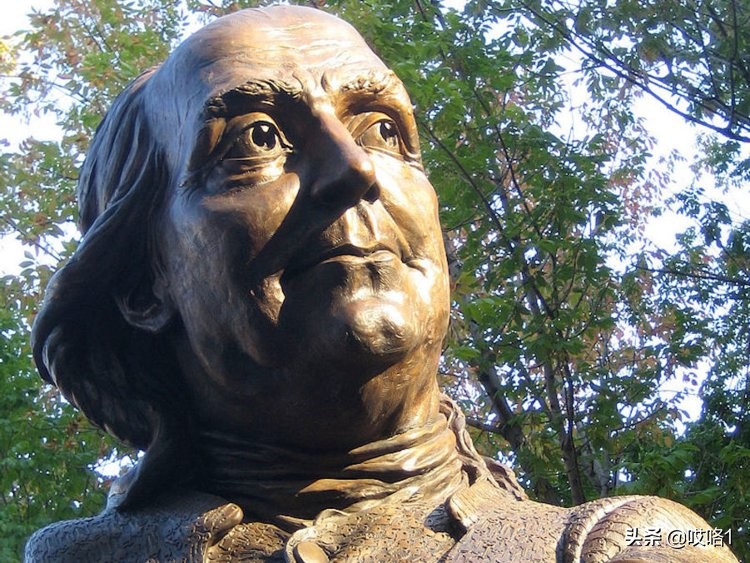
The first thing to note about Franklin's daily schedule is its simplicity.
关于富兰克林每日的日程安排表,首先是它的简洁性。
There are only six time blocks scheduled for each day, and one of these blocks includes sleep — an obvious necessity.
每天只安排了六个时间段,其中一个时间段包括睡眠,这显然是必要的。
There's no overwhelming to-do list of things to get done. It's simple, ruthlessly focused on the essential, and highly effective.
没有压倒性的待办事项列表,只是简单的,无情的集中专注在那些必要的和高效的事情上。
It's easy to underestimate the power of simplicity, even though it's the hidden driving force behind peak productivity.
人们有时候很容易低估简单的力量,尽管它是峰值生产力背后隐藏的驱动力。
2.每天在同一时间上床睡觉 Go to bed and wake up at the same time each day

One of Franklin's most popular mantras was "early to bed and early to rise makes a man healthy, wealthy, and wise,"and according to this schedule, he definitely lived up to it.
富兰克林最流行的祷文之一是“早睡早起,使人健康、富有、聪明”,根据这个时间表,他肯定做到了。
Each day, Franklin woke up early at 5 a.m. and went to bed at 10 p.m, for a total of seven hours of sleep each night.
富兰克林每天凌晨5点起床,晚上10点睡觉,每晚睡7个小时。
It's important to note however, that what matters most isn't the time you go to bed or wake up, it's the consistency of your sleep schedule.
但要注意的是,最重要的不是你睡觉或醒来的时间,而是你睡眠时间的一致性。
By going to bed and waking up at the same time each day, you'll train your brain to fall asleep faster and improve the quality of your sleep.
通过每天在同一时间睡觉和醒来,你将训练你的大脑更快地入睡并提高你的睡眠质量。
3.独自度过安静的时光 Spend quiet time alone

Shortly after waking up, Franklin would take a shower and then "address Powerfull Goodness." In other words, he'd spend some time in prayer or meditation.
每天醒来后不久,富兰克林会冲个澡,然后“向上帝致意”,换句话说,他会花一些时间祈祷或冥想。This daily habit of solitude gave Franklin the much needed clarity and focus to plan the day, and follow through on his plans.
这种每天独处的习惯给了富兰克林非常清晰的思维来专注一天的日程安排,并贯彻他的计划。
4.设定当天的意图和计划 Set your intention and plan for the day

Each morning, before going to work, Franklin would set his intention for the day with an important question: What good shall I do this day?
每天早上,在上班之前,富兰克林都会提出一个重要的问题:今天我该做些什么?
Then he'd pick a virtue to focus on, and begin to "contrive day's business, and take the resolution of the day" i.e. to plan his day.
然后他会选择一个值得关注的美德,开始“谋划这一天的工作,并在这一天里坚决的完成它”,也就是计划他的一天。
Setting an intention and creating a plan of action each morning, ensures that you stay focused on your most important task and avoid getting easily distracted by the minutia, and other people during the day.
每天早上设定一个目标并制定一个行动计划,确保你专注于你最重要的任务,避免在一天中容易被细节和其他人分心。
5.专心学习时间 Dedicate time to learning

In Franklin's daily schedule, he sets aside some time to "prosecute the present study," which means he'd spend time on an independent personal project separate from work.
在富兰克林的日常日程安排中,他留出了一些时间“进行研究”,这意味着他将把时间花在独立于工作的个人项目上。
Most likely, this would've been time spent reading either books or papers.
最有可能的是,这会是花在阅读书籍或论文上的时间。
Alternatively, you could spend this time learning a language, playing an instrument or on your hobbies.
或者,你可以把这段时间花在学习一门语言、演奏一种乐器或你的爱好上。
6.为深度和浅层工作创建时间块 Create time blocks for deep and shallow work

To plan his day, Franklin created time blocks to manage his time effectively and protect his day from unexpected interruptions.
为了计划自己的一天,富兰克林创建了时间块来有效地管理自己的时间,并保护自己的一天免受意外的干扰。
Specifically, Franklin allocated two four-hour time blocks — from 8 a.m. till 12 p.m., and from 2 p.m. till 6 p.m. — for deep work and uninterrupted focus on his most important tasks.
具体来说,富兰克林分配了两个四小时的时间段——从上午8点到下午12点,从下午2点到下午6点——用于深入工作,不间断地专注于他最重要的任务。
Likewise, Franklin allocated a two-hour time block — from 12 a.m. till 2 p.m. — for lunch and shallow work i.e. reviewing his finances.
同样,富兰克林分配了一个两小时的时间段 - 从早上12点到下午2点 - 用于午餐和浅层工作,即审查他的财务状况。
By creating time blocks in this manner, Franklin finished his most important tasks for the day, when he had the most energy to do so.
通过这种方式创建时间块,富兰克林在他一天当中最有精力的时刻完成了他那一天最重要的任务。
7.下班后把事情整理好 Put things back in order after work

After a long tiring day at work, it's easy to walk away from our work space and leave things in a disorderly manner, only to return back the next morning to clean it up before getting back to work.
经过漫长疲惫的一天工作后,很容易离开我们的工作空间,并且会没有心思整理工作台面,只有在第二天早上回到岗位时才来清理它。
To avoid this problem, Franklin made sure to clean up his work space and put things back in order before leaving the office each day.
为了避免这个问题,富兰克林每天离开办公室前一定要清理好自己的工作台面,并把事情整理好。
This ensured that Franklin had enough willpower each morning, to tackle the tedious tasks in the long day ahead.
这确保了富兰克林每天早上都有足够的意志力来应对未来漫长的一天中的繁琐任务。
8.休息时间 Schedule downtime


After work each day, Franklin would clean up his work space, eat dinner, and spend the rest of the evening relaxing: listening to music and catching up with his friends.
每天下班后,富兰克林会清理他的工作空间,吃晚餐,并在晚上休息放松:听音乐和跟朋友聊天。
Downtime isn't a waste of time. It's a powerful productivity tool for re-energizing the brain and body, in preparation for the challenges of the next day.
休息不是浪费时间。它是一种强大的生产力工具,可以为大脑和身体恢复活力,为第二天的挑战做好准备。
9. 在晚上的时候反思下你的一天 Reflect on your day in the evenings

Just before going to bed, Franklin would reflect on his day and ask himself an important question: What good have I done today?
就在睡觉前,富兰克林会反思他的一天并问自己一个重要的问题:我今天做了什么好事?
After noting down what went well, and what didn't go so well during the day, Franklin would look to change and improve his daily schedule.
然后在记录下这一天什么进展顺利,什么进展不顺利,富兰克林的目的是寻求改变和改善他的日常日程安排。
Likewise, an evening audit of your daily productivity will help you to uncover time-wasting activities that drain your energy, and improve your daily schedule for better productivity.
同样,对你的日常工作效率进行晚间反省,也将帮助你发现浪费你的精力和时间的活动,并改善你的日常工作计划,提高工作效率。
10.不要追求完美 Don’t aim for perfection

In the book Daily Rituals: How Artists Work (Audiobook), Currey explains that Franklin himself struggled to stick to his daily schedule,
在《每日仪式:艺术家如何工作》(有声读物)一书中,库里解释说,富兰克林本人也很难坚持自己的日常日程安排。
"He was not naturally inclined to keep his papers and other possessions organized, and he found the effort so vexing that he almost quit in frustration. Moreover, the demands of his printing business meant that he couldn't always follow the exacting daily timetable that he set for himself."
“他自然不想把文件和其他财产整理好,他觉得这一努力太令人恼火了,几乎在挫折中放弃了。此外,印刷业的需求意味着他不能总是按照自己设定的严格的每日时间表行事。”
What matters most isn't perfectionism, it's improvement. As Franklin emphasized, "I was surprised to find myself so much fuller of faults than I had imagined; but I had the satisfaction of seeing them diminish."
最重要的不是完美主义,而是进步。正如富兰克林所强调的,“我很惊讶地发现自己的缺点比我想象的要多得多,但我看到这些缺点越来越少而感到满足。”
Celebrate your small wins and avoid beating yourself up when you fall short of your plans, because at the end of the day, it's the effort that really counts.
庆祝你的小胜利,避免在你不符合计划时打败自己,因为在一天结束时,真正重要的是努力。
Failing to plan is planning to fail 计划的失败就是计划失败
Benjamin Franklin's daily schedule is a simple, highly effective template for improving your productivity.
本杰明富兰克林的日程安排是一个简单,高效的模板,可以提高您的工作效率。
Even though it was created over 300 years ago, it contains timeless principles that will help you to avoid the distractions of the modern world, and stay focused on your most important tasks.
即使它创建于300多年前,它也包含永恒的原则,可以帮助您避免现代世界的干扰,并专注于您最重要的任务。
Tweak and experiment with Franklin's daily schedule to find what works best for you, but remember in the words of Benjamin Franklin, what matters most isn't the contents of the plan, it's the decision to make a plan in the first place: "If you fail to plan, you are planning to fail!"
调整和试验富兰克林的日程安排,找出最适合你的工作,但记住用本杰明富兰克林的话来说,最重要的不是计划的内容,而是首先制定计划的决定:“如果你没有计划,你就是计划失败!”
图片源于网络,如有侵权请告知删除