G7全球大视野
带你了解最新的
国外热门事件、产品、动态、资讯
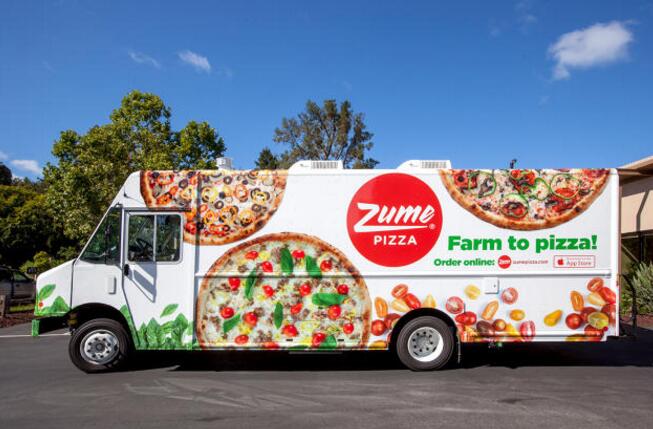
This Robo Pizza Company Bakes Your Pie As It Drives To Your House
点披萨?这家公司为您边制作,边配送!!
它的外观虽然跟老式卡车差不多,但它却是世界上最强大的四轮披萨制作机,装载了56个独立、并配备了机器学习算法和GPS技术的烤箱。接到订单后,相应披萨所在的烤箱会自动启动,开始烤披萨,以确保披萨在卡车驶入车道的时候就能新鲜出炉。
Zume由Zynga和微软的前员工Alex Garden和Danny Meyer亲自培训的餐厅老板Julia Collins共同创立,他们的披萨不仅是无添加、计算机优化的,而且在配送/烘焙的全过程,都是由机器人协助完成的。
当Zume每天上午11点开始营业时,算法已经预测好应该预先准备哪些披萨订单。披萨客户都有自己习以为常的口味,所以通常每次都会订相同的配料。而且Zume为了进一步推动其预测模型,还专门为了消除预测的特异性而设计菜单。
https://www.fastcodesign.com/3067973/this-robo-pizza-company-bakes-your-pie-as-it-drives-to-your-house
From the outside, it doesn’t look very different from any old food truck you know. But inside, it’s the world’s most powerful pizza-making machine on four wheels, custom-built like the Batmobile’s corpulent cousin, loaded with 56 separate ovens all coordinated with machine-learning algorithms and GPS. When it's four minutes out from its next delivery, the oven that contains the corresponding pizza fires up automatically, baking the pie so it's fresh the very moment the truck pulls into the driveway.
Founded by Zynga and Microsoft alum Alex Garden and Danny Meyer-trained restaurateur Julia Collins, Zume is how you might imagine Domino’s in 2027. Zume's pizza is not only no-additive, computer-optimized, and baked en-route to your house, it's also made with robot assistance.
When Zume opens for business at 11 a.m. each day, an algorithm has already predicted what pizza orders should be pre-prepared. Pizza customers are incredibly habitual, often ordering the same toppings every week, but Zume pushes its predictive model further by designing a menu that eliminates the specificity of those predictions.
https://www.fastcodesign.com/3067973/this-robo-pizza-company-bakes-your-pie-as-it-drives-to-your-house
Supply chain trends trucking needs to watch
卡车公司需要注意的供应链行业趋势 请点击此处输入图片描述
Syncron公司的首席营销官Gary Brooks认为,2017年有几个主要的供应链趋势将对卡车行业产生持久的影响。Syncron是一家基于云端的售后服务优化公司。”随着技术的进步、需求的转变,供应链正处于历史上最具破坏性的时期;而卡车运输正是会大规模感受这些变化的行业。
1. 售后类别增长正在改变零件需求。
由于耐用品订单继续下滑(新订单于去年11月下降了近5%),制造商将寻求除了新产品销售以外的盈利机会,如售后服务。为了确保服务部件的库存水平是“最优的”(不是太多,而不是太少),对于能确保部件的库存量和分拣按时进行的解决方案的需求只会不断增长。
2. 无人驾驶车辆将重塑性能和工作机会。
无人驾驶卡车提供了许多显著的安全效益。无人驾驶车辆预计可以将交通死亡率降低达90%,同时还可以为关键功能(如交付和车辆功能)提供实时增强的数据。这将使行业更有效率;但另一方面,随着无人趋势的增长,许多工作将要下线。
3. 车辆连接行更强。
有了诸如车内WiFi、电子引擎和仪表板媒体中心等选项,所有车辆(包括卡车)都在物联网(IoT)的趋势下改革。这些所有的数据将让生产商和卡车公司以全新的方式获得信息和优化车辆车队的性能。
http://fleetowner.com/fleet-management/supply-chain-trends-trucking-needs-watch?clkthru=ba44049b624693653de170114cb71743&spvc=42&NL=FO-01&Issue=FO-01_20170214_FO-01_474&sfvc4enews=42&cl=article_1&utm_rid=CPENT000003666650&utm_campaign=9969&utm_medium=email&elq2=b90f17a3cac64bc8abeaea70ffb0d487
Gary Brooks, chief marketing officer for Syncron – a cloud-based aftermarket “service optimization” firm – believes there are several major supply chain trends that are going to create lasting impact on the trucking industry in 2017. “With enhanced technology, as well as shifts in demand, the supply chain is in one of the most disruptive periods ever; and trucking is one industry that is feeling these changes in a big way.”
1. After-sales category growth is shifting parts demand.
As durable goods orders continue to slip (new orders dropped nearly 5% as recently as November last year) manufacturers will look to optimize revenue opportunities outside of new product sales, such as after-sales service. To ensure service part inventory levels are “optimal” (not too much, and not too little) the need for solutions to ensure parts are in stock and distribution is on schedule will only grow.
2. Driverless vehicles will reshape both performance and jobs
Driverless trucks also offer a number of serious safety benefits. It’s projected that driverless vehicles overall can reduce traffic fatalities by up to 90%, while also providing enhanced data in real time on critical functions like deliveries and vehicle functionality. This will make the industry more efficient; but the flip side is that many jobs will be on the line as the driverless trend grows.
3. Vehicles are becoming more connected.
With options like in-cabin WiFi connectivity, electronic engines and in-dash media centers, all vehicles – including trucks – are moving under the Internet of Things [IoT] umbrella. All that data will allow manufacturers and trucking companies to tap into information and optimize vehicle and fleet performance in a whole new way.
http://fleetowner.com/fleet-management/supply-chain-trends-trucking-needs-watch?clkthru=ba44049b624693653de170114cb71743&spvc=42&NL=FO-01&Issue=FO-01_20170214_FO-01_474&sfvc4enews=42&cl=article_1&utm_rid=CPENT000003666650&utm_campaign=9969&utm_medium=email&elq2=b90f17a3cac64bc8abeaea70ffb0d487