
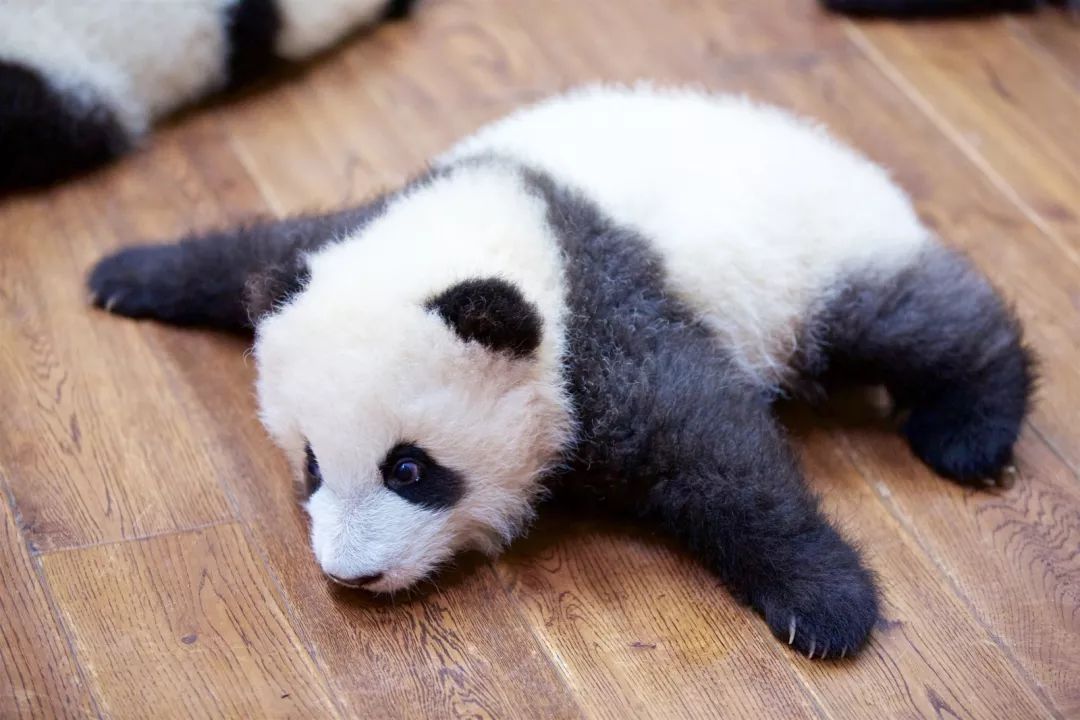
The globally famous giant panda, China’s national treasure, has a cute look with a chubby body, black and white fur and dark circles around its eyes, making itself the most loved animal in the world.
说起中国的“国宝”大熊猫,
那可是在全世界都响当当的:
黑白相间的皮毛、
永远也睡不醒的“黑眼圈”
和它那憨态可掬的样子,
都让人无法抗拒这个可爱的、
毛茸茸的大家伙。
In China, the giant panda gets a nickname of "Gungun" (which means somersaulting in Chinese) because it likes somersaulting on the ground. Well, as so many people are obsessed with "Gungun", let's talk about this black and white bear.
因为大熊猫喜欢在地上打滚,
大家给它起了个
十分可爱的昵称——“滚滚”。
既然“滚滚”这么惹人爱,
今天我们就来聊聊它的前世今生吧。
The biological evolution of "Gungun"
“滚滚”是怎样进化而来的?
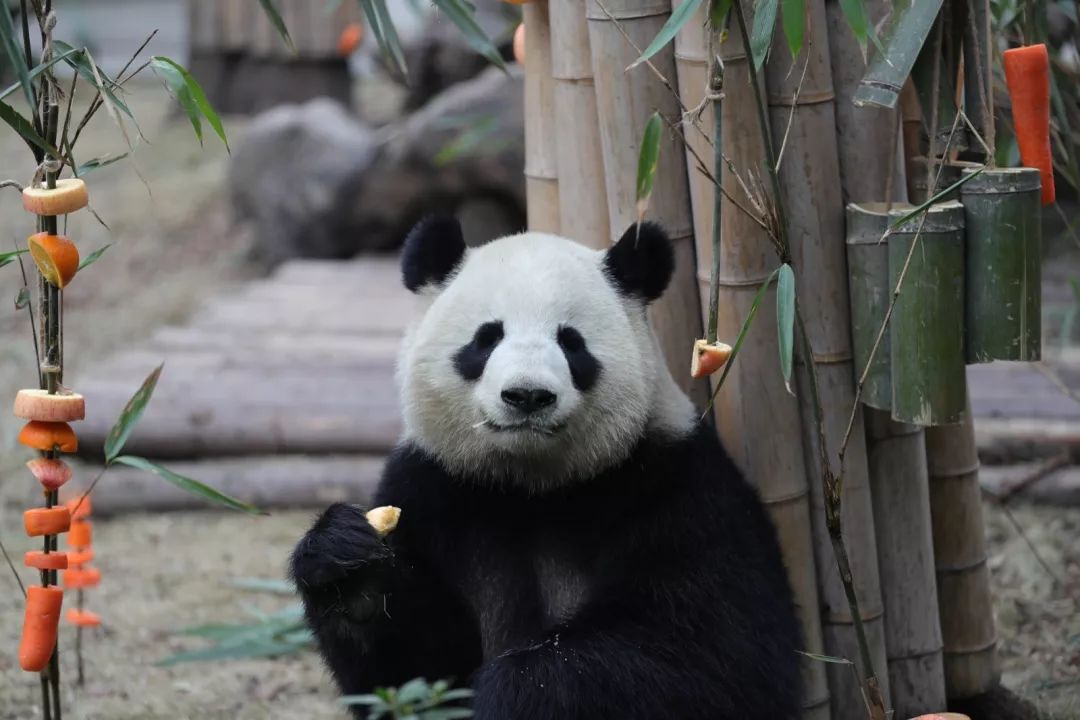
Deemed as the "living fossil", the gaint panda has its origin dating back to 8 million years ago, when it was called ailuaractos lufengensis, the earliest ancestor of the modern panda. Ailuaractos lufengensis evolved from quasi bears, looking like a fat fox and eating meat as the staples.
大熊猫可谓是真正的“活化石”,
早在距今800多万年前
就已生活在地球上了,
那时它们叫始熊猫,
是现代大熊猫的祖先。
这是一种由拟熊类演变而成的、
以食肉为主的、最早的熊猫,
个体犹如一只肥胖的狐狸。
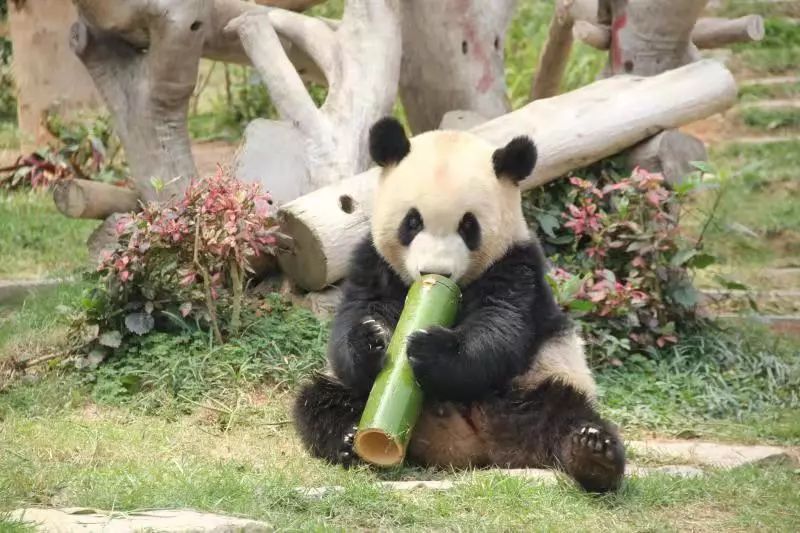
Ailuaractos lufengensis generally lived in central and southern parts of the current China and continued its evolution. One species among the classification, called ailuropoda microta, appeared about 3 million years ago with the size half of the modern giant panda, looking like a fat dog. Experts estimated, based on the evidence by the fossils of its teeth, that the species had evolved into an omnivorous animal eating bamboo. It got used to living in bamboo forests in sub-tropical areas and became bigger in size, entering the peak time of the species about 500,000 to 700,000 years ago.
始熊猫的主支分布在
相当于现在中国的中部与南部地区,
并继续演化为大熊猫类,
其中一种叫小型大熊猫,
在距今约300万年前的时候出现,
体型只有现在大熊猫的一半大,
看上去像一只胖胖的狗,
其化石被定名为大熊猫的小种。
从它们的化石牙齿推测,
小型大熊猫已进化为
兼食竹类的杂食兽。
其后它们进一步
适应了亚热带竹林生活,
体型逐渐增大,
并在距今50~70万年时达到了鼎盛期。
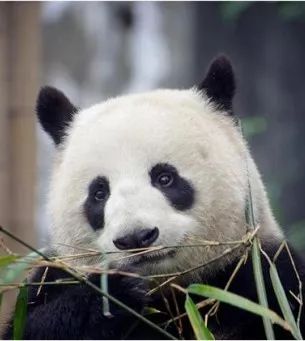
Chinese people have long known the existence of the giant panda, which was recorded in legends and literature as early as over two thousand years ago. However, the official recognition and classification of the animal was about 150 years ago.
中国人对大熊猫的认识由来已久,
早在文字产生初期
就记载了大熊猫的各种称谓。
《书经》称其为貔,
《峨眉山志》称貔貅,
《兽经》称貉,
而李时珍的《本草纲目》则称貘等等。
而正式地发现并定义这一物种,
则要等到19世纪中期了。
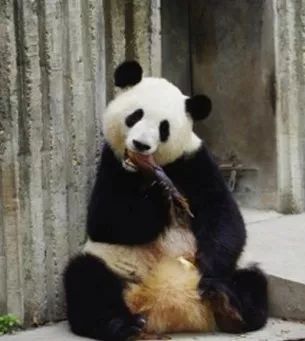
In March, 1869, French botanist and zoologist Armand David found the trace of what local people called "white bear" or "spotted bear" during his scientific exploration in Baoxing County in southwestern China's Sichuan Province. With the help of local hunters, Armand collected a complete sample of the "white bear" on Apr.1 — an animal similar to bear with white and black fur and hairy soles. That was a strange creature he had never seen before.
1869年3月,
法国动植物学家
阿尔芒•戴维德(Armand David)
在中国四川雅安宝兴县的
邓池沟(穆坪)教堂附近科学考察时,
发现了被当地人称为
“白熊、花熊”的踪迹。
通过当地猎人的帮助,
1869年4月1日
他采集到了“白熊”标本:
毛色有黑有白,
脚掌底部多毛,
样子像熊。
这是他从未见过的奇异动物。
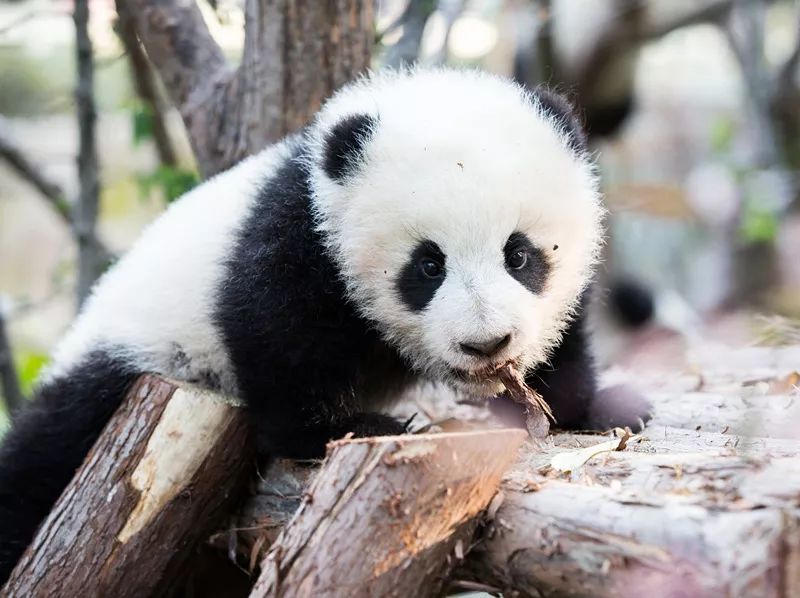
So Armand sent the sample to France for further identification. Being identified by Alphonse Milne-Edwards, scientist of Muséum national d'histoire naturelle (National Museum of Natural History), the "white and black bear" was defined as a new species and named "panda". Hence, the giant panda entered human's vision. It happens that the year of 2019 is the 150th anniversary of the "discovery" of the species. People add "giant" before panda in order to distinguish it from the red panda, another animal similar to raccoon.
阿尔芒将采集到的标本
和骨骼送到法国,
经巴黎自然历史博物馆科学家
阿方索•米奈•爱德华
(Alphonse Milne-Edwards)鉴定,
认为“黑白熊”是一个新物种,
定名为猫熊,
鉴定报告发表在1869年
《巴黎自然历史博物馆之新文档》第五卷。
从此,
隐居荒野的大猫熊
开始进入人类的视野,
2019年
正好是发现大熊猫150周年。
About the life of "Gungun"
为什么要叫它熊猫?
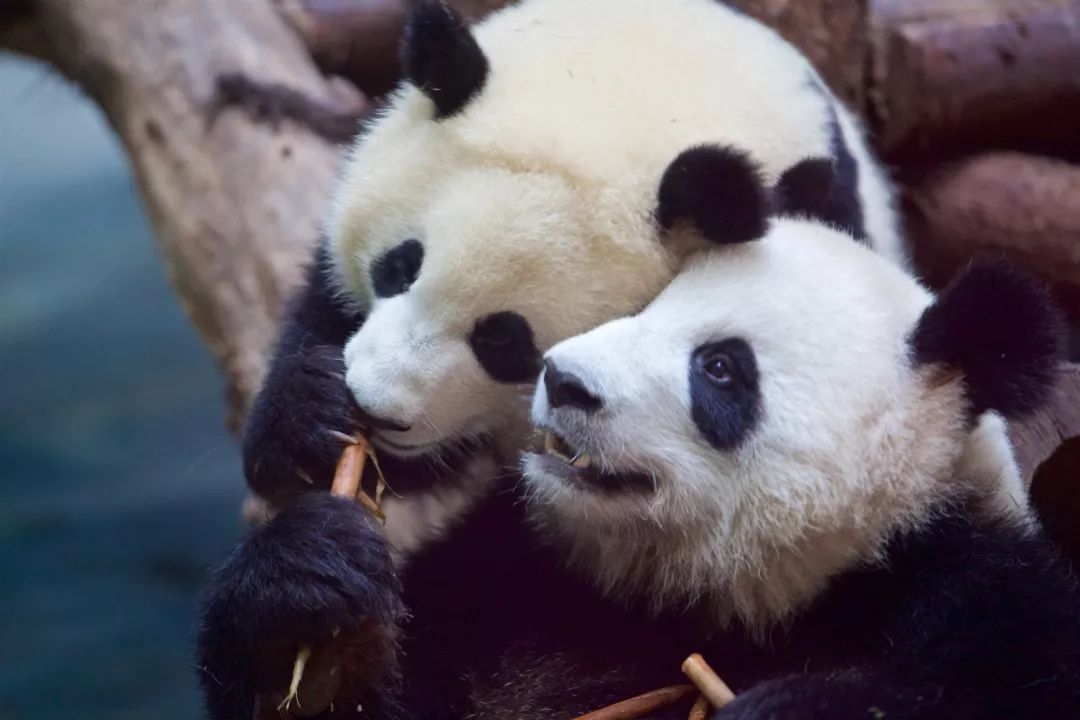
The major habitat of giant pandas is located in mountainous areas around China's Sichuan Basin in Sichuan Province and Qinling Mountains in the south of Shaanxi Province. As a result of habitat loss and human's hunting, "Gungun" became an endangered species and its number slumped. Realizing the importance and urgency of protecting giant pandas, China has devoted a lot of human resources and capital to the conservation and research of the species, such as wild giant panda rescue, habitat protection and artificial captivity, contributing to great recovery of the endangered species.
大熊猫的近代名称,
最初叫“猫熊”或“大猫熊”,
意思是它的脸型像猫那样圆胖,
但体型又像熊。
由于在上世纪50年代前,
中文的书写方式是直书,
阅读顺序是从右到左,
而改为横书后阅读顺序
则变成了从左到右。
据说,
1939年四川北碚博物馆在展出时,
说明标题采用横书书写,
名“猫熊”,
而当时的参观者习惯了
直书从右到左的阅读顺序,
所以将“猫熊”误认成了“熊猫”。
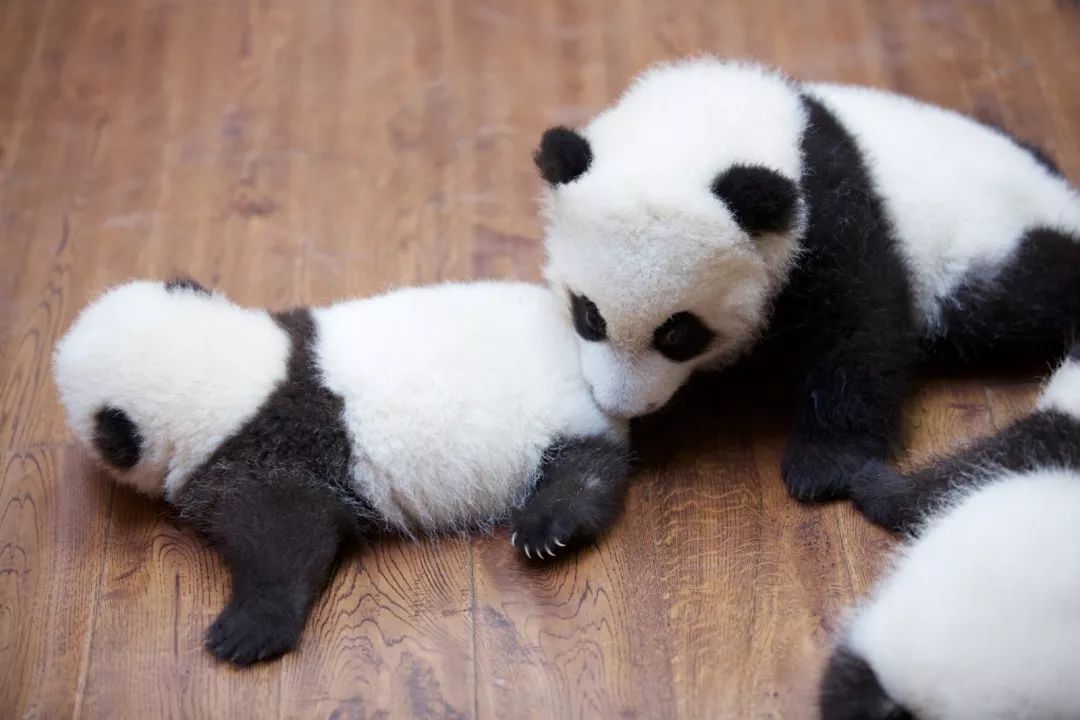
According to incomplete statistics, the number of wild pandas reached about 2,000 globally by the end of 2016; and by the end of 2019, the number of global captive pandas is 600. A positive signal of the protection of the species is that the International Union for Conservation of Nature (IUCN) reclassified giant panda from "endangered" to "vulnerable" at the end of 2016.
从那以后,
四川地区的人们就习惯将
“猫熊”叫做“熊猫”,
久而久之其它地区的人们
也习惯叫它“熊猫”了。
而之所以叫“大熊猫”,
是为了与另一种形似浣熊的动物
——小熊猫进行区分。
“滚滚”们现在生活得怎么样?
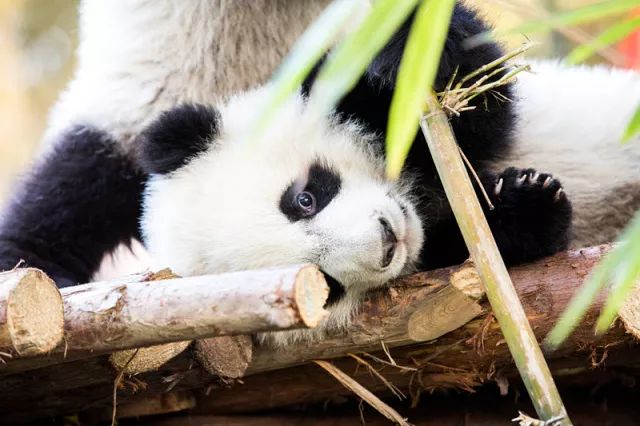
大熊猫现存的主要栖息地,
是中国四川盆地周边的山区
和陕西南部的秦岭地区。
由于栖息地被破坏以及人类的大量捕杀,
“滚滚”一度成为濒危动物,
种群数量不断减少,
保护大熊猫迫在眉睫。
在认识到保护大熊猫的重要性和迫切性后,
中国在过去的数十年间
投入了大量人力、物力
开展大熊猫保护与研究工作,
从野外救助、栖息地保护、
人工圈养等多方面入手,
使这一濒危种群得到了极大恢复。
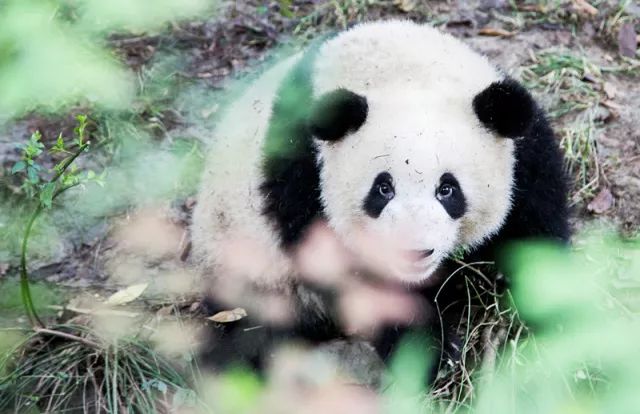
据不完全统计,
到2016年末,
全世界野生大熊猫数量
大约为2000只;
到2019年底,
全球圈养大熊猫种群数量达到了600只。
2016年末,
世界自然保护联盟(IUCN)
将大熊猫的受威胁等级
从“濒危级”降为“易危级”。
野生大熊猫生活在大山里,
想要一睹它们的风采实属不易。
不过不要担心,
我们推荐给大家几处
可以欣赏大熊猫的地方。
如果你想去看看可爱的“滚滚”,
千万不要错过啦~
While it's very hard to see wild giant pandas since most of them live in deep mountains, there are places for you to appreciate the adorable animals:
Chengdu Research Base of Giant Panda Breeding (the Panda Base)
成都大熊猫繁育研究基地
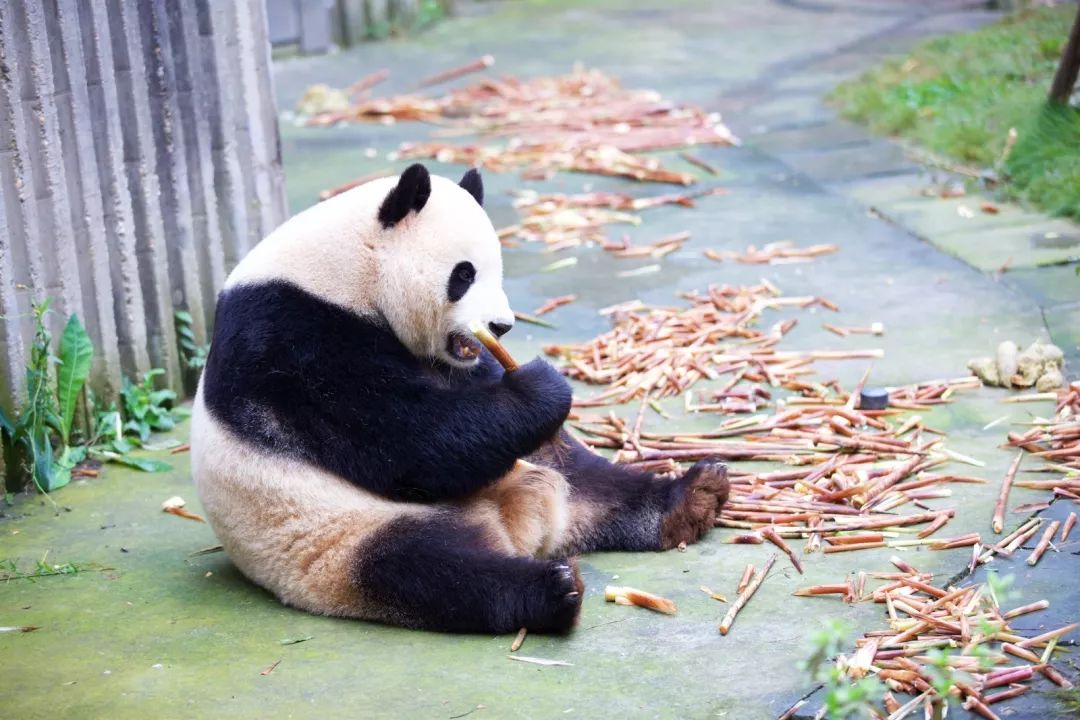
The Panda Base is located about 10km from downtown Chengdu and 30km from Chengdu Shuangliu Internationl Airport. It is a prestigious base for giant panda's off-site conservation, breeding, scientific education and educational tourism worldwide, boasting the largest number of captive giant pandas. Besides, the Base is a must-see place for tourists to the city.
成都大熊猫繁育研究基地
位于中国四川省成都市
成华区外北熊猫大道1375号,
距市中心10公里,
距成都双流国际机场30余公里,
是世界著名的大熊猫迁地保护基地、
科研繁育基地、公众教育基地
和教育旅游基地,
以保护和繁育大熊猫、小熊猫等
中国特有濒危野生动物而闻名于世,
拥有全球最大的
圈养大熊猫人工繁殖种群。
这里,
可是来成都必去打卡的
超级热门景点之一哦!
"Panda Valley"— Dujiangyan Field Research Center for Giant Pandas
“熊猫谷”——成都大熊猫繁育研究基地都江堰繁育野放研究中心
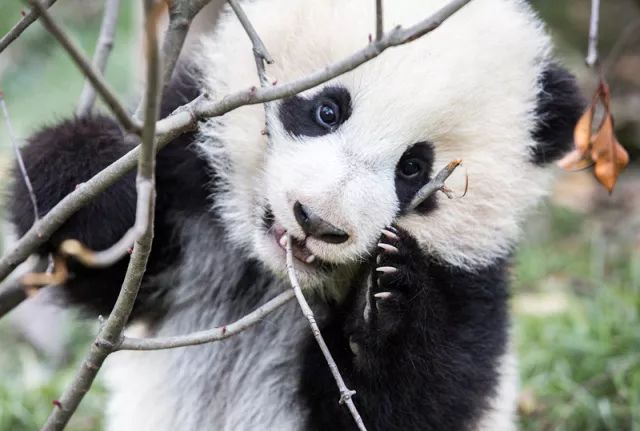
"Panda Valley" in Dujiangyan City, is adjacent to the Dujiangyan Irrigation Project and Mount Qingcheng, 50km from Chengdu.
“熊猫谷”坐落于
中国四川成都都江堰市玉堂镇马家沟,
毗邻都江堰千年水利工程
和道家圣地青城山,
距成都市50公里,
离都江堰市区约3公里。
这里竹木成荫,
溪流潺潺,鸟语花香,
自然气候条件得天独厚,
拥有700余种动植物,
是天然的大熊猫野化放归基地。
The "Panda Valley" opened to the public on April 20, 2015. Currently, it possesses three giant panda wild transition training enclosures and one semi-wild transition training zone, where over ten giant pandas are receiving adaptive training to the wild.
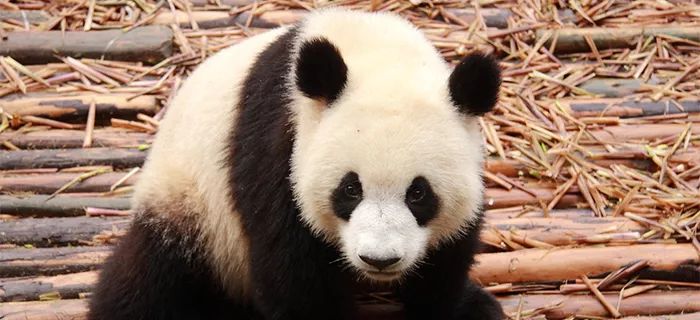
“熊猫谷”于
2015年4月20日正式对外开放。
目前拥有三栋大熊猫野化过渡训练兽舍
和一个半野化训练场,
常年有10余只大熊猫
在这里开展野放适应性训练研究。
如果担心
成都大熊猫繁育研究基地的游客太多,
那就来这里吧,
在这里你可以慢慢地欣赏大熊猫的一举一动。
China Conservation and Research Center for the Giant Panda, Dujiangyan Base
(also called "Panda Park" or "China's Giant Panda Garden in Dujiangyan)
中国大熊猫保护研究中心都江堰基地
(又名“熊猫乐园”“都江堰中华大熊猫苑”)

Dujiangyan Base is 18km from downtown Dujiangyan.
中国大熊猫保护研究中心都江堰基地
由中国香港特别行政区政府援建,
地处中国四川成都都江堰市
青城山镇石桥村怀中路,
距都江堰市区18公里,
北邻道教圣地青城山,
南邻川西街子古镇,
紧邻大熊猫栖息地世界遗产区域,
拥有适宜大熊猫生活的气候和自然环境。
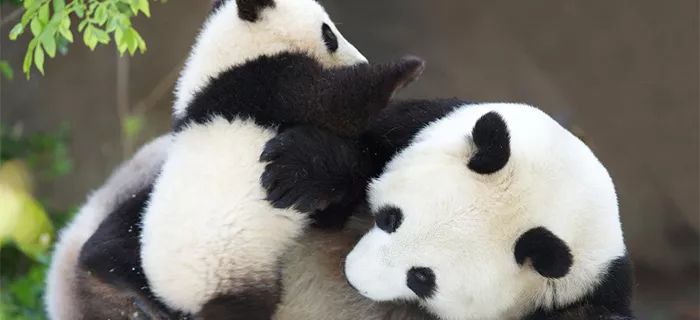
It is the only R&D agency focusing on professional panda rescue and disease prevention, composed of seven functional zones of diseases prevention and research, rescue and quarantine, rehabilitation training, public education, administrative office and the natural landscape area.
这里是中国唯一的
以大熊猫疾病防控、野外救护为主
的科研机构,
园区内竹林婆娑,
绿树成荫,空气清新,
其绿色三星建筑与自然环境巧妙融合,
为大熊猫创造了一个良好的生活环境。
一些上了年纪或在其它地方受伤的
大熊猫都会被送到这里来调理、治疗。
China Conservation and Research Center for the Giant Panda, Ya'an Bifengxia Base
中国保护大熊猫研究中心雅安碧峰峡基地
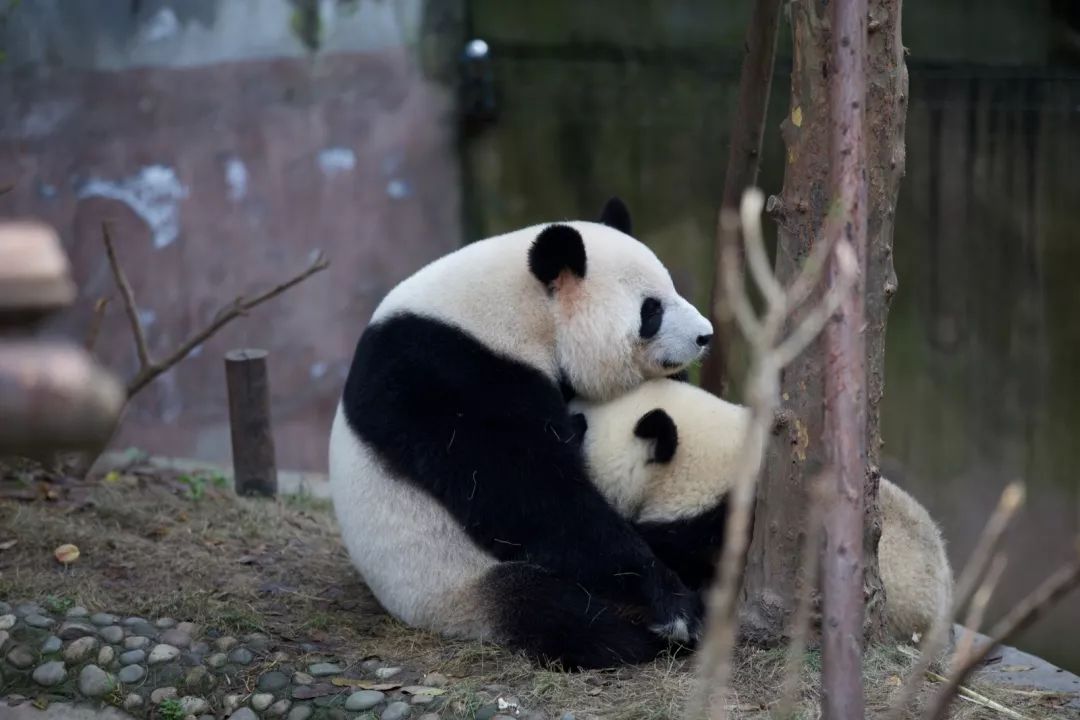
Ya'an Bifengxia Base is located in Bifeng Gorge Scenic Spot, Ya'an City, about 15km from the city proper. It has an R&D center, a hospital, a cub nursing center, a breeding center and a display center of giant pandas. It's home to more than forty giant pandas by 2018.
中国保护大熊猫研究中心雅安碧峰峡基地
位于四川省雅安市雨城区碧峰峡风景区内,
距雅安市区约15公里。
该基地建有大熊猫科研中心、
大熊猫医院、大熊猫育幼中心、
大熊猫繁育配种中心、
大熊猫对外展示中心等。
截止到2018年,
有40余只大熊猫在这里快乐地生活。
刚刚从美国归来的
旅美大熊猫“贝贝”就住在这里噢。
China Conservation and Research Center for the Giant Panda, Wolong Shenshuping Base
中国保护大熊猫研究中心卧龙神树坪基地
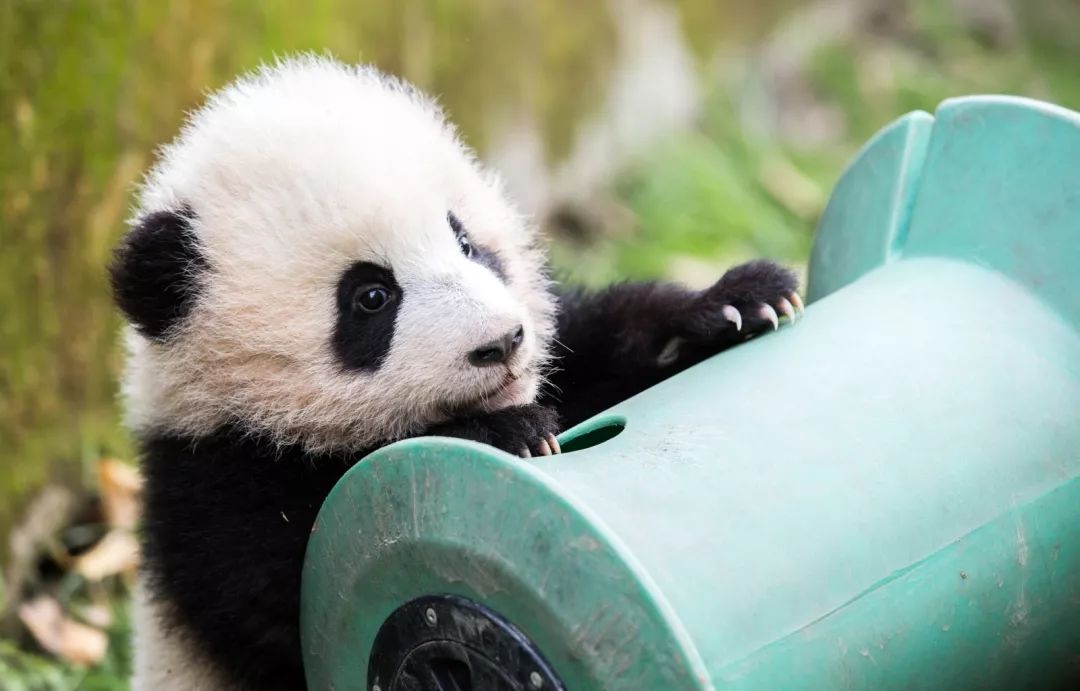
Wolong Shenshuping Base opened on May 11, 2016. It has three functional areas of feeding, adaptive training to the wild and public education of wild animals and 59 accommodations for giant pandas.
2016年5月11日,
中国保护大熊猫研究中心
卧龙神树坪基地开园,
基地位于四川卧龙国家级自然保护区
管理局耿达乡神树坪——黄草坪区域,
总建筑面积为19844.51平方米。
基地分为大熊猫饲养、野化培训
和野生动物公众教育3大功能区,
拥有59套大熊猫圈舍,
并配套了游客接待中心,
科研办公楼,科普教育中心,
兽医院,圈养大熊猫野化培训区等。


来源 | GoChengdu
成都发布编辑 | 孟孃
好大一只憨憨,快抱走↓