出于对健康的考虑,韩国政府10月23日发布建议,建议人们停止使用液态*子烟电**。韩国还表示,目前正在加快对于是否正式禁售*子烟电**的调查研究。此举可能会打击到Juul和韩国*草烟**公司KT&G等主要*子烟电**生产商。
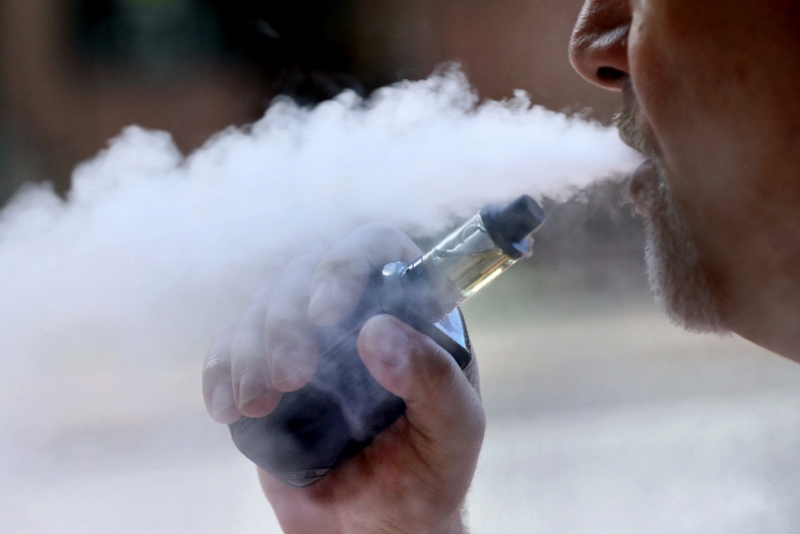
新华社照片,外代,2019年10月18日 (外代一线)(1)美国*子烟电**相关肺病病例接近1500例 美国疾病控制和预防中心10月17日公布的数据显示,截至15日,美国49个州、华盛顿哥伦比亚特区和美属维尔京群岛已报告与使用*子烟电**有关的确诊和可能肺病病例达1479例,至少33人死亡。 这是2019年8月28日,在美国缅因州波特兰,一名男子使用*子烟电**。 新华社/美联
虽然*子烟电**对健康的长期影响尚不清楚,但此前*子烟电**普遍被认为是一种更健康的选择。特别是在几年前*子烟电**刚刚在市场推出时,被认为是可以帮助吸烟者戒烟的好选择。但近期,越来越多的国家开始对*子烟电**产品采取更严格的审查措施,包括从市场上撤下*子烟电**产品、限制其广告等。 “目前的情况是,(*子烟电**)被认为是对公众健康的严重威胁,”韩国卫生部长朴龙虎(Park Neung-hoo,音译)在新闻发布会上说,他还提到了在美国使用*子烟电**导致肺部受伤的案例。
到目前为止,美国卫生官员已经报告有33人死于与*子烟电**有关的一种神秘的呼吸系统疾病,另有1,479例确诊病例和疑似病例。韩国卫生部表示,本月有一则30岁韩国*子烟电**使用者患肺炎的病例。朴龙虎表示,“儿童、青少年、孕妇和有肺部疾病的人,建议永远不要使用液体*子烟电**。不吸烟的人也一样,建议不要尝试液体*子烟电**。”
朴龙虎表示,韩国政府将加快自己的研究,以确定是否存在禁止销售液态*子烟电**的科学依据。一项与之竞争的技术——加热但不燃烧*草烟**——已经得到了美国食品和药物管理局(FDA)的授权,并在很大程度上避免了最近全球范围内的监管打击。
韩国卫生部誓言要加强对*子烟电**产品的监管,比如加强进口*子烟电**液体的海关手续。美国*子烟电**制造商Juul Labs的韩国办事处在一份声明中说,他们的产品没有有害物质。由奥驰亚集团(Altria Group Inc .)持股35%的Juul今年5月开始在韩国市场销售其*子烟电**产品。销售Lil*子烟电**的韩国*草烟**制造商KT&G公司表示,在正在进行的调查结果出来后,它将与政府合作。
自从2015年餐厅和咖啡馆等场所禁止在室内吸烟后,韩国公众对在公开环境吸烟的情况更加难以容忍。但自2017年以来,*子烟电**在拥有160亿美元销售额的韩国*草烟**市场上越来越受欢迎。政府数据显示,截至6月份,*子烟电**占韩国*草烟**市场销售额的13%。据欧睿信息咨询公司(Euromonitor)的数据,韩国是仅次于日本的全球第二大*子烟电**加热产品市场,价值17亿美元,但液体*子烟电**没那么受欢迎。
此前,美国已经宣布计划从商店中移除有味道的*子烟电**,理由是青少年使用这些产品的人数增长惊人。印度9月份也停止了*子烟电**的销售,警告说这种产品在年轻人中“流行”。
South Korea warns of “serious risk”
from vaping, considers sales ban
South Korea on Wednesday advised people to stop using liquid e-cigarettes due to growing health concerns and vowed to speed up an investigation into whether to ban sales, a move likely to hit major producers such as Juul and local tobacco company KT&G.
While long-term health impacts from vaping remain largely unknown, e-cigarettes were viewed as a healthier alternative that could help users quit smoking when they were first launched a few years ago.
But countries around the world have been pulling electronic cigarette products from markets and restricting advertising as vaping faces increased scrutiny.
“The current situation is considered as a serious risk to public health,” South Korea’s health minister Park Neung-hoo told a briefing, citing cases of lung injuries associated with e-cigarette use in the United States.
U.S. health officials have so far reported 33 deaths and 1,479 confirmed and probable cases from a mysterious respiratory illness tied to vaping.
A pneumonia case of a 30-year old South Korean e-cigarette user was reported this month, the health ministry said.
“Children, juveniles, pregnant women, and people with pulmonary diseases, never use liquid e-cigarettes. Non-smokers, too, never use liquid e-cigarettes from now,” Park said.
Park said the government would speed up its own studies to determine if there was a scientific basis to ban sales of liquid e-cigarettes, which vaporize liquid containing nicotine.
A rival technology, which heats but does not burn tobacco, has been authorized by the U.S. Food and Drug Administration (FDA) and has avoided much of the recent regulatory crackdown globally.
REGULATORY CRACKDOWN
South Korea’s health ministry vowed to tighten regulations on vaping products such as strengthening customs procedures for imported liquid of e-cigarettes.
The South Korean office of U.S. e-cigarette maker Juul Labs said in a statement their products had no harmful substances. Juul, 35% owned by Altria Group Inc, began selling its devices in South Korea in May.
KT&G Corp, a South Korean tobacco maker which sells Lil Vapor e-cigarettes, said it would cooperate with the government’s policies after results of the ongoing probe came out.
Since smoking was banned indoors at places like restaurants and cafés in 2015, South Korea become less tolerant of smokers. But e-cigarettes have been gaining popularity in the country’s $16 billion tobacco market since 2017.
E-cigarettes accounted for 13% of South Korea’s tobacco market by sales as of June, according to government data.
South Korea is the world’s No.2 market of heated vape products after Japan, worth $1.7 billion, according to Euromonitor, but liquid e-cigarettes are less popular.
The United States has already announced plans to remove flavoured e-cigarettes from stores, citing alarming growth in teenage use of the products
India also discontinued the sale of e-cigarettes in September, warning of an “epidemic” among young people.
南都记者 张沛综合整理自 路透社