
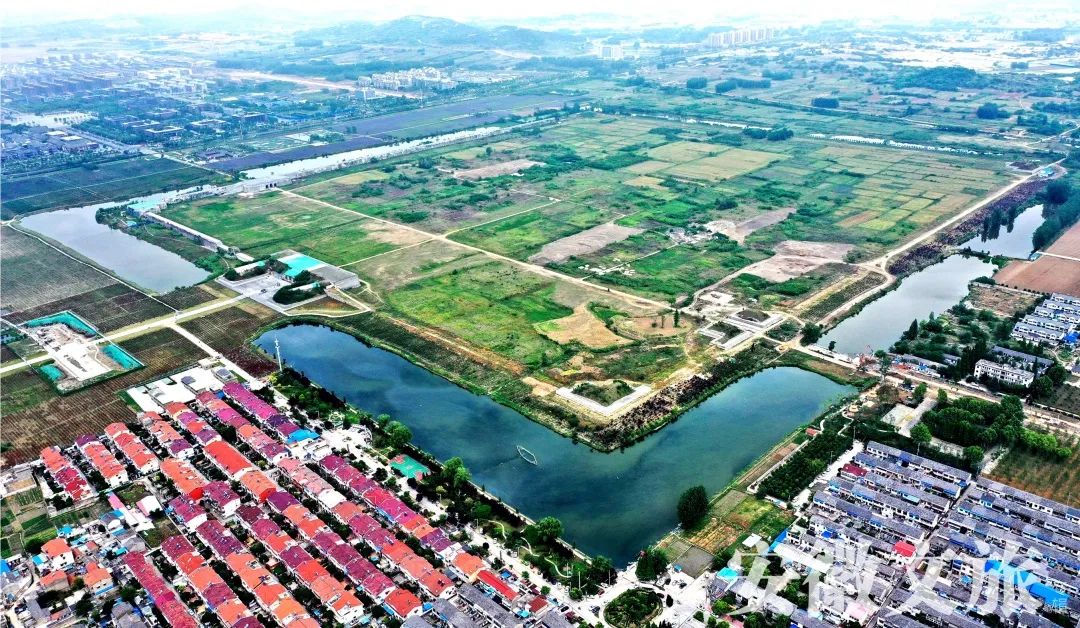
明中都遗址俯瞰
The aerial view of the site of Ming Zhongdu
如歌所唱:说凤阳,道凤阳,凤阳是个好地方……一个好字说出一方地域的曼妙。凤阳之上水声涟涟,明中都依旧诉说一个王朝的过往……
洪武二年(公元1369),凤凰山的南面,一片繁忙,占地50多平方公里的宫城开工建设。做了皇帝的朱元璋有妙论:“临濠前江后淮,以险可恃,以水可漕,朕欲以为中都,何如?”
六年后,中都城初具规模,恢弘壮观,一派皇家气象。“中都丰镐遗,宫阙两京陟。千里廓王畿,八屯拱宸极。”作为明朝初年规划和建设的第一座都城,规模宏大,一条中轴线纵贯南北,宫殿分列,繁华壮观。“街二十八”、“坊一百零八”是后人的记载,也是当时的实景。
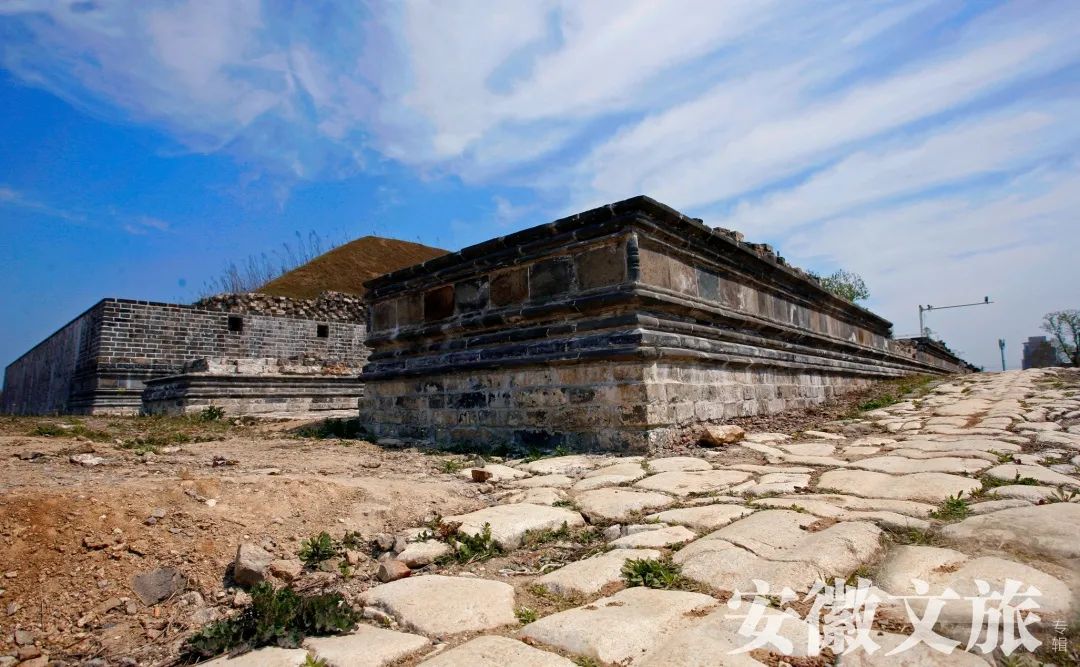
中都城东华门遗址
The site of Donghua Gate of Ming Zhongdu
皇城墙体的建筑构件镶嵌白玉石雕及砖雕,刻工精细,用流光溢彩来形容它的优美生动毫不过分。在建筑艺术上,它上承唐宋元,下启明清,成为北京故宫建设的蓝本。开建六年后,朱元璋下诏停建。为什么停成了话题,乃至网友称为明代最大的“烂尾”工程。
走进中都遗址,其皇城遗址比北京故宫宽大12万平方米,无论是位置、形式、体量、规模,还是内容丰富的建筑遗存,都可感可触明朝初期的状态,令人嘘叹不已。晚上去中都城,灯光飘来飘去,踩着脚下的瓦砾,回味的是故事。
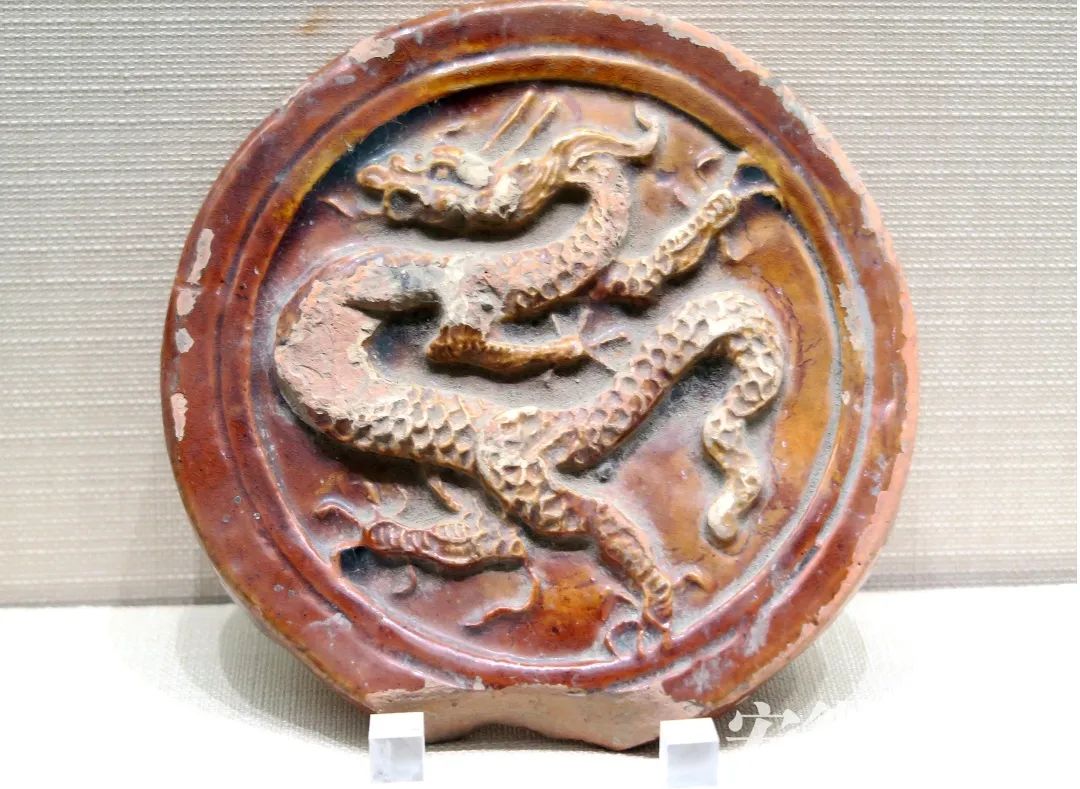
中都城出土的龙纹瓦当
The eaves tile with dragon pattern excavated from Ming Zhongdu

明中都城须弥座上的汉白玉雕刻《吉祥双凤》
A Couple of Phoenixes Bringing Prosperity—the white marble caving on the Sumeru seat in Ming Zhongdu
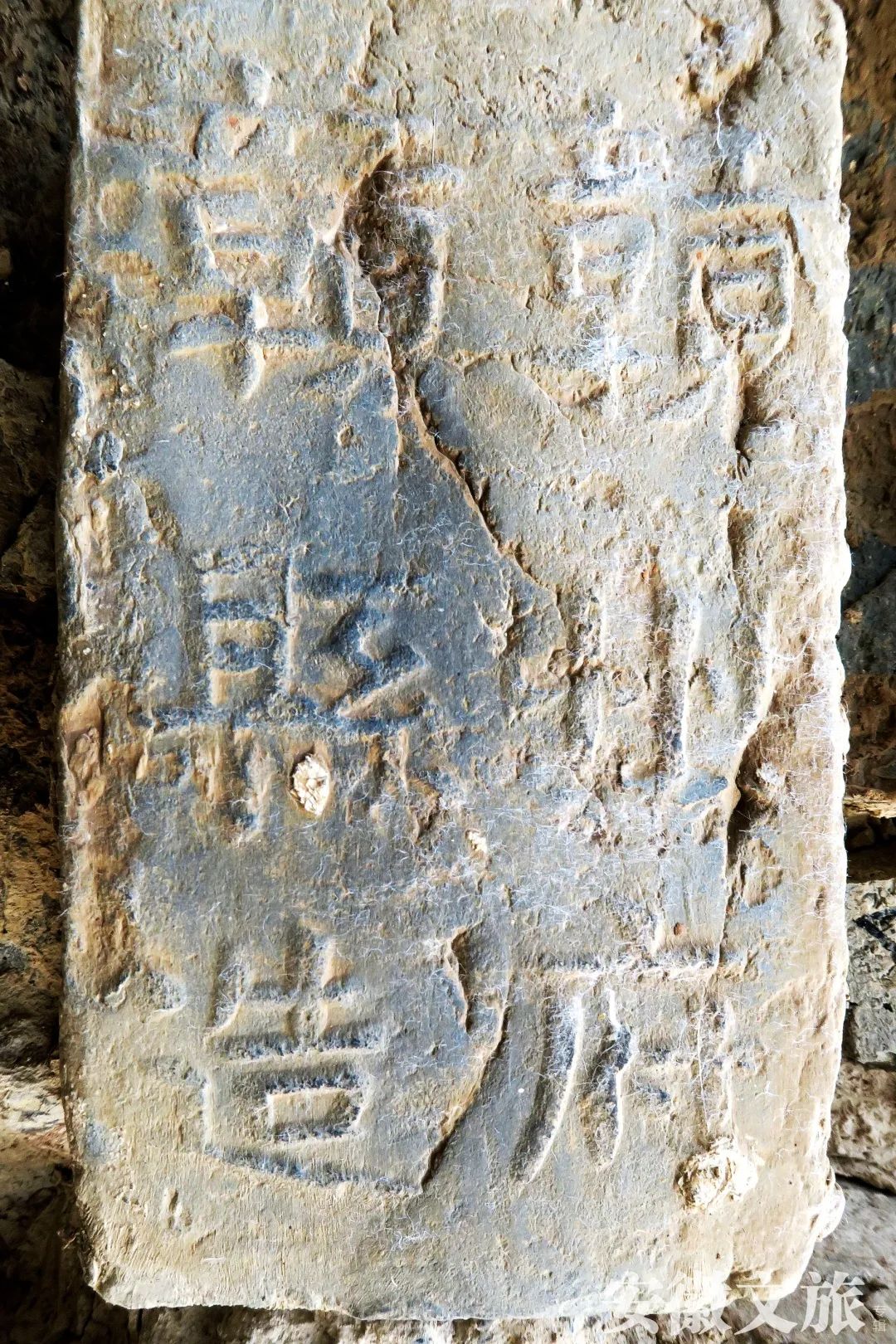
中都城出土的有字砖
The brick engraved with Chinese characters excavated from Ming Zhongdu
凤阳值得流连的地方太多,钟离古城,那是一段沉寂的历史;皇陵石刻,以刀为笔记下了多少深刻的掌故;狼巷迷谷,以石为巷,野狼出没,迷离的是风光,是传奇;韭山洞,洞深草青,野韭是它的注解,布陈了新意和深刻……直至小岗村,用红手印,加重了历史记忆。
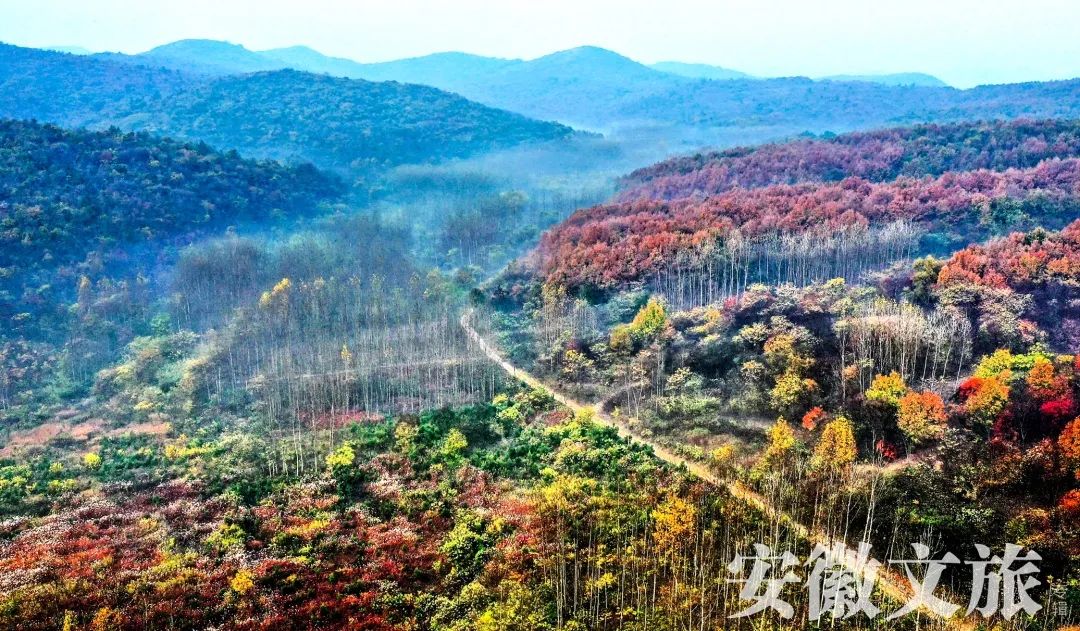
秋染韭山
Jiushan Mountain dyed in autumnal colors
As a Chinese folk song sings,“Fengyang is a good place.” The county in eastern Anhui is even more than good—it was once the capital of a dynasty. This glorious history is still present in Ming Zhongdu in Fengyang.
It’s named Ming Zhongdu because the first Ming emperor, Zhu Yuanzhang, established the national capital in Nanjing while designated his hometown, Fengyang, as the middle capital (Zhongdu in Chinese).
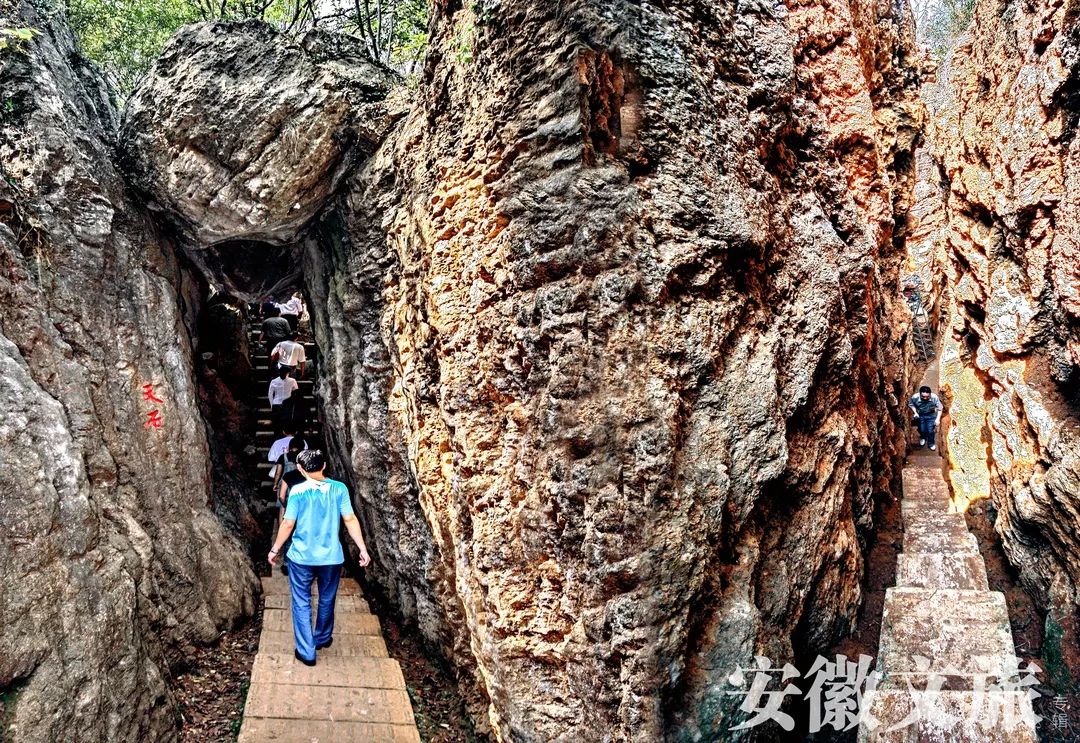
狼巷迷谷中石林层峦叠嶂
Layer upon layer of rocks in Langxiang Valley
In 1369, at the south side of the Fenghuang Mountains, the huge imperial project occupying 50km2 started. In 1375, it began to take shape: 28 streets and 108 lanes were completed. But the emperor suddenly stopped the project in the same year for unclear reasons.
Though half-built, Zhongdu still presented royal majesty. In the imperial city therein, even the white jade and brick carvings on the building components were so exquisite that, in terms of architectural art, it was taken as a blueprint in the construction of the Forbidden City.
One of the most majestic constructions in China, it’s even 0.12km2 larger than the Forbidden City. Today, we’re still amazed by seeing its location, palace arrangements, large scale, and rich remains in their original forms.
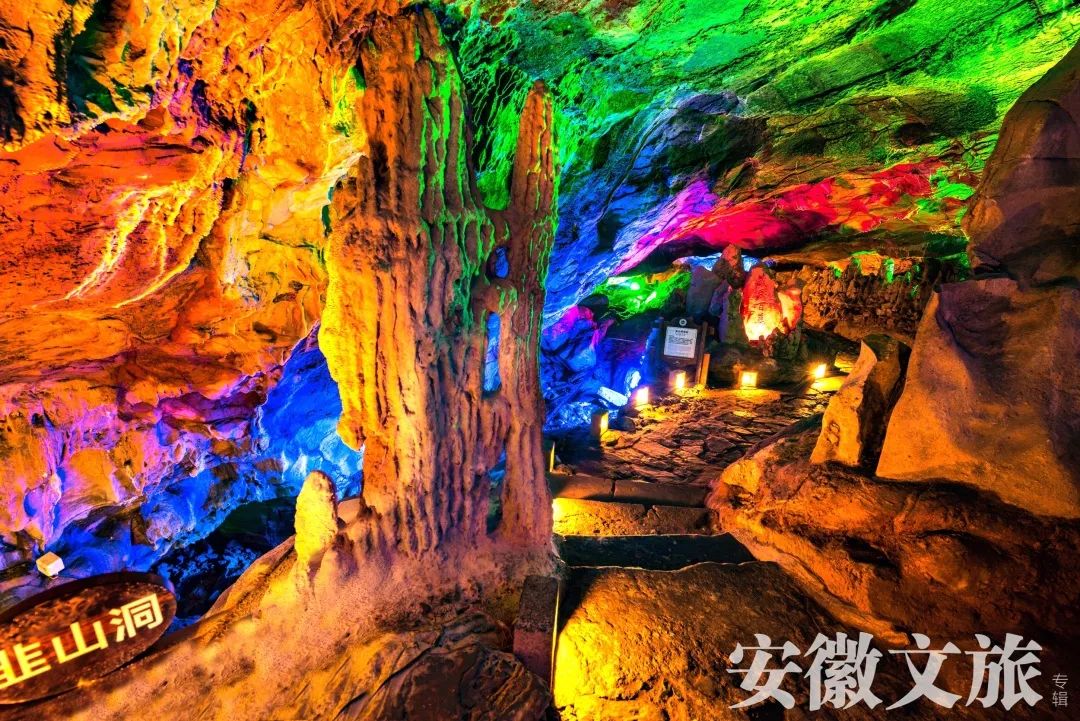

韭山洞内景宛如仙境(组图)
The fairyland inside Jiushan Cave
Zhongdu is not the only scenic spot worth mentioning in Fengyang. There are also Zhongli City, another ancient heritage; Huangling Stone Carvings, a group of stone sculptures in front of Zhu Yuanzhang’s tomb; Langxiang Valley, a natural maze used to be a haunt for wolves; Jiushan Cave, a natural and cultural attraction named after the wild Chinese chives therein; and Xiaogang village, where the rural reform of China initiated—all of them can bring you a more charming Fengyang than as described in the song.
小贴士:
凤阳人文与自然资源丰富。其中韭山洞位于县城南30多公里韭山山腹。山上多野生韭菜。
洞东西主洞长1472米,侧洞与北山的蝙蝠洞相通,长约4000多米。其特点是深、大、险、奇、古。全洞分为虎踞龙蟠、摘星揽月、峡谷幽深、清流碧影、玉溪泛舟五大景区,重要景点二十多处,是人们寻幽探古休闲度假的好去处。
狼巷迷谷位于县城东南30公里处,面积约9平方公里,主要景点有:禅窟洞天、摩崖石刻、谷中黄山、狼牙巷等五十多处。迷谷内地形奇特、沟壑纵横、明谷暗涧、沟沟相连、谷谷相通。这里岩石千姿百态、形神兼备。

版权须知:未经本刊书面许可,任何人或单位不得以任何形式转载、摘编本刊图文内容。

✬如果你喜欢这篇文章,欢迎朋友圈✬
评*功论**能已开启,我们接受一切形式的吐槽和赞美☺
文:张建春
图:吴晓泉 马利 李云龙
编辑:张倩莹

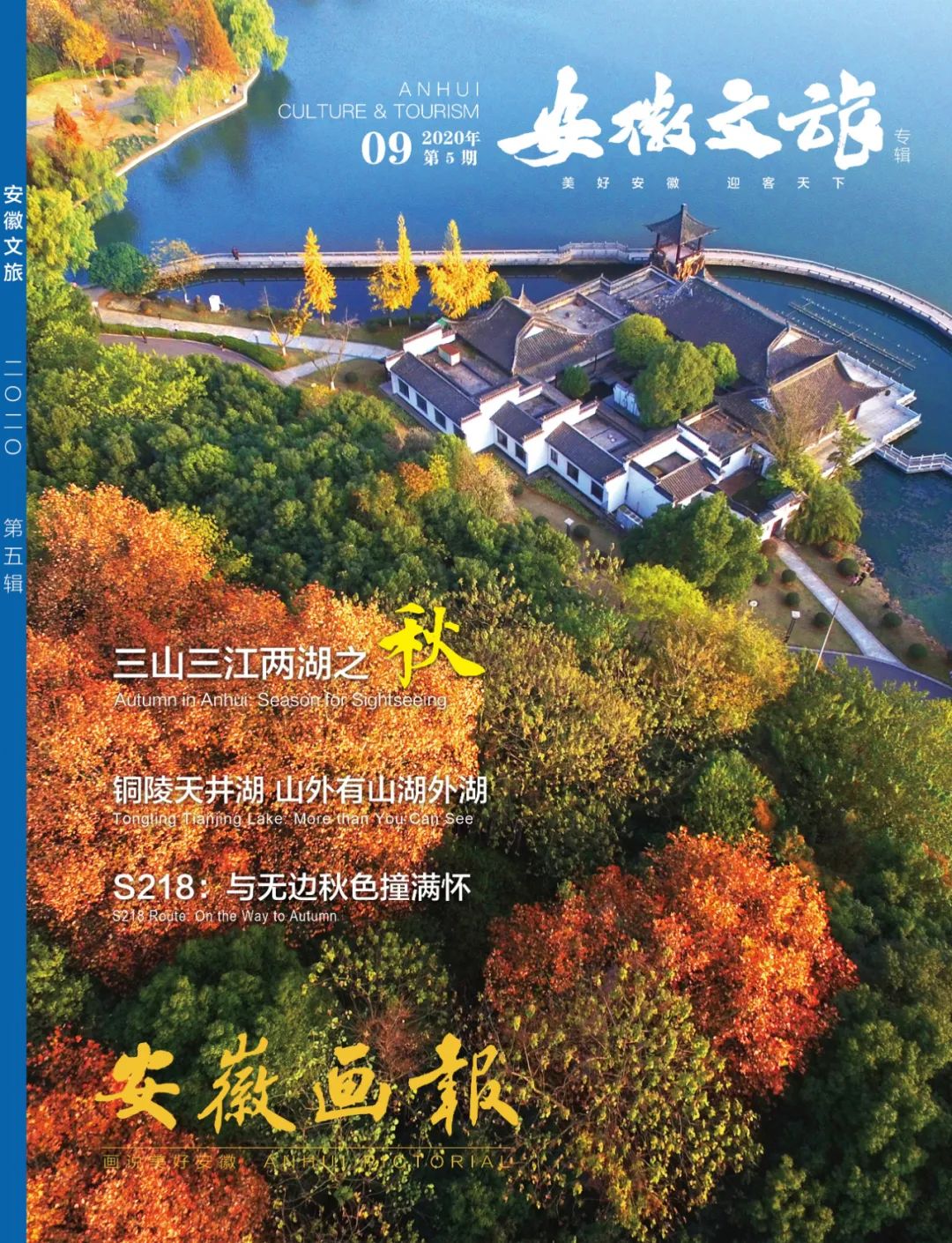
《安徽文旅》中英文专辑第5期封面
由安徽省文化和旅游厅创办、安徽出版集团所属安徽画报社出版的《安徽文旅》中英文专辑,以“展示文旅业态,引领文旅风尚;讲述文旅故事,树立文旅标杆”为定位,旨在强化安徽文化旅游宣传,打造安徽文旅品牌,促进全域旅游发展,加快创新型文化和旅游强省建设。
《安徽文旅》中英文专辑以精致、精美、惊艳、精彩的风格追求,吸引海内外的读者。《安徽文旅》中英文专辑分送国内有关*党**政机关、文化和旅游部门、重点旅行商,并在省内旅游景区、旅游饭店、文化场所、机场、高铁站等场所投放,投递至我国驻外机构、外国驻华机构等,境外重点旅行商等。