本期编辑/开鸿顺
KaiHongShun Studio
————————
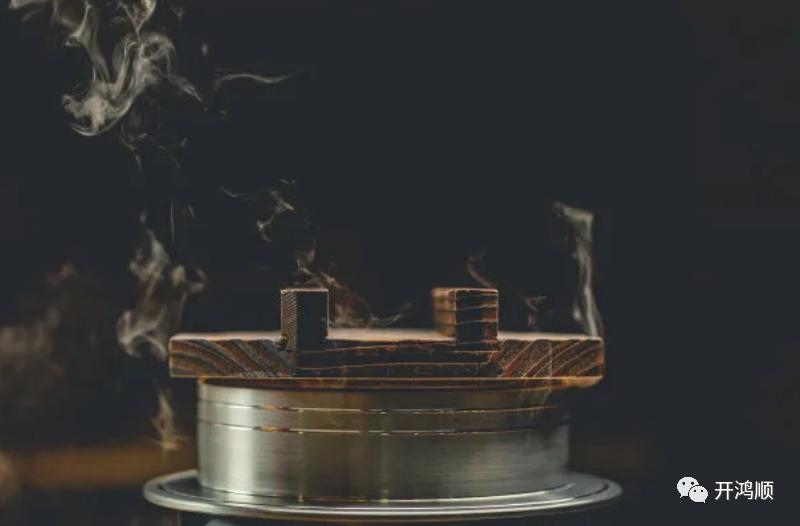
自古以来,中国人便以雅为美,从琴棋书画到花艺茶道,无一不体现出对高雅生活的追求。而在这些雅趣中,沉檀焚香之风更是源远流长,成为古人生活中不可或缺的一部分。
Since ancient times, Chinese people have regarded elegance as beauty, from qin, qi, calligraphy and painting to flower art and tea ceremony, all of which reflect the pursuit of an elegant life. Among these elegant tastes, the wind of burning sandalwood …
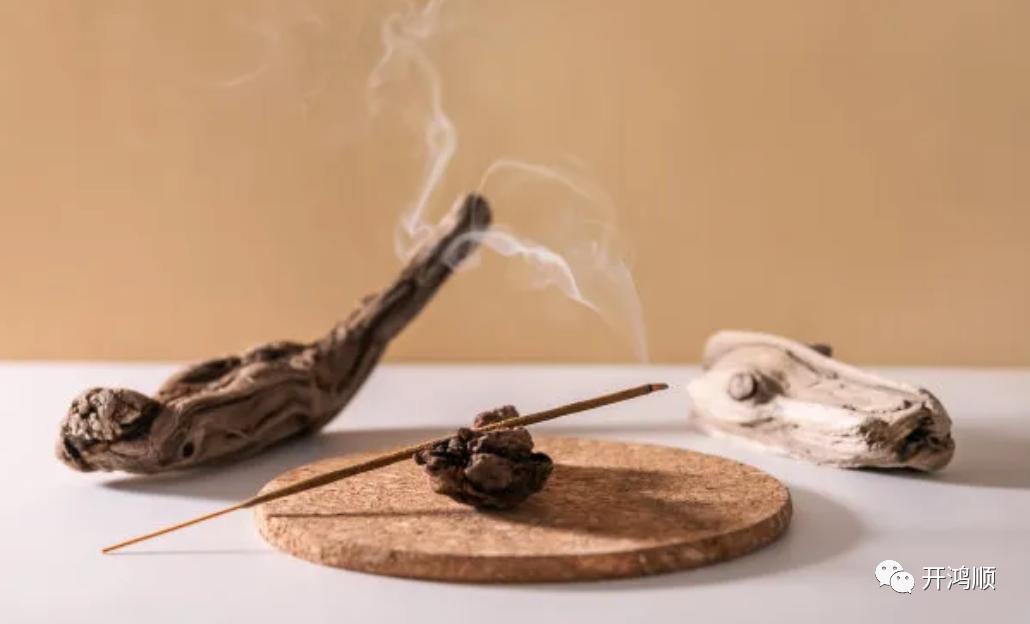
那么,沉檀焚香究竟有着怎样的来源和历史?又有哪些历史名人与之结下不解之缘?今天,就让我们一起探寻沉檀焚香的雅趣之源。
So, what is the origin and history of burning sandalwood incense? What historical celebrities have formed indissoluble bonds with them? Today, let's explore the source of elegance in burning sandalwood incense together.
沉檀,顾名思义,是指沉香和檀香这两种香木。沉香,源于瑞香科植物,经过长时间的积淀,在树木内部形成浓郁的香气。
Chentan, as the name suggests, refers to two types of fragrant wood: Chenxiang and sandalwood. Chenxiang, originating from plants in the Daphne family, forms a rich aroma within the trees after long-term accumulation.
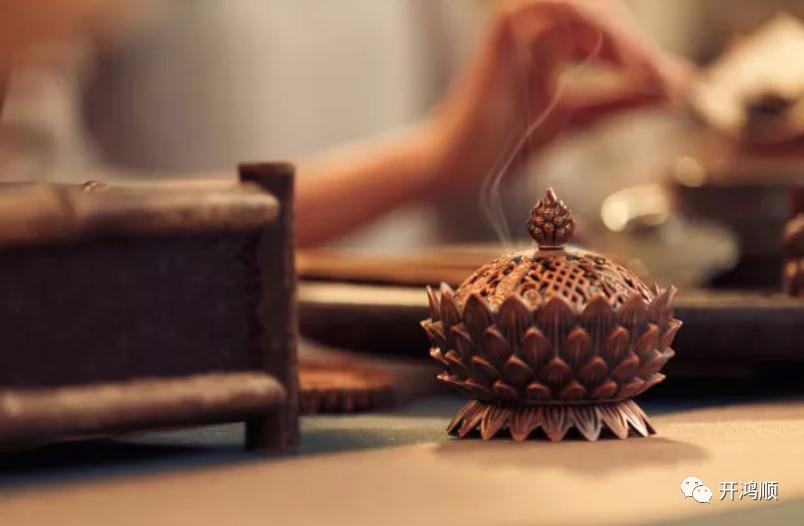
檀香,则源自豆科植物,其黄色芯材散发出独特的香气。这两种香木皆产自东南亚及我国海南等地,自古便为宫庭贵族所珍视。
Sandalwood, on the other hand, originates from leguminous plants, with its yellow core emitting a unique aroma. These two types of fragrant trees are both produced in Southeast Asia and Hainan, China, and have been cherished by the nobles of the palace since ancient times.
焚香历史可追溯至春秋战国时期,当时已有焚香祭祀的习俗。随着佛教的传入,燃香礼佛成为一种普遍的信仰。
The history of burning incense can be traced back to the Spring and Autumn and Warring States periods, when there was already a custom of burning incense for worship. With the introduction of Buddhism, burning incense to worship Buddha has become a common belief.
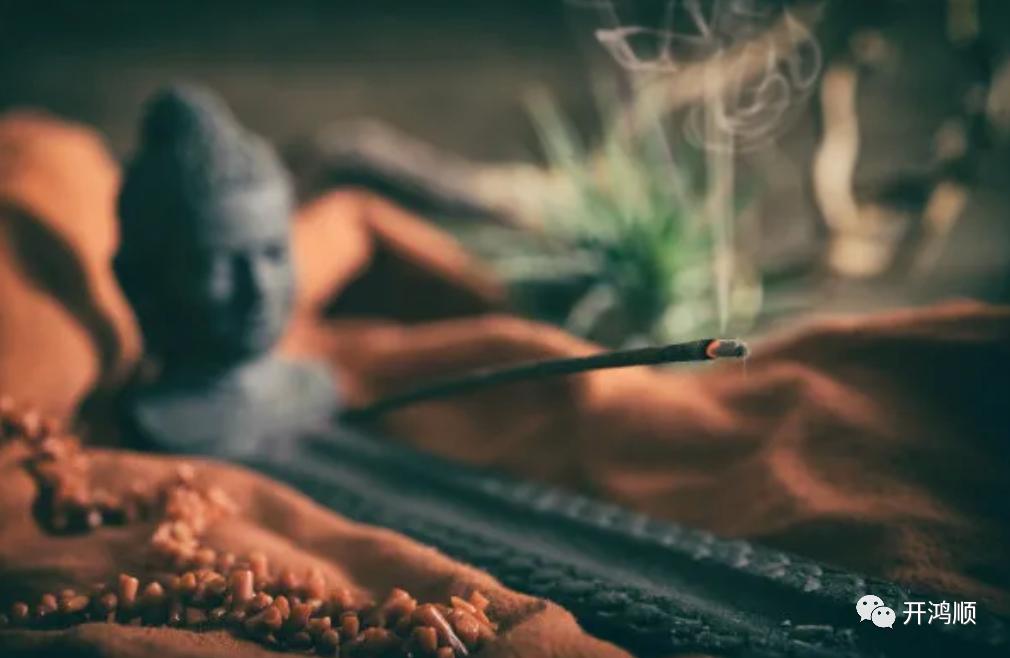
至唐代,上层社会更是形成了“焚香为礼”的风尚,李白、王维等文人墨客皆留下了不少咏香名篇。
By the Tang Dynasty, the upper class had formed a trend of "burning incense as a ritual", and literati such as Li Bai and Wang Wei had left behind many famous poems on incense.
今天带来三个小故事,让大家对沉檀焚香这一古人雅趣有更多的了解:
Today, we will bring three short stories to help you gain a better understanding of the ancient elegance of burning sandalwood and incense:
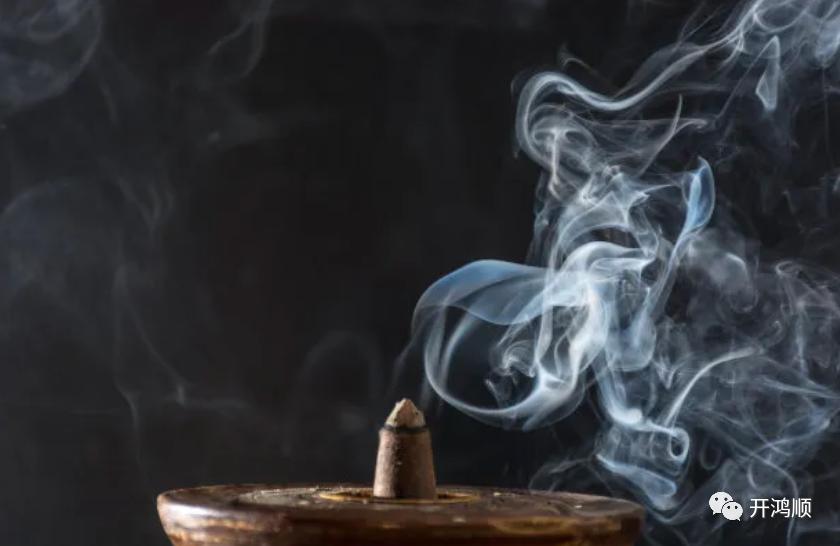
嵇康焚香:魏晋时期的嵇康,不仅是一位杰出的文学家、音乐家,还是一位香道爱好者。他喜欢在打铁时焚香,当炉火与香气交织,生活的雅趣便油然而生。
Ji Kang burned incense: During the Wei and Jin dynasties, Ji Kang was not only an outstanding writer and musician, but also a lover of incense. He likes to burn incense while forging iron, and when the fire and aroma intertwine, the elegance of life arises naturally.
苏轼品香:苏轼对沉檀香木情有独钟,他在《东坡志林》中详细记载了沉香的产地及特点,并赞其有“金刚之坚,虎豹之鞟”,可见对其评价之高。
Su Shi's Fragrance Tasting: Su Shi has a special fondness for the fragrant wood of Chentan. In his "Dongpo Zhilin", he detailed the origin and characteristics of Chenxiang and praised it for its "firmness of diamond and the strength of tiger and leopard", indicating the high evaluation of it.
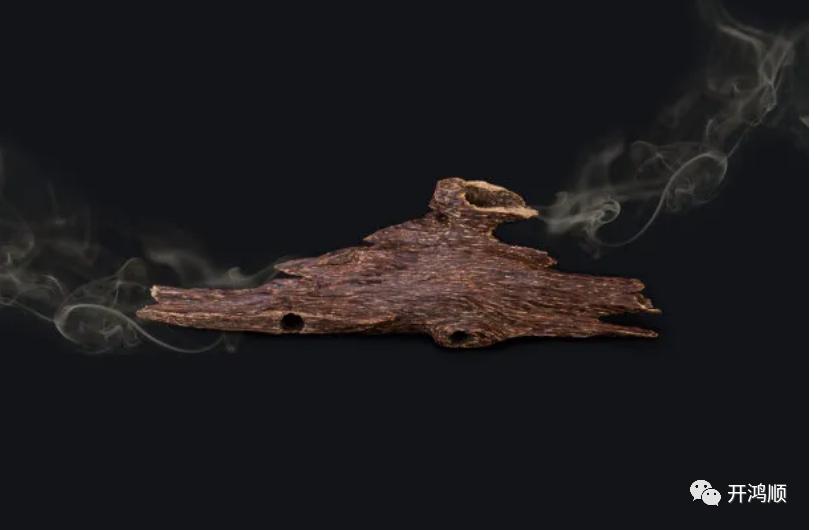
陆游煮香:南宋诗人陆游喜好沉香,他不仅焚香吟诗,还将沉香与其他香料一起煮制,得其清芬。他在诗中写道:“矮纸斜行闲作草,晴窗细乳戏分茶。夜阑点检朝时笏,不怕归途雨霁泥。”
Lu You Boils Fragrance: Southern Song Dynasty poet Lu You likes agarwood. He not only burns incense to recite poetry, but also cooks agarwood with other spices to obtain its fragrance. In his poem, he wrote, "The low paper slants and leisurely makes grass …
沉檀焚香,古人的雅趣,千百年来传承不息。它不仅是一种物质的传承,更是一种精神的传承。在繁华喧嚣的现代社会,重拾古人的雅趣,或许能让我们寻找到内心深处的宁静与高雅。
Sinking sandalwood and burning incense, the elegance of ancient people, has been passed down for thousands of years. It is not only a material inheritance, but also a spiritual inheritance. In the bustling and bustling modern society, reviving the elegance …