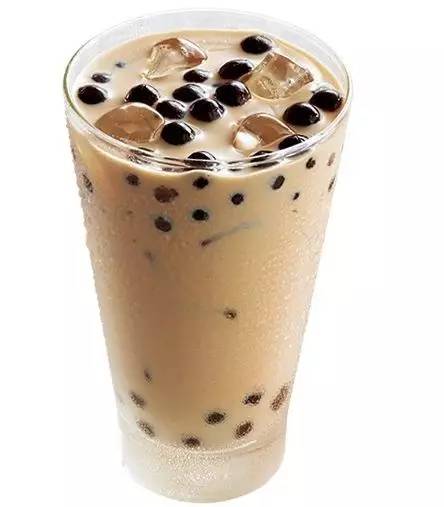
对于中国盆友们来说,珍珠奶茶这种饮料就不需要过多介绍了。如今购买一些“网红”奶茶饮品需要排队几小时、甚至出现了“代购”或者是以“黄牛价”购买等情况,火爆程度可见一斑。
而在欧美等国家,珍珠奶茶也已经屡见不鲜,并且得到了当地消费者们的认可,行业发展日益红火。《纽约时报》关注到了这一点,并且刊登了一篇文章,本意是想描述珍珠奶茶在美国越来越受欢迎,结果文章发布之后却招致了读者们“排山倒海般的批评”...不得不修改原文,并再次发文为此道歉。
据《赫芬顿邮报》报道:
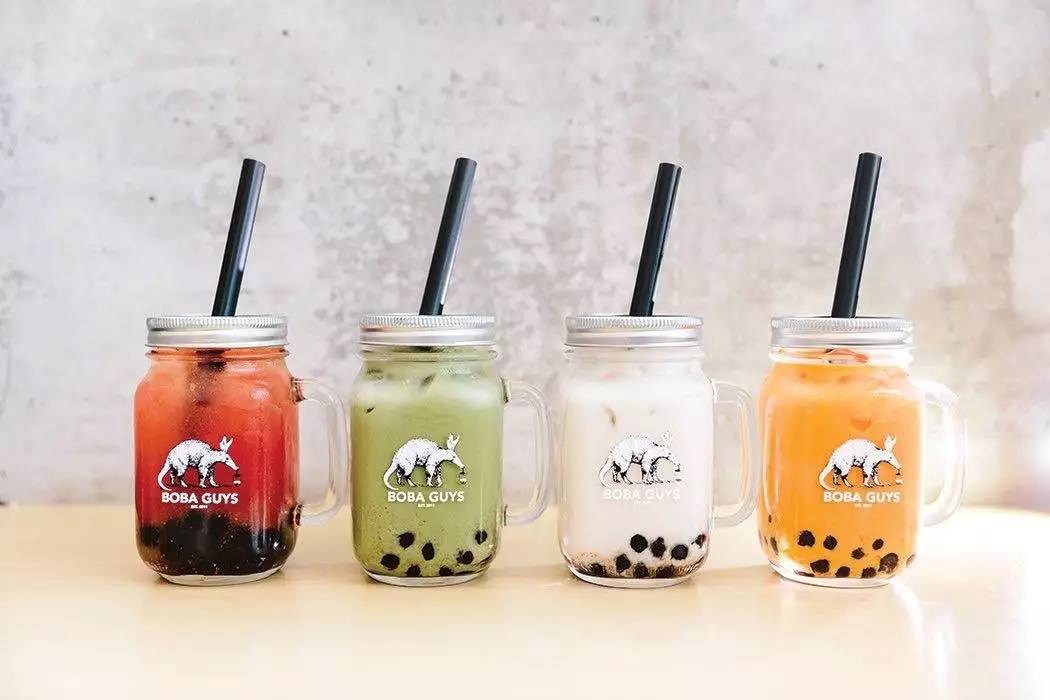
The New York Times issued an editorial note Thursday expressing its regrets for writing an article that suggested that bubble tea ― a drink popular among Asians, Asian-Americans and Americans for at least a decade or so ― had just now hit the mainstream.
《纽约时报》于周四(当地时间8月17日)发布了评论文章,为之前撰文称在亚洲人、亚裔美国人以及美国人群体中至少已经流行了十多年的珍珠奶茶才刚刚成为“主流”的言论道歉。
In the Times note, titled “Our Readers Call Us Out Over Bubble Tea. They Are Right,” business editor Ellen Pollock wrote in response to the wave of criticism the newspaper faced for publishing an article Wednesday initially headlined “The Blobs in Your Tea? They’re Supposed to Be There,” by Joanne Kaufman.
周三(当地时间8月16日)《纽约时报》发布题为“你的茶里有小珠子吗?他们本来就应该在那里”的文章,作者为乔安妮·考夫曼(Joanne Kaufman),这篇文章招致了读者排山倒海般的批评。经济版编辑艾伦·波洛克(Ellen Pollock)写了这篇题为“我们写珍珠奶茶的文章让读者们很有意见,我们觉得读者们说的对”的文章,作为对批评的回应。
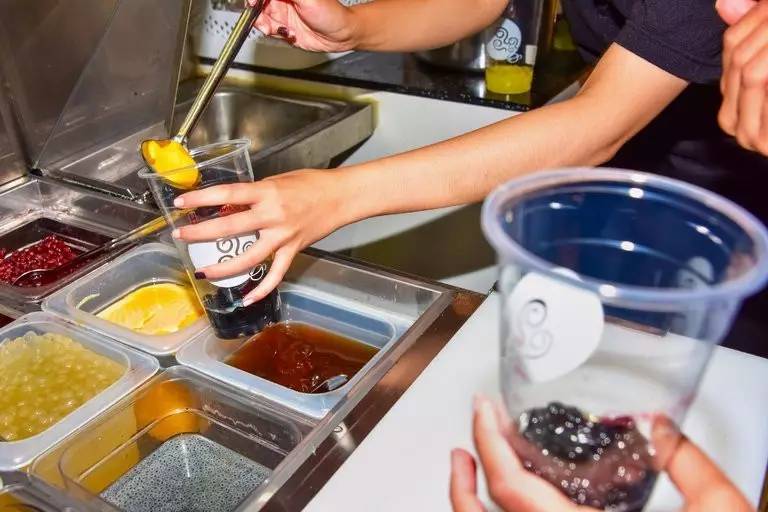
Photo: The New York Times
Critics were amazed that the newspaper just figured out that bubble tea, a sugary drink with tapioca balls reportedly invented nearly 30 years ago in Taiwan, is popular in America.
令批评家们感到惊讶的是,据报道,珍珠奶茶这种含有木薯球的含糖饮料近30年前发源于台湾,现在在美国很流行,但是《纽约时报》却表现得好像刚刚知道有这种饮料一样。
▲Via The Huff Post 《赫芬顿邮报》
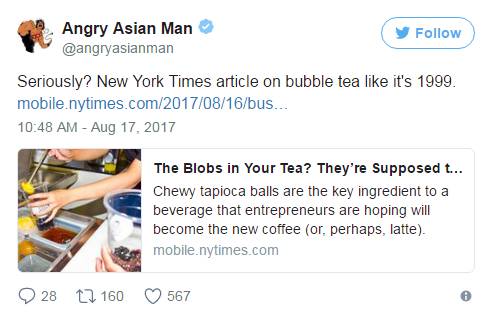
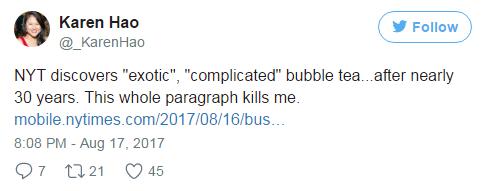
对此,读者表示不能接受,并嘲讽称“难道这是《纽约时报》第一次发现珍珠奶茶吗?”随即又有网友扒出《纽约时报》早在1999年就有珍珠奶茶相关的报道,曾经还将珍珠奶茶列为2002年最流行的食物之一:
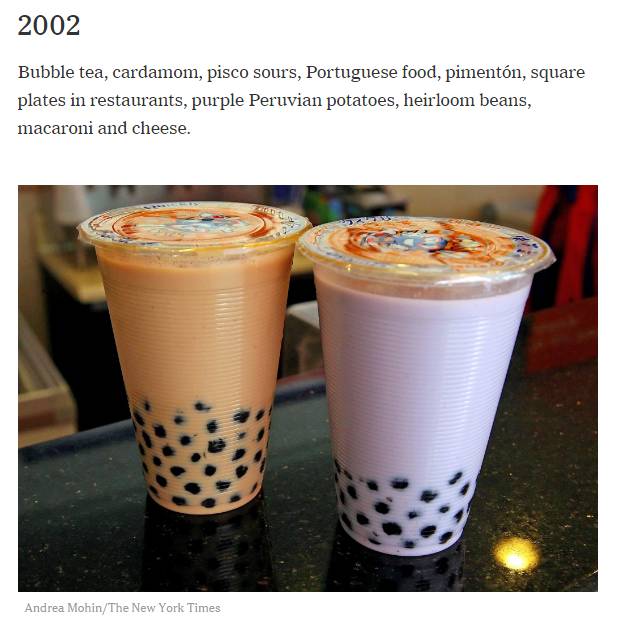
Screenshot: The New York Times
流行了这么多年,竟然说现在才“刚刚进入美国主流市场”?再来看一看原文中的表述,不难发现整体都存在问题。
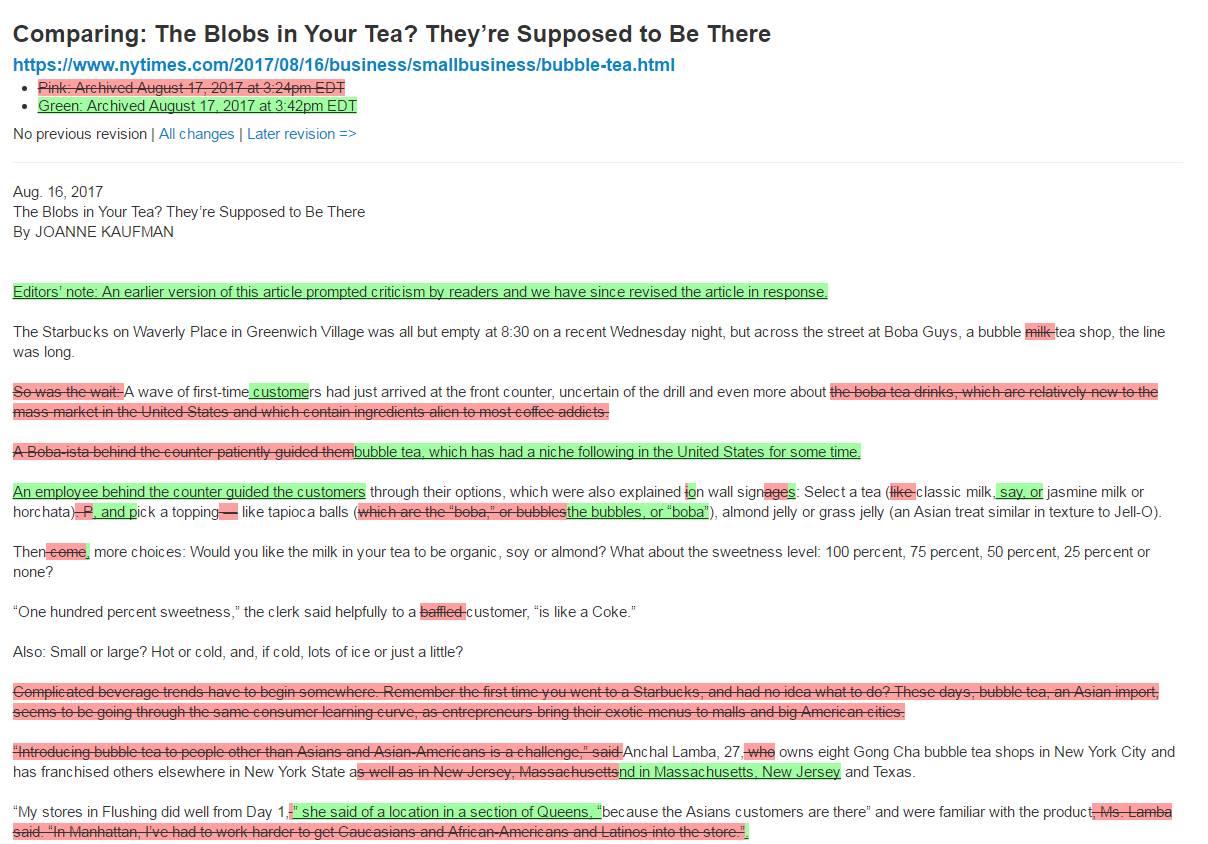
Screenshot: The New York Times
现在出现在《纽约时报》网站上的文章已经是修改版,从标题到正文措辞都有了很大的改动。根据网站发布的编辑修改记录,一些段落被整段删除,而被修改的词汇中有包括来自“远东”(the Far East)、“古怪的混合物”(curious amalgam)等不合时宜的表述。
《纽约时报》并不是第一次报道珍珠奶茶,之前的文章也没有像这样“画风突变”... 于是,读者们纷纷斥责了这篇文章:
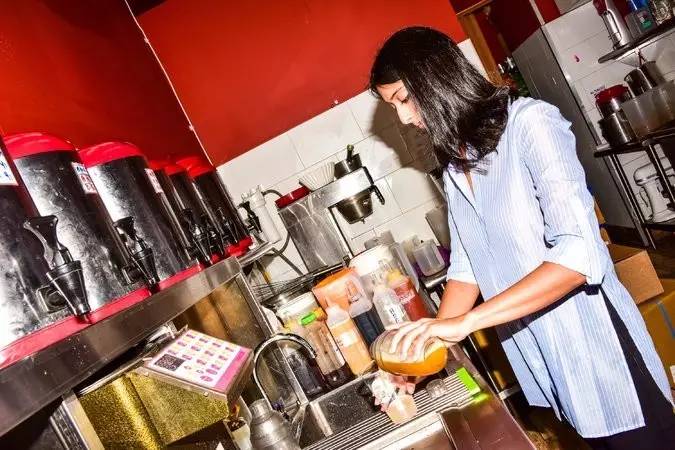
Photo: The New York Times
Some were offended that the Times described the Asian drink, commonly known as boba, as “exotic” or “complicated,” and others suggested that the article’s tone was exactly why newsrooms needed more diversity.
有人认为《纽约时报》将众所周知的来自亚洲的珍珠奶茶称为“异国风情”以及“难以理解”,这样的用语冒犯了一部分读者。还有一部人认为这篇文章是新闻编辑室需要更加多元化的一个准确案例。
Pollock said in the Times’ blog post that readers were upset that the original article suggested that the newspaper had recently discovered boba tea. Other readers, Pollock added, were offended that the paper described the drinks “as strange and alien, and especially took us to task for the use of the word ‘blobs.’”
波洛克在《纽约时报》网站博客中表示,原来的那篇文章就像《纽约时报》才刚发现珍珠奶茶一样,读者看完表示非常失望。还有一部分读者,认为文中将珍珠奶茶描述地“很奇怪、很陌生,尤其是使用了‘blobs’一词。”,这使他们感到被冒犯了。
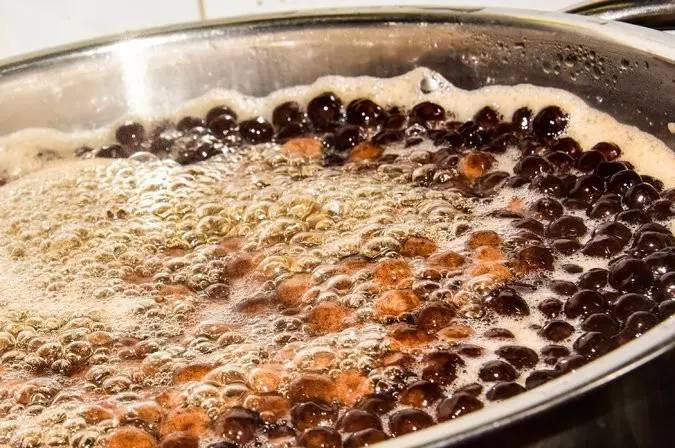
Photo: The New York Times
The Times highlighted a comment from a reader named Bo Hee Kim who said that the newspaper’s decision to describe boba as “exotic” and tapioca as an unappealing “blob ... alienates this population from reading this article.”
《纽约时报》还选取了一位名为Bo Hee Kim的读者留言,称这篇文章中将珍珠奶茶描述成“异国风情”,而木薯球则使用了一个看起来没有吸引力的词“blob… 此举让对珍珠奶茶很熟悉的人并不想阅读这篇文章了。”
▲Via The Huff Post 《赫芬顿邮报》
一般人熟知的“珍珠”,即文中所说的木薯球,应该是bubble或者是boba,而《纽约时报》却在标题中使用了blob这个词。这个词不仅使人感觉有些疑惑,本身还有“弄脏”、“做错事”等含义,可以解读为“污点”、“错误”。在食物名称中用到这个词,引起了读者的反感。读者Bo Hee Kim的留言完整版如下:
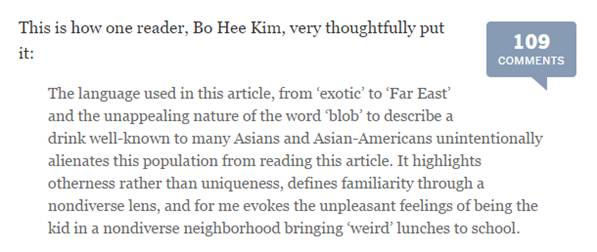
文中使用的语言,从“异国风情”到“远东”,以及‘blob’这个词本身就有着不够吸引人的含义,用这些词来描述一种亚洲人和亚裔美国人都很熟悉的饮料会在无形中使这部分人群不想阅读这篇文章。文章中强调差异性,而不是独特性,用不够多元化的角度去描述一个其他人很熟悉的物品。对我来说,这使我想起自己作为一个生活在不够多元化的社区里的孩子曾经带着“奇葩”午餐去学校的时候那种不愉快的感觉。
▲Via The New York Times 《纽约时报》
再一联想到文化多元化、种族歧视等等一系列问题,甚至有网友愤而将这篇文章举报了...
时隔仅一日,《纽约时报》对文章标题以及内容作出大幅度修改,并发文回应。
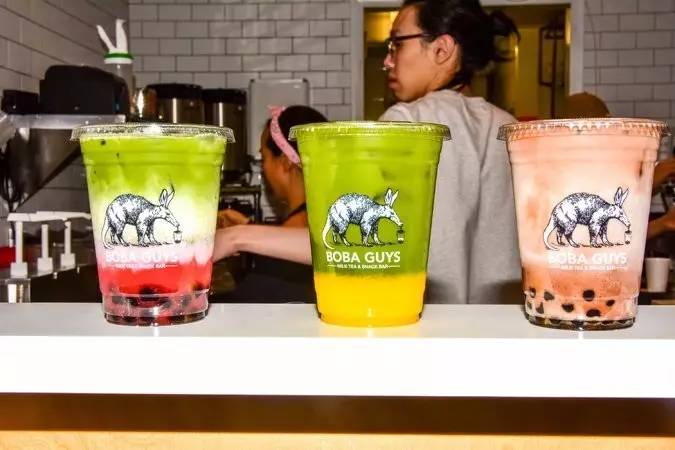
Photo: The New York Times
The Times revised its original headline on Thursday to focus on America’s growing fanbase of bubble tea drinkers: “Bubble Tea Purveyors Continue to Grow Along With Drink’s Popularity.”
《纽约时报》于周四将原来的标题修改为“珍珠奶茶逐渐流行,店面数量持续增加”,将关注点放在美国的珍珠奶茶消费者不断增加这方面。
“The reader complaints have merit. In retrospect, we wish we had approached the topic differently (if at all),” Pollock wrote.
波洛克在文章中写道,“读者的投诉有道理,现在回想起来,我们希望我们曾经用不同的方式处理这个话题。”
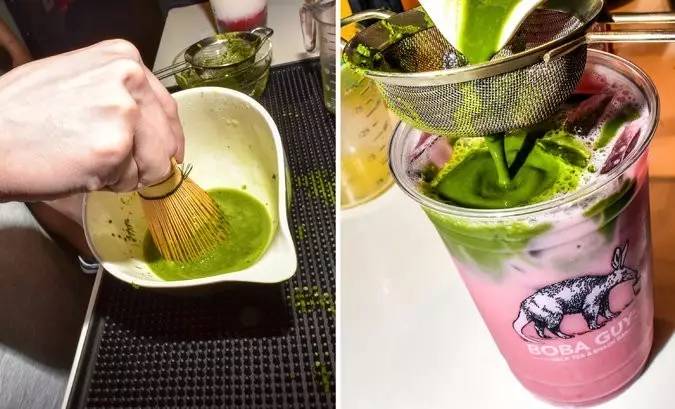
Photo: The New York Times
“There may be a story in the expansion of bubble tea businesses in the United States, but there is no denying the drink has been around for quite a while,” she added. “And we regret the impression left by some of the original language in the article, which we have revised in light of the concerns.”
“美国奶茶事业扩张的背后有故事,但是不可否认的是,珍珠奶茶在美国出现已经有很长一段时间了。我们在原来的文章中使用了一些词汇,给人留下的不好的印象,我们对此感到非常后悔,现在根据建议,我们已经对文章做出了修改。”
By then, however, the damage had been done.
然而在那时候,文章已经(对读者)造成了伤害。
▲Via The Huff Post 《赫芬顿邮报》
不仅造成了伤害,还是持续性伤害,因为在关于“异国风情”的食物报道上,《纽约时报》曾经有过不少“不靠谱”的表述,引起读者反感。据石英财经网盘点:
The food: ramen
中枪食物:拉面
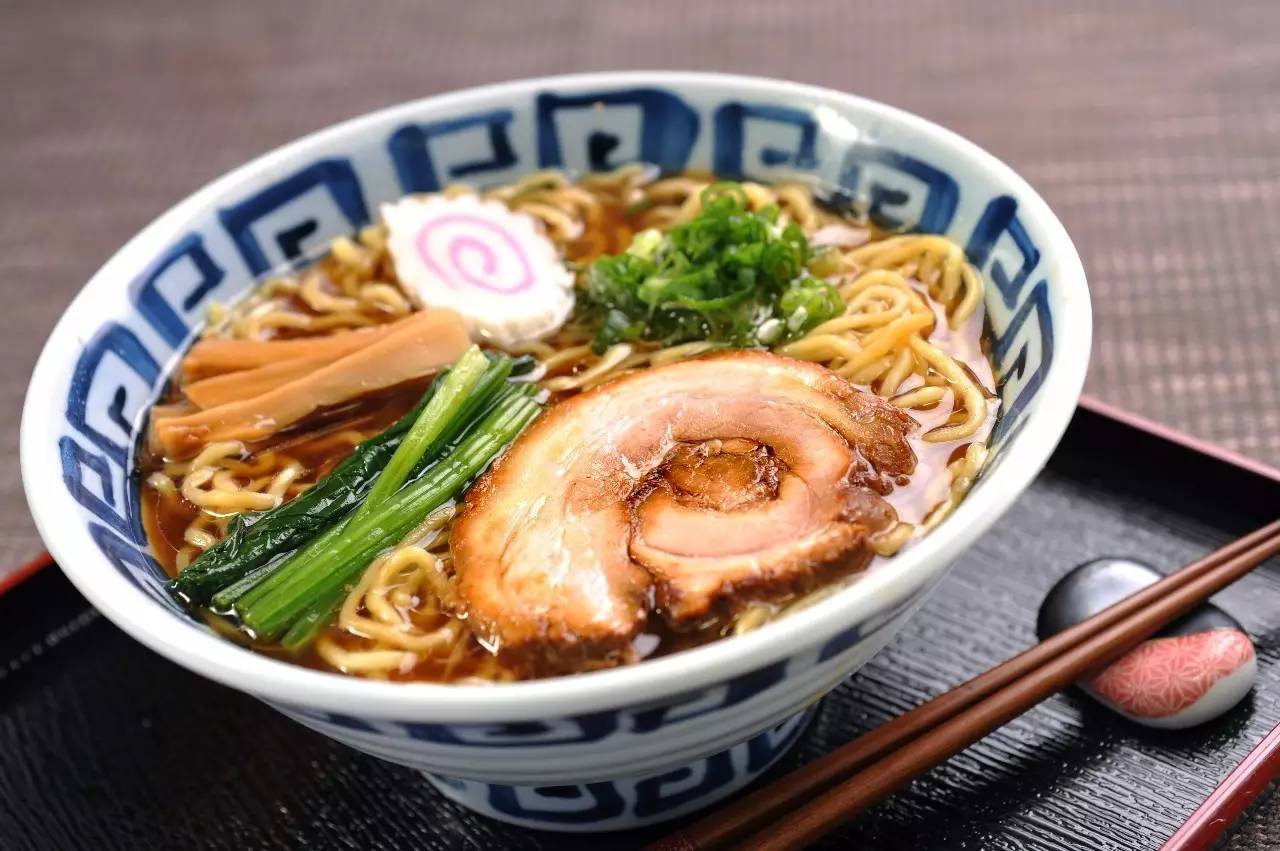
Invented in Japan in: the 19th century
于19世纪发明于日本
Discovered by the Times in: 2004
《纽约时报》“发现”时间:2004年
Choice quote: “‘Ramen?’ you ask. ‘That plastic-wrapped block of dry noodles and powdered soup?'”
中枪描述示范:“拉面?你说得是那种装在塑料袋里干干的面条配上粉末冲的汤吗?”
The food: Korean food (generally)
中枪食物:韩国菜
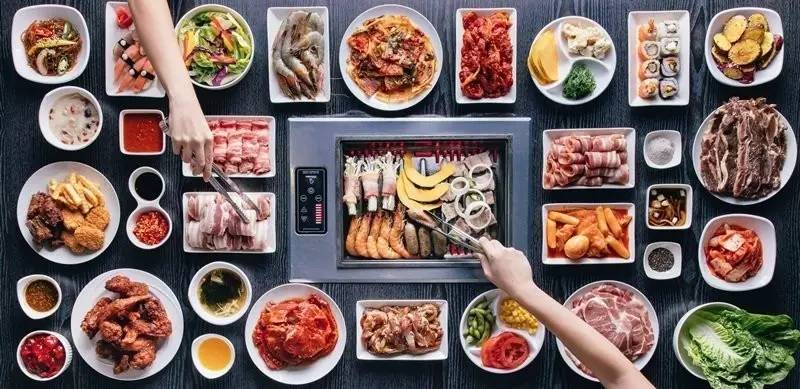
Invented in Korea in: …a very long time ago?
很久很久以前…发明于韩国
Discovered by the Times in: 1999
《纽约时报》“发现”时间:1999年
Choice quote: “This pickle, the soul of Korean food, may be familiar to New Yorkers from salad bars.”
中枪描述示范:“这种泡菜是韩国菜的灵魂,纽约人可能在沙拉店见过它们。”
The food: banh mi
中枪食物:越南三明治
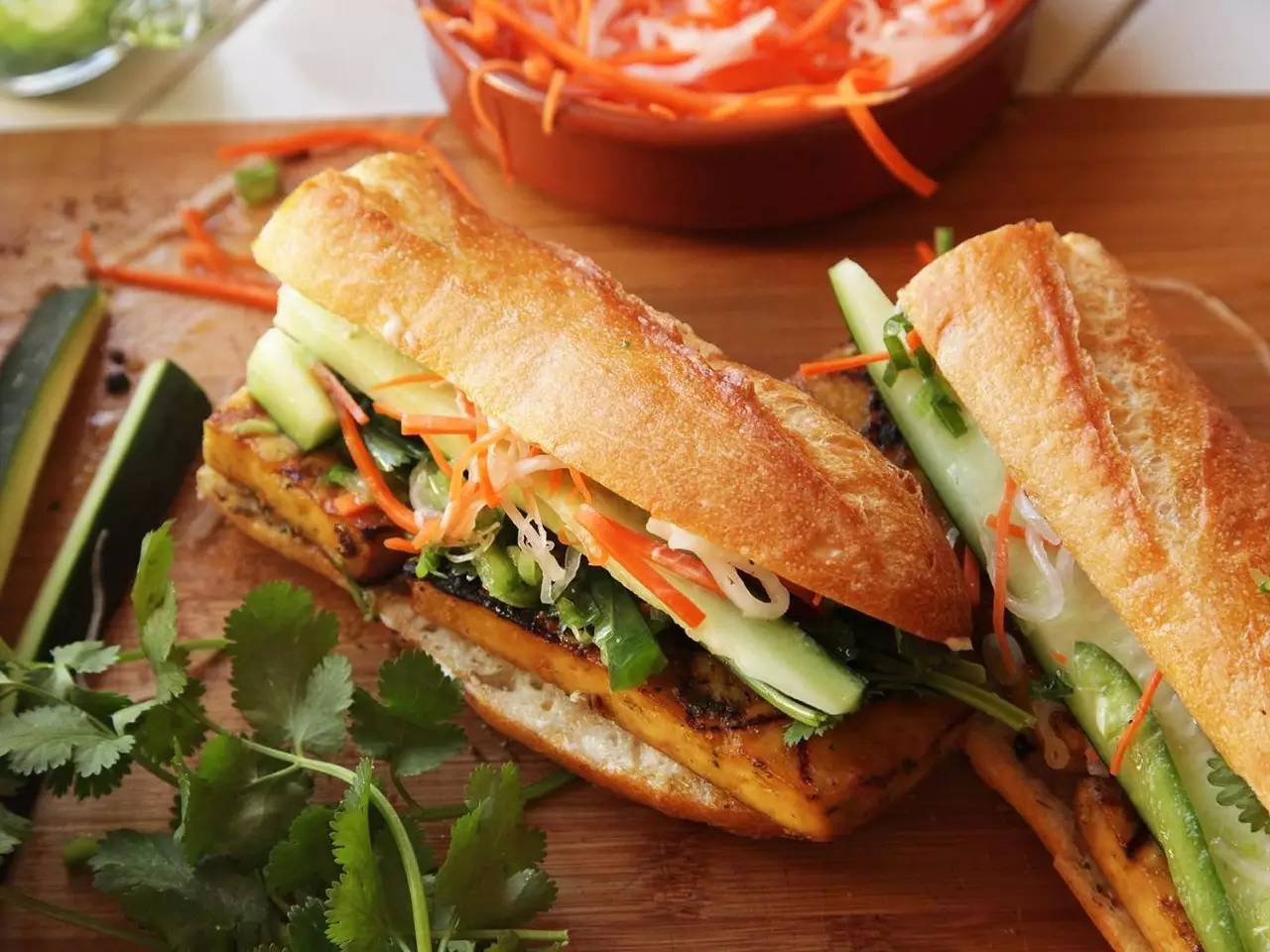
Invented in Vietnam in: the 1950s
于1950年左右发明于越南
Discovered by the Times in: 2009
《纽约时报》“发现”时间:2009年
Choice quote: “They are so rich in history, complex in flavor and full of contradictions that they make other sandwiches look dumb.”
中枪描述示范:“它们的历史非常久远,口味丰富而充满了矛盾感,其他三明治与之相比都会黯然失色。”
The food: fernet con Coca
中枪食物:可乐布兰卡
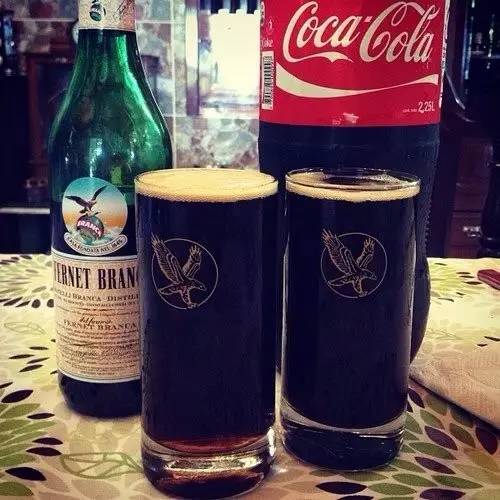
Invented in Argentina in: the 1990s
于1990年左右发明于阿根廷
Discovered by the Times in: 2015
《纽约时报》“发现”时间:2015年
Choice quote: “The mix may bewilder in Italy, where fernet is still taken in the traditional manner as a digestif, mainly by older crowds. Sometimes, Italians add a drop to their espresso before work.”
中枪描述示范:“这种混合饮料可能会让意大利人感到困惑,菲奈恃·布兰卡酒在意大利传统中是一种餐后酒,主要饮用人群是上了年纪的人。有时,意大利人会在工作前加一点这种酒到他们的意式浓缩咖啡里。”
The food: pho
中枪食物:越南米粉
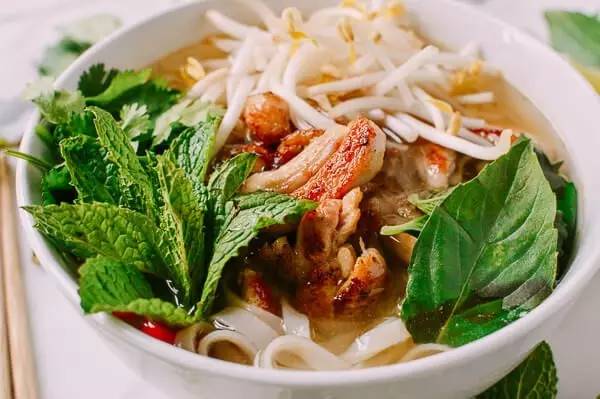
Invented in Vietnam in: the early 20th century
于20世纪早期发明于越南
Discovered by the Times in: 2003
《纽约时报》“发现”时间:2003年
Choice quote: “Huu Ngoc, a social historian, sees it as a symbol of the national fight for self-determination: even in the darkest times, when the wars against the French and Americans were going badly, the Vietnamese were always free to express themselves by making and eating pho, their own culinary creation.”
中枪描述示范:“社会历史学家Huu Ngoc认为越南米粉是为了国家自主权而奋斗的象征,即使在最黑暗的岁月里,当抵御法国人和美国人的战争逐渐恶化时,越南人也依然可以通过制作和食用越南米粉这种本土原创食物来自由表达自己的意见。”

对此,石英财经网援引一位洛杉矶时报撰稿人、批评家的话表示,这些作者在写作时开启了“哥伦布视角”,并呼吁编辑团队需要更加多元化。
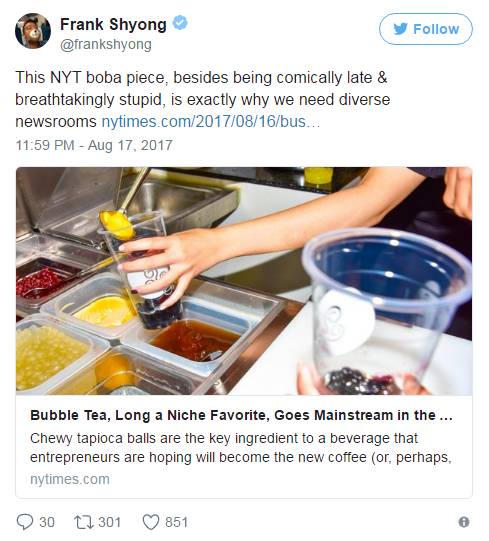
It’s not a problem for the Times and other publications to write about food from a wide range of cultures. That’s great! The problems arise when writers—particularly white writers—start “Columbusing”; that is, when they suggest they’re discovering a food that has in fact been around for a very long time, and treat the food item as something bizarre or exotic. As Shyong notes, if the media wants to avoid falling into this pattern, hiring a more diverse newsroom would go a long way.
对于《纽约时报》和其他的出版物来说,描写来自不同文化背景的食物不是问题,反而是一种很棒的做法。但是问题在于,作者(尤其是白人作者)在写作时开启了“哥伦布视角”,这样会使得他们用“发现新大陆”一般的方法去写“新”食物,但是这些食物实际上却已经在生活中存在了很长一段时间了。而且,他们会将食物描绘成非常奇特、带有异国风情的样子。Shyong(洛杉矶时报撰稿人、批评家)指出,如果媒体希望避免发生这样的情况,从长远来看,他们需要让新闻编辑团队变得更加多元化。

▲Via Quartz 石英财经网
来源:《纽约时报》,《赫芬顿邮报》,石英财经网,推特综合/图片除标注外均来自网络