一周全球新鲜和时髦生活方式,都有新词来描述。大伙与翻吧君一起来看看这些新词讲了哪些新鲜事和时髦生活吧!
1 economics of running: 跑步经济
2 soap grafting:肥皂嫁接
3 percussive maintenance:敲打式维护
4 kippers ( kids in parents' pockets eroding retirement savings) :“奇葩族”(蚕食父母退休金的孩子)
5 vulgarity gap: 粗俗代沟
6Little black dress:小黑裙
7 eye candy:养眼花瓶
1
跑步人群增多催生“跑步经济”
最近几年,身边跑步的人越来越多。周末早晨去奥林匹克森林公园,你会看到好多跑团在活动,而且每个人的装备都相当专业。一般来说,这样的活动参与者逐渐增多,自然会催生对运动服装、鞋类以及配套装备的需求。这样一来,跑步这一门生意也就算成型了。

There are two areas in which runners are prime consumers: footwear and events. In addition, runners often spend on other areas, such as apparel, accessories, books, magazines, coaching, specialty food and drink, and so on. The number of runners is increasing, and the economics of runningis growing with it.
跑步人群在两个方面的主要的消费群体:跑步鞋和赛事。此外,他们还会在服装、配饰、书籍、杂志、教练、专用饮食等方面有支出。随着跑步人群逐渐壮大,跑步经济也随之发展起来。
Runners are always going to need shoes and they are always going to be looking for races. It has always been thus, and will continue to be so. Both of these markets have matured during the past 30 or more years, but if history is any guide, are nowhere near saturation, because shoes will continue to wear out (quickly!) and events are even more disposable.
跑步的人总是需要买鞋,他们也一直都会找一些赛事去参与。这种情况过去如此,未来也是一样。跑步装备和赛事的市场在过去30多年间日趋成熟,但还远远没有达到饱和的状态,因为跑鞋总会穿破(真的很快会破),而赛事总是办完一个还有另一个。
In addition, as fast as consumers leave the sport, new ones appear. The growth in running, particularly in running in organized events, has increased in recent years beyond the expectations of even the most wildly optimistic manufacturers, retailers and event managers.
而且,虽然不断有人离开跑步运动,但新的人群在不断加入。跑步运动的普及,尤其是跑步赛事在最近几年增长的规模远远超出了所有运动产品生产商、零售商和赛事组织者的预期。
Runners have shown a strong desire to participate in certain events, regardless of the entry fees. In economic terms, demand has outweighed supply, at least as it applies to some big-ticket events, the key word being "event." A distinction must be drawn between a "race" and an "event." The former offers participants primarily the competition itself, while the latter is certified entertainment, with corporate sponsorship, high quality food and drinks, music, cheering spectators, big crowds and inevitability—high entry fees.
跑步爱好者有强烈的意愿参加一些赛事活动,而不会计较报名费用多少。在经济学上来说,这叫供不应求,至少在一些大牌的赛事上来说,是这样的情况。这里的关键词就是“event”。我们要搞清楚race(比赛)和event(活动)的区别。比赛就是让你参加一个跑步的比赛,而(赛事)活动是经过登记认证的娱乐活动,有集团赞助,优质的饮食,音乐,啦啦队,大批观众,当然,还有高昂的报名费。
2
节俭生活妙招:肥皂嫁接
肥皂用到最后的时候,往往就剩下一小块,用着不方便,直接扔了又可惜,于是,有的人会将快用完的小块肥皂直接沾点水贴在新的肥皂上继续用,你有没有这样做过呢?
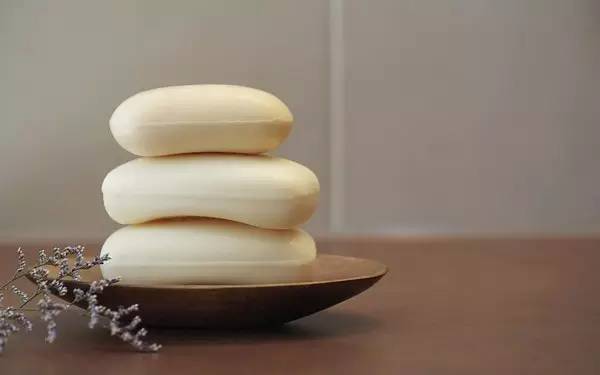
Soap graftingis the act of attaching an almost completely used piece of soap to a new, unused piece because it is now too small to be conveniently used but you also don't want to waste it.
如果你觉得快用完的小片肥皂滑滑得不好拿,但是丢掉又太可惜,你就可以将它粘在一块新的肥皂上继续使用,这个过程就叫soap grafting(肥皂嫁接)。
To graft is to attach a twig or bud from one plant to another plant so they are joined and grow together. Here is soap grafting, it means to join one thing to another as if by grafting.
Graft就是指把一种植物的嫩枝或嫩芽附着在另一种植物上,让它们彼此连接,长成一体,也就是“嫁接”。我们这里说到的肥皂嫁接,其实相当于用嫁接的方式把两件东西结合在一起。
For example:
My mum always soap grafts because she doesn't want to waste anything. Soap grafting is good.
我妈妈经常把快用完的肥皂粘到新肥皂上用,因为她不想浪费任何东西。这种肥皂嫁接是个不错的办法。
3
电子设备“敲打式维护”
来自小时候的记忆:电视*放播**不流畅了,用手拍拍电视机;收音机接收信号不佳,就把收音机挪个地方或者敲打两下;手表走得不准了,就拿起来晃一晃。我们生活中的这些设备,在很多时候是不需要专门的技术来维护的,时不时敲打几下就能正常运转。这就是我们今天说的“敲打式维护”。
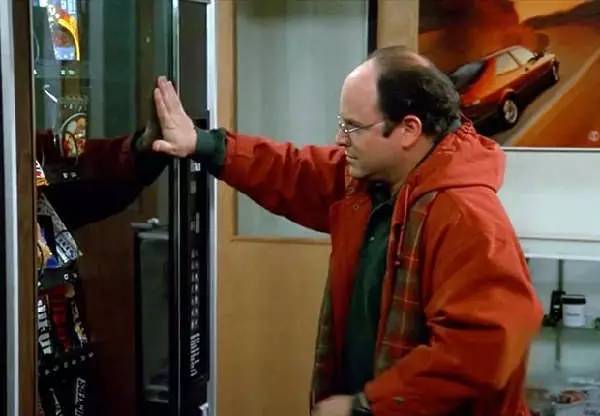
Percussive maintenancerefers the use of physical concussion, a knock or a tap, in an attempt to make a malfunctioning device work instead of asking for professional help.
“敲打式维护”指设备有故障的时候,不找专门的维护人员,而是用敲打的方式让其恢复运转。
Percussive maintenance happens when your piece of electronic device — television, computer, etc — won't work, you give it a sharp unscientific whack to revive it. And it often works.
电视或电脑等电子设备出故障的时候,你有时会通过敲打的方式让其恢复运转。而且这种方式通常都会管用。
For example:
My computer keyboard didn't work yesterday, I couldn't type even a single letter. After a percussive maintenance, it worked like a newly-bought.
昨天我的电脑键盘坏了,连一个字母都打不出来。我给敲打了一下,然后就跟新买的一样好用了。
4
在家啃老的“奇葩族”
房价太高,租金太贵,生活费不够用,这些因素导致越来越多的成年子女不愿意离开父母独立生活。他们在家里享受着各种便利,而且有时还会让父母用退休金补贴自己。

The combination of high property prices and laziness has left many parents with the surprise — one that is not always welcome — of finding their thirtysomething children are not in a rush to leave.
高企的房价和惰性使得很多父母面临一个不太乐观的境地,家里三十多岁的孩子并不着急出去独立生活。
They are “kippers”, an acronym for “kids in parents' pockets eroding retirement savings”.
这些孩子就是“奇葩族”,英文kippers就是kids in parents' pockets eroding retirement savings(在父母兜里蚕食他们退休金的孩子)的缩略形式。
Of those adult children who live at home, 30% don't work at all and 49% are in full-time employment. Of those in work, 58% live at home rent-free and only one-third are charged rent, averaging at 95 pounds per month.
跟父母住在一起的成年子女中,有30%根本不上班,有49%全职上班。全职上班的人当中,有58%住在家里享受免租金待遇,只有三分之一会支付租金,平均每月95英镑。
5
两代人之间的“粗俗代沟”
年轻人觉得影视剧里出现亲吻镜头再正常不过,可父母一辈却可能会觉得不好意思,然后转过头去。时代在变迁,不同年代和文化的人对“粗俗”的定义和容忍度也在发生变化,这就产生了vulgarity gap(粗俗代沟)。
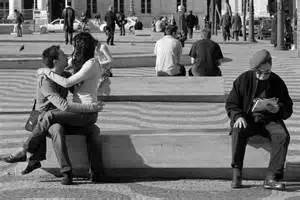
Vulgarity gapis a disparity in the tolerance for vulgarity between generations or communities.
粗俗代沟(vulgarity gap)指两代人或两个不同的群体对于粗俗行为的不同包容度。
It has become a cliché to posit that millennials/Generation Y have an ease with crudeness that distinguishes them from their parents’ generation. Millennials are perfectly comfortable with language and humor that makes their parents’ generation blush. Similarly, things that in one language are quite vulgar, are not so gross in another.(Source: Word Spy)
说千禧年一代(即80后)与他们父母一代最明显的区别是他们对粗俗行为的见怪不怪,这已经不是新鲜的观点了。那些会让他们的父母脸红的语言和笑话,千禧年一代却觉得没什么大不了。类似的情况是,在一种语言里很粗俗的事情在另一种语言里却没有那么不堪。
6
衣橱里必不可少的那件LBD
工作以后,难免会有一些场合需要穿正装。每当这个时候,我们就会发现多数女性穿的都是黑色小裙子,不管搭配什么样的外套或配饰,看上去都很得体。看来衣橱里不能少了黑色小礼服喔。
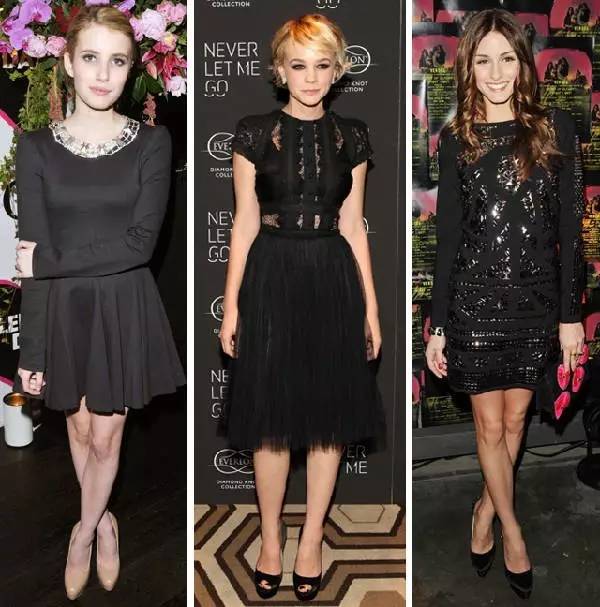
A little black dress (LBD) is a black evening or cocktail dress, cut simply and often quite short, with little decoration, and useful for nearly any occasion. It is minimal to call attention to the wearer without distracting.
Little black dress(多译作“小黑裙”)指外形简洁、裁剪较短的黑色晚礼服或酒会礼服,装饰很少,各类场合都适宜穿着。不扎眼但又能吸引别人注意。
Fashion historians ascribe the origins of the little black dress to the 1920s designs of Coco Chanel, intended to be long-lasting, versatile, affordable, accessible to the widest market possible and in a neutral color. Its ubiquity is such that it is often simply referred to as the "LBD."
时尚历史学家称这样的小礼服可以追溯到上世纪20年代可可•香奈儿的设计,设计初衷就是要让其长久流行、多功能、价格适中、通行于各类市场而且颜色低调。这款小礼服几乎已无处不在,因此很多时候大家都将其简称为LBD。
The "little black dress" is considered essential to a complete wardrobe by many women and fashion observers, who believe it a "rule of fashion" that every woman should own a simple, elegant black dress that can be dressed up or down depending on the occasion: for example, worn with a jacket and pumps for daytime business wear or with more ornate jewelry and accessories for evening.
很多女性和时尚达人都认为,没有小礼服的衣橱不能算是一个完整的衣橱,她们认为每个女人都应该拥有一件简单、优雅的小黑裙,根据不同的场合进行不同的搭配:比如,白天上班可以搭配一件外套和高跟鞋,晚上则可以搭一些珠宝配饰。
7
养眼花瓶 eye candy
我们都知道在演艺界通常都分“实力派”和“偶像派”。前者靠本事取胜,而后者多少都靠脸蛋或身材取胜。当然,我们也不能否认有一部分偶像和实力兼具的艺人存在。那些长相出众的艺人就难免会被人冠以“花瓶”的称呼,也可能人家也很有内容,但是大家都忙于关注他们的外表而忽视了他们的内容。这样的人在英文里叫做eye candy。

A common slang term for visually appealing persons or effects used to draw mass attention is eye candy. The implication is that they are eye-catching in a superficial fashion. Like actual "candy", this addition is seen to be neither nutritious nor substantial, but rather provides a potentially addictive appeal which will sustain the attention of a wider audience, possibly despite their better nature.
英语俚语中通常用eye candy这个词来指代在视觉上颇具吸引力的人或者能够吸引人眼球的视觉效果,我们暂且译为“养眼花瓶”。也就是说,这些人或者视觉画面从表面来说很具有吸引力。就像candy(糖果)一样,既没有什么营养价值,也没什么实质内容,而只是能够引起更多人关注的兴趣。至于他们本质如何,则通常少人在意。
The term may have been originated by interactive videodisc, user interface designers working at INTERAC Corp. in 1983. Their work integrated text, audio, graphics, photographic images, and video into a seamless presentation. The "eye candy" referred to visually appealing images supporting the overall message.
Eye candy这个词初见于1983年,是由INTERAC公司的互动视盘、用户界面设计师首先使用的。他们将文本、音频、图标、照片以及视频融合成一个整体的展示界面,而eye candy指的就是为上述整体信息提供支持的视觉画面,这些画面通常都会设计得非常吸引人眼球。
The term is also used to refer to actors or actresses perceived to have been cast primarily for the visual enjoyment of the audience. Various novels, articles, and stories have used this slang term to show a physical attraction one person has toward another.
Eye candy也可以指代那些仅仅用来让观众赏心悦目的演员(通常被我们称为“花瓶”)。很多小说和文章都曾经用这个词来表现一个人的外在吸引力。
编辑:马文英