无论什么时候被问到在我所认识的人中谁是最传奇的,我会毫不犹豫的回答,是我的外婆。我是个美籍华裔,从小在美国长大。像许多孩子一样,我眼中的外婆就是位和蔼可亲的老人家,对大家总是宽爱有佳,慷慨大方。每到圣诞节,我们一家都会去外婆家。每次她都张开双臂热情地欢迎我们,给我们做一顿又一顿美味大餐。
我25岁时,母亲让我和哥哥陪外婆去中国,大概需要一个月时间,要去不止一个城市。好吧,这是母亲大人的命令,我们也不敢违抗。老实说,那时的我对中国没有多大兴趣,也无心了解我们的家族历史,但我们还是陪外婆去了中国了。一路上,我们去了北京、上海、西安、兰州和敦煌。每到一个城市,外婆都受到了VIP级别的尊贵待遇。为她而办的宴会数也数不完,有一场宴会甚至是在*安门天**广场的人民大会堂举办的,出席的还有不少高级别政府官员。
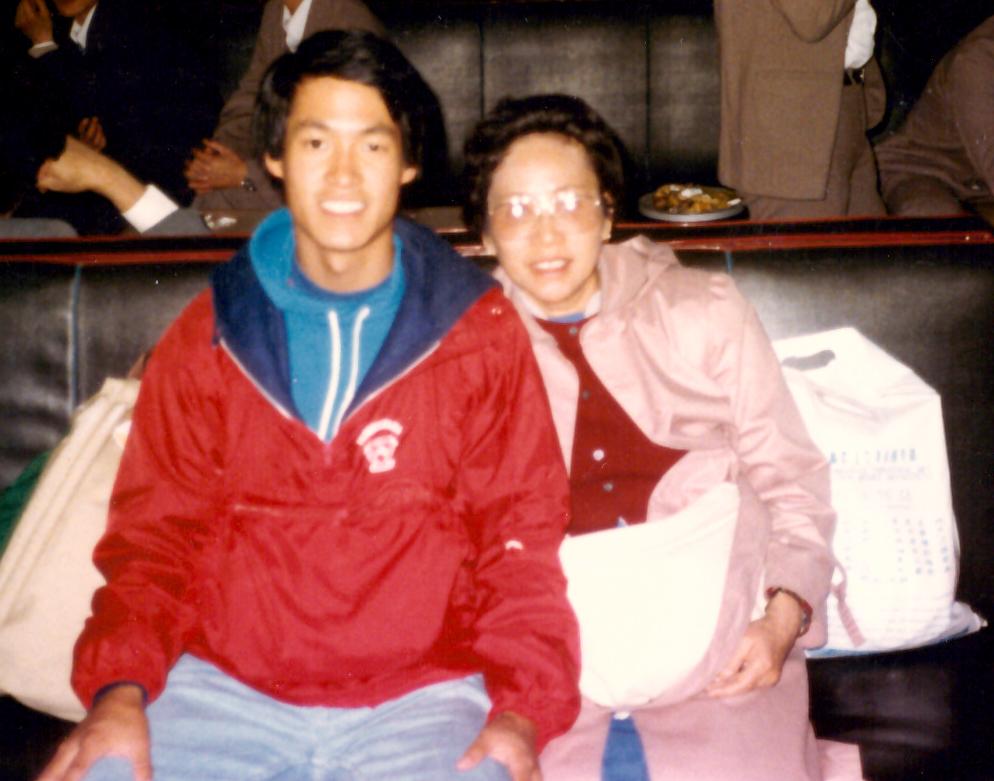
(第一次来中国的旅行,我和我的外婆在敦煌)
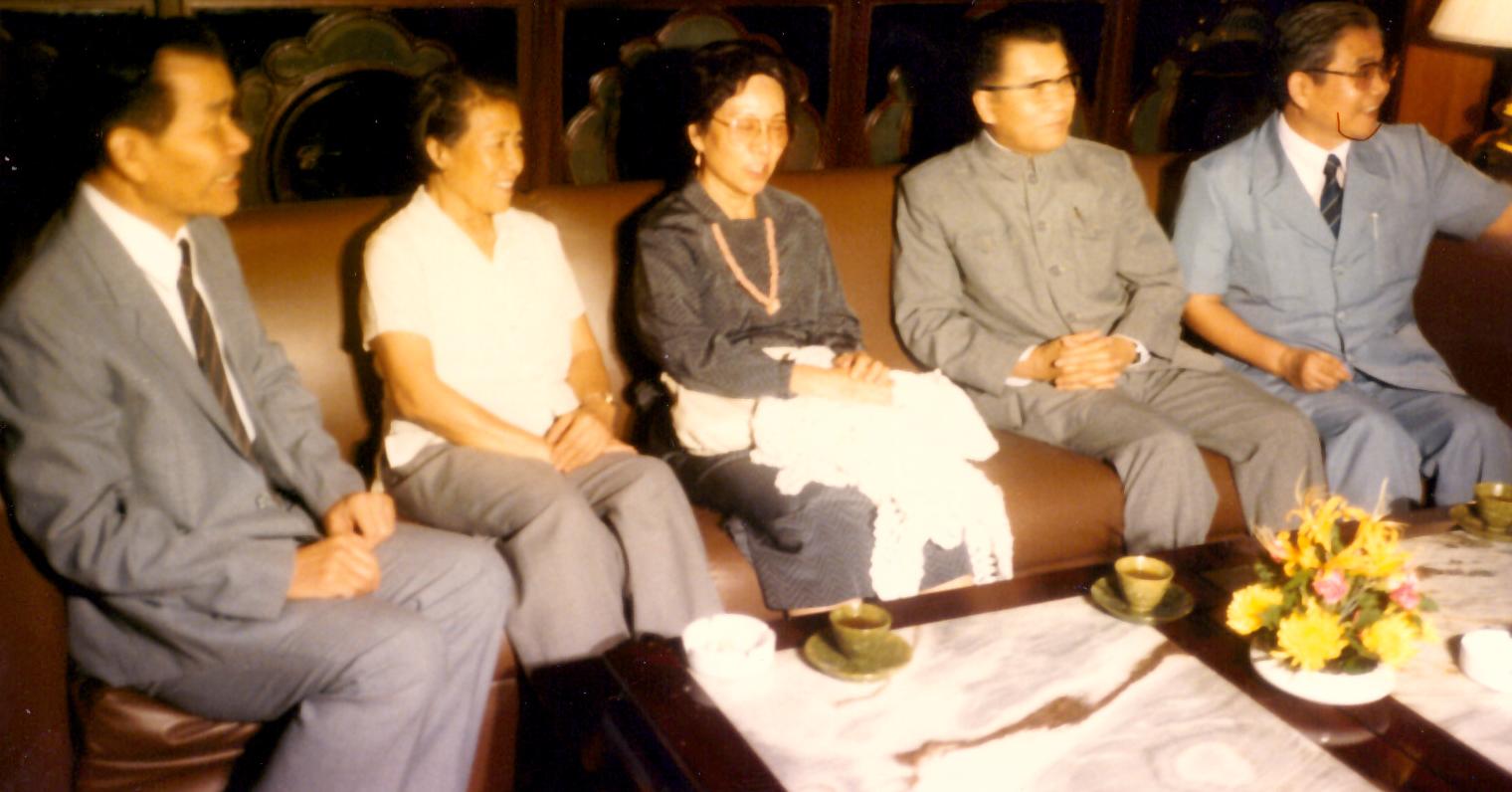
(我外婆非常荣幸出席当地政府组织的宴会)
所有这一切都令我大开眼界,给我留下了深刻的印象。但这些都比不上在最后一站广州为她举办的那场宴会。正是那场宴会彻底颠覆了外婆在我心中的形象。
我们一进宴会厅,就已经有500多名五六十岁的老人家在等着她了,全都是爷爷奶奶辈的老人。接着才知道,他们都是战争孤儿,都是我的祖父母收留的他们。抗日战争时,我的祖父母在广东创办了13个收留所和学校,而这些人仅仅来自其中一个收留所。这些收留所和学校都是庇护所,抚养、培训、教育了数千名在战争中失去父母而无家可归的孤儿。
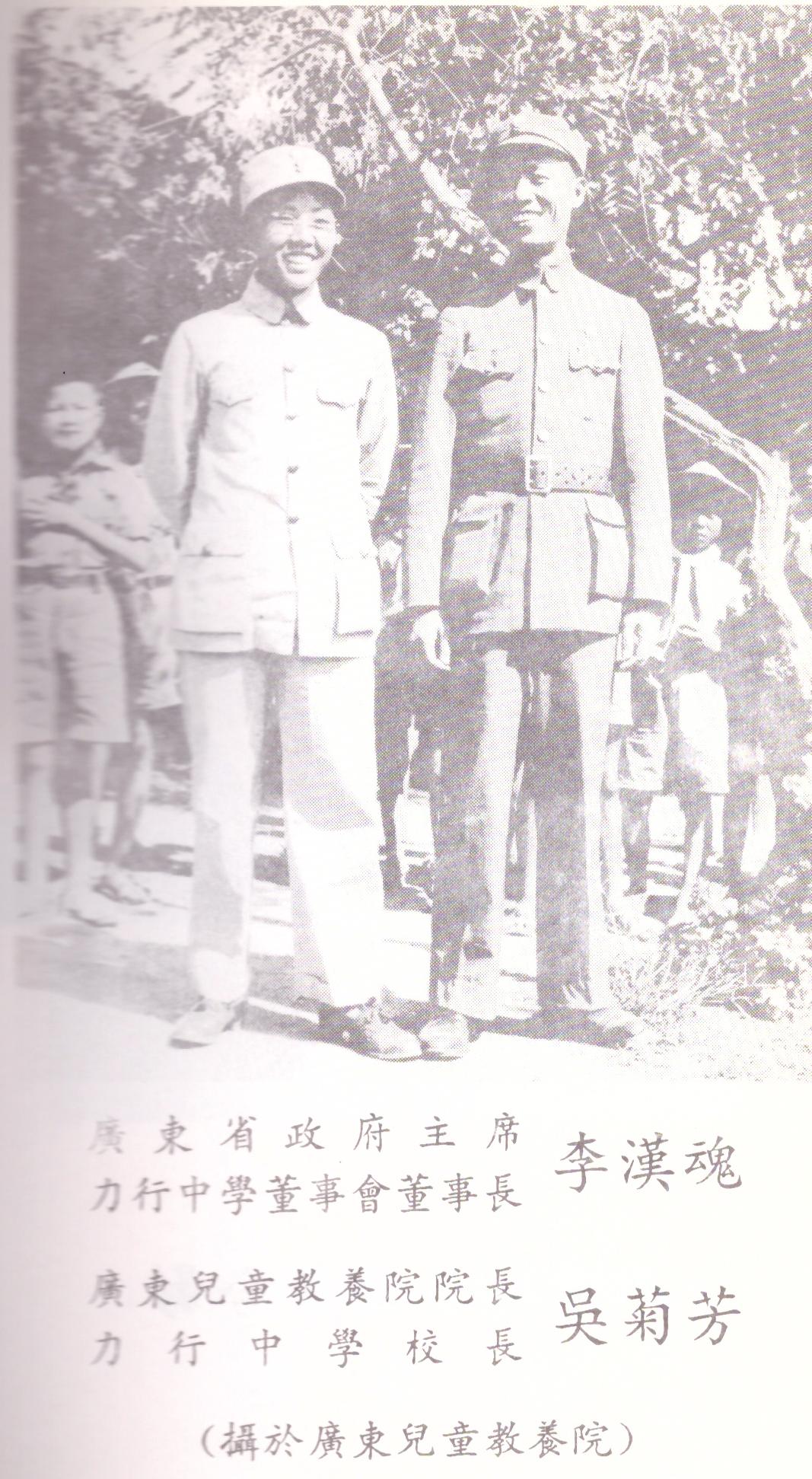
(我的外公李汉魂和我的外婆吴菊芳)
1939年,时任广东省政府主席的外公李汉魂和外婆吴菊芳前往重庆寻求经济支持,希望能帮助广东省的战争孤儿。批准后,他们在韶关创办了广东儿童*养院教**,由我外婆担任院长,负责日常运作。
起初,一切都按计划有条不紊地运行着,但随着抗战推进,儿教院遭遇到金钱和食物短缺,陷入了极度困难时期。但外婆领导有方,再加上祖父的支持,儿教院撑了下去,继续履行着自己的使命,直到1949年最后一批孤儿毕业。
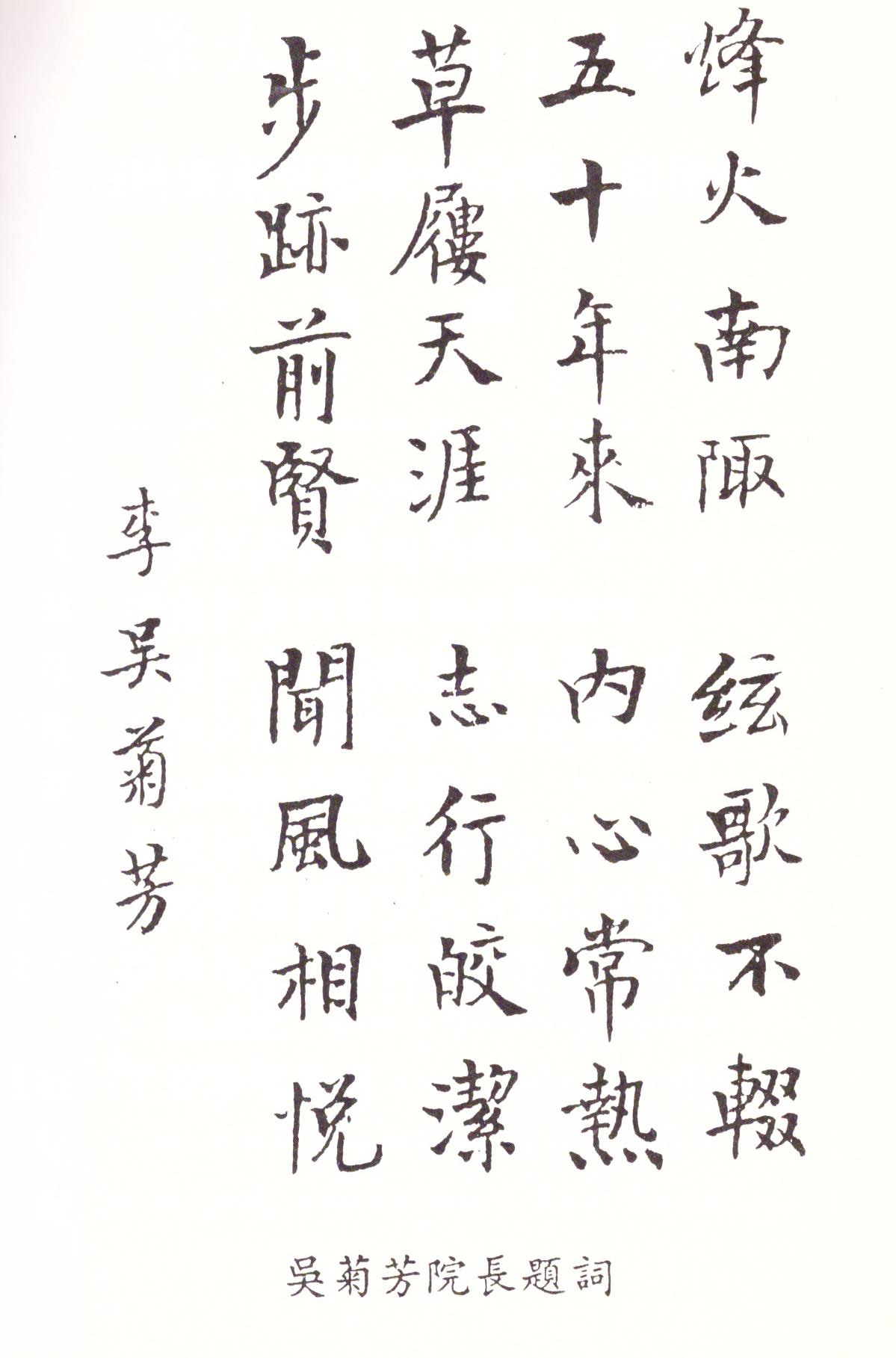
我的外婆每天都会派出不少老师,外出寻找无家可归的孩子。可以这么说,这些孩子小时候,每一个都是从田里、街上捡来的。许多孩子都营养不良,衣不蔽体,每一个由祖母创办的儿教院收养的孩子都是难民,他们在这段动荡的岁月里仍然保留着对未来的渺茫期望。
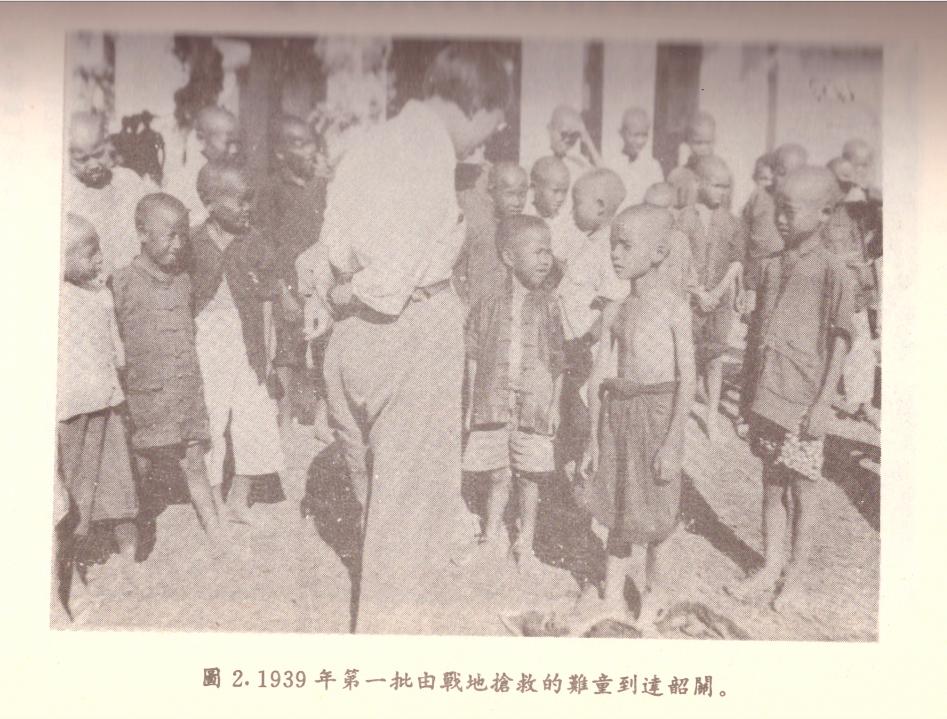
(我的外婆欢迎来广东儿教院的战争孤儿)
外婆现身时,厅里涌起一阵兴奋,顿时厅里的所有人都洋溢着灿烂的笑容,有的还夹杂着激动的泪水。那时,自上一次他们见到外婆已有四十多年了。他们呼唤外婆——“妈妈”。嘉宾签到台上铺着一条横幅,上面写着几个大字。我问母亲这些字是什么意思,她说:“没有你,就没有我们。”
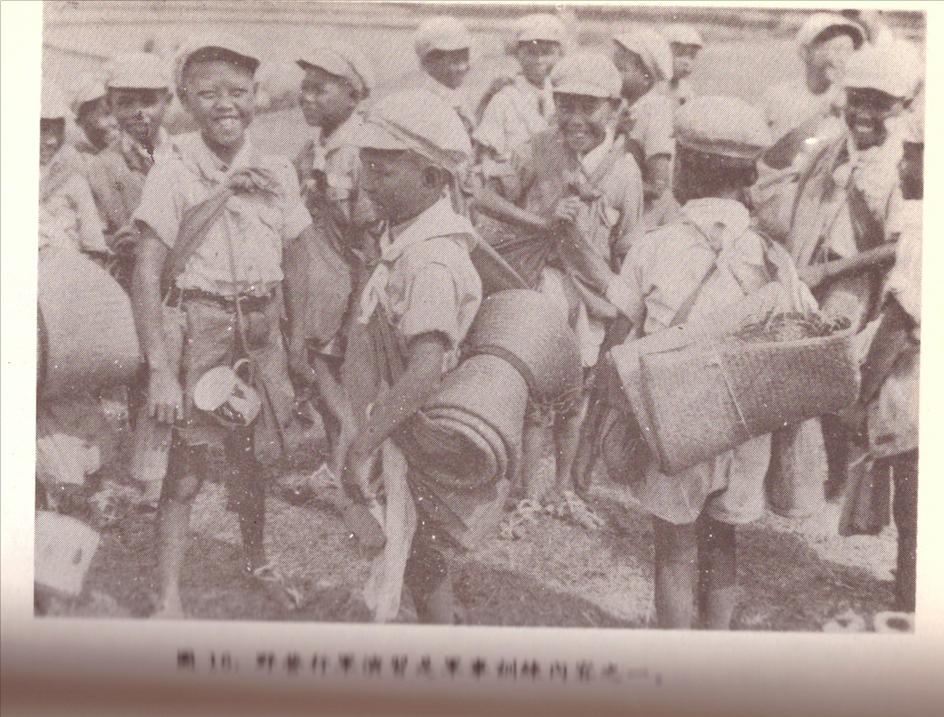
(广东教院的难童的军事训练)
那天的500名老人家代表的是总计超过3万名的孤儿,他们都在由外婆管理的广东儿教院长大。在那儿,他们不仅得到了庇护,填饱了肚子,还接受了训练和教育,成为了有用的中国人。在毕业后的数年内,他们这一代人成为了社区工作人员、教育工作者、公务员、军人和成功的企业家,如果没有外婆当年的慷慨相助,就没有今天的他们。所以,多年后,尽管他们年事已高,但还是来到了这里,向当年给了他们的救命恩人表达感谢,致以爱意——而这个人,就是我瘦小的外婆。
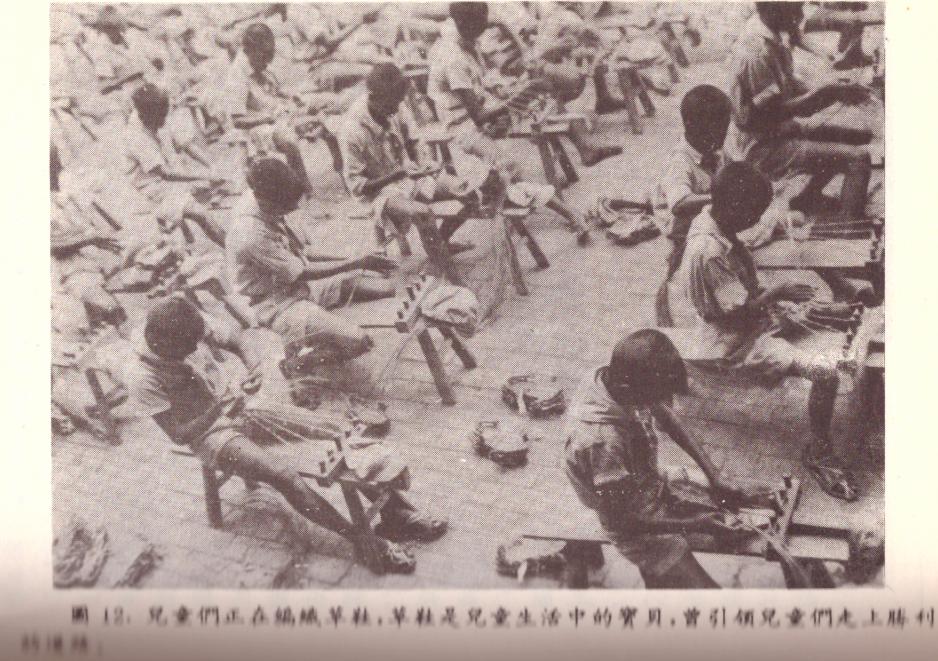
(正在做草鞋去卖的教院的儿童)
当她上台讲话时,整个厅里的人都站了起来。我在她身后将这一场景拍了照,然后看着台下的观众。台下所有人的激动之情溢于言表,满含热泪。外婆讲话时,她瘦小的身体突然变得强壮起来,她的声音突然变得有力起来,仿佛变得更加高大。这时的她不再像我熟悉的外婆,而像是一个激情澎湃的领袖,再次成为了他们的院长和资助人。每个人的眼神都牢牢地锁定在她的身上,专心地聆听着她的话。
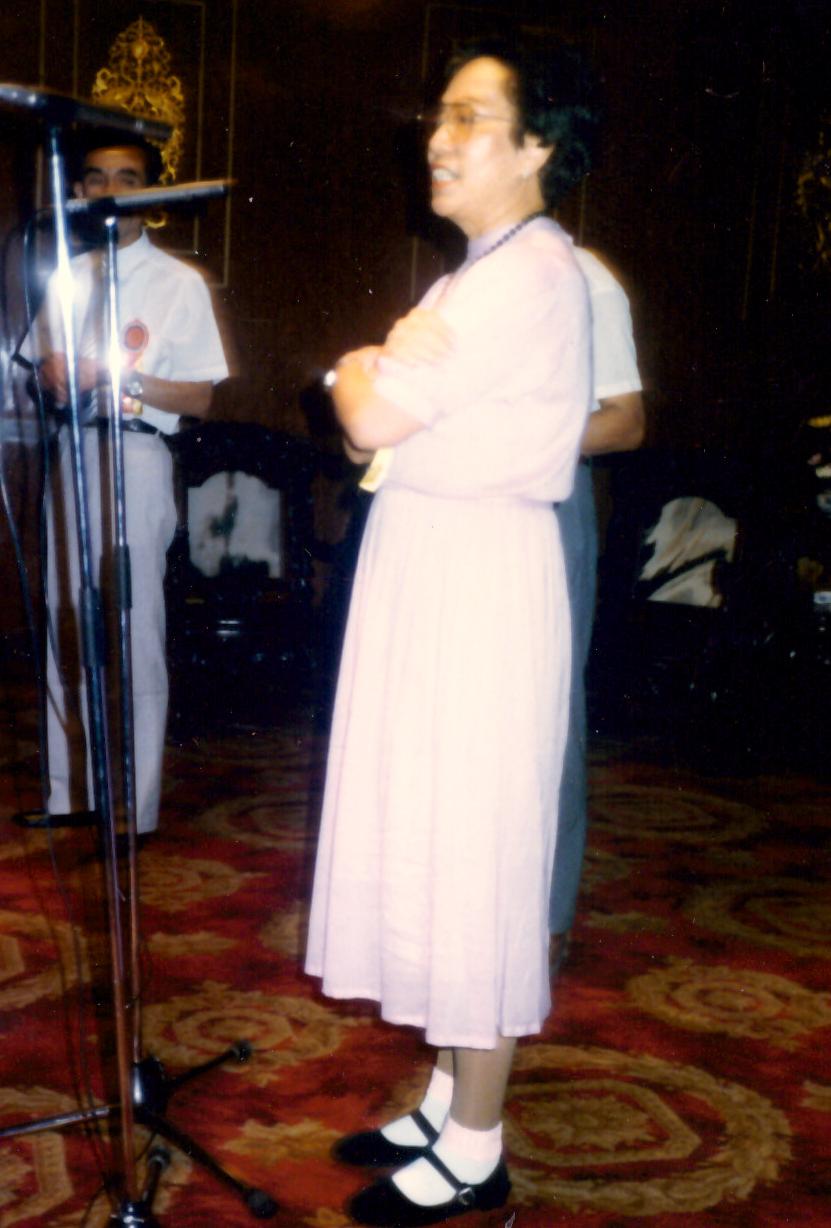
(40年后,我的外婆对500多位来广州看望她的孤儿发表讲话)
讲话结束后,一位男士拿出一个老旧的军号。他笔挺挺地站在外婆身边,把军号举到嘴边,吹出当年的晨起号子。那个男的身材并不高,还有些胖,每吹一下,脸都涨的通红,但他依然竭尽全力,就仿佛又回到了当年那个小孩。听到号角,台下的500多名老人家都稍息立正站好,也仿佛回到了从前。
接着,一位看上去已有八十多岁的当年女教师唱起了校歌。500多名老人家再次回到了当年的青春,自豪、热情洋溢地跟唱起了校歌。所有人鼓掌。我的目光所及之处,都是闪闪发亮的愉悦眼神。整个宴会厅激情澎湃,洋溢着年轻,仿佛每个人都回到了当初,重新体会到了四十多年前的那番感受。
宴会结束后,所有人在她面前排成长队,一个个与她热情的拥抱。我的外婆身材并不高大,在许多男士的熊抱中差点找不见影。每个人都有话对她说,几乎所有人的眼中都满含泪光。她对他们也有回话。光告别就用了一个多小时。仅仅是看着每个人如此激动地拥抱她,我就已经觉得筋疲力尽。
终于等到最后一个人离开宴会厅,我们陪着祖母走到宾馆电梯。她是最后一个走进电梯门的,因为她还要和宴会组织者道别、道谢。电梯门关上后,她的肩膀猛地松了下来。她已经累瘫了,但双眼依然明亮。接着她对我们笑了笑,举起手,一句话也没有说,只是和我们有力地击了个掌。
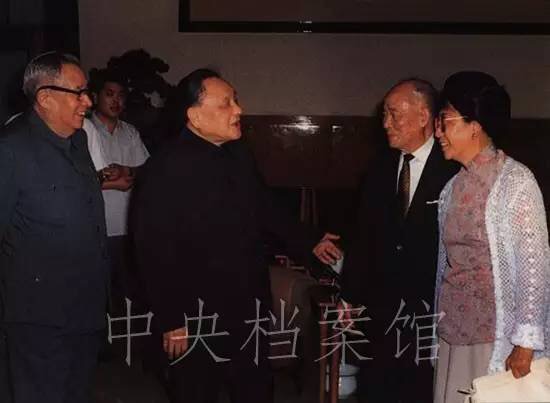
我的外公外婆作为真正的爱国者,在回国后受到欢迎
一直以来,我都知道外婆早年间做了些了不起的事情。我很幸运,能有机会亲眼目睹到我从未见过,从未充分了解过的外婆的另一面。那场宴会是我参加过最振奋人心的活动,对我产生了足以改变人生的影响。因此,每当有人问我,谁是我印象最深,最能鼓舞人心的人,第一个跳入我脑海的都是外婆。正因为她,我在创办自己的公司“王李亚洲资源”时,才会把“李”这个字加入公司名——仅以向一生受无数人喜爱的外婆表达敬意。在我眼里,她就是位名副其实的“传奇”人士。
The Most Extraordinary Person I Know Who Is Not Known By Most People
Whenever I’m asked who is the most extraordinary and inspiring person I know, I don’t hesitate for even a second to answer. It’s my grandma. That’s right, my grandma. Actually, growingup in the U.S. as an ABC, I saw my grandma like how most kids see their grandma. She was this kind, gentle, old lady who was always loving and generous. During our family visits to grandma’s house every Christmas, she’d welcome us with open arms and stuff us with one huge, tasty meal after another.
But when I was 25, my mom asked my older brother and me to accompany her to China on a one-month, multiple city tour. Okay, we were told. We had no choice. Frankly, at that time, I had no real interest in going to China or learning more about our family history. But off we went, to Beijing, Shanghai, Xian, Lanzhou, and Dunhuang. At each stop, my grandma was welcomed as a VIP and honored guest. There were many long banquets in her honor, including one with many high-ranking, government officials at The Great Hall of the People in Tian An Men Square.
All this was eye-opening and impressive to me. But it was nothing compared to the banquet held for her at our last stop in Guangzhou. It was here that my grandma became someone completely different in my eyes.
When we entered the banquet room, over 500 people in their late-50s to mid-60s were waiting for her. It was essentially a room full of grandmas and grandpas. It turns out they were all war orphans who were rescued and cared for in one of the 13 homes and schools that my grandpa and grandma founded in Guangdong province during China’s war with Japan. These homes and schools were essentially camps that fed, clothed, trained, and educated thousands of homeless orphans who had lost their parents during the war.
It was in 1939 that, as the governor of Guangdong province, my grandpa, LiHan Hun, and grandma, Wu Chu Fan, went to Chongqing to seek financial assistance to help for the war children in Guangdong. When it was approved, they established the Guangdong Er Jiao Yuan (Guang Dong Children/Orphan's School) in the city of Shaoguan. As its principal, my grandma headed the Guangdong Er Jiao Yuan’s day-to-day operations.
At first, everything went according to plan. But as the war went on, they ran short of money and food. This began a very difficult time for the school. Using every resource available to them, the children even made shoes, paper, and simple housewares by hand from straw to sell and earn money to buy rice.But through my grandma’s leadership and my grandpa’s support, the Guangdong Er Jiao Yuan managed to continue their mission until 1949, when the last of the children graduated from the school.
So when they were young, each person in the room was literally picked up from the fields and streets by the teachers whom my grandma sent out each day to look for these abandoned kids. Most were malnourished. Many were found half-naked. For each one, the Guangdong Er Jiao Yuan that my grandma ran was a refuge and only hope for a future during this uncertain time.
When my grandma arrived, a wave of excitement hit the room. Instantly, it became filled with joyous smiles, mixed with tears. It had been over 40 years since they’d last seen her. They called her, “ma ma.” A silk banner laid on top of the sign-in table for guest with several big characters written on it. I asked my mom what it said. She told me, “It says, ‘No you, no us.’”
Actually, the 500+ people that day represented the over 30,000 orphan children, in total, who were cared for by the Guangdong Er Jiao Yuan that my grandma supervised. Far beyond just being sheltered and fed, they were trained and educated to be good citizens of China. In the following years, they became a generation of Chinese community servants, educators, government officials, military officers, and successful business leaders who would not have otherwise existed without my grandma’s help. So here they were, as elderly people many years later, to show their gratitude and love for the person who virtually saved their lives and gave them a future. My little, old grandma.
When she took the stage to speak, the entire room stood up. I took pictures from behind her and looked out at the audience. Every face was emotional and tearful. As my grandma spoke, her body suddenly became stronger and her voice more commanding. Her stature rose. When she spoke, she didn’t sound like my grandma, but like an inspiring leader who was their principal and benefactor once again. Every person’s gaze and attention became transfixed on her and her words.
When she finished speaking, a man took out an old army bugle. He stood erect next to my grandma, raised it to his mouth, and began trumpeting the old, morning wake up call. He was a short, overweight guy. With every blow into his bugle, his face turned flush. But he gave it everything he had, as if he was a teenager again. He too was transformed, as were 500+ elderly people who all stood at attention.
Then one of the teachers, a woman who looked to be in her early 80s, began to sing the school song. Again, 500+ voices recalled their youth and began singing with pride and unrestrained enthusiasm. The whole room began to clap. Everywhere I looked, I could see eyes glistening and filled with happiness. The room turned energetic and youthful. It was as if each person was revisiting who they were and what they felt like over 40 years ago.
When the banquet ended, everyone stood in line and filed past her. One by one, they gave her a warm, hard embrace. My grandma’s not a big person, so many of the men swallowed her in their arms in a big bear hug. Each person had words to say to her, most tearfully. She said something to each one in return. Just the goodbyes took over an hour. I felt exhausted just watching each person hug her with so much emotion.
When the last person finally left the banquet room, we walked with my grandma to the hotel elevator. She was the last one to step inside, saying a last goodbye and thanks to the banquet organizers. When the door closed, her shoulders dropped. She turned around and looked at us. She was exhausted, but her eyes were bright. Then she smiled at me, raised her hand, and without saying anything just gave me a solid, high five. Smack!
Growing up, I always knew that my grandma did some special things in her earlier life. But I was very fortunate to have the chance to actually relive and see a side of her that I never knew or fully appreciated. That banquet was the most inspiring event I’ve ever been a part of. It was life-changing for me. This is why she’s the person who always comes to my mind whenever someone asks me about the most impressive, inspiring person I know. She’s the reason why I included the name Li in my company’s name, Wang & Li Asia Resources. To be remembered, revered, and loved by so many others after a lifetime, well, to me, that’s pretty worthy of being thought of and celebrated as someone who is extraordinary.