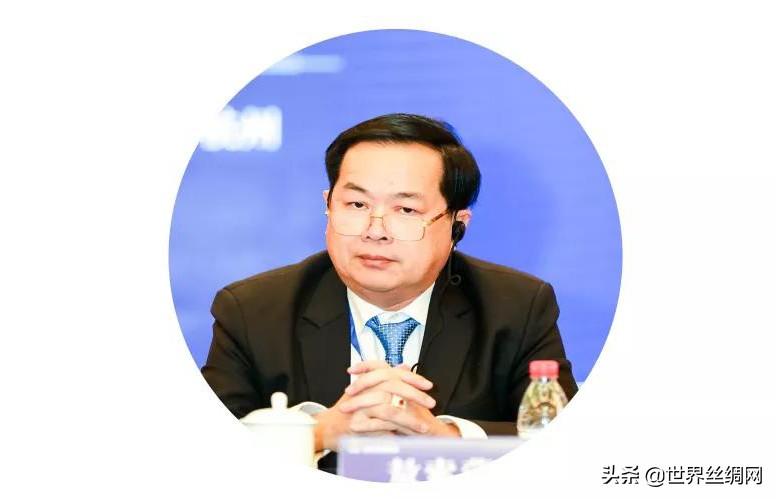
Mr. THAO Sokmuny 柬埔寨丝绸行业促进发展委员会副主席
Excellencies, chairman, leaders and representative of all silk unions and associations, honorable guests, ladies and gentlemen,
尊敬的主席、国际丝绸联盟和协会的领导和代表们,尊敬的嘉宾们、女士们、先生们:
It’s the second time that Cambodia have joint the member assembly.
这是柬埔寨第二次参加国际丝绸联盟成员大会。
On behalf of Minister of Ministry of Commerce Cambodia, H.E chairman and all the member of Cambodia Silk Sector Promotion and Development Commission (SDC in short), I would like to express my sincere thanks for the ISU invitation.
我谨代表柬埔寨商务部部长,柬埔寨丝绸行业促进发展委员会(SDC)主席和全体成员,对国际丝绸联盟的盛情邀请表示感谢。
It is an honor for me and my team to join the International Silk Union Members Assembly 2019.
很荣幸我和我的团队能参加2019国际丝绸联盟成员大会。
First of all, I would like to recap on Cambodia silk situation where silk industry in Cambodia is still using between 90 to 95% of imported silk yarn from China and Vietnam, which mean the total of up to 400 tons of silk yarn per year. Cambodia silk producer groups are based in some region including Takeo, Kom Pot, Bantey Meanchey (Phnom Srok) and Siemreap province, which the total of silk yarn per year now is approximately half a ton.
首先,我想回顾下柬埔寨的丝绸产业情况,柬埔寨使用的90%-95%的丝线从中国和越南进口,每年进口丝线达400吨。柬埔寨的丝绸生产商分布在茶胶、Kom Pot、Bantey Meanchey(金边)和暹粒,现在每年的丝线总产量约为半吨。
As of now, there are improvements toward Cambodia silk sector according to the support from Cambodia Government, development partner and a supporting partner like ISU. Cambodian silk product are now well known and reaching some international market including USA, Canada, Japan, Korea, Germany and France, but this form of export are still very limited and small.
如今,在柬埔寨政府、发展伙伴和国际丝绸联盟等单位的支持下,柬埔寨丝绸行业得到了改善。柬埔寨的丝绸产品现已远近闻名,进入了美国、加拿大、日本、韩国、德国和法国等国际市场,但这种出口形式仍然非常有限且规模很小。
Cambodian silk product and production is the work of art which required more human touch, time and labour. The sector are still using hand weaving and in the handicrafts sector. This would remain applicable to an absolute specialty, hand crafted products with human inputs of high skill.
柬埔寨的丝绸产品和生产是一项艺术作品,需要更多的人工、时间和劳动力。丝绸行业仍在使用手工织造,属于手工业领域。这将仍然适用于具有高技能投入的专业手工产品。
Silk sector played an important role in Cambodia economic as it has contributed to thousands of families in Cambodia rural areas, especially for young under-educated women and house-wife. But on the other hand, our sericulture are still weak in term of production and investment, this is the reason why we are still using a lot of imported silk yarn from China and Vietnam. The mulberry plant farming to rearing of silk in Cambodia still demanded high investment, specialized skills and human inputs besides the technological contribution. A silk product weighing just 100 gram means an output of nurturing of as many as 450 nos of silk worms over a period of about 21 days cycle; that too, up to the cocoon stage only. By the time the raw silk turns out to be a finished product, the human touch multiplies and eventually that becomes a luxury product.
丝绸业在柬埔寨经济中发挥了重要作用,因为它为柬埔寨农村地区成千上万的家庭做出了贡献,特别是对受教育较少的年轻妇女和家庭主妇。但是另一方面,我们的蚕桑生产和投资仍然很薄弱,这就是为什么我们仍然使用大量从中国和越南进口的丝线的原因。在柬埔寨,种桑养蚕仍然需要大量的投入,尤其是专业技能和人力的投入。仅重100克的丝绸产品意味着在大约21天的周期内养育多达450头蚕,这还只是到蚕茧阶段。从生丝到成品,人们参与了很多阶段,最终成为奢侈品。
As a research, silk is one of the ancient, highly prized fabric, silk is derived from the thread produced by the silkworm species Bombyx Mori. About 202,000 MT of silk are produced each year (about 0.24% of total fiber, there are approximately 85 million metric tons of fibers produced each year according to Technon Orbichon, silk production is approximately 0.235% of this total) in more than 60 countries, but the bulk of production is concentrated in a handful of: China, India, Uzbekistan, Brazil, Japan, Korea, Thailand and Vietnam. Compared to other natural fibers, silk is incredibly valuable and commands a price of around $15 per kilo, making the value of production around $3.03 billion per year.
丝绸是一种古老的高档面料,由家蚕吐丝结茧而来。每年在60多个国家和地区生产约202,000吨的丝绸(约占纤维总量的0.24%,根据Technon Orbichon的数据,每年约生产8500万吨纤维,丝绸产量约占总量的0.235%),但生产的大部分集中在少数几个国家,如中国、印度、乌兹别克斯坦、巴西、日本、韩国、泰国和越南。与其他天然纤维相比,毋庸置疑,丝绸是昂贵的,每公斤约15美元,每年的生产额约为30.3亿美元。
If we are talking about silk technologies, Cambodia is still behind, where we based our production in hand weaving technique, as it has passed on from one generation to the next. According to the research above, we are very concerned about our future silk production if we continues to import more than 80% of the yarn each year. Cambodia also need to look at the sector sustainability as environmental concerns are growing, popularity of natural and low impact textiles such as silk and pure cotton are increasing rapidly, currently our market (local) for traditional silk (Ikat) is in the upward trend.
如果我们谈论丝绸的技术,柬埔寨仍然是落后的,我们主要依靠传统手工生产,并且一代代传承了下来。根据上面的调研,如果我们每年继续进口80%以上的纱线,我们将对未来的丝绸生产感到非常担忧。随着环境可持续性问题的日益凸显,柬埔寨还需要关注该行业的可持续性,丝绸、纯棉等天然纤维和对环境影响较低的其它纤维受欢迎程度正在迅速提高,目前我们传统丝绸扎染织物Ikat在本地市场处于上升趋势。
Our local market will continues to be the driving force for the final silk product, not only in terms of production but, also in terms of consumption, due to the traditional attachments and love for silk across the country. According to the growing of local silk business, export is still our second driving force for the growth of the silk sector and future investment for Cambodia sericulture.
因为对传统的怀念和全国各地对丝绸的喜爱,我们当地的市场驱动力以终端丝绸成品为主,随着当地丝绸业务的增长,出口仍然是我们丝绸业发展和蚕桑未来投资的第二大推动力。
Cambodia still need to promote silk collaboration with the sincere efforts, for which alliance and collaboration are essential elements for Cambodia silk sector future sustainability.
柬埔寨仍然需要通过努力来促进丝绸合作,为此,通过联盟和合作是柬埔寨丝绸未来可持续发展必不可少的要素。
For a recap, Cambodia government have work very closely with the development partners and line ministries for sector sustainability. With the project and Minister support, Ministry of Commerce have taken the lead in the up-date of National Silk Strategy 2016-2020 by 18 March 2016.
概括地说,柬埔寨政府与发展伙伴和各部委密切合作,以实现行业的可持续性。商务部通过部长和相关项目的支持,牵头在2016年3月18日更新了《2016-2020柬埔寨国家丝绸发展战略》。
The National Silk Strategy has become the guide line for Cambodia silk sector development. The strategy focused on four main strategic objectives including:
国家丝绸发展战略已成为柬埔寨丝绸行业发展的指导方针。该战略聚焦四个主要目标:
Enhance the enabling environment and institutional support for the silk sector
增进丝绸行业的有利环境和制度支持
Facilitate market entry and promotion for Cambodia’s High Value Silk products
促进柬埔寨高端丝绸产品的市场准入和推广
Develop skills and improve product quality, design and innovation in the skill textiles and garment subsectors
在纺织品和服装子行业中开发技能并提高产品质量、设计和创新
Revitalize and strengthen integration of sericulture in the silk value chain to increase domestic silk yarn production.
振兴和加强蚕桑产业在丝绸生产链中的整合,以提高国内蚕丝产量
As a summary, Cambodia still need numbers of specific support and intervention from partners to accelerate our silk status including:
总的来说,柬埔寨仍然需要合作伙伴的支持和参与,以提高我们的丝绸地位:
High silk yarn production technology
蚕丝的先进生产技术
Supporting technology on sericulture and producing high quality silk yarn
蚕桑配套技术及生产优质蚕丝
Design and weaving technology
织造和设计技术
Silk worm breeding technology
蚕种培育技术
At the same time, we are very fortunate to become one of the member of ISU in 2018, which have given us a valuable support in capacity building. We have 5 members already joint the two weeks international workshop/training programme from 30 October-13 November 2019 at ZSTU on: Processing Technology and Innovation Design of Modern Silk Products.
很荣幸于2018年加入国际丝绸联盟,在能力建设方面为我们提供了宝贵的支持。2019年10月30日至11月13日,我们有5名学员在浙江理工大学参加了为期两周的“现代丝绸产品加工与创新设计技术”国际培训班。
Last but not least, on behalf of Minister of Ministry of Commerce Cambodia, H.E chairman of SDC and silk sector, I would like to extend my sincere thanks to ISU, ZSTU and the Government of China, in giving us the opportunity to become the ISU members and continuous support to develop our silk sector further. We hope that this continuous support will help Cambodia to cover the areas where we have summarized above, and this will also create a direct support toward the rural community and creating more job opportunities for both men and women.
最后,我谨代表柬埔寨商务部部长、柬埔寨丝绸行业促进发展委员会主席和柬埔寨丝绸行业,对国际丝绸联盟、浙江理工大学和中国政府的支持表示由衷的感谢,很荣幸成为了国际丝绸联盟的一员,并感谢各界对柬埔寨丝绸行业的持续支持。希望今后能够在前面总结的四个方面得到持续支持,这将为农村社区提供直接的支持,创造更多的就业机会。
Thank you.
谢谢。
来源:国际丝绸联盟秘书处