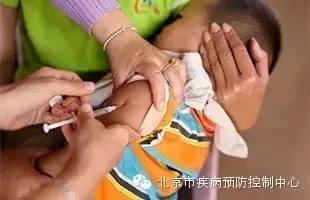
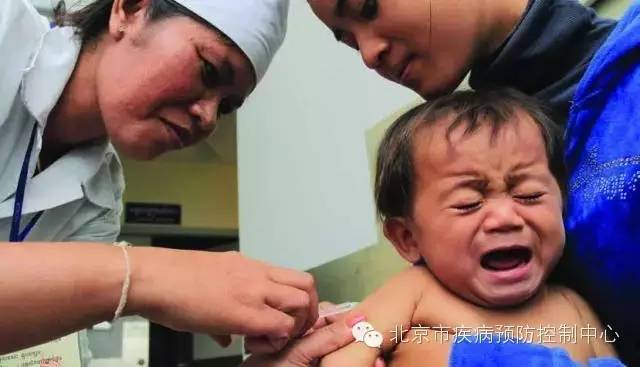
中国国家免疫规划已实施近40年,避免了约500万例中国儿童死亡。4月24-30日是今年的世界免疫周。尽管中国疫苗体系近期遭到冲击,但世界卫生组织仍建议父母为孩子接种疫苗。 ▼
施贺德博士
世卫组织驻华代表“世卫组织对低龄儿童父母的最佳建议是:为孩子接种疫苗!这是保障儿童健康和远离疾病的最佳方式。”
“中国国产疫苗是安全、纯净和有效的。世卫组织对中国疫苗生产监管已经开展数次详细调查,对此世卫组织十分有信心。世卫组织对于处于世界领先水平的中国扩大免疫规划体系也非常有信心,它已取得了许多非凡成就,如于2000年消除中国的脊髓灰质炎,使低龄儿童的慢性乙肝感染率降低90%,且实现麻疹发病率降低99%以上。”
“我们理解,近期曝光的山东疫苗事件使得部分家长对为孩子接种疫苗有所迟疑。但是,接种疫苗仍是帮助儿童预防一系列严重,甚至是致死疾病最安全,有时也是唯一的途径。”
“山东疫苗事件暴露了自费疫苗分发流程中的监管问题。此次事件造成的不利影响毋庸置疑;而近期宣布的一系列疫苗系统改革不仅为了确保类似事件不再出现,也致力于加强整个系统,包括使中国所有儿童均能接种到更多保障生命安全的疫苗。”
—— 施贺德博士 世卫组织驻华代表
“我们非常高兴地看到中国政府迅速采取了一系列改革措施,其中部分措施已于本周国务院公布的《国务院关于修改<疫苗流通和预防接种管理条例>的决定》之后开始生效。”
—— 施贺德博士 世卫组织驻华代表
国务院出台的法规要求,自费的“二类”疫苗将与通过国家免疫规划分发的免费疫苗一样,通过高质量的冷链系统分发。新的疫苗追溯机制一旦付诸实施,可保证在中国流通的每一剂疫苗从厂商、仓库、配送公司到接种点和接种儿童的每一环节都能得以追踪。
“疫苗是公共卫生领域最强有力的工具之一。他们是儿童父母抗击脊髓灰质炎、乙肝、麻疹、百日咳和白喉等传染性疾病的盟友。接种疫苗是预防这类疫苗可预防疾病的唯一办法。”
—— 施贺德博士 世卫组织驻华代表
Don’t hesitate, vaccinate!WHO’s message to parents for World Immunization Week
China’s national immunization program has averted approximately 5 million deaths of Chinese children in its nearly 40-year history. During this year’s World Immunization Week, held 24-30 April, the World Health Organization (WHO) is urging parents to vaccinate their children – despite recent challenges to the vaccine system in China.
“The WHO’s best advice to parents of young children is this: vaccinate your kids! It’s the best way to keep them healthy, and safe from disease,” said Dr Bernhard Schwartländer, WHO Representative in China.
“Vaccines made in China are safe, pure and effective – WHO has looked carefully at China’s regulation of vaccine manufacturing on several occasions, and we are very confident in this. We also have full confidence in China’s world-class national Expanded Program on Immunization (EPI) – which has achieved some remarkable results, including the elimination of polio in China in 2000, reducing chronic hepatitis B infection among young children by 90%, and reducing measles incidence by more than 99%,” Dr Schwartländer said.
“We understand that the activities recently exposed in Shandong have caused some parents to hesitate to vaccinate their children. But vaccination remains the safest, and in most cases only, way of protecting children against a range of nasty, in many cases fatal childhood diseases,” said Dr Schwartländer.
“The Shandong events exposed some serious problems with respect to regulatory oversight of how vaccines are distributed to the private market. While there is no doubt that these events have been damaging, the package of reforms to the system announced recently will not only ensure events like Shandong can never happen again, but will make the system stronger overall – including by making more life-saving vaccines available to all children in China,” Dr Schwartländer said.
"We are very pleased to see how swiftly the Government has moved to implement its package of reforms – with a new State Council regulation issued just this week to give effect to many of the reforms announced just recently," Dr Schwartländer said.
The State Council regulation will require ‘Category 2’ vaccines – those sold on the private market – to be distributed using the same high quality distribution and cold-chain system through which vaccines provided free-of-charge to all children through the national immunization program are distributed. A new vaccine tracking system, once implemented, will enable every dose of vaccine bought and sold in China to be traced at every step, from manufacturer, to warehouse, to distributor, to clinic, to the child.
“Vaccines are one of the most powerful tools we have in public health. They are parents’ allies in the fight against infectious diseases like polio, hepatitis B, measles, whooping cough, and diphtheria. Immunization is the only effective way to prevent these and other vaccine preventable diseases,” Dr Schwartländer concluded.