#产品生命周期#本文为数字化转型网PLM专题文章系列之一:什么是PLM?下文将从PLMPLM产品生命周期管理概要、PLM产品生命周期管理包含的内容、PLM产品生命周期管理的概念和起源、PLM产品生命周期管理的发展历史、PLM产品生命周期管理与PDM的差别、PLM在应用过程中的建立方法(以企业资源规划为出发点组成PLM系统、以供应链管理为出发点组成PLM系统和以客户关系管理为出发点组成PLM系统)、PLM在用应用中的战略思想、PLM在企业中的应用效果、PLM的其他应用:在线模型数据库在PLM中的应用几个方面对PLM进行相关阐述。
PLM产品生命周期管理-数字化转型网szhzxw.cn
一、PLM概要
PLM,是一个英文缩写,表示 产品生命周期管理 (Product Lifecycle Management,PLM)。
根据业界权威的 CIM DATA的定义,PLM是一种应用于在单一地点的企业内部、分散在多个地点的企业内部,以及在产品研发领域具有 协作关系 的企业之间的,支持 产品全生命周期 的信息的创建、管理、分发和应用的一系列应用解决方案,它能够集成与产品相关的人力资源、流程、 应用系统 和信息。、
二、PLM包含的内容
(product lifecycle management) 产品生命周期管理
PLM包含以下方面的内容:数字化转型网szhzxw.cn
★ 基础技术 和标准(例如XML、可视化、协同和 企业应用集成 );
★ 信息创建和分析的工具(如 机械CAD 、电气CAD、CAM、 CAE 、 计算机辅助软件工程 CASE、信息发布工具等);
★ 核心功能(例如 数据仓库 、文档和 内容管理 、 工作流 和 任务管理 等);
★ 应用功能(如 配置管理 、配方管理、合规);
★ 面向业务/行业的解决方案和咨询服务(如汽车和 高科技行业 )。
三、PLM的概念和起源
(一)PLM的概念和定义
1、按照CIMDATA的定义
按照 CIM DATA的定义,PLM主要包含三部分,即CAX软件( 产品创新 的工具类软件)、c PDM 软件(产品创新的管理类软件,包括PDM和在网上共享 产品模型 信息的 协同软件 等)和相关的咨询服务。实质上,PLM与我国提出的 C4P (CAD/CAPP/CAM/CAE/PDM),或者技术信息化基本上指的是同样的领域,即与产品创新有关的信息技术的总称。
2、PLM是一种理念
从另一个角度而言,PLM是一种理念,即对产品从创建到使用,到最终报废等全生命周期的产品数据信息进行管理的理念。在PLM理念产生之前,PDM主要是针对产品研发过程的数据和过程的管理。而在PLM理念之下,PDM的概念得到延伸,成为cPDM,即基于协同的PDM,可以实现研发部门、企业各相关部门,甚至企业间对产品数据的协同应用。软件厂商推出的PLM软件是PLM第三个层次的概念。这些软件部分地覆盖了CIMDATA定义中cPDM应包含的功能,即不仅针对研发过程中的产品数据进行管理,同时也包括产品数据在生产、营销、采购、服务、维修等部门的应用。数字化转型网szhzxw.cn
因此,实质上PLM有三个层面的概念,即PLM领域、PLM理念和PLM 软件产品 。而PLM软件的功能是PDM软件的扩展和延伸,PLM软件的核心是PDM软件。
(二)PLM 2.0
1、PLM 2.0的起源

PLM产品生命周期管理-数字化转型网szhzxw.cn
在2008年,随着围绕着Web2.0的一系列革命,PLM业内著名公司—- 达索公司 (Dassault Systèmes )引入了PLM2.0的概念,包含了使用社会社区的方式来实现PLM的手段。
2、什么是PLM2.0
PLM2.0是Web2.0在PLM领域的新应用,它不仅仅是一种技术,更是体现为PLM领域的一种新的思想:
PLM 应用是基于网络的(软件即服务);PLM 应用注重在线协作, 集体智慧 和在线社区;PLM 扩展成现实世界的网络,将PLM延伸至企业之外;PLM 业务流程 可以很方便的通过网络进行激活,配置与使用。
3、PLM 2.0现状
当前,PLM2.0更多意义上是一个概念和构想。但是越来越多的PLM系统正在融入这种构想,拥抱PLM2.0。
三、PLM的发展历史
在ERP、SCM、 CRM 以及PLM这 四个系统 中,PLM的成长和成熟花费了最长的时间,并且最不容易被人所理解。它也与其它系统有着较大的区别,这是因为迄今为止,它是惟一面向 产品创新 的系统,也是最具 互操作性 的系统。数字化转型网szhzxw.cn
例如,如果企业为了制造的用途,使用PLM软件来真正管理一个产品的全生命周期,它需要与SCM、CRM特别是ERP进行集成。如果作为一个概念来说,PLM出现的时间已经很长了。但是作为一个整体解决方案的范畴,它仅仅是在最近一两年刚刚成为可行。之所以花费了数年的时间来确立产品生命周期管理的 市场定位 ,部分原因是由于它的来历甚至名字都与 PDM 和CAD 软件系统 有密切的关系。因为从技术角度上来说,PLM是一种对所有与产品相关的数据、在其整个生命周期内进行管理的技术。
产品生命周期管理(PLM)-并不只是另一种 企业应用 产品
许多企业解决方案-如ERP( 企业资源规划 )、CRM( 客户关系管理 )和SCM(供应链管理)-侧重于优化 实物产品 和事务或交易的流程。对于涉及到反复地按照相同的方式做相同的事情的过程,这些 应用程序 和工作效果还好。而实际上,对于成功 开发产品 所需的那一类 快速迭代 和创新工作而言,它们就无能为力了。
对于此类工作,产品开发者需要的是擅长于支持许多互相依赖的过程和灵活解决方案,这些过程是将成功的产品推向市场所必需的。PLM提供了从规划到支持的解决方案,范围覆盖所有相应的部门以及整个供应链。通过使用完整的 数字化产品 表示形式,开发小组能够快速进行试验分析、更改设计、运行 假设分析 方案、细化设计,以及执行其他更多操作。通过为所有 利益相关者 提供内容的个性化视力,可以使数字化产品逐渐完善、引人注目并且性能稳定-而这一切都是在费用高昂的实际制造过程开始之前完成的。
四、PLM与PDM的差别
PLM完全包含了 PDM 的全部内容,PDM功能是PLM中的一个子集。但是PLM又强调了对 产品生命周期 内跨越供应链的所有信息进行管理和利用的概念,这是与PDM的本质区别。
由于PLM与PDM的渊源关系,实际上几乎没有一个以“全新”面貌出现的PLM厂商。大多数PLM厂商来自PDM厂商。有一些原PDM厂商已经开发了成体系的PLM解决方案,成功地实现了向PLM厂商的转化,如EDS、 IBM 。当然,也有ERP厂商的加入,如 SAP ,已经提出了自己的基于ERP立场的PLM解决方案,试图在这个广大的市场上来分一勺羹;还有一些CAD或 工程软件 厂商也在正在做这样的努力。需要指出的是,有一些原来本是PDM/CAD的厂商,并没有推出实际的PLM产品,而只是改了个名字就自称为PLM解决方案厂商,顺道搭车卖一些低端的PDM/CAD产品。这样一些鱼目混珠的动作给市场和广大客户都造成了很多的困惑。PLM,并不是一种简单的“ 系统集成 ”——例如,把一个PDM,两个CAD,再来一个数字化装配,加之连接上某个ERP或是 SCM系统 ,辅之以Web技术,就是“PLM”系统了。
这样n做,只是实现了一种技术的堆积和继承,只是完成了任务和 过程自动化 这样的功能,没有体现出PLM真正的思想和内涵。尽管以上的技术是需要的,但是对于实施PLM战略是不充分的。首先要理解到,由于PLM策略是完全从事于不同的商业使命,因而它需要更复杂的 系统体系结构 。PLM 技术的选择 和实施必须以这样的方式来做,构建一个面向更广泛的商业使命的生命周期 财富管理 系统来组成。技术的采用必须根据这个高层次的使命的原则来选择,而不是以完成任务和过程自动化这样传统的 历史使命 来选择。
五、PLM在应用过程中的建立方法

PLM产品生命周期管理-数字化转型网szhzxw.cn
只有PLM可以最大限度地实现跨越时空、地域和供应链的 信息集成 ,在 产品全生命周期 内,充分利用分布在ERP、CRM、SCM等系统中的产品数据和企业 智力资产 。因此,PLM系统的价值取决于在企业内能否与ERP、SCM、 CRM 来集成使用,组成PLM 生态系统 。由于企业各自的特点和问题不同,在实施PLM系统时也不必要求四个系统全部一齐上马,合理的方式是针对企业具体需求而为其提供系统组合的入门方案,“统一规划,按需建设,重点受益”。
1、以企业资源规划为出发点组成PLM系统
(1)以企业资源规划为出发点组成PLM系统: 物料需求规划 与 产品数据管理 ( MRP PDM)
广为使用的PLM应用思路之一:例如在规定的时间内制造某种设备,MRP系统从PDM系统中提取 材料清单 (BOM),来决定什么样的装配必须自行创建,什么样的材料必须外购。这样比较好地解决了工程BOM和制造BOM的沟通问题。
(2)以企业资源规划为出发点组成PLM系统:人力资源与 项目管理 (HRProjectManagement)
项目管理系统 在做日常工作的协调与管理时,需要调用企业内可用的资源(例如人员和 时效性 等)数据。
(3)以企业资源规划为出发点组成PLM系统: 采购 与项目管理(Purchasing ProjectManagement)数字化转型网szhzxw.cn
企业建造某种设备时, 项目团队 通常需要购买原材料,需要生成 采购订单 的能力。这个订单可以与 财务预算 联系起来。
⑷以企业资源规划为出发点组成PLM系统:财务与项目管理(Financials ProgramManagement)
项目管理是监测预算并实现跨项目预测的一种 软件工具 。它提取每一个项目的 财务信息 并检查:当前成本是否与预期的成本相符, 时间表 是否与所有的项目进度相符
⑸以企业资源规划为出发点组成PLM系统: 生产管理 与工程(ProductionManagement Engineering)
为了有效地沟通从工程研发到车间 工作面 的 工程变更 指令(ECO),产品数据需要在制造和PMD系统(经由CAD系统)之间流动起来。这将有助于减少不合格的零件的生产。
2、以供应链管理为出发点组成PLM系统
⑴以供应链管理为出发点组成PLM系统: 供应链规划 与产品数据管理(SupplyChainPlanning PDM)数字化转型网szhzxw.cn
在B2B(企对企)工程变更指令管理中,主要的目标是揭示在供应链上隐藏的成本。制造商需要把它的PDM系统与供应链 规划系统 连接起来,以便沟通某个ECO的细节,由此可以更好地预见这个ECO在供应链上对下游的影响。一个ECO的 实际成本 来自对存货、制造、供应链规划和 客户服务 的不连贯。通过连接SCP和PDM,制造商可以生成“what-if”设定方案,来决定引入ECO的最佳时间。
⑵以供应链管理为出发点组成PLM系统: 生产规划 与项目管理(ProductionPlanning ProgramManagement)
在企业已经规划的各式各样的项目中,企业可以从项目管理系统中提取数据,并运行 仿真软件 来在实际的瓶颈发生之前确定其位置。这将帮助制造商合理地 组织资源 ,并基于总体的成本,决定在哪里生产产品更好。
⑶以供应链管理为出发点组成PLM系统:资源获取与产品数据管理(Sourcing PDM)
当原 设备制造商 ( OEM )打算准备一个建议需求时(RFP),它应该尽可能详细地制定出 产品定义 。而通常这个信息通过SCM或 供应商关系管理 ( SRM )系统是无法获得的。所以把资源获取与PDM集成在一起成为了解决问题的关键。数字化转型网szhzxw.cn
⑷以供应链管理为出发点组成PLM系统:资源获取与协同 产品设计 (Sourcing CollaborativeProductDesign)
由于在资源获取的过程中可以提供完整的产品定义信息,那么协同的B2B产品设计就成为了切实可行的事情。当一个 外协 供应商被邀请来参与一个投标项目时,可以把它的标准件的 资源信息 与它的PDM系统连接起来,它不仅可以投标于标准的零部件,还可以结合自己所拥有的独特技术和客户的 性能指标 要求,把自己特有的制造能力结合到产品设计中去。OEM厂商在产品设计期间也共享了外协供应商的 智力资源 ,并从中获益。
⑸以供应链管理为出发点组成PLM系统: 需求预测 与 产品组合 管理(DemandForecasting PortfolioManagement)
当一个新产品上市的时候,将会发生一定数量的产品零部件的调拨或拆分。有了来自市场分析的数据,企业可以把这些 数据输入 到需求预测中,在它们的 产品组合 中,来获得所期待的各种产品的更准确的市场表现评估。
3、以客户关系管理为出发点组成PLM系统
⑴以客户关系管理为出发点组成PLM系统:市场分析与产品组合管理(MarketingAnalytics PortfolioManagement)
当制造商计划启动一个新产品上市,市场分析软件要调用来自产品组合 管理系统 的所有的本公司 产品信息 ,来决定新产品如何与现有的产品相适应,是否要调拨使用其它的零部件。
⑵以客户关系管理为出发点组成PLM系统:客户服务与产品数据管理(CustomerService PDM)数字化转型网szhzxw.cn
对于制造商来说,把 产品服务 历史与产品数据管理系统集成起来是十分重要的,甚至某些来自客户服务的信息可以 直接结合 到产品设计中去。大多数制造商都证实,在其产品服务部门里,有大量对产品设计有用的信息,但是 工程设计 部门的人往往不知晓这些信息。
⑶以客户关系管理为出发点组成PLM系统: 销售预测 与项目管理(SalesForecasting ProgramManagement)
来自项目管理的 预测数据 可以与销售和市场环节连接起来,以实现“可行承诺”式的 生产制造 。在按单设计的环境中,过量地承诺客户对企业来说是毁灭性的。企业要实现准确的销售预测,则十分依赖于来自正在执行中的项目的实时信息。
⑷以客户关系管理为出发点组成PLM系统: 客户关系管理 与客户 需求管理 (CRM CustomerNeedsManagement)
客户需求管理是提取销售数据并把它们集成到开发过程中的软件,所以与CRM的集成是至关重要的。以下的例子都用到了销售数据:
1)按单设计的制造商把关于顾客的需求 信息反馈 到工程 开发环境 中,实现客户化设计;
2)按 单配制 的制造商使用销售数据来生成销售指南,让客户可以按预先设定的配制来 购买产品 ;
3)在 批处理 (例如消费品)中,销售数据被用于价格敏感模型和效用分析。
4) 知识管理 与产品组合管理(KnowledgeManagement PortfolioManagement)
产品组合管理是负责分析产品如何在市场上存在的软件,它需要使用诸如专利、规则需求、测试以及各种知识产权等信息。从这个意义上说, 产品组合 管理可以被视为企业智力资产的 集散中心 。
六、PLM在用应用中的战略思想
PLM在应用中的战略思想到底是什么呢?
PLM产品生命周期管理-数字化转型网szhzxw.cn
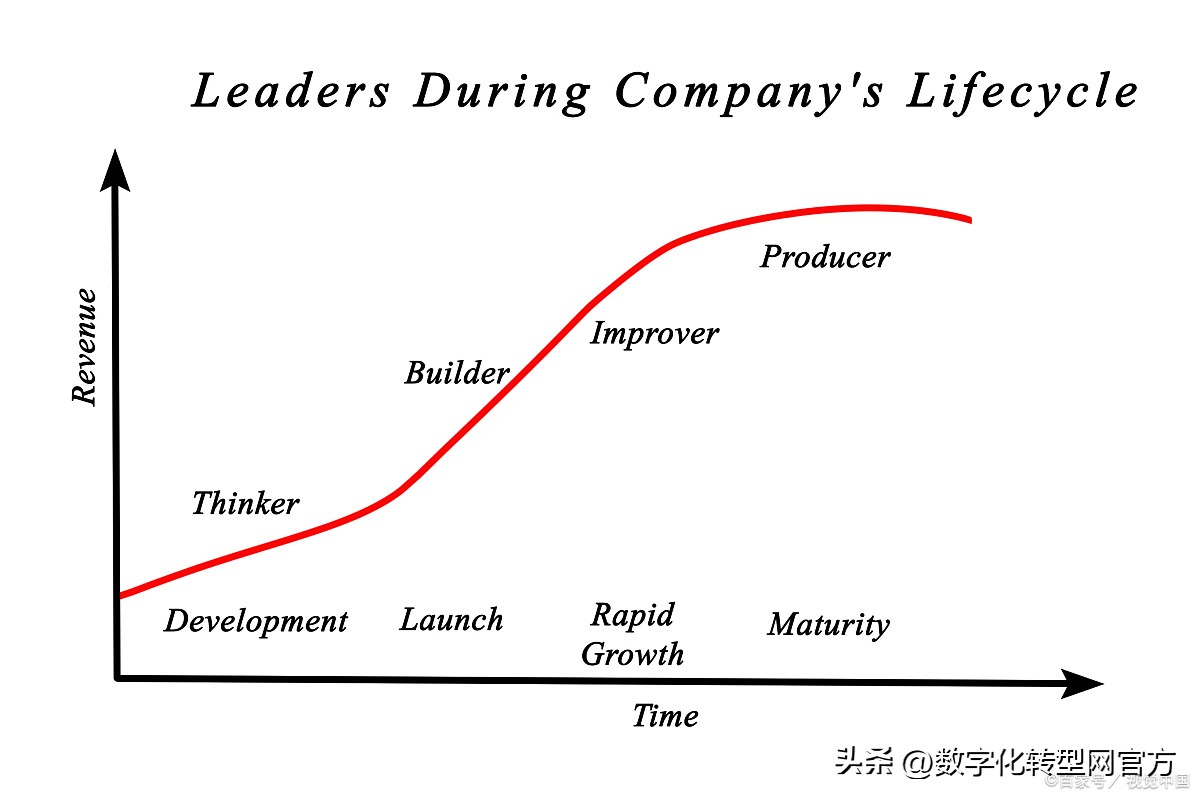
S型曲线 是一种典型的 产品生命周期曲线 ,产品经过培育期、成长期、成熟期、 衰退期 、直至结束产品生命。这条S型曲线代表了以传统的方式来思考一个产品生命周期的各个阶段与企业在此产品上的收入(效益)的关系。数字化转型网szhzxw.cn
培育期指在产品上市前的研发阶段,在这个时期,企业要投入大量的资金在 产品开发 上;成长 期指 产品上市后为企业创收的快速增长阶段,生产规模逐渐加大;
成熟期指产品稳定在为企业创收的一个相当高的水平上, 产销量 最大;
衰退期 指产品在市场上的竞争力开始减弱,为企业创收的水平明显下滑;
结束期指产品已经不能完全满足市场的需求,企业会逐渐停止对此产品的生产,让其逐渐退出市场。
在PLM的作用下,产品生命周期曲线可以被重新塑造,在产品生命周期的各个阶段都会产生相应的作用,从总体上为企业带来巨大的效益。
在培育期,由于协同化产品研发方式的引入,流程的改进,此阶段被明显地缩短,即让创新产品提前进入了市场,加快了产品上市速度。而且在产品被优化的同时,研发的成本有显著的降低。
在成长期,早期模拟工厂运作,准备 大规模生产 。同时加快产品创新的速度,力争让产品 适销对路 ,早日占领市场。
在成熟期,充分集成各个供应商/合作伙伴,保证零部件的供应。大量进行客户化研究,增加变形设计,减少物理样件/原型。保持 市场份额 。数字化转型网szhzxw.cn
在衰退期,提高产品的灵活性和适用性,扩大由于竞争而被压缩的 利润空间 。衍生出新的用途和使用方法,力图进入新的销售市场。
在结束期,提供可视化的售后服务与维修示范说明,让服务变得无处不在和简便易行,减少产品的总体维修成本。
在以上各个阶段,PLM实现了 降低成本 和增加利润的目标。从数学角度来看,两条曲线与 坐标轴 之间所包含的面积为PLM重塑产品生命周期曲线后为企业所带来的总体效益。
这个S型曲线,代表了以传统的方式来思考一个产品生命周期的各个阶段与 企业效益 的关系。在这个曲线背后的基本的想法是最小化培育期的 研发成本 和最大化成长期至结束期的 企业收入 。尽管这个 表示法 是相对正确的,甚至曾经是相当有用的,现在许多公司在论述PLM时仍然还使用这条曲线作为说明概念的图例。但是,包含在这条曲线中的观点是单纯化的,学术思想甚至是有点儿过时的——这是因为,这个观点只关注了产品的生命周期,而没有去关注随生命周期而生存发展的智力资产;只关注了符合单一变化规律的产品生命周期,而没有去关注适应多种变化规律的产品生命周期;只关注了企业的某一历史阶段的产品生命周期,而没有去关注让 企业可持续发展 的长期的产品生命周期管理战略。
七、PLM在企业中的应用效果
PLM在企业中的应用效果怎么样呢?
据一些世界知名的咨询公司的 分析报告 显示, 发达国家 的制造业企业在IT 应用系统 上增长最快的是PLM,市场反响的热度和 增长率 也都超过了ERP。 Aberdeen 公司提出了一个大胆的预测,全球PLM市场将以每年10.9%的高速增长率,由2001年的33.8亿美元,而在2005年增至为51.2亿美元。其 市场容量 有赶超ERP的势头。来自Aberdeen公司的分析显示,企业全面实施PLM后,可节省5~10%的 直接材料成本 ,提高库存流转率20~40%,降低 开发成本 10~20%,进入 市场时间 加快15~50%,降低用于质量保证方面的费用15~20%,降低 制造成本 10%,提高 生产率 25~60%。
从实施了EDSPLM解决方案的一些客户的实例中,也印证了这样的 分析和预测 : 通信设备 厂商 摩托罗拉 ,实现了在全企业内 数据存取 的简便性,减少了50%~75%的创建和维护BOM的时间,CAD的BOM实现100%准确,降低了38%的工程更改、评估和批准的 平均时间 ;汽车厂商 福特 ,仅开发 Mondeo 一款车,就节约了两亿美元 研发费用 ,开发周期缩短13个月, 设计工程 效率提高25%;计算机硬盘厂商 Seagate ,数据 存取时间 从几天减少到几分钟, ECO 时间从一周减少到一天,全球 共享数据 跨越从北美、欧洲到 亚太 (包括中国),惠及供应商和合作伙伴;航空轮胎厂商Goodrich,用一个 企业信息化 系统取代原有40多个系统,由4200个用户使用自动化的 产品开发流程 ,在单一的Web界面下,实时获取原有系统和新的数据。
八、PLM的其他应用:在线模型数据库在PLM中的应用
产品生命周期管理 (PLM)是一个概念上的规划,而不是一个独立的解决方案。实施PLM,需要由多个解决方案组成。它包括CAD/CAE/AM/VR/PDM和零部件管理以及在产品制造过程中使用的其它应用软件– Juergen Heimbach, CEO, 德国CADENAS有限公司。
基于PLM系统的零部件选型流程,可以为零部件的使用者——位于上游的整机厂设计者,提供更多的便利。在信息化条件下,一颗 螺丝 钉的 管理成本 也许远远高于其本身的价值,一颗螺丝钉,就是一条新的物料信息,其 全寿命周期 的广义维护成本往往在5,000欧元以上。在PLM与ERP集成环境下,管理好基本物料信息,减少“一物多码”现象,是使ERP及其周边系统能够在企业开花结果,成功运用的关键因素之一。
随着远程协同化PLM的深入发展,基于广域 互联网络 的零部件数据资源平台已经进入快速发展时期。
在德国,是一种面向三维CAD终端使用者的网络化零部件 数据资源 平台,基于互联网的PLM零部件数据资源平台—— PARTcommunity (简称PCOM)似以云之力构建了庞大而丰富的 三维模型 ,因此,在国外,这种 网络服务 被称为“零部件图书馆”或“数据资源仓库”。经过数年的发展,其年使用量已经接近6000万,在 欧美 和日本的PLM用户中,PCOM的知名度一点都不亚于今天我们所熟知的BLOG和SNS这样的 网络平台 。
在线零件数据库图片缩略(4张) PCOM的见长之处在于其可为 注册用户 提供数以百万计的三维、二维零部件CAD数据供选型,并可直接*载下**指定格式的模型到本地用于产品装配,这一功能的推出大大方便了设计者。数字化转型网szhzxw.cn
2011年简体中文PCOM 2.0站点正式落户北京(linkable.partcommunity),平台由 北京翎瑞鸿翔科技有限公司 与德国 卡迪 纳斯有限公司共同 合作开发 ,其提供数百家国内外厂商的 产品模型 供注册用户免费*载下**和使用,涉及紧固件、轴承、管路附件、工业电气、气动液压、线性机构、传感驱动、 机床附件 等众多门类,数以百万计的零部件三维模型,支持当前主流的各类三维、二维 CAD系统 的原始格式和STEP / IGES / SAT等中间 交换格式 。
更多有关PLM相关文章,例如PLM资料、PLM成功案例、PLM方案等可在数字化转型网PLM专栏里进行阅读哦~
数字化转型网PLM专题文章系列(一):什么是PLM?外文翻译:

PLM产品生命周期管理-数字化转型网szhzxw.cn
This article is part of a series on Digital Transformation Network PLM: What is PLM? The following articles cover PLMPLM product lifecycle management overview, PLM product lifecycle management includes, PLM product lifecycle management concept and origin, PLM product lifecycle management development history, PLM product lifecycle management and the difference between PLM and PDM, PLM in the application process (enterprise resource planning as a starting point) PLM system, supply chain management as the starting point of PLM system and customer relationship management as the starting point of PLM system), PLM in the application of strategic thinking, PLM in the enterprise application effect, PLM other applications: online model database in PLM application in several aspects of PLM related to the elaboration.
I. Overview of PLM product lifecycle management
PLM is an abbreviation that stands for Product Lifecycle Management (PLM).
According to the industry authority CIMDATA, PLM is a series of application solutions that support the creation, management, distribution and application of information throughout the product lifecycle within the enterprise in a single location, within the enterprise scattered in multiple locations, and between enterprises with collaborative relationship in product development. It integrates product-related human resources, processes, application systems, and information.
Ii. Contents of PLM product lifecycle management
(product lifecycle management) Product lifecycle management
PLM includes the following aspects:
★ Basic technologies and standards (e.g. XML, visualization, collaboration and enterprise application integration);
★ Information creation and analysis tools (such as mechanical CAD, electrical CAD, CAM, CAE, computer aided software engineering CASE, information release tools, etc.);
★ Core functions (such as data warehouse, document and content management, workflow and task management, etc.)
★ Application functions (such as configuration management, formula management, compliance);
Business/industry oriented solutions and consulting services (e.g., automotive and high-tech industries).
Iii. Concept and origin of PLM product lifecycle management
(I) The concept and definition of PLM product lifecycle management
1. PLM product lifecycle management as defined by CIMDATA
According to CIMDATA's definition, PLM mainly consists of three parts: CAX software (tool software for product innovation), cPDM software (product innovation management software, including PDM and collaborative software for sharing product model information online) and related consulting services. In essence, PLM and the C4P (CAD/CAPP/CAM/CAE/PDM) proposed by our country, or technology information refers to the same field basically, that is, the general name of the information technology related to product innovation.
2. PLM product lifecycle management is a concept
PLM, on the other hand, is the concept of managing product data and information throughout the entire life cycle of a product, from creation to use to final retirement. Before the PLM concept came into being, PDM mainly focused on the data and process management of product development process.
Under the concept of PLM, the concept of PDM has been extended into cPDM, namely, collaborative PDM, which can realize the collaborative application of product data among R&D departments, relevant departments of enterprises, and even among enterprises. PLM software from software vendors is the concept of the third level of PLM. These software partially cover the functions that cPDM should include in the CIMDATA definition, namely management of product data not only for the development process, but also for the application of product data in the production, marketing, procurement, service, maintenance, etc.
Thus, PLM essentially has three layers of concept: the PLM domain, the PLM concept, and the PLM software product. The function of PLM software is the extension and extension of PDM software, the core of PLM software is PDM software.
(2) PLM 2.0
1. Origin of PLM 2.0
In 2008, following the revolution around Web2.0, Dassault Systemes, a major player in the PLM industry, introduced the concept of PLM2.0, including the means to implement PLM using a social community approach.
2. What is PLM2.0
PLM2.0 is a new application of Web2.0 in the PLM field. It is not only a technology, but also a new idea in the PLM field:
PLM applications are web-based (software as a service); PLM applications focus on online collaboration, collective intelligence and online community; Extending PLM to real-world networks extends PLM beyond the enterprise; PLM business processes can be easily activated, configured, and used over the network.
3. Current status of PLM 2.0
Currently, PLM2.0 is more of a concept and an idea. But more and more PLM systems are embracing this idea and embracing PLM2.0.
Iii. Development history of PLM product lifecycle management
Of the four systems, ERP, SCM, CRM and PLM, PLM has taken the longest to grow and mature and is the least understood. It is also quite different from other systems because it is by far the only product innovation-oriented system and the most interoperable.
For example, if an enterprise uses PLM software to really manage the full life cycle of a product for manufacturing purposes, it needs to be integrated with SCM, CRM, and especially ERP. As a concept, PLM has been around for a long time. But as a category of overall solutions, it has only become viable in the last year or two. It took several years to establish a market position for product lifecycle management, in part because its origins and even name are closely related to PDM and CAD software systems. Because technically speaking, PLM is a technique for managing all product-related data throughout its lifecycle.
Product Lifecycle Management (PLM) - Not just another enterprise application product
PLM产品生命周期管理-数字化转型网szhzxw.cn
Many enterprise solutions -- such as ERP(enterprise resource planning), CRM (Customer Relationship management), and SCM (supply chain management) -- focus on optimizing the flow of physical products and transactions or transactions. These applications and work just fine for processes that involve doing the same thing in the same way over and over again. In practice, they are not capable of the kind of rapid iteration and innovation required to successfully develop a product.
For this type of work, product developers need to be adept at supporting the many interdependent processes and flexible solutions necessary to bring a successful product to market. PLM provides solutions from planning to support, covering all relevant departments and the entire supply chain. By using a complete digital product representation, development teams can quickly perform experimental analysis, change designs, run hypothetical analysis scenarios, refine designs, and much more. By providing a personalized vision of content to all stakeholders, digital products can be made progressively more complete, compelling, and stable -- all before the costly actual manufacturing process begins.
Iv. Differences between PLM product lifecycle management and PDM
PLM contains all content of PDM, and PDM function is a subset of PLM. However, PLM also emphasizes the concept of managing and utilizing all the information across the supply chain during the product life cycle, which is essentially different from PDM.
Because of PLM's relationship with PDM, there are virtually no "new" PLM vendors. Most PLM vendors come from PDM vendors. Some original PDM vendors have developed integrated PLM solutions that have successfully translated to PLM vendors.
such as EDS and IBM. Of course, there are also ERP manufacturers to join, such as SAP, has put forward its own PLM solution based on ERP standpoint, trying to share in this vast market. Other CAD or engineering software vendors are doing the same. It should be pointed out that some of the original PDM/CAD manufacturers did not launch actual PLM products, but just changed their names to call themselves PLM solution manufacturers, and sold some low-end PDM/CAD products along the way. Such some fish-eye mixed beads action to the market and the majority of customers have caused a lot of confusion. PLM is not a simple "system integration" - for example, a PDM, two CAD, and a digital assembly, coupled with an ERP or SCM system, coupled with Web technology, is a "PLM" system.
In doing so, it only realizes a kind of accumulation and inheritance of technology, and only completes functions such as task and process automation, which does not reflect the true idea and connotation of PLM. While the above techniques are needed, they are not sufficient to implement a PLM strategy. The first thing to understand is that since PLM strategy is entirely engaged in a different business mission, it requires a more complex system architecture. PLM technology selection and implementation must be done in such a way as to build a lifecycle wealth management system for the broader business mission. Technology adoption must be selected according to the principles of this high-level mission, rather than the traditional historical mission of accomplishing tasks and automating processes.
Five, PLM in the application of the establishment method
Only PLM can maximize the integration of information across time, space and supply chain, and make full use of product data and enterprise intellectual assets distributed in ERP, CRM, SCM and other systems throughout the product life cycle. Therefore, the value of PLM system depends on whether it can be integrated with ERP, SCM and CRM within the enterprise to form the PLM ecosystem. Due to the different characteristics and problems of each enterprise, it is not necessary to require all four systems to be mounted together in the implementation of PLM system. The reasonable way is to provide an entry-level scheme of system combination according to the specific needs of enterprises, "unified planning, construction according to demand, and focus on benefits".
1. PLM system is formed based on enterprise resource planning
PLM System I: Material Requirement Planning and Product Data Management (MRPPDM)
One of the most widely used PLM applications is that, for example, to build a device within a specified time frame, the MRP system extracts a bill of materials (BOM) from the PDM system to determine what assembly must be created and what materials must be purchased. This better solves the problem of communication between engineering BOM and manufacturing BOM.
PLM System II: HRProjectManagement based on enterprise resource planning
When the project management system does the coordination and management of daily work, it needs to call the available resources (such as personnel and timeliness) data in the enterprise.
Starting from enterprise resource planning, PLM System III: Purchasing ProjectManagement
When an enterprise builds a piece of equipment, the project team often needs to purchase raw materials and needs the ability to generate purchase orders. This order can be linked to the financial budget.
PLM System IV: Financials ProgramManagement Based on enterprise resource planning
PLM产品生命周期管理-数字化转型网szhzxw.cn
Project management is a software tool for monitoring budgets and implementing projections across projects. It extracts financial information for each project and checks whether current costs are in line with projected costs and whether the schedule is in line with all project schedules
PLM System V: ProductionManagement Engineering based on enterprise resource planning
In order to effectively communicate engineering change orders (ECO) from engineering development to the shop floor, product data needs to flow between manufacturing and PMD systems (via CAD systems). This will help reduce the production of substandard parts.
2. PLM system is formed with supply chain management as the starting point
PLM System 1: SupplyChainPlanning and Product Data Management Based on SupplyChain Management
In B2B (business-to-business) engineering change order management, the main goal is to uncover hidden costs in the supply chain. The manufacturer needs to connect its PDM system to the supply chain planning system in order to communicate the details of an ECO so that it can better anticipate the downstream impact of the ECO in the supply chain. The real cost of an ECO comes from incoherence with inventory, manufacturing, supply chain planning, and customer service. By connecting the SCP and PDM, manufacturers can generate "what-if" scenarios to determine the best time to introduce ECO.
PLM System II: ProductionPlanning ProgramManagement Based on Supply chain Management
On a wide variety of projects that an enterprise has planned, it can extract data from the project management system and run simulation software to locate actual bottlenecks before they occur. This will help manufacturers organize resources properly and decide where to make products based on overall cost.
Supply chain management as the starting point of PLM system III: resource acquisition and product data management
When an original equipment manufacturer (OEM) intends to prepare a proposed requirement (RFP), it should work out the product definition in as much detail as possible. Often this information is not available through SCM or vendor relationship management (SRM) systems. So the integration of resource acquisition and PDM becomes the key to solve the problem.
In supply chain management as the starting point of PLM system four: the resource acquisition and collaborative product design (Sourcing CollaborativeProductDesign)
Because complete product definition information can be provided during resource acquisition, collaborative B2B product design becomes a practical thing. When an outsourcing supplier is invited to participate in a bidding project, it can connect its resource information of standard parts with its PDM system, so that it can not only bid on standard parts, but also combine its own unique technology and customer performance index requirements to integrate its own unique manufacturing capabilities into the product design. Oems also benefit from sharing the intellectual resources of external suppliers during product design.
PLM System V: DemandForecasting and Product PortfolioManagement
When a new product is launched, a certain number of parts are transferred or split. With data from market analytics, companies can input this data into demand forecasts to get a more accurate assessment of the market performance of the various products they are looking for in their product portfolio.
3. PLM system is formed with customer relationship management as the starting point
Compose PLM System 1 with Customer Relationship Management as the Starting Point: Market Analysis and Product PortfolioManagement
When a manufacturer plans to launch a new product, market analysis software calls on all of the company's product information from the portfolio management system to determine how the new product will fit into the existing product and whether additional components should be deployed.
Customer Relationship Management as the starting point of PLM system 2: CustomerService and Product Data Management (CustomerService PDM)
It is important for manufacturers to integrate product service history with product data management systems, and even some information from customer service can be incorporated directly into product design. Most manufacturers will confirm that there is a great deal of information in their product services department that is useful for product design, but is often not known to the engineering people.
SalesForecasting ProgramManagement (SalesForecasting ProgramManagement)
Predictive data from project management can be linked to sales and marketing to achieve "actionable commitment" manufacturing. In a design to order environment, over-committing to customers can be devastating for a business. Businesses rely heavily on real-time information from ongoing projects to achieve accurate sales forecasts.
Customer Relationship management as the starting point of PLM system four: customer relationship management and customer demand management (CRM CustomerNeedsManagement)
Customer requirements management is software that extracts sales data and integrates them into the development process, so integration with CRM is critical. The following examples use sales data:
1) Manufacturers that design to order feed back information about customers' needs into the engineering development environment to realize customized design;
2) The manufacturer of order configuration uses sales data to generate sales guidelines, so that customers can buy products according to the preset configuration;
3) In batch processing (e.g. consumer goods), sales data is used in price-sensitive models and utility analysis.
4) KnowledgeManagement and Product PortfolioManagement
Portfolio management is software responsible for analyzing how a product exists in the market, using information such as patents, rule requirements, testing, and various intellectual property rights. In this sense, portfolio management can be regarded as the distribution center of the intellectual assets of the enterprise.
Sixth, PLM in the application of strategic thinking
What is the strategic thinking of PLM in its application?
S-shaped curve is a typical product life cycle curve, product through the incubation period, growth period, maturity period, decline period, until the end of the product life. This S-shaped curve represents the traditional way of thinking about the relationship between the stages of a product's life cycle and the revenue (benefits) of the product.
The incubation period refers to the research and development stage before the product is put on the market. In this period, enterprises have to invest a lot of money in product development. Growth stage refers to the rapid growth stage of generating income for the enterprise after the product is listed, and the production scale is gradually increasing.
Maturity period refers to the product stable for the enterprise income at a very high level, the maximum production and sales;
Recession period refers to the product in the market competitiveness begins to weaken, the level of income for the enterprise declines obviously;
The end period refers to the product can not fully meet the market demand, the enterprise will gradually stop the production of this product, let it gradually withdraw from the market.
Under the action of PLM, the product lifecycle curve can be reshaped to have corresponding effects at each stage of the product lifecycle, bringing huge benefits to the enterprise as a whole.
During the incubation period, due to the introduction of collaborative product research and development method and the improvement of process, this stage was significantly shortened, that is, the innovative products entered the market in advance and the speed of product launch was accelerated. And while the product is optimized, the cost of research and development is significantly reduced.
During the growth phase, the early stages simulate factory operations and prepare for mass production. At the same time to accelerate the speed of product innovation, and strive to make the product marketable, as soon as possible to occupy the market.
Fully integrate various suppliers/partners to ensure the supply of parts during the maturity period. Extensive customization research, increased deformation design and reduced physical samples/prototypes. Maintain market share.
In a recession, improve product flexibility and applicability to expand profit margins squeezed by competition. Derived new uses and methods of use, trying to enter the new sales market.
At the end, visual after-sales service and repair demonstrations are provided to make the service ubiquitous and easy to implement, reducing the overall maintenance cost of the product.
In each of these phases, PLM achieved the goal of reducing costs and increasing profits. From a mathematical point of view, the area between the two curves and the axes is the total benefit that PLM brings to the enterprise after reshaping the product lifecycle curve.
This S-shaped curve represents the traditional way to think about the relationship between the various stages of a product's life cycle and enterprise efficiency. The basic idea behind this curve is to minimize R&D costs during the incubation period and maximize business revenues from the growth period to the end.
Although this notation is relatively correct and even used to be quite useful, many companies still use this curve as a concept illustration when discussing PLM. But the idea contained in this curve is simplistic and even a little outdated in academic thought -- because it focuses only on the life cycle of products, not on the intellectual assets that live and grow along with it; It only pays attention to the product life cycle that conforms to a single law of change, but does not pay attention to the product life cycle that ADAPTS to multiple laws of change. It only focuses on the product life cycle at a certain historical stage of the enterprise, but does not focus on the long-term product life cycle management strategy that makes the enterprise sustainable.
Vii. Application effect of PLM in enterprises
According to the analysis report of some world famous consulting companies, PLM is the fastest growing IT application system of manufacturing enterprises in developed countries, and the heat and growth rate of market response also exceeds ERP. Aberdeen has put forward a bold forecast that the global PLM market will grow 10.9% annually from $3.38 billion in 2001 to $5.12 billion in 2005. Its market capacity has the momentum to overtake ERP. Aberdeen analysis shows that when PLM is fully implemented, companies can save 5-10% in direct material costs, increase inventory turnover by 20-40%, reduce development costs by 10-20%, speed time to market by 15-50%, reduce quality assurance expenses by 15-20%, and reduce manufacturing costs by 10%. Increase productivity by 25~60%.
This analysis and prediction is echoed by examples of customers who have implemented EDSPLM solutions: MOTOROLA, a manufacturer of communication equipment, has realized the simplicity of data access across the enterprise, reduced the time of creating and maintaining BOM by 50%~75%, achieved 100% accuracy in CAD BOM, and reduced the average time of engineering changes, evaluation and approval by 38%.
Ford, a car manufacturer, saved $200 million in research and development costs, shortened the development cycle by 13 months, and increased the efficiency of design engineering by 25%. Computer hard disk manufacturer Seagate, data access time reduced from a few days to a few minutes, ECO time reduced from a week to a day, global data sharing across North America, Europe to Asia Pacific (including China), to benefit suppliers and partners; Goodrich, a maker of aviation tires, replaced more than 40 systems with an enterprise information system that allows 4,200 users to access existing systems and new data in real time on a single Web interface using an automated product development process.
Viii. Other applications of PLM: The application of online model database in PLM
Product Lifecycle Management (PLM) is a conceptual initiative, not a stand-alone solution. Implementing PLM requires multiple solutions. It includes CAD/CAE/AM/VR/PDM and parts management as well as other applications used in the product manufacturing process -- Juergen Heimbach, CEO, CADENAS GMBH.
The PLM system based parts selection process can provide more convenience for the users of the parts - located in the upstream plant designers. Under the information condition, the management cost of a screw may be far higher than its own value. A screw is a new material information, and the generalized maintenance cost of its whole life cycle is often more than 5,000 Euros. In the integrated environment of PLM and ERP, managing the basic material information well and reducing the phenomenon of "one thing and multiple codes" is one of the key factors for the successful application of ERP and its surrounding systems in enterprises.
With the further development of remote collaborative PLM, parts data resource platform based on wide area Internet has entered a period of rapid development.
In Germany, it is a networked parts data resource platform for 3D CAD terminal users. The Internet-based PLM parts data resource platform -- PARTcommunity (PCOM for short) seems to build a huge and rich 3D model with the power of the cloud. Therefore, in foreign countries, This network service is called "parts library" or "data resource warehouse". After several years of development, its annual usage has reached 60 million. Among PLM users in Europe, the United States and Japan, PCOM's popularity is no less than that of the network platforms such as BLOG and SNS that we are familiar with today.
The advantage of PCOM is that it can provide millions of 3D and 2D parts CAD data for selection for registered users, and can directly download the specified format of the model to the local product assembly, which is greatly convenient for designers.
In 2011, the website of PCOM 2.0 in simplified Chinese was officially established in Beijing (linkable.partcommunity). The platform was jointly developed by Beijing Lingrui Hongxiang Technology Co., Ltd. and Germany Cardenas Co., LTD. It provides hundreds of product models from domestic and foreign manufacturers for registered users to download and use free of charge. Involving fasteners, bearings, pipeline accessories, industrial electrical, pneumatic and hydraulic, linear mechanism, sensor drive, machine tool accessories and many other categories, millions of parts 3D models, support the current mainstream of all kinds of 3D, 2D CAD system original format and STEP/IGES/SAT intermediate exchange format.
More PLM related articles, such as PLM materials, PLM success stories, PLM solutions and more, can be read in the PLM column of the Digital Transformation network