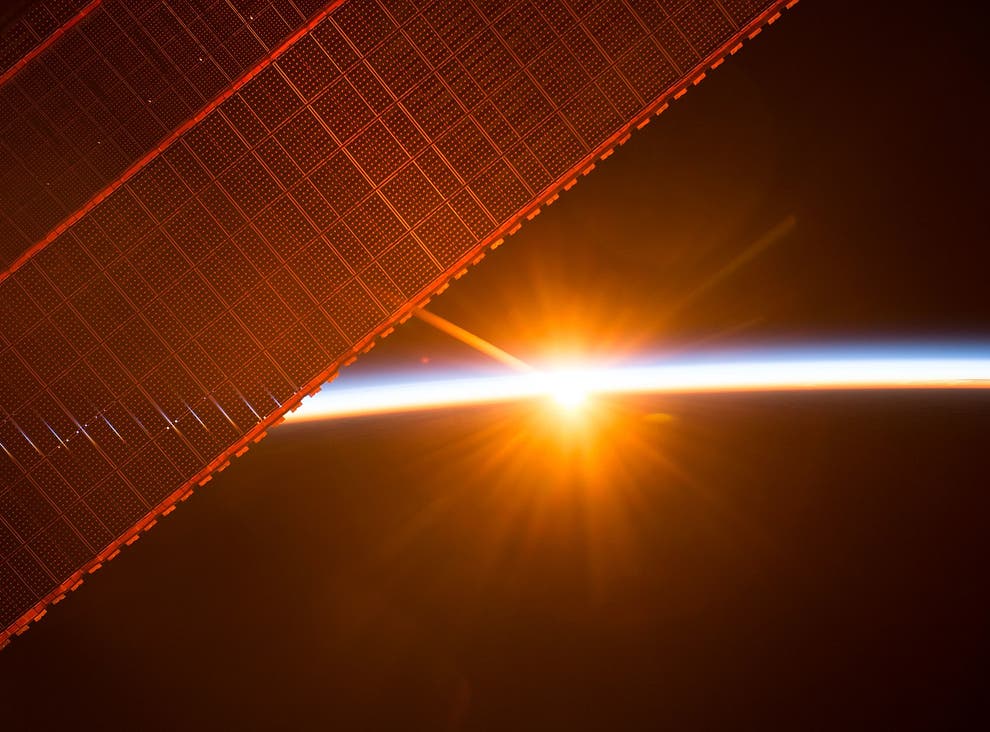
轨道上的天基太阳能发电站可以一天24小时捕捉太阳光线,因此可以持续发电(美国国家航空航天局)
据报道,英国政府正在考虑一项耗资160亿英镑的太空太阳能电站建设计划。
是的,你没看错。天基太阳能是政府的净零创新组合的特色技术之一。与其它方案一样,这也被认为是一个潜在的解决方案,可以使英国到2050年实现零净排放。
但是太阳能发电站如何在太空中工作呢? 这项技术的优点和缺点是什么?
天基太阳能发电包括在太空中收集太阳能并将其传输到地球。虽然这一想法本身并不新鲜,但最近的技术进步使这一前景更有可能实现。
天基太阳能发电系统使用一颗太阳能卫星——一艘装有太阳能电池板的巨大航天器。这些面板产生电能,然后通过高频无线电波无线传输到地球。一种被称为整流天线的地面天线被用来将无线电波转换成电能,然后将电能输送到电网。
轨道上的天基太阳能发电站每天24小时都受到太阳的照射,因此可以持续发电。这与地面太阳能发电系统(地球上的系统)相比具有优势,后者只能在白天发电,并取决于天气。
到2050年,全球能源需求预计将增长近50%,天基太阳能可能是帮助满足世界能源部门不断增长的需求和应对全球气温上升的关键。
一些挑战
天基太阳能电站是基于模块化设计的,其中大量的太阳能组件由轨道上的机器人组装。将所有这些元素运送到太空是很困难的,成本很高,并且会对环境将造成损害。
太阳能电池板的重量被认为是一个早期的挑战。但是这个问题已经通过开发超轻太阳能电池(一种由更小的太阳能电池组成的太阳能电池板)得到了解决。
天基太阳能被认为在技术上是可行的,主要是因为关键技术的进步,包括轻型太阳能电池、无线电力传输和空间机器人。
然而,仅仅组装一个太阳能发电站就需要多次发射航天飞机。尽管从长远来看,太空太阳能发电的目的是减少碳排放,但太空发射也会产生大量的碳排放和成本。
航天飞机目前不能重复使用,尽管Space X等公司正在努力改变这一现状。能够重复使用发射系统将大大降低总体成本。
如果我们成功地建造了一个天基太阳能发电站,它的运行也将面临着一些实际的挑战。太阳能电池板可能会被太空碎片损坏。此外,太空中的电池板没有地球大气层的保护。暴露在更强烈的太阳辐射下,意味着它们的降解速度将比地球上的更快,这将减少它们能够产生的能量。
无线电力传输的效率是另一个问题。远距离传输能量——在这种情况下,从太空中的太阳卫星到地面——是很困难的。基于目前的技术,只有一小部分收集到的太阳能能到达地球。
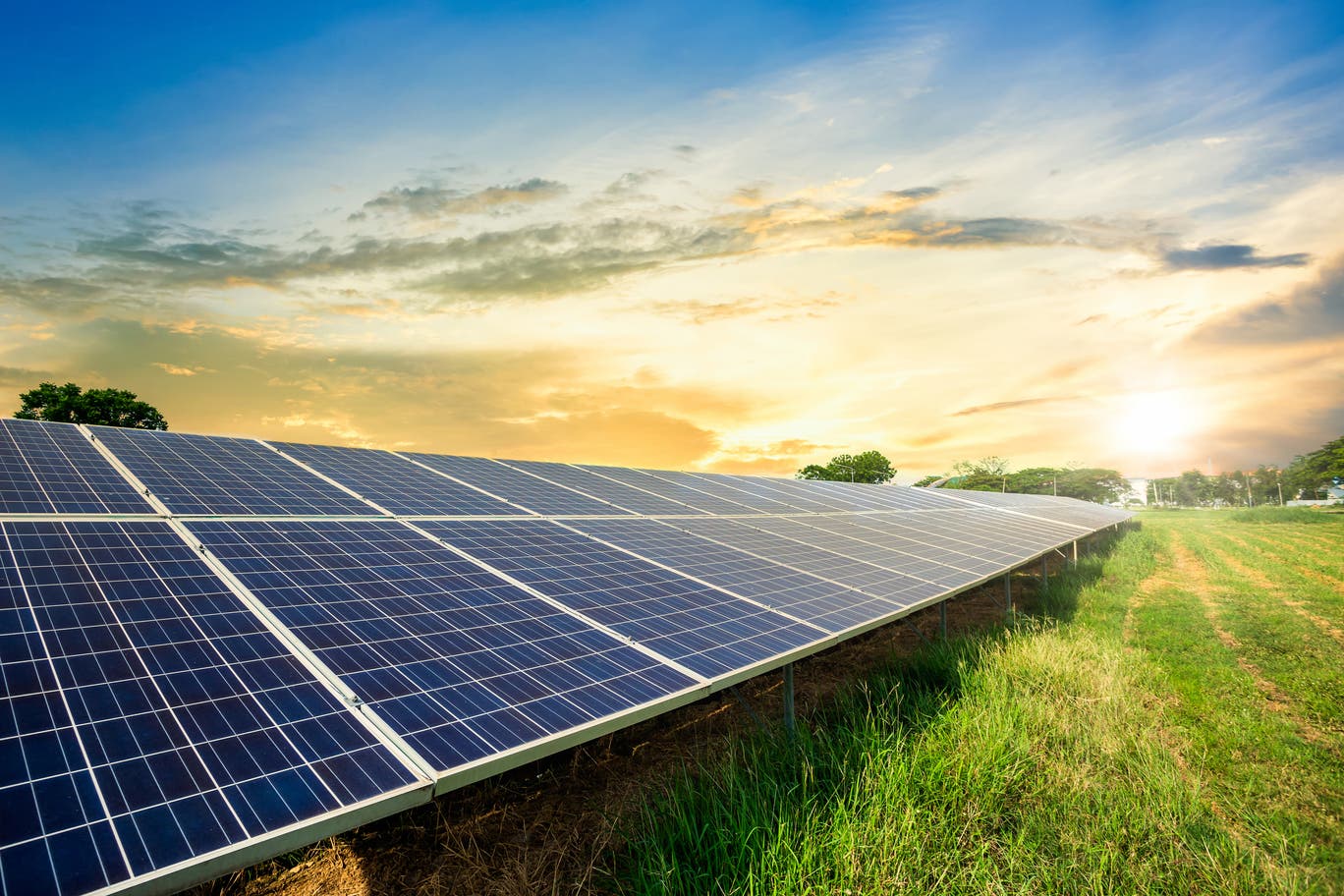
轻型太阳能电池使得将太阳能电池板运送到太空更加可行(盖蒂/iStock)
试点项目已经开始
美国的太空太阳能发电项目正在开发高效太阳能电池,以及优化用于太空的转换和传输系统。美国海军研究实验室于2020年在太空测试了太阳能组件和能量转换系统。与此同时,中国宣布了璧山太空太阳能电站的进展,目标是到2035年建成一个运行系统。
在英国,根据最近的弗雷泽-纳什咨询公司的报告,160亿英镑的太空太阳能开发(加上10亿英镑的运行成本)被认为是一个可行的概念。该项目预计将从小规模试验开始,到2040年建成一个可运行的太阳能发电站。
这颗太阳能卫星直径为1.7公里,重约2000吨。地面天线占据了很大的空间——大约6.7千米乘13千米。考虑到英国各地土地的使用情况,它更有可能被安置在海外。
这颗卫星将为英国提供2GW的电力。虽然电量可观,但它对英国约76GW的发电量的贡献很小。
由于初始成本极高,投资回报缓慢,该项目将需要大量的政府资源以及私人公司的投资。
但随着技术的进步,太空发射和制造的成本将稳步下降。而且该项目的规模将允许大规模生产,这应该会在一定程度上降低成本。
天基太阳能是否能帮助我们在2050年实现净零排放,还有待观察。其他技术,如多样化和灵活的能源储存,氢气和可再生能源系统的增长,都被更好地理解,并可以更容易地应用。
尽管存在种种挑战,但天基太阳能仍是令人兴奋的研究和发展机遇的先导。未来,该技术很可能在全球能源供应中发挥重要作用。
原文:
How Exactly Would a Solar Power Station in Space Work?
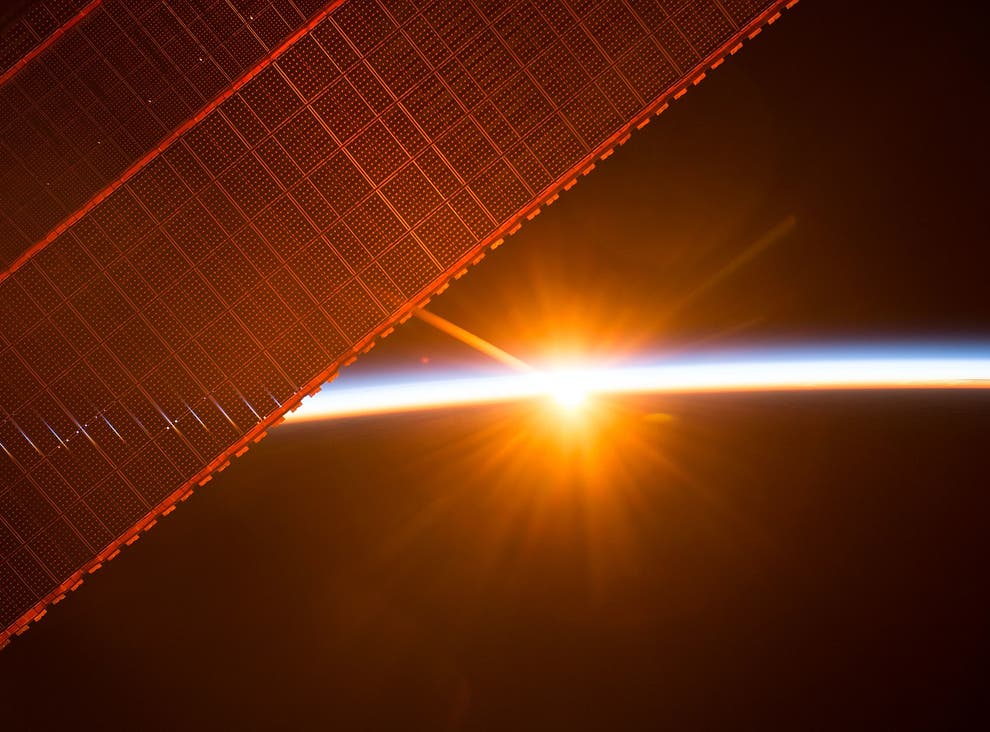
A space-based solar power station in orbit would catch the sun’s rays 24 hours a day and so could generate electricity continuously (Nasa)
The UK government is reportedly considering a £16bn proposal to build a solar power station in space.
Yes, you read that right. Space-based solar power is one of the technologies to feature in the government’s Net Zero Innovation Portfolio. It has been identified as a potential solution, alongside others, to enable the UK to achieve net zero by 2050.
But how would a solar power station in space work? What are the advantages and drawbacks to this technology?
Space-based solar power involves collecting solar energy in space and transferring it to Earth. While the idea itself is not new, recent technological advances have made this prospect more achievable.
The space-based solar power system uses a solar power satellite – an enormous spacecraft equipped with solar panels. These panels generate electricity, which is then wirelessly transmitted to Earth through high-frequency radio waves. A ground antenna, called a rectenna, is used to convert the radio waves into electricity, which is then delivered to the power grid.
A space-based solar power station in orbit is illuminated by the sun 24 hours a day and could therefore generate electricity continuously. This represents an advantage over terrestrial solar power systems (systems on Earth), which can produce electricity only during the day and depend on the weather.
With global energy demand projected to increase by nearly 50 per cent by 2050, space-based solar power could be key to helping meet the growing demand on the world’s energy sector and tackling global temperature rise.
Some challenges
A space-based solar power station is based on a modular design, where a large number of solar modules are assembled by robots in orbit. Transporting all these elements into space is difficult, costly, and will take a toll on the environment.
The weight of solar panels was identified as an early challenge. But this has been addressed through the development of ultralight solar cells (a solar panel comprises smaller solar cells).
Space-based solar power is deemed to be technically feasible primarily because of advances in key technologies, including lightweight solar cells, wireless power transmission and space robotics.
However, assembling just one of these solar power stations will require many space shuttle launches. Although space-based solar power is designed to reduce carbon emissions in the long run, there are significant emissions associated with space launches, as well as costs.
Space shuttles are not currently reusable, though companies like Space X are working on changing this. Being able to reuse launch systems would significantly reduce the overall costs.
If we manage to successfully build a space-based solar power station, its operation faces several practical challenges, too. Solar panels could be damaged by space debris. Further, panels in space are not shielded by the Earth’s atmosphere. Being exposed to more intense solar radiation means they will degrade faster than those on Earth, which will reduce the power they are able to generate.
The efficiency of wireless power transmission is another issue. Transmitting energy across large distances – in this case from a solar satellite in space to the ground – is difficult. Based on the current technology, only a small fraction of collected solar energy would reach the Earth.
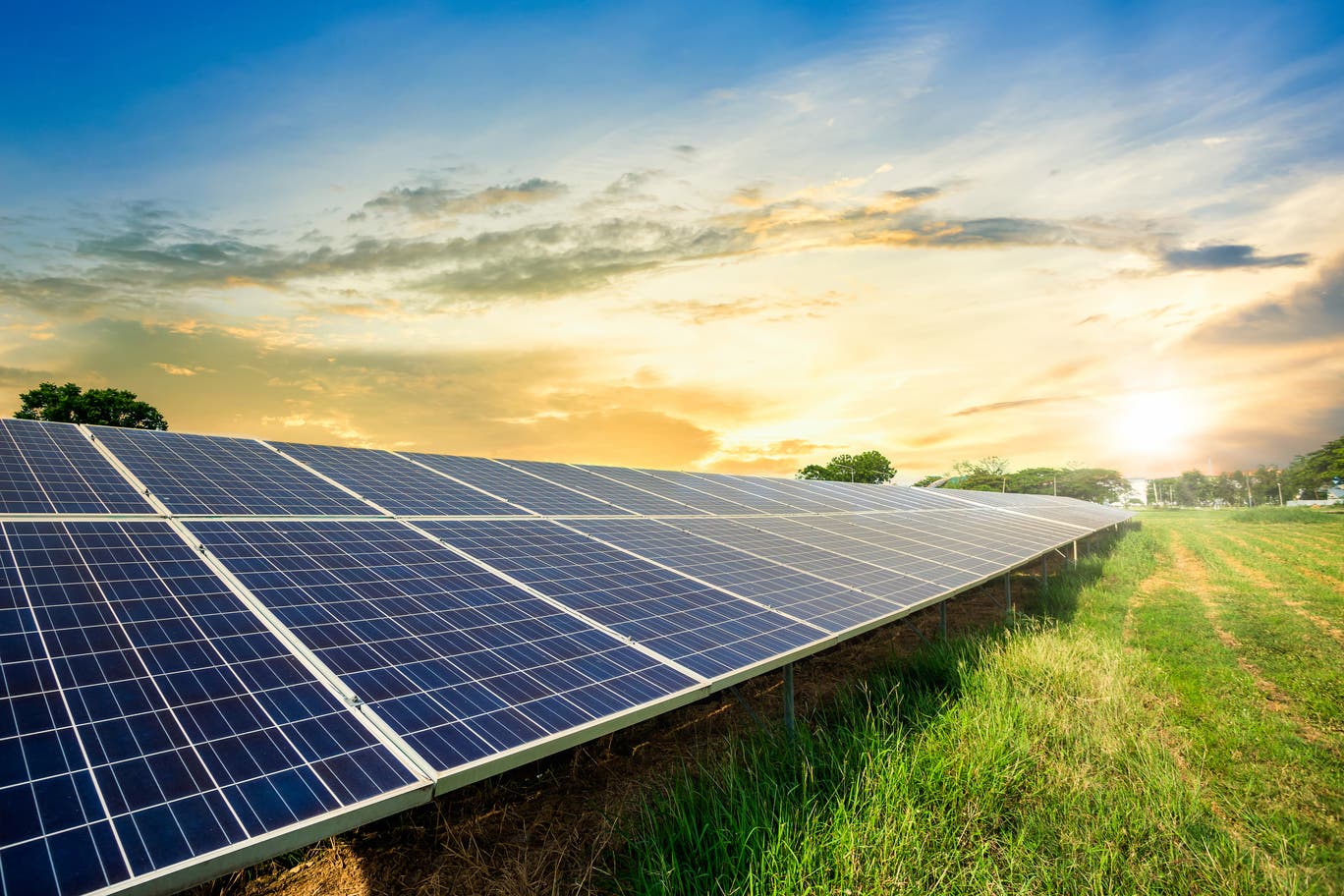
Lightweight solar cells makes transporting panels into space more feasible (Getty/iStock)
Pilot projects are already underway
The Space Solar Power Project in the US is developing high-efficiency solar cells as well as a conversion and transmission system optimised for use in space. The US Naval Research Laboratory tested a solar module and power conversion system in space in 2020. Meanwhile, China has announced progress on their Bishan space solar energy station, with the aim to have a functioning system by 2035.
In the UK, a £16bn space-based solar power development (plus £1bn running costs) is deemed to be a viable concept based on the recent Frazer-Nash Consultancy report. The project is expected to start with small trials, leading to an operational solar power station in 2040.
The solar power satellite would be 1.7km in diameter, weighing around 2,000 tonnes. The terrestrial antenna takes up a lot of space – roughly 6.7km by 13km. Given the use of land across the UK, it’s more likely to be placed offshore.
This satellite would deliver 2GW of power to the UK. While this is a substantial amount of power, it is a small contribution to the UK’s generation capacity, which is around 76GW.
With extremely high initial costs and slow return on investment, the project would need substantial governmental resources as well as investments from private companies.
But as technology advances, the cost of space launch and manufacturing will steadily decrease. And the scale of the project will allow for mass manufacturing, which should drive the cost down somewhat.
Whether space-based solar power can help us meet net zero by 2050 remains to be seen. Other technologies, like diverse and flexible energy storage, hydrogen and growth in renewable energy systems are better understood and can be more readily applied.
Despite the challenges, space-based solar power is a precursor for exciting research and development opportunities. In the future, the technology is likely to play an important role in the global energy supply.