实现合作与融合是当务之急
非洲受到疫情的影响无法与西欧和美国相比拟,但南非及非洲其他地区出现新型变种,促使非盟成员国努力推出自力更生的政策。新规划的非洲大陆自由贸易区能够推动这13亿人民生活水平的提高,帮助他们掌控社会生产资料,应得到全世界进步和平力量的支持。
非洲自由贸易区带来的期望已经是后殖民时代的老生常谈了。加纳共和国创始人夸梅-恩克鲁玛博士等领导人主张在科学社会主义制度下实现非洲的革命性统一。在1963年非盟前身非洲统一组织(非统组织)成立之际,恩克鲁玛多次发出对统一的呼吁,在非同组织首次首脑会议同期出版《非洲必须统一》一书。
1963年5月25日非统组织在埃塞俄比亚斯亚贝巴举行第一次首脑会议后,恩克鲁玛等人继续宣传非洲大陆一体化和统一的概念。1964年埃及开罗峰会在马尔科姆-X的干预下,讨论了美国对非洲的民族压迫问题。
非盟和联合国*权人**理事会(UNHRC)依据1964年的这些进展,于2020年再次提出世界主要资本主义国家的体制性种族主义与残*行暴**径。随后,明尼阿波利斯的乔治-弗洛伊德、乔治亚州的布伦斯威克阿茂德-阿波力和路易斯维尔的布列奥纳-泰勒被残杀的报道,进一步激怒国际社会。
非洲要在广泛国际社会中提高地位,激励和鼓舞那些散居国外的,为自主自决、民族解放、社会正义和平等而斗争的人们。正如恩克鲁玛在60年代与70年代初指出的,非洲的解放将极大地鼓舞全球所有黑人和被压迫的人民。
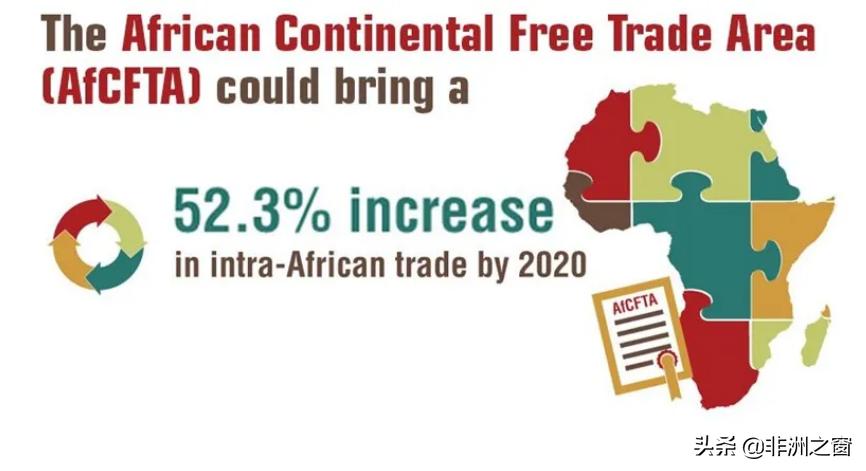
至于非洲大陆自由贸易区的具体潜在作用,项目任务书中表示:“非洲大陆自由贸易区是非洲联盟55个国家中54国在《非洲大陆自由贸易协定》中概述的自由贸易区,是世界贸易组织成立以来,全球参与国家数量最多的自由贸易区。协定由非洲联盟(AU)促成,由55成员国中44国于2018年3月21日在卢旺达基加利签署。协定最初要求成员国取消90%的商品关税,允许整个非洲大陆的商品、货物和服务自由进入。据联合国非洲经济委员会(UNECA)估计,到2022年,该协定将使非洲内部贸易增长52%。”
2020年非盟成员国间普遍存在的问题包括奴隶制、殖民主义、新殖民主义和帝国主义各方面所遗留的副作用。农业和采矿部门商品价格下跌,成为非洲出口驱动型经济多年以来的主要障碍。随着疫情及其对资本主义国家经济带来的影响,非洲大陆的这些弱势也在加剧。

非洲自由贸易区项目面临的阻碍
作为东非主要经济体的肯尼亚最近与邻国索马里爆发外交纠纷,印度洋近海与索马里南部朱巴兰地区的边界问题上存在海上和内陆的争端。肯尼亚对联合国及非盟未承认独立的索马里兰北部分离地区的领导人进行接待,进而加剧了这一紧张局势。
自21世纪00年代末美国为控制索马里的政治局势以来,肯尼亚作为该设计的一部分而向索马里部署部队。五角大楼在美国非洲司令部(AFRICOM)的指令下进行空中打击,肯尼亚士兵在联合国授权的非盟驻索马里特派团(AMISOM)内开展工作。该特派团为稳定摩加迪沙政府、击败十年来对联邦政权发动战争的青年*党**组织设计。这些事态必然使得促进贸易和经济一体化所需关系正常化的潜力更加复杂。
针对这一局势,12月24日报告表示:“肯尼亚索马里两国边境正在进行军事集结,使得人们越来越担心两国紧张关系引发战争。索马里联邦政府已向其边境城镇贝莱德-哈沃派兵,而与肯尼亚关系良好的索马里朱巴兰地区部队则驻扎在附近的肯尼亚城镇马德拉。数百名与朱巴兰内政部长阿卜迪拉希德-贾南结盟的战士已经在马德拉驻扎数月,并于去年3月在贝莱德哈沃发动越境袭击,造成数十人死亡。12月22日,在索马里政府派出数百名士兵保护该地区后,马德拉居民走上街头要求朱巴兰部队离开,停止危害他们的生命。在先前一周索马里与肯尼亚断绝了外交关系。联邦政府指责肯尼亚干涉其内政,肯尼亚官员提出否认。非洲风险管理中心负责人乔治-穆萨马里说,肯尼亚与索马里的冲突会影响到边境以外的地区。”
与此同时,西非经济共同体(ECOWAS)区域8月20日在马里发生军事*变政**,给这个15成员国的机构带来了巨大挑战。西非经共体随即部署代表团,由尼日利亚前总统古德勒克-乔纳森率领前往马里,明确要求叛乱士兵将控制权交还民选政府。2012年的*变政**中,参与*翻推**民选政府的低级军官也是五角大楼对士兵进行亲帝国主义教育的产物。
在大量研讨后,西非经共体决定成立临时行政当局,包括反对派的政治力量和*变政**者。西非经共体威胁叛乱部队,如不返回军营就将暂停马里的成员资格,禁止与这个内陆国家建立贸易与正常外交关系。自8月以来,军方问题仍在继续,进一步威胁到该国稳定。
法国殖民主义留下了与北部图阿雷格人的内部争端几十年来一直困扰着马里。而在2012-13年战斗升级后,在已经开展行动的非洲共同体协助下,法国对其进行了军事干预。然而,北部叛乱活动已被圣战团体严重渗透,而这些团体的来源和支持往往与帝国主义在非洲和西亚的目标不谋而合。
西非经共体在2019年推出单一货币,以促进跨境贸易和旅行。到2020年末,这一“生态”区域货币的推出已暂停,因为“为时过早”。即使这些明显善意的存在,除马里外的其他国家,包括尼日利亚、尼日尔、乍得、布基纳法索和喀麦隆等都存在武装反对派团体,使非洲共同体及法国领导的“巴克汉行动”合理继续存在,不可避免地阻碍着泛非统一的实现。
这些内部冲突和殖民划定领土边界产生的冲突,对非洲自由贸易区团结与合作方案实行非常不利。解决这些矛盾是非洲及其人民实现真正独立和主权的必要条件。

政治稳定作为泛非主义先决条件
倘若在非盟成员国中公平分配资源,便能够为和平与安全创造气氛。而即使没有内战和边界冲突,政府的合法性和治理性质也时常会产生动荡。比如在象牙海岸和几内亚-科纳克里,由于对行政当局是否有权继续执政的异议,直接导致了*力暴**事件的广泛爆发。
在非盟中人口最多的尼日利亚被认为是非洲最大经济体。尼日利亚在10月由于臭名昭著的特别反抢劫队(SARS)警察不当行为发生了一场全国青年领导的叛乱,数十人在警察和军方对#EndSARS运动*威示**的进一步*压镇**中被杀害。针对最高法院、一所监狱、一家主要电视台和拉各斯州州长住所以及其他州和国民经济象征的*力暴**报复也因此发生。
非盟范围内有一个和平与安全理事会负责缓解整个非洲大陆的冲突。根据该会的任务说明,“非盟领导为确保非洲实现《2063年议程》的愿望四而作出决策和执行决定,通过利用各种机制促进以对话为中心的办法来预防和解决冲突,通过和平教育在非洲儿童青年中建立和平与宽容的文化,实现“和平安全非洲”。《2063年议程》的标志口号“到2020年为止让枪声消失”,是目前为确保非洲成为更加和平稳定的大陆而开展的活动核心。
非盟和平与安全理事会是促进非洲大陆和平与安全的主要机构,也是非盟预防、管理和解决冲突的常设决策机构。它是对于集体安全和预警、促进对非洲的冲突和危机局势作出及时有效反应的组织,也是非洲促进和平与安全框架架构的支柱”。
为使这一非盟部门有效运作,阻碍有效发展的阶级、民族和小民族冲突必须得到解决,这是非洲自由贸易区项目在今后决定性时期中实现其最低目标的必要条件。

原文
Africa in Review 2020 II: AfCFTA Prospects
Operationalization of A Renewed Call for Cooperationand Integration is Needed in the Current Period
Although the impact of the COVID-19 pandemic in Africa does not in any way rival the existing public health situation in Western Europe and the United States, the presence of a new variant in South Africa and other regions of the continent emphasizes the necessity of independent efforts on the part of the African Union (AU) member-states to advance a policy of self-reliance.
To the extent that the newly formulated African Continental Free Trade Area (AfCFTA) can move the 1.3 billion people towards a better standard of living along with greater control over the means of production within the society, it should be supported by progressive and peace-loving forces throughout the world.
The AfCFTA aspirations are by no means new to the post-colonial era. Leaders such as Dr. Kwame Nkrumah, founder of the Republic of Ghana, advocated the revolutionary unification of Africa under ascientific socialist system. In the interim during 1963 at the founding of the AU predecessor, the Organization of African Unity (OAU), Nkrumah issued numerous appeals for unification including the book entitled “Africa Must Unite”, which was published to coincide with the maiden summit of the continental body.
Even after the May 25, 1963 first summit of the OAU in Addis Ababa, Ethiopia, Nkrumah and others continued to promote the notions of continental integration and unification. The 1964 summit in Cairo, Egypt took up the question of the national oppression of Africans in the United States with the intervention of Malcolm X. These developments in 1964, were utilized by the AU and the United Nations Human Rights Council (UNHRC) to raise once again in 2020 the institutional racism and brutality carried out by the state in the world’s leading capitalist country. The brutal murder of George Floyd in Minneapolis further enraged the international community after reports of the brutal killings of Ahmaud Arbery in Brunswick, Georgia and Breonna Taylor in Louisville.
The enhancement of Africa’s status within the broader international community would inspire and encourage those within the Diaspora who are struggling for self-determination, national liberation, social justice and equality. As Nkrumah noted during the 1960s and early 1970s, the liberation of Africa would be a tremendous inspiration to all Black and oppressed peoples throughout the planet.
With specific reference to the potential role of AfCFTA, the mission of the project says: “The African Continental Free Trade Area (AfCFTA) is a free trade area, outlined in the African Continental Free Trade Agreement among 54 of the 55 African Union nations. AfCFTA is the largest in the world in terms of participating countries since the formation of the World Trade Organization. The agreement was brokered by the African Union (AU) and was signed on by 44 of its 55 member states in Kigali, Rwanda on March 21, 2018. The agreement initially requires members to remove tariffs from 90% of goods, allowing free access to commodities, goods, and services across the continent. The United Nations Economic Commission for Africa (UNECA) estimates that the agreement will boost intra-African trade by 52 percent by 2022.” (https://www.africancfta.org/aboutus)
Problems prevalent within the AU member-states in 2020 are by-product of the legacies of slavery, colonialism, neo-colonialism and all aspects of imperialism. The decline in commodity prices within the agricultural and mining sectors has been a major impediment to the export-driven African economies for several years. These vulnerabilities on the continent have been exacerbated by the COVID-19 pandemic and its economic impact within the imperialist states.
Impediments to Implementations of the AfCFTA Project
In the leading economy of East Africa, the Republic of Kenya, there has been a recent diplomatic row which has erupted with neighboring Somalia. There is both a maritime and inland dispute over borders in the Indian Ocean offshore along with the areas of Jubaland insouthern Somalia. Kenya has also aggravated tensions by hosting the leader of the breakaway northern region known as Somaliland. The area has not been recognized as independent by either the United Nations or the AU. (https://www.france24.com/en/africa/20201215-somalia-cuts-diplomatic-ties-with-kenya-after-breakaway-region-s-leader-visits-nairobi)
Kenya has deployed its troops to Somalia as part of the U.S.-engineered efforts to control the political situation inside that country since the late 2000s. Aerial strikes have been carried out by the Pentagon now under the banner of the U.S. Africa Command (AFRICOM). Kenyan soldiers have functioned within the United Nations-mandated African Union Mission to Somalia (AMISOM) which is ostensibly designed to stabilize the government in Mogadishu and to defeat the al-Shabaab group that has waged war against the federal regime for a decade. These developments have surely complicated the potential for normalized relations necessary for the facilitation of trade and economic integration.
A report published on December 24 says of the situation that: “There is growing concern the tensions between Kenya and Somalia may erupt into fighting, due to a military buildup along the two countries’ borders. The Somalia federal government has sent troops to the border town of Beled-Hawo, while forces from Somalia’s Jubaland region, which enjoys a good relationship with Kenya, are stationed in the nearby Kenyan town of Madera…. Hundreds of fighters allied to Jubaland Interior Minister Abdirashid Janan have been stationed in Madera for months. Last March, these forces launched a cross-border attack in Beled Hawo, killing dozens. On Tuesday (December 22), Madera residents took to the streets to demand the Jubaland forces to leave and stop endangering their lives. The protest took place after the Somali government sent hundreds of soldiers to secure the Beled-Hawo area….Last week, Somalia cut diplomatic ties with Kenya. The federal government accuses Kenya of interfering with its internal affairs — an accusation that Kenyan official deny. George Musamali is the head of the Center for Risk Management in Africa. He says any conflict between Kenya and Somalia would be felt beyond the border area.” (https://www.voanews.com/africa/residents-kenya-somalia-border-area-fear-conflict-amid-diplomatic-tensions)
Meanwhile in the Economic Community of West Africa (ECOWAS) region a military coup in Mali on August 20 posed a major challenge to this body which represents 15 member-states. ECOWAS immediately deployed a delegation to Mali headed by former Nigerian President Goodluck Jonathan to demand in no uncertain terms that the mutinous soldiers relinquish control to the previously elected administration. The leaders of the coup were trained by the Pentagon at military colleges in the U.S. This same phenomenon was true in relationship to the putsch of 2012 where the lower-ranking officers involved in overthrowing an elected government were products of the pro-imperialist education given to soldiers by the Pentagon.
After much discussion, it was decided that an interim administration would be established which included both opposition political forces and the coup makers. ECOWAS threatened the suspension of Mali from the organization prohibiting trade and normal diplomatic relations with the landlocked country if the mutinous troops did not return to the barracks. Since August, problems are continuing with the military further threatening the stability of the country.
Mali has been inflicted for decades by an internal dispute inherited from French colonialism with the Tuareg population in the north. After the escalation in fighting in 2012-2013, France intervened militarily with the assistance of AFRICOM already operating in the country. Nonetheless, the northern insurgency has been heavily infiltrated by jihadist groups whose origins and backing tend to coincide with the aims of imperialism in Africa and West Asia.
ECOWAS during 2019 introduced a single monetary unit in the effort to promote cross border trade and travel. By the latter months of 2020, this launch of the “Eco” regional currency was suspended under the guise that the initiative was premature. Even with these apparent good intentions, the existence of armed opposition groups in several other states notwithstanding Mali, including Nigeria, Niger, Chad, Burkina Faso and Cameroon, only serves to provide a rationale for the continued presence of AFRICOM as well as the French-led Operation Barkhane, which inevitably prevents the realization of Pan-African unity.
These conflicts internally and over colonial-drawn territorial boundaries are not conducive to the implementation of the AfCFTA program of unity and cooperation. There is the necessity of resolving these issues as an imperative towards genuine independence and sovereignty for Africa and its people.
Political Stability as a Prerequisite for Pan-Africanism
An equitable distribution of resources in AU member-states could create the atmosphere for peace and security. Even short of civil war and border conflicts, there is unrest periodically over the legitimacy of governments and the character of governance. For example, in Ivory Coast and Guinea-Conakry, widespread outbreaks of violence were the direct result of dissent over whether the administrations in these states had the right to continue their tenure in office.
In Nigeria, the most populous state within the AU which is said to have the largest economy on the continent, was the scene of a national youth-led rebellion in October prompted by police misconduct carried out by the notorious Special Anti-Robbery Squad (SARS). Dozens of people were killed in further repression against the #EndSARS Campaign demonstrations at the hands of the police and military. In response there were violent retaliations targeting the Supreme Court, a prison, aleading television station and the home of the Lagos state governor, among other symbols of the state and national economy.
Within the context of the AU there is the Peace and Security Council (PSC) whose charge is to ameliorate conflict throughout the continent. According to its mission statement: “The African Union leads policy making and implementation of decisions aimed at ensuring that Africa achieves Aspiration 4 of Agenda 2063 which aspires for ‘A peaceful and secure Africa’ through the use of mechanisms that promote a dialogue-centered approach to conflict prevention and resolution of conflicts and establishing of a culture of peace and tolerance nurtured in Africa’s children and youth through peace education. The Agenda 2063 flagship initiative of Silencing the Guns by 2020 is at the core of activities being put in place to ensure Africa is a more peaceful and stable continent.
The key AU Organ for promoting peace and security on the continent is the Peace & Security Council (PSC) which is the standing decision-making organ of the AU for the prevention, management and resolution of conflicts. It is a collective security and early warning arrangement intended to facilitate timely and efficient responses to conflict and crisis situations in Africa. It is also the key pillar of the African Peace and Security Architecture (APSA), which is the framework for promoting peace, security and stability in Africa.” (https://au.int/en/psc)
In order for this division of the AU to function effectively there must be the resolution of the class, national and micro-nationality conflicts which are stifling qualitative development. The settling of these disputes is necessary for the AfCFTA project to reach its minimal goals leading to the decisive years ahead.
By Abayomi AzikiweEditor, Pan-African News WireStrategic Review