Researchers Discover Meat-Eating Plant in Canada
加拿大研究人员发现了一种吃两栖动物的猪笼草
http://www.51voa.com/VOA_Special_English/researchers-discover-meat-eating-plant-in-canada-82262.html
2019-06-17
导读:加拿大安大略省的研究人员在省立公园发现了北美唯一吃两栖动物的猪笼草,以往猪笼草都是以昆虫蜘蛛为食。被困在猪笼草内的蝾螈有的在三天内就死了,有的能活19天。研究人员猜测可能是猪笼草叶子内分泌的蛋白质分解了蝾螈,也有可能蝾螈因为太热、饥饿或感染等原因死了。
1)Researchers say they have discovered a plant in Canada that not only eats insects, but also feeds on at least one amphibious creature.
加拿大的研究人员说:他们发现了一种植物不止吃昆虫,而且至少以一种两栖动物为食。
2)The discovery was recently reported in a study by a research team from Canada's University of Guelph in Ontario. The study was published in the journal Ecology.
此发现是由加拿大安大略省圭尔夫大学(University of Guelph)的研究团队的研究中写的,该研究出版在《生态》杂志上。

加拿大圭尔夫大学
圭尔夫大学(University of Guelph),又译贵湖大学:
是加拿大一所规模中等却有着全面教育及卓越科研的综合性公立大学。圭尔夫大学提供超过90个主修科(majors),13个荣誉学位及63个海外远程课程。
根据加拿大麦考林杂志(Maclean's),圭尔夫大学在1999, 2002, 2003, 2006, 2007年度在加拿大综合类大学中排名第一,2017年麦考林综合类大学排名第四。
学校享有“全加本科教育质量第一”的名誉,更以“宽进严出”、高淘汰率的研究生高等教育(包括硕士和博士)而出名,并且在农学、兽医、生物、食品以及环境科学等相关领域位于加拿大及世界前列。
3)The research involved pitcher plants in Ontario's Algonquin Provincial Park. The plants – which take many shapes and sizes and have colorful designs - grow in wetlands across Canada.
该研究涉及加拿大安大略省(简称安省)阿岗昆省立公园的猪笼草。猪笼草有多种形状和大小、图案多姿多彩,加拿大全国的湿地里都有生长。
pitcher plant:英 [ˈpɪtʃə(r) plɑːnt] 美 [ˈpɪtʃər plænt] 猪笼草;瓶子草;株猪笼草;猪龙草;株巨型囊叶植物
Algonquin Provincial Park:美 [ælˈgɑŋkwɪn prəˈvɪnʃl pɑːrk] 阿岗昆省立公园;
阿岗昆省立公园占地7725平方公里,内有超过1000个大小的湖泊,100种鸟类和1000种植物及黑熊、糜鹿、海狸、野兔和野狼等野生动物。是安大略省最大最古老,同时也是最著名的郊野公园,它位于多市以北350公里处,是该省重要的野生生态保护区。
这个座落于小镇惠特尼(Whitney)的公园,与多市的距离不过210公里,乘车只需3个小时。公园内有近千个湖泊和大片浓郁幽深的森林,这里是喜欢户外露营和远足旅行者们的天堂。尤其值得一提的是,当每年秋季来临,这里就成了枫叶的海洋,漫山遍野褐红的枫叶让游人感到仿佛置身童话世界一般。据公园的负责人称,照以往的规律,最佳的赏枫期应该在九月份的最后一个星期。
design:[C] an arrangement of lines and shapes as a decoration 装饰图案;花纹
同义词: pattern eg. floral/abstract/geometric designs花卉 / 抽象 / 几何图案
4)A pitcher plant's leaves usually form a tall, narrow pocket that can hold liquid. Insects and spiders that enter the pocket often become trapped and the pitcher plant then feeds on their bodies.
猪笼草的叶子通常形成了一个高高的、狭长的笼,里头有液体。进了笼的昆虫和蜘蛛通常就困在了里头、然后猪笼草就把它们吃掉了。
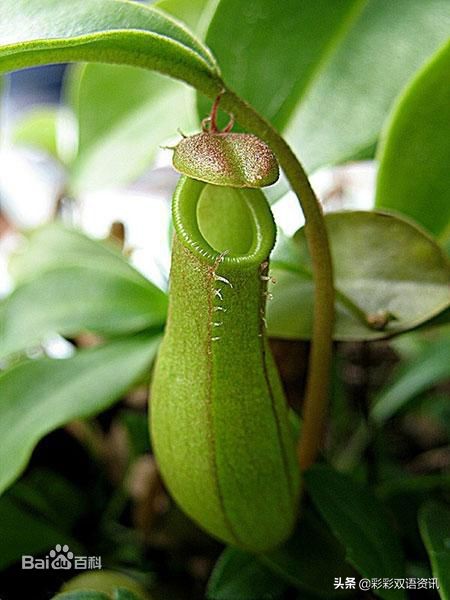
猪笼草
 猪笼草是猪笼草属全体物种的总称。属于热带食虫植物,原产地主要为旧大陆热带地区。其拥有一个独特的吸取营养的器官——捕虫笼,捕虫笼呈圆筒形,下半部稍膨大,笼口上具有盖子,因其形状像猪笼而得名。
 猪笼草叶的构造复杂,分叶柄、叶身和卷须。卷须尾部扩大并反卷形成瓶状,可捕食昆虫。猪笼草具有总状花序,开绿色或紫色小花,叶顶的瓶状体是捕食昆虫的工具。瓶状体的瓶盖复面能分泌香味,引诱昆虫。瓶口光滑,昆虫会被滑落瓶内,被瓶底分泌的液体淹死,并分解虫体营养物质,逐渐消化吸收。
猪笼草属植物共有野生种约170种,中国广东地区仅产一种,另外有园艺种超过1000种。
5)Pitcher plants are often found in bogs - soft, extremely wet areas. The plants are known for feeding on small organisms – such as insects and spiders – that get caught in the trap.
猪笼草经常被发现于沼泽,常以吃昆虫蜘蛛等被困住的小生物出名。
6)But the researchers made a surprising discovery - the pitcher plants were also feeding on young salamanders. A salamander is a lizard-like amphibian.
但是研究人员有了一个惊人的发现:这*猪种**笼草还吃小蝾螈,一种像蜥蜴的两栖动物。
salamander:英 [ˈsæləmændə(r)] 美 [ˈsæləmændər] n.蝾螈(两栖动物,形似蜥蜴)
7)The research team said it believes this is the first time any North American pitcher plants have been observed feeding on anything besides insects or spiders.
研究小组说它们相信这是首次被观察到的任何北美猪笼草吃昆虫或蜘蛛之外的任何东西。
8)During visits to a single area of the park in fall of 2018, the research team found almost one in five pitcher plants contained young salamanders. The amphibians were each about as long as a human finger.
在2018年秋天对该公园的一个区域的多次视察中,研究小组发现:几乎五分之一的猪笼草里有小蝾螈,每个蝾螈大概有人类的手指那么长。
9)Several plants contained more than one captured salamander. Some of the trapped salamanders died within three days, while others lived for up to 19 days.
有几个猪笼草里被捕获的蝾螈不只一个;这些被困住的蝾螈有的三天内就死了,有些能活19天。
10)The researchers said they do not know what killed the salamanders. They could have died from proteins produced by the pitcher plants that are held in liquid inside the leaves. This liquid mixture is designed to break down organisms trapped in the plants to aid the feeding process.
研究人员说他们不知道是什么杀死了蝾螈;它们可能死于猪笼草叶子内部的液体分泌出的蛋白质,这种液态混合物能分解被困住的生物体,助消化。
11)The researchers suggested other possible causes for the salamander deaths could have included heat, starvation or infections. Organisms living in the pitcher may also help break down the salamanders' bodies.
研究人员还说:太热、饥饿或感染等其他原因也可能导致蝾螈死亡。寄生在猪笼草内的生物可能也帮助分解了蝾螈的尸体。
本材料源自www.51voa.com,经过本人节选、后期翻译而成,若有翻译的不妥当的地方,欢迎指正