Why Are Old Women Often the Face
of Evil in Fairy Tales and Folklore?
为什么童话和传说中的坏人都是老妇人?
By Elizabeth Blair
文/伊丽莎白·布莱尔 译/田耀收
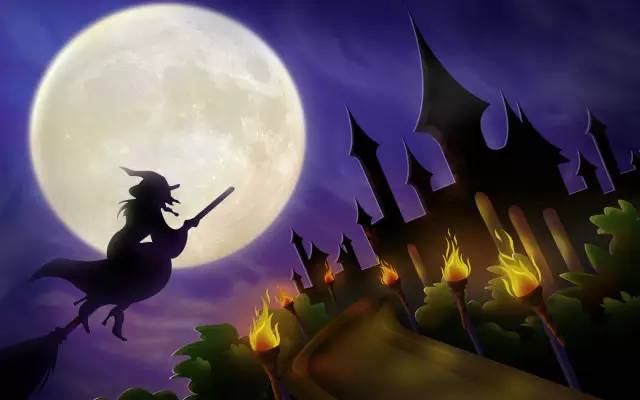
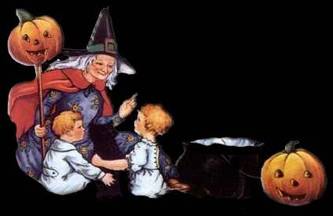
Fear old women in fairy tales. For as long as people have been telling stories, crones[1]have been scaring the wits out of children. But why does the face of evil so often belong to an old woman?
童话故事里的老妇人总是令人望而生畏。只要人们讲故事,故事中的老太婆就会把孩子们吓得魂不守舍。那么问题来了:为什么邪恶往往和老妇人联系在一起呢?
[1] crone 丑陋的老太婆。
Typecasting is one explanation. “What do we have? Nags, witches, evil stepmothers, cannibals, ogres. It’s quite dreadful,” says Maria Tatar, who teaches a course on folklore and mythology at Harvard. Still, Tatar is quick to point out that old women are also powerful—they’re often the ones who can work magic.
一个解释是角色模式化。“我们都能看到什么人物形象?怨妇、巫婆、邪恶的继母、食人妇、吃人女魔,无一不令人毛骨悚然。”玛丽亚·塔塔尔说道。玛丽亚·塔塔尔任教于哈佛大学,讲授民间传说和神话。塔塔尔紧接着指出,老妇人也很强大——她们往往拥有魔法。
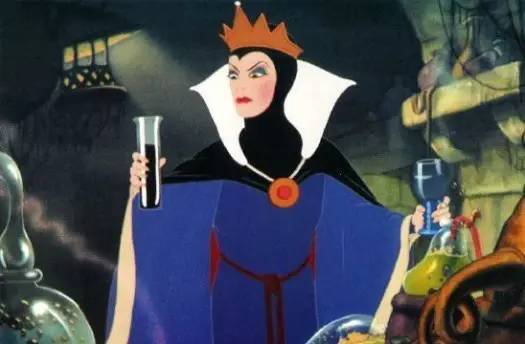
“I always look to the Disney film Snow Whiteand that charismatic, wicked queen who is down in the cellar with her chemistry set. There’s a sequence in which she turns from a beautiful, charismatic, wicked queen into an old hag,” Tatar says. “I think that’s a scene that is probably more frightening for adults than children because it compresses the aging process into about 20 seconds.”
“我经常研究迪士尼影片《白雪公主》以及那个迷人、邪恶的王后,她常常带着魔药道具躲在王宫的地下室里。有这样一组镜头:她从一个美丽、迷人、邪恶的王后,一下子变为一个丑陋的老太婆。”塔塔尔说,“我认为这个场面对成年人的震撼力可能要远远大于儿童,因为它把衰老的过程压缩到短短的20秒内完成。”
The queen poisons Snow White so she’ll sleep forever, and other characters are just as wretched. The old lady in Hansel and Gretelwants to roast children in her oven and the witch inThe Little Mermaid cuts out Ariel’s tongue.
王后给白雪公主投毒, 让她长眠不醒,其他角色的命运也很悲惨。《糖果屋》中的老妇人试图把孩子们放在烤箱里烤熟。《海的女儿》里的女巫割掉了爱丽儿的舌头。
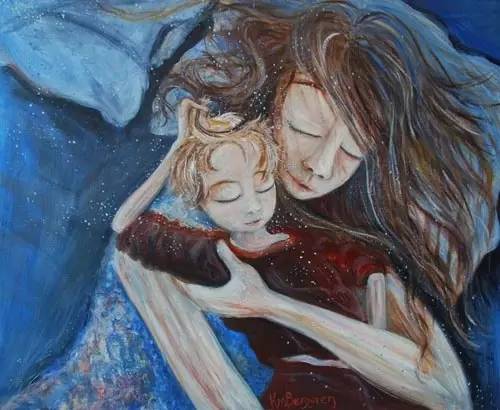
Tatar says old women villains are especially scary because, historically, the most powerful person in a child’s life was the mother. “Children do have a way of splitting the mother figure into... the evil mother—who’s always making rules and regulations, policing your behavior, getting angry at you—and then the benevolent nurturer—the one who is giving and protects you, makes sure that you survive.”
塔塔尔说上了年纪的女性恶人尤其让人觉得恐怖, 这是因为,从人的成长史看, 孩子生活中最有权力的人是母亲。“孩子们确实把母亲的角色一分为二:邪恶的母亲和慈祥的妈妈。邪恶的母亲老是制定各种规矩,监督你的行为,你一旦犯错,她就会暴跳如雷;慈祥的妈妈养育你,保护你,确保你生存下来。”
Veronique Tadjo, a writer who grew up in the Ivory Coast, thinks there’s a fear of female power in general. She says a common figure in African folk tales is the old witch who destroys people’s souls. As Tadjo explains, “She’s usually a solitary woman. She’s already marginal. She’s angry at something—at life, or whatever—and she will ‘eat’—that’s the expression—people’s souls, in the sense that she’s going to possess people and then they die a terrible death. And everybody knows it’s the witch; it’s the old woman.”
韦罗妮克·塔乔是一位作家,她在科特迪瓦长大。她认为对女性力量的恐惧普遍存在。她说在非洲民间传说中, 能够摧毁人们灵魂的年老女巫很常见。塔乔解释道:“女巫往往孤身一人,早已被边缘化, 总对什么——人生,或者任何事物——心怀不满,而且她会‘吃掉’(就是这个表达)人们的灵魂,借此她可以控制这些人,然后让他们死于非命。每一个人都知道这是女巫干的,是那个老女人。”
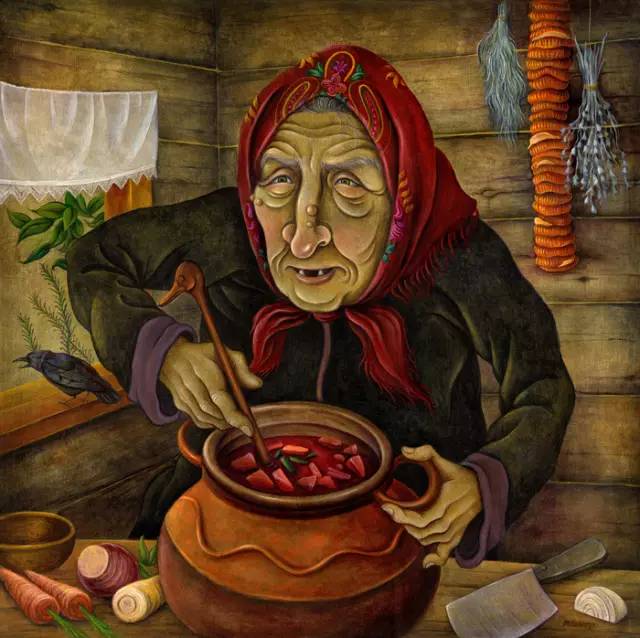
There’s that power again. In Japanese folklore, the Yama Uba is an equally ambiguous old woman. She’s a mountain witch who, like Baba Yaga, lures people into her hut and eats them. But she’ll also help a lost traveler. Noriko Reider is a professor at Miami University of Ohio who’s done extensive research on Yama Uba stories. “She brings fortune and happiness,” Reider says. “She can also bring death and destruction for those who are not very good.”
无独有偶。日本民间传说中的山姥(Yama Uba,有时也称作Yamauba)也是一个充满矛盾的老妇人形象。她是一个住在山里的老巫婆,与芭芭雅嘎一样,也把人们引诱到她的小屋里,然后吃掉。但是,她也会帮助迷途的旅行者。则子·赖德尔教授任教于俄亥俄州迈阿密大学,她对山姥传说进行了广泛的研究。“她给人们带来财富和欢乐,”赖德尔说,“对那些品性不好的人,她带去的则是死亡和毁灭。”
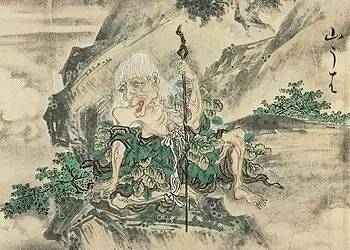
There’s a theory that the Yama Uba—or Yamauba as she’s sometimes called—was inspired by a terrible famine in Japan. Elderly parents were taken into the mountains to die so that others in the family would have more to eat. The Yama Uba is the hungry demon born from this practice.
有一种理论认为,山姥故事的灵感来自于日本一次可怕的大饥荒。为了让其他家庭成员获得更多口粮,年迈的老人被带到山里,直到死去。山姥就是源自这次饥荒中的饿鬼。
According to Cuban-American writer Alma Flor Ada, that would never happen to the kind abuela. “In our culture, grandmothers are very important.” Ada is co-author of Tales Our Abuelitas Told, which includes a story about a caliph[5]’s son who becomes seriously ill. After “all of the best physicians in the land” fail to cure him, the caliph sends his messengers searching for help. Then one morning, an old woman arrives with this advice: To get well, the prince must wear the tunic of a man who is truly happy. And of course it works.
古巴裔美国作家阿尔玛·弗洛尔·埃达认为,以上情况绝不会发生在慈祥的祖母(abuela)身上。“在我们的文化里,祖母很重要。”埃达是《祖母讲的故事》一书的作者之一。该书的其中一个故事讲的是哈里发的儿子得了重病,“全国最好的医生”也治不好他,于是哈里发派出信使四处求助。一天早上,来了一位老妇人,她献上一策:要医好小王子,他必须穿上真正快乐的人的外衣。当然,最后王子痊愈了。
[5]caliph 哈里发(旧时某些穆斯林领袖的称号)。
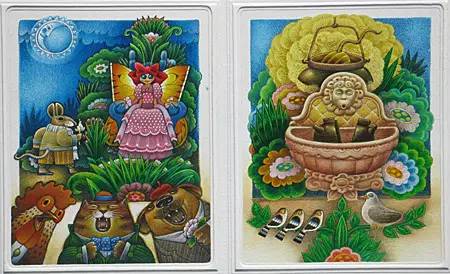
Ada says that in Hispanic culture old women are multitalented. “They tend to be the ones who keep the family together, who pass on the traditions, who know the remedies that would cure the different illnesses. So it’s not surprising that she would appear in the popular tales.”
埃达说,在拉美文化里,老妇人往往足智多谋。“她们能团结家人,延续传统,知道医治百病的药方。因此,她们出现在民间传说中就不足为奇了。”
In other words, old women in fairy tales and folklore practically keep civilization together. They judge, reward, harm and heal; and they’re often the most intriguing characters in the story.
换句话说,童话故事和民间传说中的老妇人实际上起着保护文明的作用。她们明辨是非,奖励良善,惩罚恶人,医治百病,她们往往是故事中性格最复杂的人物。