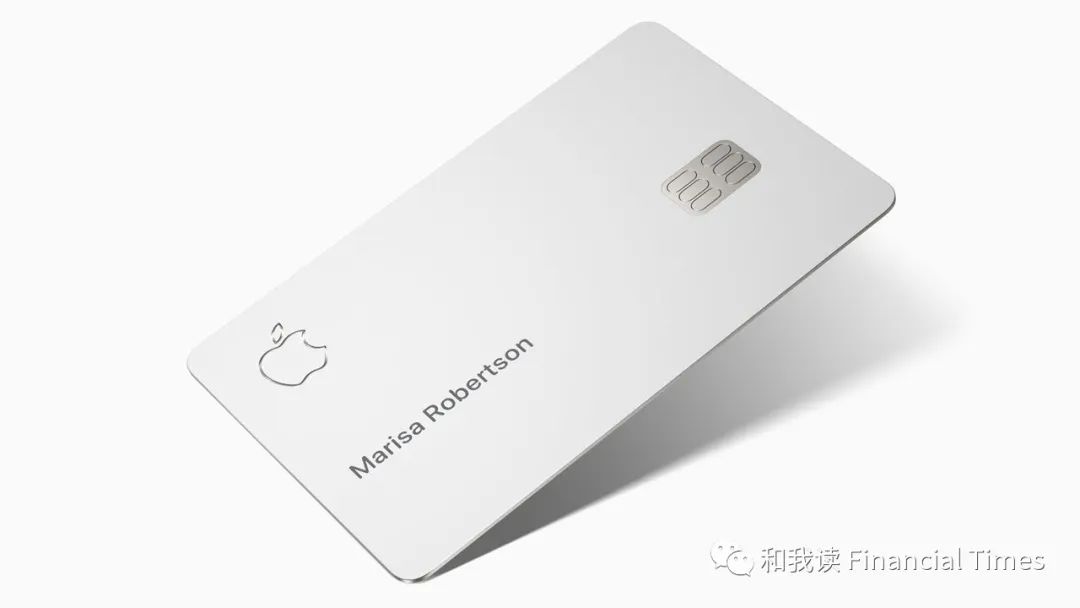
First came Apple Pay, then a credit card. Now, the tech giant has launched a savings account and a ‘buy now, pay later’ scheme. How worried should the financial services industry be?
最初是“苹果支付”,然后是信用卡。现在科举巨擎正式引入了储蓄账户和“现在花,后续付”项目。 银行业需要为此而担忧么?
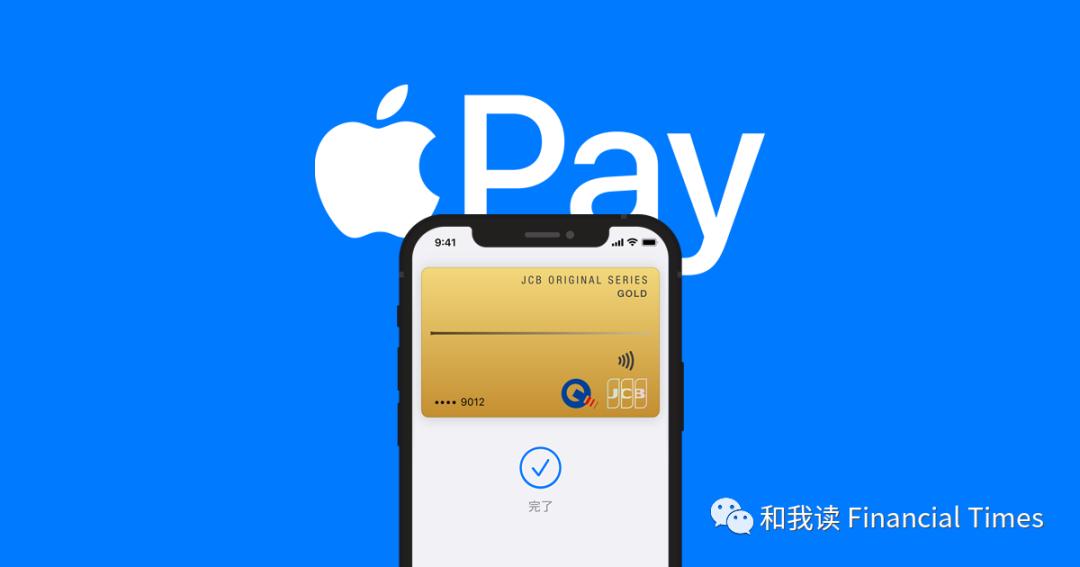
In 2019, executives at Apple and Goldman Sachs were gearing up to unveil Apple Card, a landmark move for the iPhone maker’s ambitions in financial services. As the launch date approached, the partners hit a sticking point. Apple, with a habit of grandiose marketing claims, wanted to peddle the product as the “most secure credit card ever”.
Apple had leverage. Goldman saw the Apple Card as a pivotal product to show it could cater to Main Street customers. “The offering to Goldman was — ‘hey, you don’t have a consumer product and guess what? We can get you access to all Apple customers,’” says a former Apple executive. “Apple was aware so they squeezed everything they could out of that negotiation.”
But with this marketing claim, Goldman had to push back. “You’re open to lawsuits if you say it’s the ‘most’ anything,” says one person familiar with the discussions. In the end they settled for the more muted claim that Apple Card “provides a new level of privacy and security”.
The episode was one of the biggest debates between Apple and Goldman in the run-up to the launch, according to people familiar with the matter, and proved an early lesson for Apple in navigating red tape in financial services.
Now, four years later, the iPhone maker is increasingly comfortable in the space and is stepping up efforts to expand further into it. In the past three weeks alone Apple has launched two big products.
Apple Pay Later, its “buy now, pay later” product, is the first instance of Apple directly lending to consumers from its own balance sheet. Savings, a high-yield savings account, offers US customers a 4.15 per cent interest rate, 10 times the national average. The deposits will sit with Goldman, which as a licensed bank has access to US government-backed insurance.
The question for banks and other providers of financial services is how worried they should be about a tech company with 1.2bn iPhone users, a $2.6tn market cap and a history of disruptive innovation making moves on to their territory.
Apple’s scale makes even the world’s largest banks look small. Its services division alone, where it earns recurring subscriber revenues and App Store payments, generated $55bn in net profit last year — higher than JPMorgan and Citi combined.
And the company hasn’t been shy about its ambitions in this space. Current job ads speak of “transforming the industry in payments, transit and identity”. And Jennifer Bailey, head of Apple Pay, said back in 2016 that Apple was on “a good, long journey, for us to replace the wallet”.
For JPMorgan Chase chief executive Jamie Dimon, the risk is clear enough for him to label Apple a bank. “It may not have insured deposits, but it’s a bank,” he said in June last year. “If you move money, hold money, manage money, lend money — that’s a bank.”
Dimon again warned investors of the looming threat this month, saying “large tech companies” have “enormous resources in data and proprietary systems — all of which give them an extraordinary competitive advantage”.
Stephen Squeri, chief executive of American Express, admitted to analysts on Thursday that he too was “paranoid” about Apple and Amazon, which he called “phenomenal” companies with deep links to the consumer.
“We’re not naive enough to think that we can just go on . . . strolling down the street here,” he said. “We think everybody is coming after us.”
This account of Apple’s plans in financial services is based on interviews with eight people involved in the strategy, who requested anonymity as they were not authorised to speak publicly. Apple and Goldman declined to comment.
2019年苹果和高盛高管携手一起宣布苹果信用卡的诞生,着标志着苹果手机制造商实现了进入金融市场的雄心。随着揭幕日期的临近,双方却因苹果的“张狂”口号而踯躅不前。以高调的市场营销为策略的苹果,希望能够向外宣称该产品为“有史以来最安全的信用卡”。
苹果有它的优势所在。高盛希望通过苹果信用卡这一重要产品向世人表明,高盛还是愿意面向零售客户的。因此,对于苹果来说“能够给予高盛的 – 你没有消费零售产品,你猜怎么的?我们可以向你提供所有苹果客户的接入。”苹果充分认识到如何利用这样的优势获取合作中最大的利益。
但是对于这样的市场策略,高盛必须提出异议。据熟悉该局面的人士称:“如果你说自己是‘最’什么的,那么你很容易吃官司。”最终双方达成共识,即“提供更高层次的隐私和安全”。
据相关人士称,该情节是所有苹果和高盛之间最有规模的一次争辩。苹果也因此被上了一课,即如何在金融服务业中的繁文缛节中游走。
四年后的今天,苹果已经在金融业变得越来越游刃有余,并加紧布局扩展在该领域的脚步。仅在过去的三周里,苹果就发布了两款颇有影响力的产品。
“苹果后支付”是以一款“先消费后付款”的产品,也是苹果第一例从自己的平衡表中直接向客户提供信用。所谓的储蓄账户是一款高回报的账户,向消费者提供4.15%利率,是全国平均水品的10倍。存款将存入高盛名下,因为高盛是授权的银行因此有权获取美国政府支持的存款保险。
对于银行和其他的金融服务提供者而言,一个拥有12亿iPhone用户、2千6百万亿市值并且一直给市场带革命性改变的科技公司,它进入金融市场的行为到底会对行业产生怎样的影响。
苹果的规模甚至能够让世界最大的银行相形见绌。仅仅是它的服务部门,每年通过持续续约的业务和苹果应用商店的支付就产生550亿美金的利润。比花旗和摩根大通合起来还要挣钱。
苹果也毫无掩饰的表达了在该领域的雄心。最近的招聘广告语就是一个很好的例证“给支付、转账和识别体系带来变革”。 苹果支付业务的负责人,詹妮佛贝利在2016年称苹果正在一个充满希望征程上,即“取代钱包”。
对于摩根大通的首席执行官吉米戴蒙来说,将苹果说成银行是十分冒险的事情。“也许你没有存款保险,但是你实质上还是一家银行,”他在去年6月份说:“如果你转移、持有、管理钱财并进行*款贷**活动,那么你就是一家银行。”
本月戴蒙向投资者指出正在出现的威胁,并声称:“大型科技公司在数据和专有系统方面有足够的资源,这都给予它们足够的竞争优势。”
美国运通的首席执行官斯蒂芬斯奎瑞本周四也向分析家承认,他对于苹果和亚马逊也十分恐慌,称这些公司都是现象级的公司并且拥有和消费者深度的联系。
他说:“我们还没有那么天真的认为银行业还应该按照现在的步伐前进,我认为每个人都想追上我们。”
对于苹果在金融市场的计划,是通过对八位参与其中的人生访谈获得。他们要求匿名因为他们不允许公开讨论此事。苹果和高盛也拒绝对此发表评价。
视频加载中...
Glacial power
By design, Apple typically expands into new sectors not through flashy acquisitions but by incremental steps that give it a sustainable advantage over time.
In finance, the fruits of Apple’s slowburn strategy are clearest with Apple Pay, its wireless payment technology meant to “transform mobile payments” when it was first announced alongside the iPhone 6 in 2014.
Adoption was slow enough that Apple was mocked in its first years in operation. By 2016 just one in 10 global iPhone owners used Apple Pay. But the user base snowballed into 50 per cent by 2020, according to Deepwater Asset Management. By 2022, adoption hit 75 per cent and the European Commission had opened an antitrust investigation.
“They move at the speed and force of a glacier,” says Gene Munster, managing partner of Deepwater. Commenting on Apple’s next moves in banking, he adds: “This will take five to 10 years, but by then we’ll think of Apple in the same vein as Citi, JPMorgan and Wells Fargo.”
The iPhone maker is playing the long game in finance and payments, say three former Apple employees, and its current moves are laying the groundwork for taking a bigger market share.
For example, Apple spent years on what was known internally as Project Muirfield — the ability for the iPhone to not just send payments, but receive them. This feature was announced to little fanfare in February 2022: an Apple press release described that merchants using iPhones with “tap and go” NFC chips could now accept payments from credit cards with “no additional hardware or payment terminal needed.”
People familiar with the tech say the implications are far wider: if the buyer and the merchant are both using iPhones or iPads to process payments, that gives Apple the capability to create a closed-circuit that doesn’t require banking partners or networks run by Visa and Mastercard.
“Right now, they can’t upset banks, and they can’t separate network partners — it’s too important for distribution at the start,” says a former Apple employee. “[But] as more and more people use Apple Pay . . . then the leverage moves into Apple’s camp and they can make other plays that aren’t so dependent on the banks.”
Sam Shawki, chief executive of MagicCube, which offers similar tech for Android-devices, said the ability for merchants to securely accept payments through smartphones and tablets could render the entire payment device market — a $48bn sector led by Verifone and Ingenico — antiquated.
“This is a fax machine in an age where you can have email,” he says of the single-use devices. “Taking a bite of Ingenico and Verifone is something, [but] taking a bite from Visa and PayPal is the long-term goal.”
Michel Léger, head of innovation at Ingenico, concedes that software-based point-of-sale solutions have brought “a new era of payment acceptance”, but he argues Apple’s offering will complement physical terminals rather than replace them. It would be “impractical to imagine a fleet of expensive smartphones at the multilane checkout of supermarkets”, he says.
Others in the industry do not see Apple as an existential threat. Eva Wang, a former American Express executive who now heads partnerships at Firework, a video-shopping commerce solution, says Apple’s interest in payments and banking is mostly about extending the reach of the iPhone — to add convenience but also to keep users “locked in” to the Apple ecosystem.
The big incumbents definitely need to be “cognisant” of what Apple is doing, says Boe Hartman, former technology chief of Goldman’s retail division that built the infrastructure for Apple Card. But he doesn’t expect to see the Bank of Cupertino any time soon.
“Banks are rooted in constant regulation, and you have to prove that you’re living up to that regulation every day,” he says. “Someone like Google or Apple just wants the experience to service people, to make people more sticky in their ecosystem. They don’t want to deal with the regulatory stuff. That’s hard and complex.”
冰川般的力量
根据一贯的做法,苹果不会通过快速的并购来进入一个新的领域,而是通过稳步发展从而逐渐给予自己可持续的竞争优势。
在金融领域,苹果这种循序渐进的方式得到了很好的体现。我们有目共睹在2014年苹果引入iPhone6的时候,第一次向外界宣布这种无线支付技术,Apple Pay,称其意味着变革性的移动支付。
第一年大家还嘲笑对于该服务的认购率十分慢,到2016年每10名iphone的使用者中才有1人使用Apply Pay。但是到2020年使用者滚雪球般的达到50%。根据深水资产管理公司的数据,到2022年其使用率达到75%,致使欧盟开始了反垄断调查。
深水合伙人在评论苹果的下一步计划时说:“他们正在以冰山的速度和力量在移动,这也许会花大约5到10年的时间,但是到那时,我们会将苹果等同于花旗、大通和富国银行。”
三位前苹果雇员说,苹果在金融和支付领域做好了长期作战的准备,目前的工作是为未来争取更大的市场份额打基础。
例如,苹果花了数年的时间在内部成为“Muirfield”的项目上,该项目是有关苹果手机不仅仅是支付,并且可以收款。2022年2月苹果颇有些大张旗鼓地宣布这个性能:苹果在例行的新闻发布会上描述该性能,即使用苹果手机“接触买单”NFC芯片的商家可以用接受从信用卡支付的付款,而且不需要额外的硬件或者付款终端。
熟悉该项技术的人士称影响是十分深远的:如果买家和商家都是用苹果手机或者平板处理付款,苹果则有能力创造一个闭环的支付体系,这将意味着它不需要银行伙伴或者由维萨和万事达运营的系统网络。
一位前苹果雇员称:“现在,他们还不能摒弃银行,因为在初期,分销渠道很重要,所以他们也不能独立于网络伙伴之外。但是,随着越来越多的人使用Apple Pay,天平将移向苹果一边,他们能够让过程变得不那么以依赖于银行。”
向安卓设备提供该技术的魔方公司首席执行官山姆绍祺称,商户通过智能手机和平板电脑安全的接受付款,这将使得整个由Verifone和Ingenico引领的支付市场变得过时。
“这就好比在有电邮的年代,你还在用传真机,从支付市场中获得一杯羹是一回事,而从维萨和贝宝中获取一部分市场,那将是一个长期的目标。”
Ingenico创新中心的负责人承认,基于软件的点到端的解决方案给付款接受市场进了新的时代。但是他争辩到苹果的方案是对物理终端模式的补充而非取代。这也不切实际试想超市结账处一排排昂贵的智能手机。
行业里其他人怎不认为苹果是目前的威胁。前美国运通高管伊娃王现在是一家视频购物商业解决方案的公司合伙人。她说苹果在付款和银行领域的兴趣只是苹果手机的延伸,虽然可以方便使用者,但是却将他们锁定在苹果的生态系统里。
前高盛零售部门技术主管博弈哈特曼,曾为苹果信用卡创建基础设施。他说这些领域的大佬们确实应该“思考”一下苹果正在做的事情,但是他不认为很快会出现银行界的“库比蒂诺”。
“银行的基础是不断的规则改变,而你需要证明你自己每天都能够和这些规则相一致。而像谷歌和苹果这样的公司只是想拥有服务客户的经验,让人们更加依赖于它们的生态系统。他们并不想面对规则这些东西,因为这些很复杂和困难。”