 何敏导读
何敏导读
英国士兵诗人菲利普·西德尼在1591年称法国为“甜蜜的敌人“。用这个词来描述英国人对海峡对岸的法国人那种“爱憎交织”的复杂而微妙的情愫再贴切不过了。
第一次直观感受到这种英国式的傲慢时,我在成都的锦江宾馆,瞠目结舌地看到安迪拒绝与当场一位美丽优雅的法国女士交流 (’No French’!“我不说法语!”)。而历史上的英法之间,更是剪不断、理还乱。
上周末,大胡子迈克应邀造访毕业后一直保持联系的挚友的海边度假屋。他感叹道,当年在牛津大学“睡在上铺的兄弟“如今都快做当爷爷了。越过客厅窗外远眺法国海岸线,迈克特撰此文分享。
短短几个段落,却能行云流水地穿越英法历史碎片之间,点出英法两国一衣带水的历史文化渊源,从语言、制度、民族特性、餐饮文化的不同到时事。
读到本文的最后两句时,我忍俊不禁——刻薄的英式幽默,不小心还看不出来呢!
一篇短小的美文,让人在欣赏轻松的文风和幽默的语言的同时,还能学习历史文化知识。
——读迈克的文章,我常常有这样感慨。
France
-So near but so far
法国
-似近还远

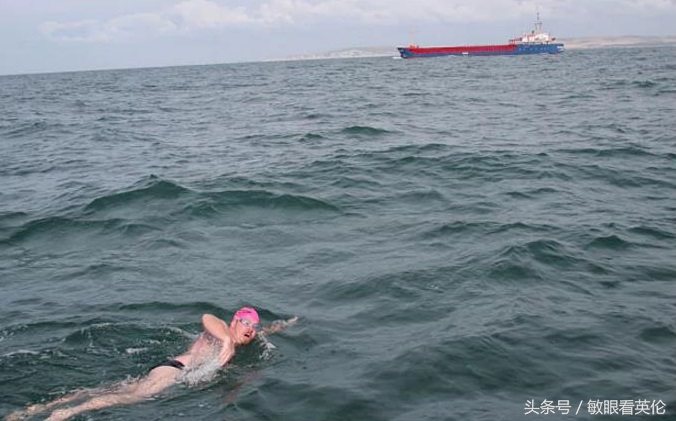
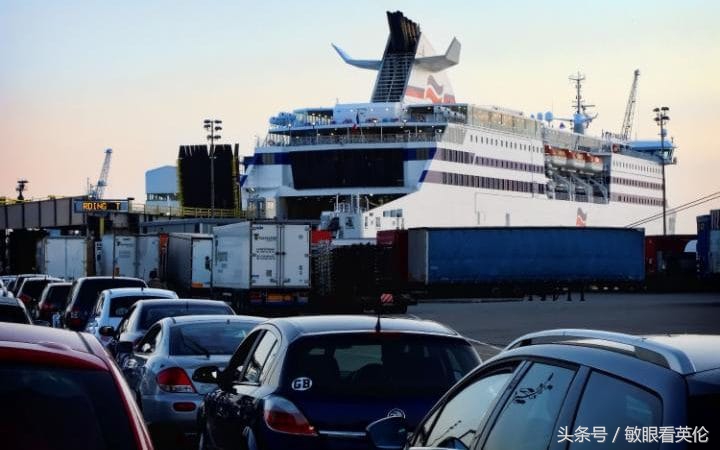
From the armchair in the living room of my friend’s house in Deal, Kent[i], I can see the coast of France. The channel in between is only 20 miles in width but it is one of the busiest waterways in the world through which only recently, to general consternation, the Russian fleet passed on its way to Syria. For channel swimmers, the distance across is not so short: attempts in the past have met with success but also tragedy[ii].
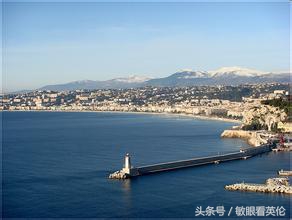
从在朋友位于肯特郡迪尔村[i]家里客厅的扶手椅上望去,我可以看到法国的海岸线。中间的英吉利海峡仅20英里宽,却是世界上最忙碌的水路之一,近期又因为俄罗斯从海峡上空经过飞往叙利亚而引起了大规模的恐慌。对于横穿海峡的游泳者来说,这个距离其实不算太短:尝试游过海峡的历史上既有成功,也有悲剧的发生[ii]。
It was a big moment in the history of flight when Frenchman Louis Blériot[iii] made it over in 1909, taking just over half an hour in his primitive Blériot XI monoplane.
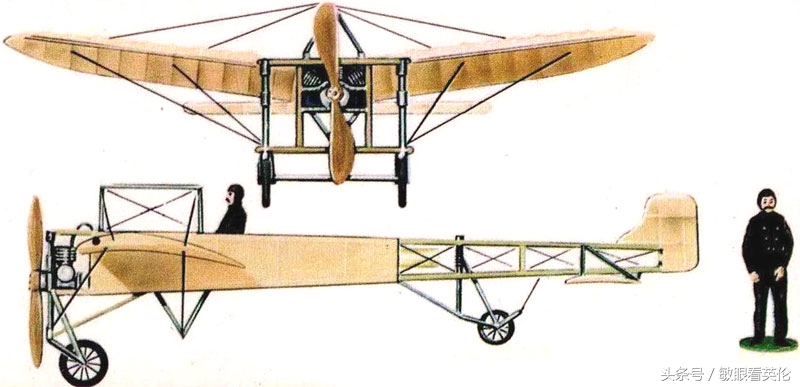
当法国人路易斯·布莱里奥[iii]曾在1909年带着他早期开发的飞行器布莱里奥11号,在作了一次半小时的短距离飞行后,成功地飞跃了海峡的时刻,成为飞行史上的重要时刻。
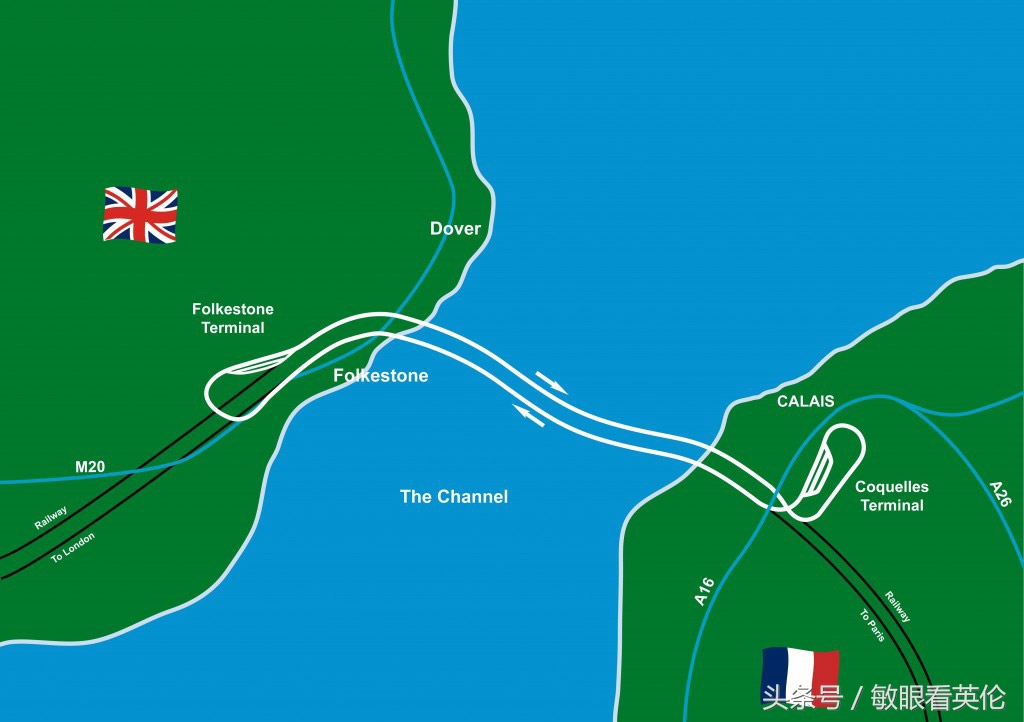
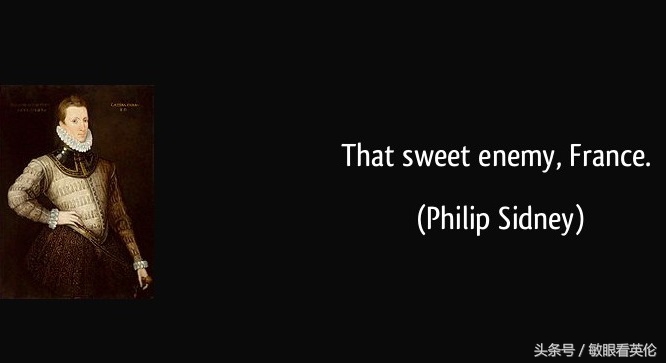
Traditionalists had misgivings when construction started on a channel tunnel[iv] but journeys beneath the sea-bed, of similar duration to a trip on the London Underground, are now part of the annual holiday ritual for many. When you emerge on the other side, the country somehow feels different and continuing south by rail you have a sense of ‘deep France’ and the attraction exercised over generations of Englishmen by a nation which the poet and soldier, Philip Sidney (1554 -86) described as ‘that sweet enemy’.

传统主义者们曾对海底隧道的工程建设担忧不安[iv],如今,通过这条和搭乘伦敦地铁时长相似的海底下的旅途,已经成为了众多英国人年度休假出行的一种习惯和仪式。当你重新浮现在海峡另一端时,你会立即有不同的感受。若沿着铁路继续南行,你会有一种“深入法国”的感觉。
而被英国人世代相传的这种魅力则被诗人及士兵的菲利普·西德尼(1554-86)描述为‘那个甜蜜的敌人’。
The sweetness exists in the villages, the cathedrals and the vineyards of France. And if the English see any enemy at all it is perhaps the French language which many struggle unsuccessfully to acquire from childhood onwards.[v]
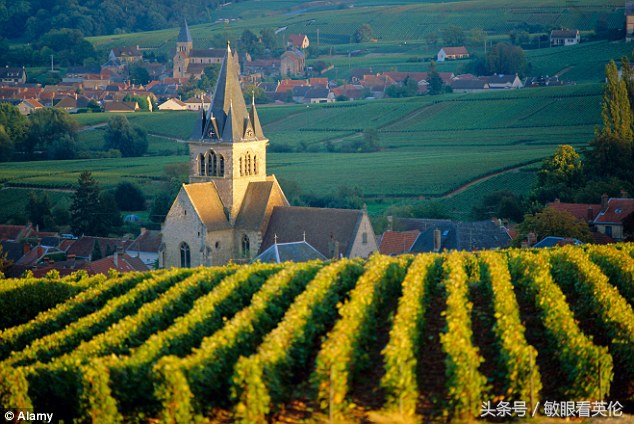
这种甜蜜遍布在法国的村庄里、散播在教堂里、飘荡在葡萄园里。如果英国人执意要找到那个“敌人”,也许就是法语了吧!因为许多英国人从孩童时期就开始努力学习,却仍然难以掌握这门外语[v]。

As well language, there are other deep-rooted differences between England and France. We are a monarchy (an institution they famously did away with). Our Common Law tradition (based on judgements of previous cases) is quite different from the Napoleonic Code (which relies on general rules).
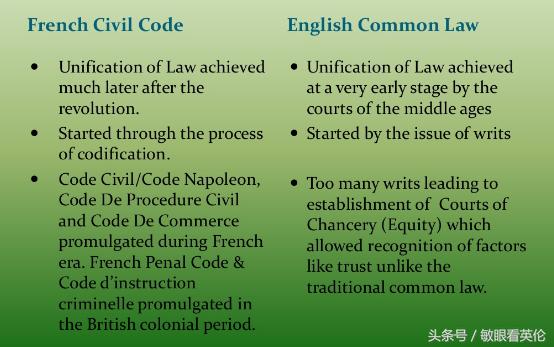 除了语言以外,英国与法国之间还有其他根深蒂固的差异。我们是君主立宪制(而他们则以废除君主立宪制而著名)。我们的普通法传统(奉行遵循先例的原则)与拿破仑法典(奉行习惯的原则)有着非常大的区别。
English temperament and modes of thought are less idealistic and more mindful that ‘out of the crooked timber of humanity no straight thing was ever made.[vi] There are also certain French customs to which the English cannot be reconciled, such as eating horse (outrageous), snails (disgusting) and frogs-legs (hilarious). Whatever the French may think, when the English call them ‘Frogs’ it is not meant maliciously. However when the French describe anything as ‘Anglo-Saxon’ it is never a term of endearment[vii].
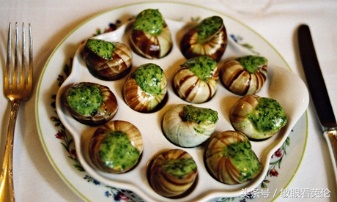
英国人的民族性格和思维方式不那么理想化、也更谨慎些,正如 “人性这块曲木,居然造不出任何笔直的东西’”[vi]所指出的一样 。当然还有一些法国的习惯是英国人不能排解的,比如吃马肉(无法容忍),吃蜗牛(恶心)和吃青蛙腿(滑稽)。无论法国人怎么认为,当英国人称他们为“青蛙”时,其实并没有恶意。但是当法国人描述任何东西为“盎格鲁·撒克逊”时,却从来都不是表示亲热的[vii]。

何敏每周邀请大胡子迈克撰文,带你看传统英国人自己眼里的英伦
翻译:Linda Liu,校译/编辑:何敏
阅读索引
[i] Not far from where the Roman Emperor and conqueror of Britain landed in 55 BC. An early and well-documented channel crossing.
[ii] This was achieved first in 1875 in 22 hours (from Dover to Calais) by ‘Captain Web’ Wikipedia. Available at: https://en.wikipedia.org/wiki/Matthew_Webb (Accessed on 20 November 2016)
Telegraph Reporters (2016) ‘Father dies swimming the channel just a mile from the shore’. The Daily Telegraph. 29 August [Online]. Available at: http://www.telegraph.co.uk/news/2016/08/28/father-dies-swimming-the-channel-just-a-mile-from-the-shore/ (Accessed on 20 November 2016)
[iii] ‘Louis Blériot’. Wikipedia. Available at: https://en.wikipedia.org/wiki/Louis_Bl%C3%A9riot (Accessed on 20 November 2016)
[iv] It opened in 1994. There are remains of an earlier attempt from 1882 which was abandoned for fear of French invasion.
[v] Hence the panic at the suggestion that Brexit negotiations be conducted in French. Rankin J (2016) ‘Theresa May says Brexit negotiations will not be carried out in French’. ) The Guardian [Online] Available at: https://www.theguardian.com/politics/2016/oct/21/theresa-may-brexit-negotiations-language-french (Accessed on 20 November 2016).
[vi] Hannibal & Me. ‘Lessons from history’. The writer makes the interesting point about the difference in the French approach to gardens and town-planning. Available at: https://andreaskluth.org/2010/04/25/french-anglo-saxon-ways-of-thinking/ (Accessed on 20 November 2016).
[vii] ‘Anglo-Saxon’ refers specifically to the early settlers in England who thrived between the 6th and 11th centuries AD but it is used also to describe the customs and culture of the English speaking world, particularly US and UK free market attitudes.