原文如下:
How are Olympic judges chosen – and how do we know they're fair?
Athletes from 206 countries have congregated in Tokyo to compete in dozens of sports, many of them judged by panels of experts. With judges from around the world – some watching athletes from their own countries – how does the Olympics ensure impartiality in a subjectively judged sport?
The International Olympic Committee, known as the IOC, and the International Sports Federations choose judges. Each sport has its own international federation, which supervises sports at the global level.
FIFA – or Fédération Internationale de Football Association – is the well-known federation that oversees soccer, or football, worldwide. Gymnastics is overseen by the International Gymnastics Federation, or IGF.
These federations are not affiliated with any one country or government and are involved in the organizing of the Olympic Games. They establish the schedule for their sport, the requirements for qualifying, the number of competitors from each country and the number of international technical officials, such as referees, judges, timekeepers, inspectors or juries of appeal.
The federations nominate these officials for their sports and the IOC then approves or rejects their recommendations.
Some Olympic sports, like track, are not subjective. The fastest is the fastest. But for more subjective sports like gymnastics, multiple judges sit on panels and rules try and ensure their impartiality.
For Olympic gymnastics, two judges sit on the D Panel, which judges difficulty. Five judges sit on the E Panel, which judges execution. So, no one judge is judging a gymnast's performance across the board.
The highest and lowest execution scores are dropped and the three remaining scores are averaged, as a way to weed out any scores that may be high or low because of a judge's bias.
For diving, judges are chosen by Fédération Internationale De Natation, or FINA, the international federation that oversees water sports. Similarly to gymnastics, seven judges submit their scores for a dive, and then the top two and bottom two scores are eliminated.
The three remaining scores are added up and multiplied by the degree of difficulty, or DD rating, which measures the difficulty for each type of dive.
Each sport has its own process of choosing Olympic judges.
All judges, coaches and athletes must also agree to the Olympic oath, which is read during the the opening ceremony, according to the IOC. The oath is about respecting the rules of the game and has been adapted overtime to include things like doping.
"Together we stand in solidarity and commit ourselves to sport without doping, without cheating, without any form of discrimination," the oath reads.
While there are measures in place to try an ensure impartiality, judges have been unfair before – and suffered the consequences. During the Rio Olympics in 2016, the International Boxing Association sent home an unspecified number of referees and judges.
The association said a review found that "less than a handful of the decisions were not at the level expected," according to CBS Sports.
The review came after Irish boxer Michael Conlan thought he defeated Russia's Vladimir Nikitin, but the officials' decision went 3-0 against him. Conlan accused the Amateur International Boxing Association of being bribed to make the decision.
During the 2000 Winter Games in Salt Lake City, judges were bribed to score figure skaters from Russia and France higher. Russian skating pair Elena Berezhnaya and Anton Sikharulidze won the gold medal – even though they slipped and the Canadian team was virtually flawless.
French judge Marie-Reine Le Gougne admitted the next day that she had been pressured to vote for the Russians.
Following the scandal, the International Skating Union changed its judging selection rules. Now, there is a large group of judges used and a smaller group of "scoring judges" is then anonymously chosen from that pool. Their scores are the ones then counted.
译文如下:
How are Olympic judges chosen – and how do we know they're fair?
奥运会评委是如何选出的——我们怎么知道他们会是公平的?
Athletes from 206 countries have congregated in Tokyo to compete in dozens of sports, many of them judged by panels of experts. With judges from around the world – some watching athletes from their own countries – how does the Olympics ensure impartiality in a subjectively judged sport?
来自 206 个国家的运动员聚集在东京参加数十项运动,其中许多运动由专家小组评判。有来自世界各地的评委——有些要评判来自自己国家的运动员——奥运会如何主观评判确保运动的公正性?
congregate [ˈkɒŋɡrɪɡeɪt],作动词,聚集。
栗子:Visitors congregated on Sunday afternoons to view public exhibitions.游客们周日下午聚集起来观看公开展览。
panel [ˈpænl],作名词,
- 专门小组。栗子:He assembled a panel of scholars to advise him.他集结了一个学者小组为他出谋划策。
- (门等的) 镶板; 嵌板。栗子:...the frosted glass panel set in the centre of the door.…嵌在门中心的毛玻璃板。
- (控制) 面板; (仪表) 板。栗子:The equipment was extremely sophisticated and was monitored from a central control panel.这台设备极其复杂,是由中央控制面板监控的。
impartiality [ˌɪmˌpɑːʃiˈæləti],作名词,公正,公平;不偏不倚。
栗子:The MDC questions Mr Mbeki's impartiality. 民革运对姆贝基的公正予以质疑。
subjectively [səbˈdʒektɪvli],做副词,主观地;臆想地;内省地。
栗子:Could she be right, not objectively, but subjectively? 客观上讲她可能是对的,但在主观上呢?
The International Olympic Committee, known as the IOC, and the International Sports Federations choose judges. Each sport has its own international federation, which supervises sports at the global level.
国际奥委会(简称IOC)和国际体育联合会选择裁判。每项运动都有自己的国际联合会,在全球范围内监督运动比赛。
Federation [ˌfedəˈreɪʃn],作名词,
- (俱乐部、工会等的)联合会。栗子:This has sparked calls that there was a need for a federation for men.因此,一些人呼吁成立专门的男性联合会。
- 联邦;同盟;联盟。栗子:In the future we envision a federation of companies. 我们设想将来会有公司联盟。
supervise [ˈsuːpəvaɪz],作动词,监督。
栗子:I supervise the packing of all mail orders. 我监督所有邮购商品的包装。
FIFA – or Fédération Internationale de Football Association – is the well-known federation that oversees soccer, or football, worldwide. Gymnastics is overseen by the International Gymnastics Federation, or IGF.
FIFA -或称为Fédération Internationale de Football Association - 是监管全球足球运动的知名联合会。体操由国际体操联合会(IGF)监督。
oversee [ˌəʊvəˈsiː],作动词,
- 监督。栗子:General Sachet is ordered to oversee such executions. 萨西尔将军受命监督了这些处决。
- 俯瞰。另外还有“俯瞰”意思的是“ overlook ”.
Gymnastics [dʒɪmˈnæstɪks],作名词,体操。
栗子:I also like basketball and gymnastics. 我也喜欢篮球和体操。
These federations are not affiliated with any one country or government and are involved in the organizing of the Olympic Games. They establish the schedule for their sport, the requirements for qualifying, the number of competitors from each country and the number of international technical officials, such as referees, judges, timekeepers, inspectors or juries of appeal.
这些联合会不隶属于任何一个国家或政府,并参与奥运会的组织工作。 他们制定了他们的运动比赛日程、资格要求、每个国家的参赛者人数以及国际技术官员的人数,如裁判、计时员、检查员或上诉评委会。
be affiliated with 附属于。栗子:
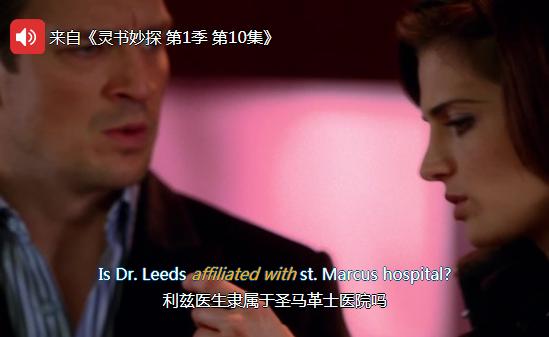
affiliated [əˈfɪlieɪtɪd],做形容词,
- 附属的。栗子:All affiliated members can vote. 所有隶属成员都有投票权。
- 有关联的。栗子:He will remain affiliated with the firm as a special associate director.他会作为特别副主管,继续与这家公司保持联系。
requirement [rɪˈkwaɪəmənt],作名词,
- 必备条件。栗子:Its products met all legal requirements.它的产品满足了所有法定的必备条件。
- 需要; 必需品。栗子:Variations of this programme can be arranged to suit your requirements.这个软件可以被设置成各种各样的形式以适应你们的需要。
qualify [ˈkwɒlɪfaɪ],作动词,
- 通过预赛; 取得下一轮比赛资格。栗子:We qualified for the final by beating Stanford on Tuesday.我们在星期二击败了斯坦福队,取得了决赛资格。
- 使…符合 (某物的全部特征); 符合。栗子:13 percent of American households qualify as poor, says Mr. Mishel.13%的美国家庭称得上是贫民,米歇尔先生说。
- (使) 有权做; (使) 有资格拥有。栗子:The basic course does not qualify you to practise as a therapist.这门基础课程并不能使你有资格当一名治疗师。
referee, judge,umpire的区别
- Umpire”和“referee”都需要利用自己的判断来确保运动员不违反规则,与他们不同的是,“judge”通常要对比赛的结果给出个人的评判决定。
- “Boxing 拳击比赛”很有意思,因为它既有“judge”,也有“referee”。拳击比赛中的“referee”指的是“台上裁判”,他是比赛的组织者;而拳击比赛中的“judges”指的是坐在台下的“评判员”。
- 般根据经验,被称为“referee”的裁判在比赛中会来回走动,而被称为“umpire”的裁判员往往是静止不动的。
inspector [ɪnˈspektə(r)],检查员; 督察员.
栗子:The document was duly signed by the inspector. 这份文件已由检查员签妥。
jury [ˈdʒʊəri],作名词,
- 陪审团。栗子:Has the jury reached a verdict ? 陪审团作出裁定了吗?
- (竞赛的) 评委会.栗子:I am not surprised that the jury chose to award this novel the prize.我并不惊讶于评委选择给这部小说颁奖。
The federations nominate these officials for their sports and the IOC then approves or rejects their recommendations.
联合会为他们的体育比赛提名这些赛事官员,然后国际奥委会批准或拒绝他们的建议。
nominate [ˈnɒmɪneɪt],作动词,
- (为工作、职位、奖项) 提名。栗子:The Security Council can nominate anyone for secretary-general.安全理事会可以提名任何人为秘书长。
- 任命。栗子:She was nominated by the president as ambassador to Barbados.
她被总统任命为驻巴巴多斯大使。
Some Olympic sports, like track, are not subjective. The fastest is the fastest. But for more subjective sports like gymnastics, multiple judges sit on panels and rules try and ensure their impartiality.
一些奥林匹克运动项目,如田径运动,不是主观的。最快的就是最快的。 但对于体操等更主观的运动,多名评委担任评审小组,规则试图确保他们的公正性。
track [træk],该词意思很多,之前有讲过,其名词意思为“(崎岖不平的) 小路;跑道;铁轨;(录制在CD、唱片或磁带上的) 一首歌曲; 足迹”。动词意思为“跟踪;循路而行”。在这里的意思为“ 田径 ”。
sit on 担任。
栗子:He was asked to sit on numerous committees. 他应邀担任许多委员会的委员。
For Olympic gymnastics, two judges sit on the D Panel, which judges difficulty. Five judges sit on the E Panel, which judges execution. So, no one judge is judging a gymnast's performance across the board.
对于奥林匹克体操,两名裁判组成D组,负责评判难度。五名法官组成E组,该小组负责判断完成情况。因此,一名裁判不能全面评判体操运动员的表现。
execution [ˌeksɪˈkjuːʃn],作名词。
- 执行,实行。栗子:The idea was good, but the execution was poor. 这个主意倒不错,可实施情况不理想。
- 死刑;处决。栗子:He faced execution by hanging for murder. 他因谋杀要以绞刑处死。
across the board 全面地;包括一切地。
栗子:The industry needs more investment across the board. 这一行业需要全面增加投资。
The highest and lowest execution scores are dropped and the three remaining scores are averaged, as a way to weed out any scores that may be high or low because of a judge's bias.
最高和最低的完成分数被去掉,剩下的三个分数被平均,作为一种清除由于裁判偏见而可能或高或低的分数的方法。
remaining [rɪˈmeɪnɪŋ],做形容词,剩余的; 剩下的。
栗子:There were only ten minutes remaining. 只剩下十分钟了。
weed out [wiːd aʊt],剔除 (无用的人和物).
栗子:The new conductor start by weed out the weaker player in the orchestra. 一上任就先把较差的演奏人员清除出去了。
bias [ˈbaɪəs],
- 作名词,偏见。栗子:The course has a strong practical bias. 这个课程偏重实用。
- 作动词, (影响某人) 使偏心; 使产生偏见。栗子:We mustn't allow it to bias our teaching.我们不允许它使我们的教学产生偏见。
For diving, judges are chosen by Fédération Internationale De Natation, or FINA, the international federation that oversees water sports. Similarly to gymnastics, seven judges submit their scores for a dive, and then the top two and bottom two scores are eliminated.
对于跳水,评委由监督水上运动的国际联合会Fédération Internationale De Natation或FINA选出。与体操类似,七名裁判提交他们的跳水分数,然后前两名和后两名的分数被淘汰。
diving [ˈdaɪvɪŋ],作名词。
- 潜水。栗子:...equipment and accessories for diving.…用于潜水的设备和附件。
- 跳水.栗子:Weight is crucial in diving because the aim is to cause the smallest splash possible.体重对于跳水运动至关重要,因为跳水的目标是尽可能不激起水花。
submit [səbˈmɪt],作动词,
- 屈从。栗子:In desperation, Mrs. Jones submitted to an operation on her right knee to relieve the pain.绝望中,琼斯夫人不得已接受了一次她右膝的手术以减轻疼痛。
- 提交 (建议、报告或请求)。栗子:They submitted their reports to the chancellor yesterday.他们昨天向财政大臣提交了他们的报告。
eliminate [ɪˈlɪmɪneɪt],作动词,
1.根除。栗子:Recent measures have not eliminated discrimination in employment.
最近的举措还未能根除就业歧视。
2.淘汰。栗子:I was eliminated from the 400 metres in the semi-finals.我在400米半决赛中被淘汰了。
The three remaining scores are added up and multiplied by the degree of difficulty, or DD rating, which measures the difficulty for each type of dive.
将剩余的三个分数相加并乘以难度等级,该等级衡量每种跳水类型的难度。
DD rating (DD rating),难度等级。
Each sport has its own process of choosing Olympic judges.
每项运动都有自己的选择奥林匹克裁判的过程。
All judges, coaches and athletes must also agree to the Olympic oath, which is read during the the opening ceremony, according to the IOC. The oath is about respecting the rules of the game and has been adapted overtime to include things like doping.
根据国际奥委会的说法,所有裁判、教练员和运动员还必须同意在开幕式上宣读的奥运誓词。誓言是关于尊重比赛规则,并已被修改包括诸如兴奋剂之类的内容。
oath [əʊθ],作名词,(尤指忠于某人或国家的) 誓言。
栗子:He took an oath of loyalty to the government.他做了效忠于政府的宣誓。
adapt [əˈdæpt],作动词,
- 适应。栗子:The world will be different, and we will have to be prepared to adapt to the change.这个世界将会不同,所以我们必须准备好适应变化。
- 改装。栗子:Shelves were built to adapt the library for use as an office.做了个书架,以便将这个图书馆改作一个办公室用。
"Together we stand in solidarity and commit ourselves to sport without doping, without cheating, without any form of discrimination," the oath reads.
誓词中写道:“我们团结一致,致力于不使用兴奋剂、不作弊、不存在任何形式的歧视的体育运动。”
solidarity [ˌsɒlɪˈdærəti],作名词,团结一致; 相互支持。
栗子:The solidarity among China's various nationalities is as firm as a rock. 中国各族人民之间的团结坚如磐石。
discrimination [dɪˌskrɪmɪˈneɪʃn],作名词,歧视。
栗子:She is exempt from sex discrimination laws.她不用遵守性别歧视法规。
While there are measures in place to try an ensure impartiality, judges have been unfair before – and suffered the consequences. During the Rio Olympics in 2016, the International Boxing Association sent home an unspecified number of referees and judges.
尽管已采取措施确保公正,但裁判之前曾经出现过不公平判罚,并因此遭受了后果。2016 年里约奥运会期间,国际拳击协会遣散了数量不详的裁判员和评委回家。
unspecified [ʌnˈspesɪfaɪd],做形容词,未指明的。
栗子:The story takes place at an unspecified date.故事发生的日期不明。
The association said a review found that "less than a handful of the decisions were not at the level expected," according to CBS Sports.
据哥伦比亚体育新闻报道,该协会表示,一项审查发现“少数人去决定,没有达到预期的人数”。
The review came after Irish boxer Michael Conlan thought he defeated Russia's Vladimir Nikitin, but the officials' decision went 3-0 against him. Conlan accused the Amateur International Boxing Association of being bribed to make the decision.
审查是在爱尔兰拳击手迈克尔康兰认为他击败了俄罗斯的弗拉基米尔尼基廷之后进行的,但赛事官员的决定以3-0对他不利。康兰指责国际业余拳击协会受贿,所以做出这一决定。
Amateur [ˈæmətə(r)],
- 作名词,业余爱好者。栗子:Jerry is an amateur who dances because he feels like it.杰瑞是一位业余舞蹈爱好者,他跳舞因为他喜欢跳。
- 做形容词,业余的。栗子:...professional athletes and amateur runners.…专业运动员和业余赛跑运动员。
bribe [braɪb],作名词/动词,贿赂。
栗子:He was being investigated for receiving bribes.他那时因为接收贿赂在受到调查。
During the 2000 Winter Games in Salt Lake City, judges were bribed to score figure skaters from Russia and France higher. Russian skating pair Elena Berezhnaya and Anton Sikharulidze won the gold medal – even though they slipped and the Canadian team was virtually flawless.
在2000年盐湖城冬奥会期间,评委们被贿赂以给来自俄罗斯和法国的花样滑冰运动员打分更高。俄罗斯花滑组合布列兹娜雅和西哈鲁利泽 赢得了金牌——尽管他们滑倒了,加拿大队几乎完美无瑕。
pair [peə(r)],
- 作名词,双; 对。栗子...a pair of socks.…一双袜子。
- 作名词,副; 条 (裤子)。栗子:...a pair of faded jeans.…一条退色的牛仔裤。
- 作动词,把…配对。栗子:The trainees will then be paired with experienced managers.这些实习生之后将被配给有经验的经理们。
slip [slɪp],作动词,
- 滑;滑倒。栗子:He had slipped on an icy pavement.他在结冰的人行道上滑倒了。
- 溜走。栗子:Amy slipped downstairs and out of the house.埃米悄悄地下楼,溜出了屋子。
- 偷偷地给。栗子:Robert had slipped her a note in school.罗伯特上学时偷偷地塞给了她一张字条。
- (不知不觉地) 陷入。栗子:It amazed him how easily one could slip into a routine.一个人如此容易就能陷入俗套,这使他感到吃惊。
- 使下降; 下降。栗子:Shares slipped to $1.17.股票下跌至$1.17。
virtually [ˈvɜːtʃuəli],做副词,事实上。
栗子:Virtually all cooking was done over coal-fired ranges.事实上所有的烹饪都是在烧煤的炉灶上完成的。
flawless [ˈflɔːləs],做形容词,完美的。
栗子:Discovery's takeoff this morning from Cape Canaveral was flawless.“发现号”今晨从卡纳维拉尔角的发射是完美的。
French judge Marie-Reine Le Gougne admitted the next day that she had been pressured to vote for the Russians.
法国裁判玛丽·雷纳·勒古涅第二天承认,她是被迫投票给俄罗斯人的。
pressure [ˈpreʃə(r)],
- 作名词,压力。栗子:The pressure of his fingers had relaxed.他手指的压力已经减弱了。
- 作动词,对…施加压力。栗子:The Senate should not be pressured into making hasty decisions.参议院不应受压而做出草率的决定。
Following the scandal, the International Skating Union changed its judging selection rules. Now, there is a large group of judges used and a smaller group of "scoring judges" is then anonymously chosen from that pool. Their scores are the ones then counted.
丑闻发生后,国际滑冰联盟改变了评委选拔规则。现在,使用一大群评委,然后从这些评委中匿名选出一小群“评分评委”。他们的分数是稍后作数的分数。
scandal [ˈskændl], 作名词,丑闻。
栗子:...a financial scandal.…一桩金融丑闻。
anonymously [əˈnɒnɪməsli],做副词,不具名地;化名地。