
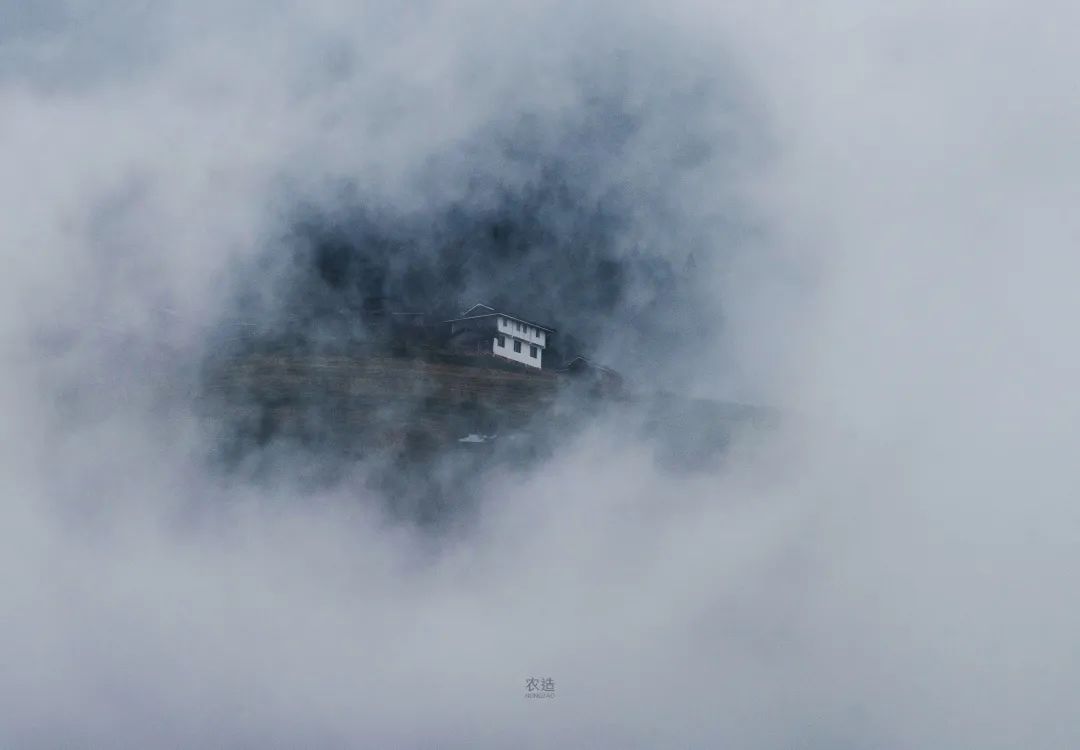

月亮山莽莽苍苍,属九万大山山系,横亘黔桂边界,跨两省、三州、六县。山高险峻、脉络明显,地处中、南亚热带,气候温暖湿润,年均气温15.5摄氏度,土壤类型主要有黄壤和黄红壤。
“苗居山头,侗靠水头,客(汉族)住街头”,是月亮山民族真实的写照。在茂密的原始森林里,世代居住着黔东南极为古老的一支苗族,保存着众多原始的文化习俗。
山区偏僻、交通不便、物资匮乏,平地非常少,坡度几乎都在40度以上。为了生存,不屈不挠的苗族先民充分发挥才智,
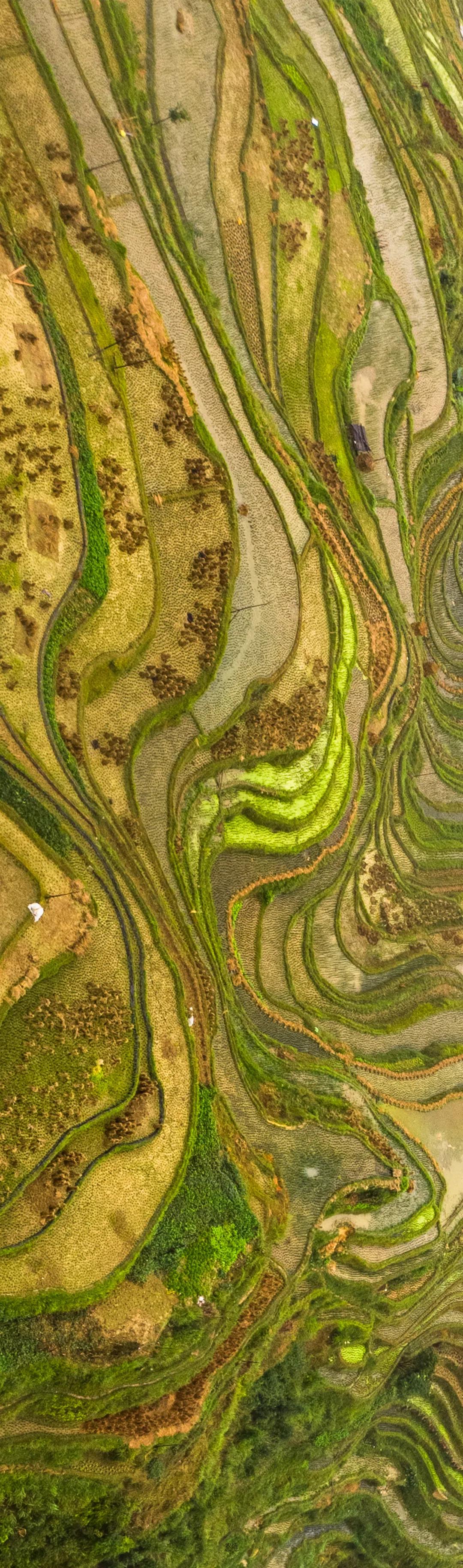
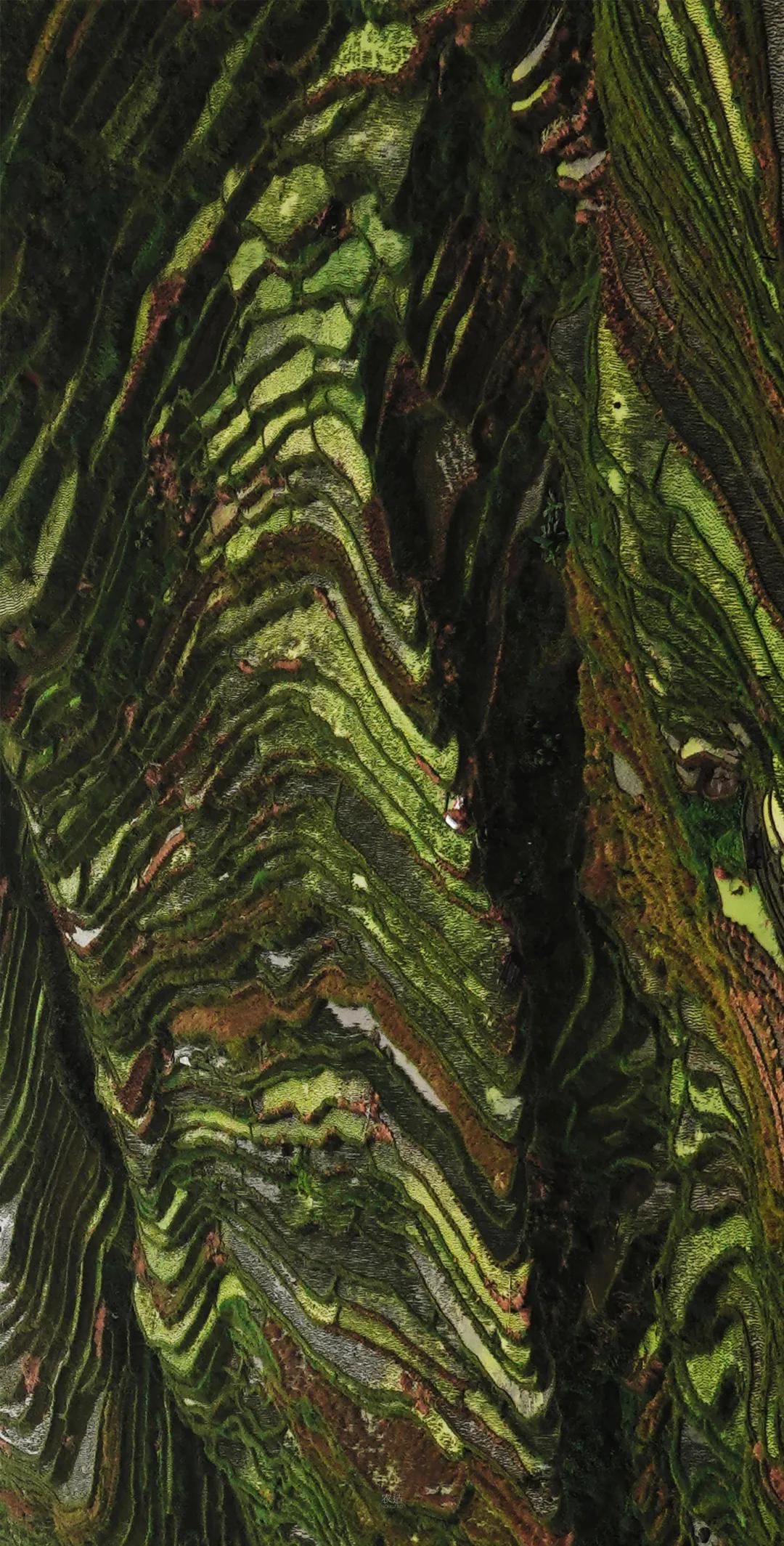
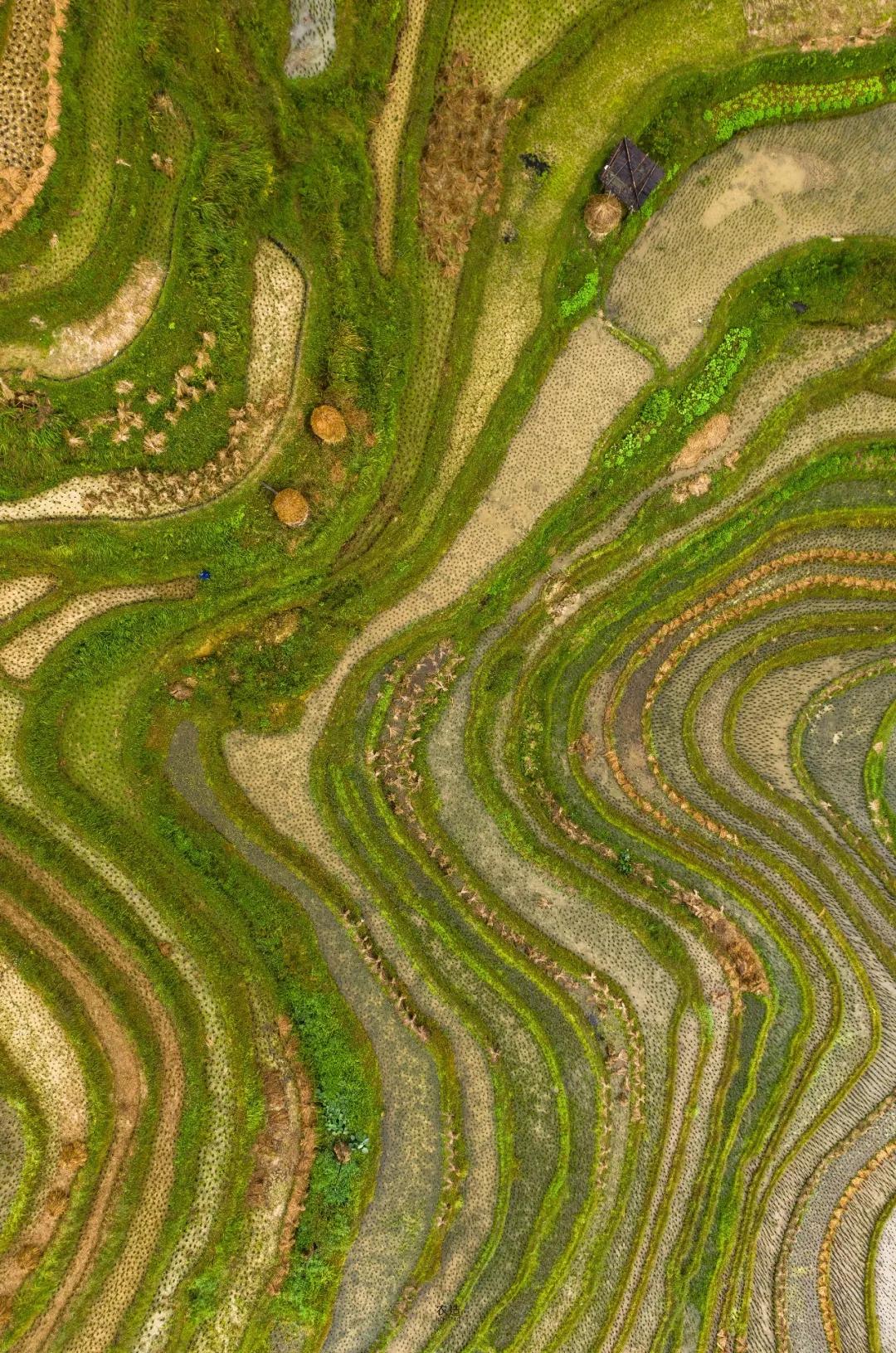
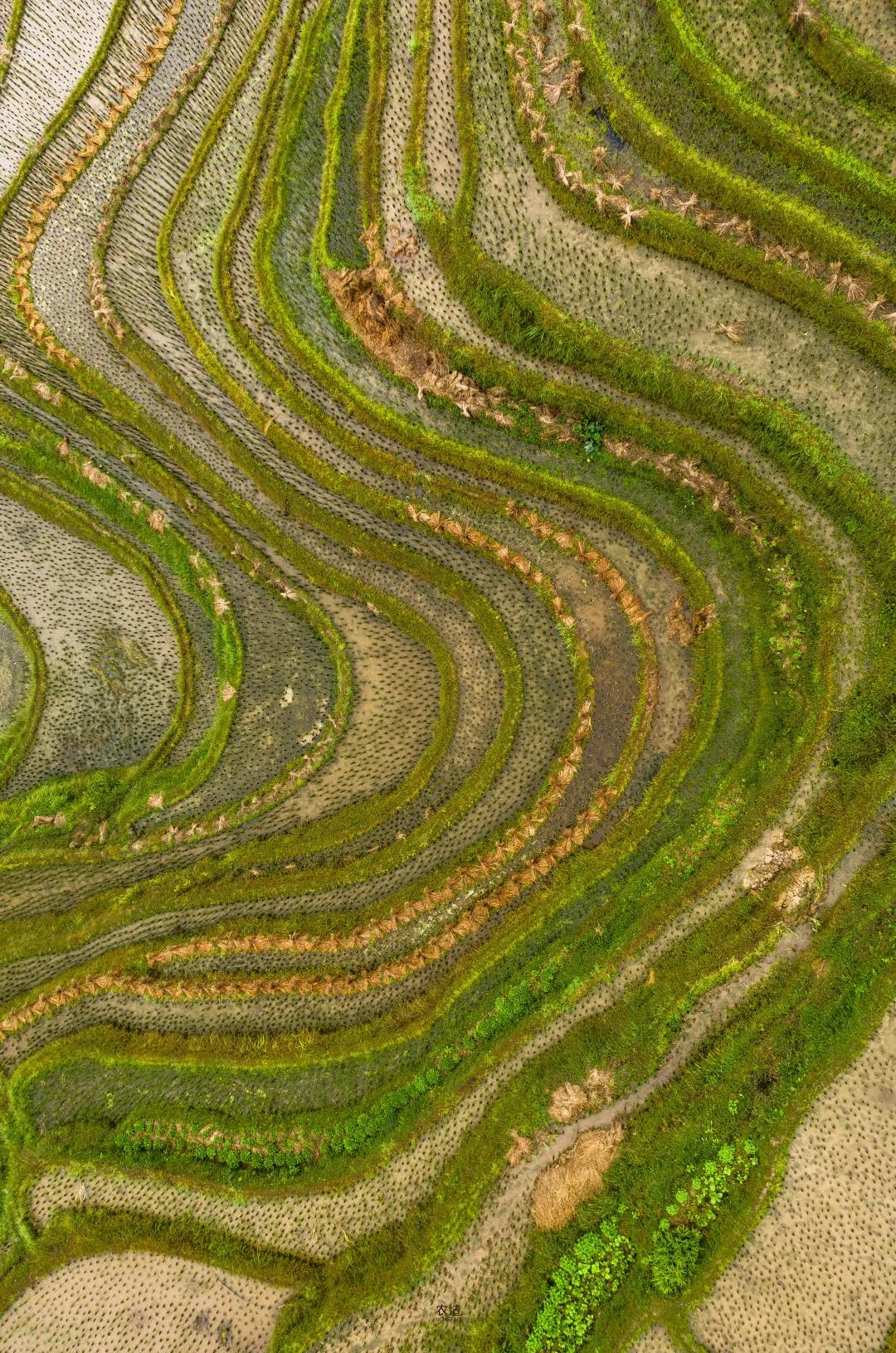
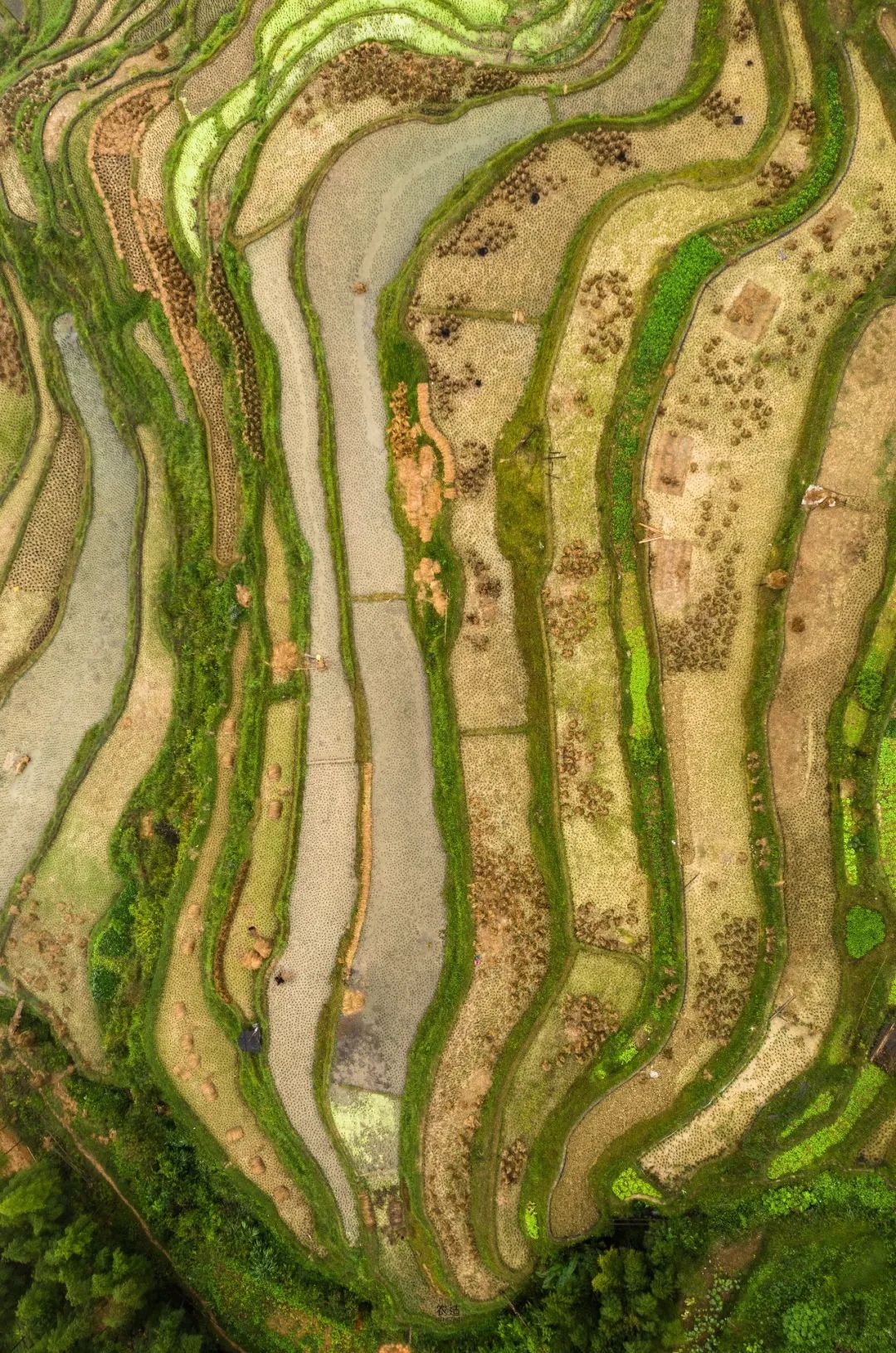
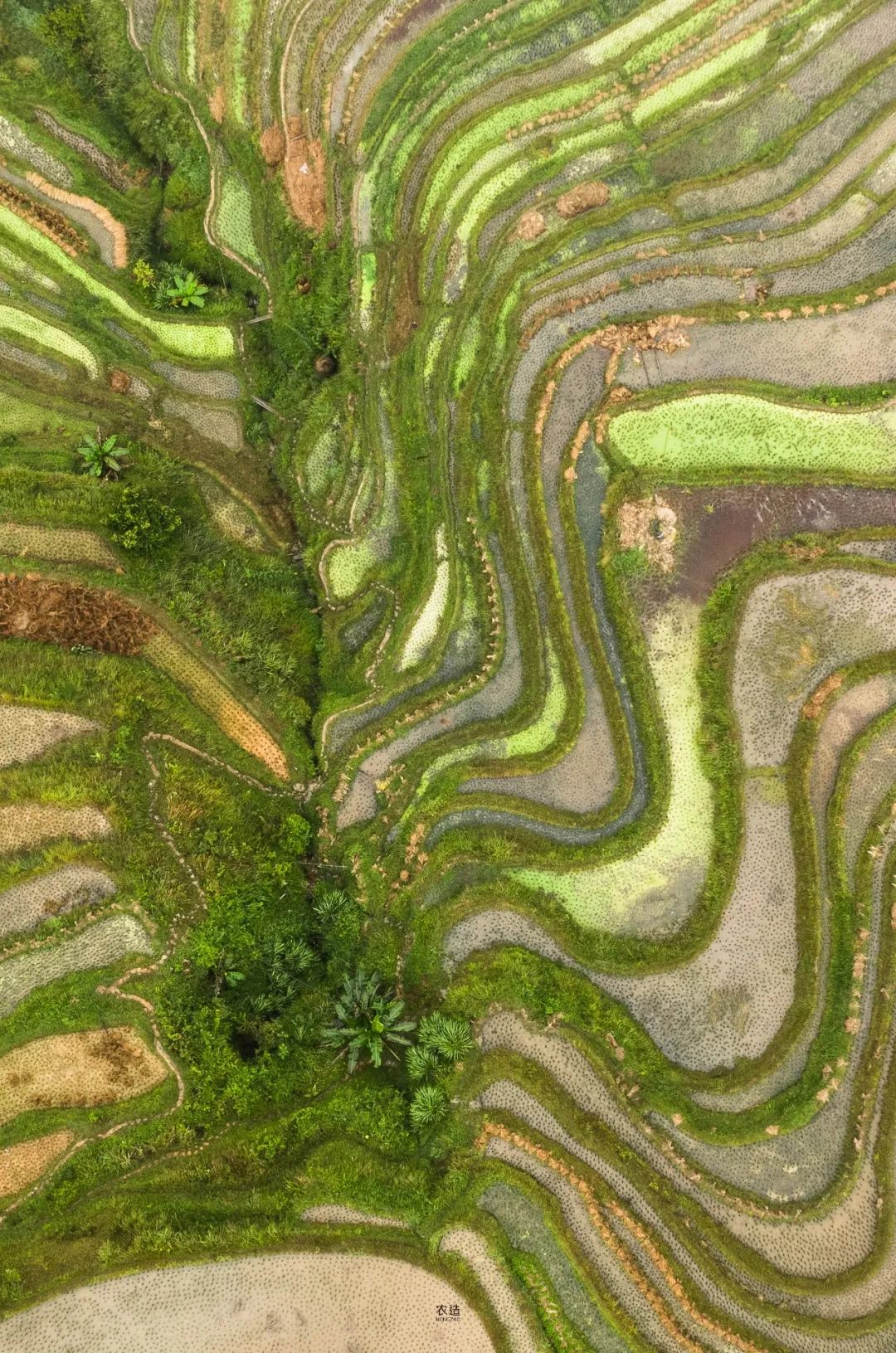
,经过千百年的努力,积累构建层层叠叠、磅礴雄壮的梯田,形成如今月亮山腹地百里梯田景观。
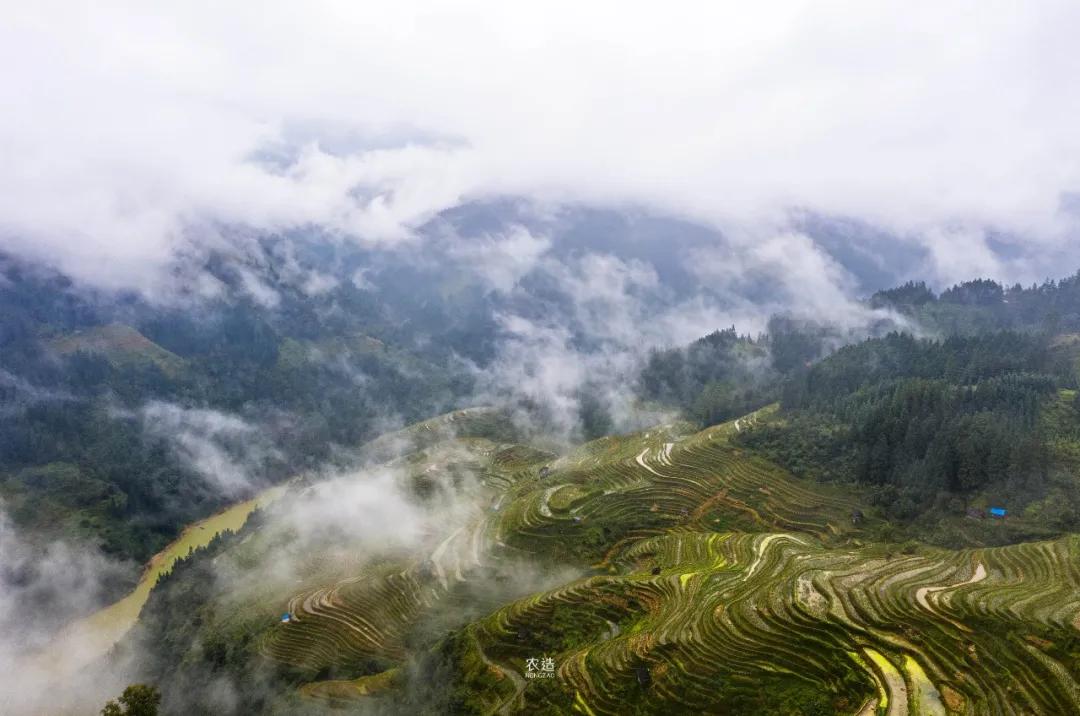
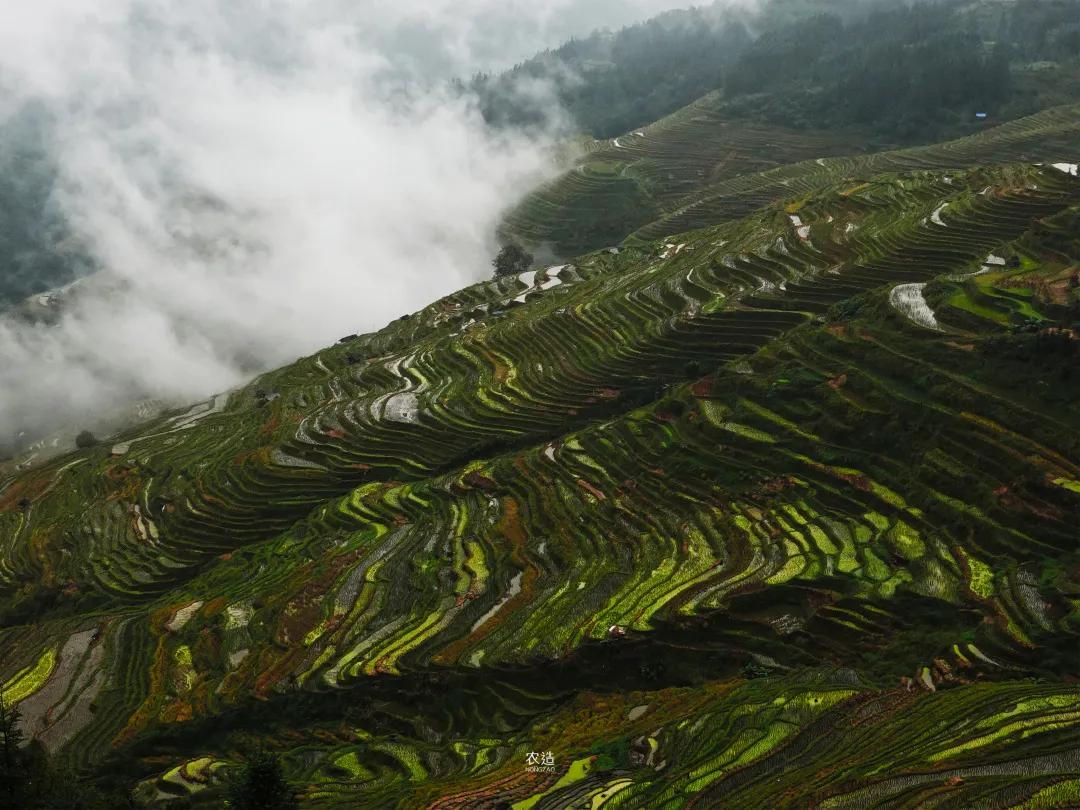
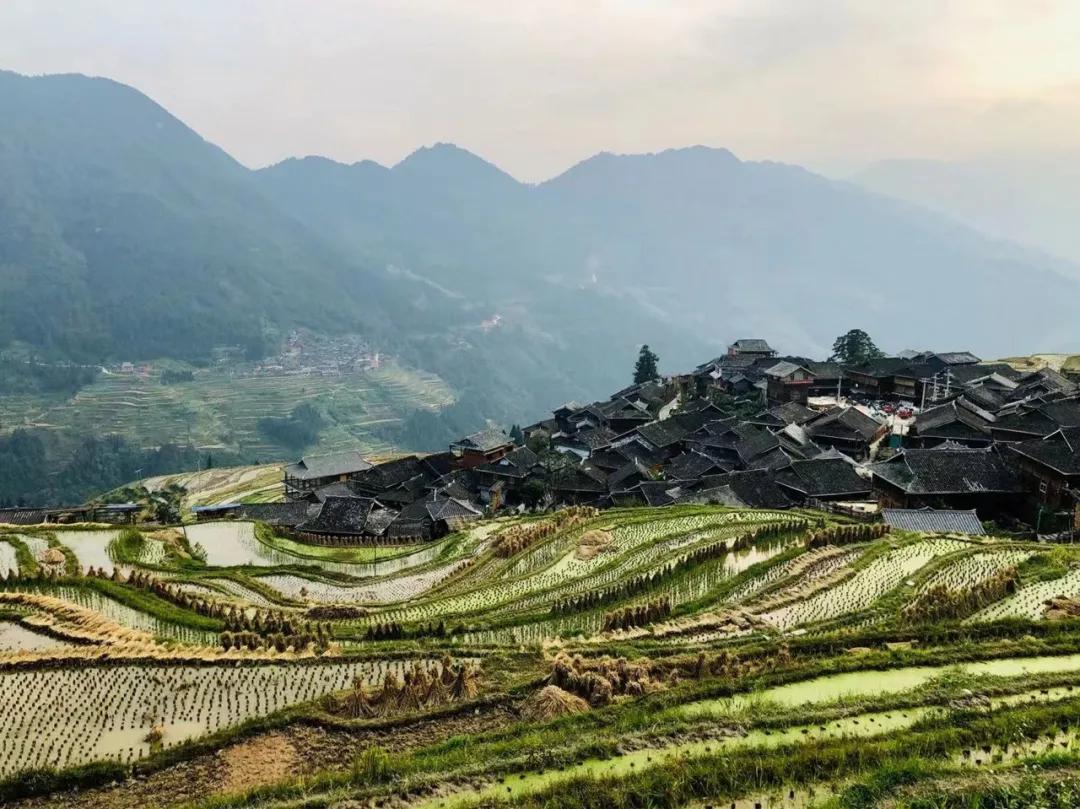
月亮山山区梯田规模宏大,气势雄伟,特別是从江县的加榜、加鸠、加勉、东朗这四个乡梯田分布最广。这些梯田形态原始、阡陌纵横、线条流畅,与周边苗寨交相辉映,完美结合成一幅幅美丽的四季田园图画。
The boundless and thriving Moon Mountain, belongs to the ninety thousand mountain system, stretching across the border between Guizhou and Guangxi, spanning two provinces, three states and six counties. It is located in the central and South Asian tropics, with a warm and humid climate and an average annual temperature of 15.5 degrees Celsius. The soil types mainly include yellow soil and yellow red soil.
"Miao lives on the top of the mountain, Dong lives on the water head, while Ke (Han) lives on the street", which is a true portrayal of the Moon Mountain ethnic group. Through the dense primeval forest, an extremely ancient Miao nationality in southeastern Guizhou has been inhabited for generations, intactly preserving many primitive cultural customs.
The mountainous area is remote with inconvenient traffic and deficient supplies. The terrain, besides, merely flat, with mostly above 40 degrees steep gradient. In the drive of survival, the indomitable Miao ancestors gave full play to their intelligence, managed to transform the nature, adapting to local conditions and following the law of nature. Year in year out, they have created the magnificent earth work in the hinterland of the Moon Mountain——the majestic and vast, layers upon layer terraced fields.
The imposing terraced fields in the Moon Mountain spreads in great scale, especially in the four townships of Conjiang: Jiapang, Jiaju, Jiashan and Donglang, which are most widely distributed. These terraced fields with primitive forms, smooth lines and crisscrossed paths in harmony reflection with the surrounding Miao villages, perfectly frames a picturesque pastoral of the four seasons.
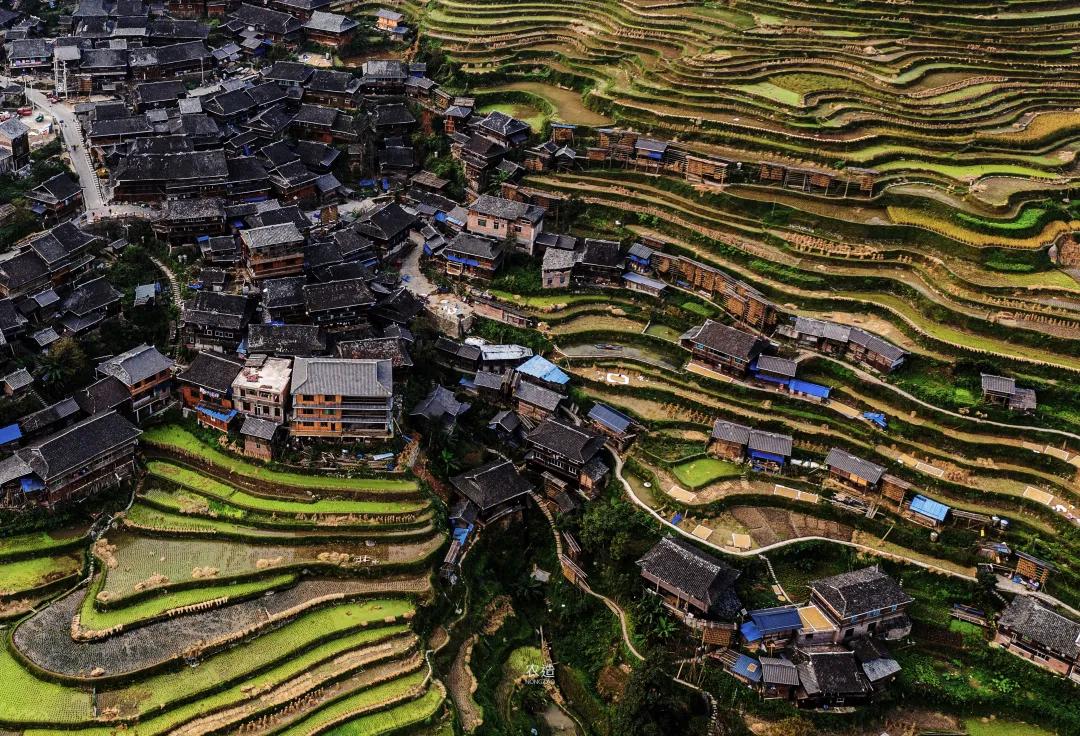
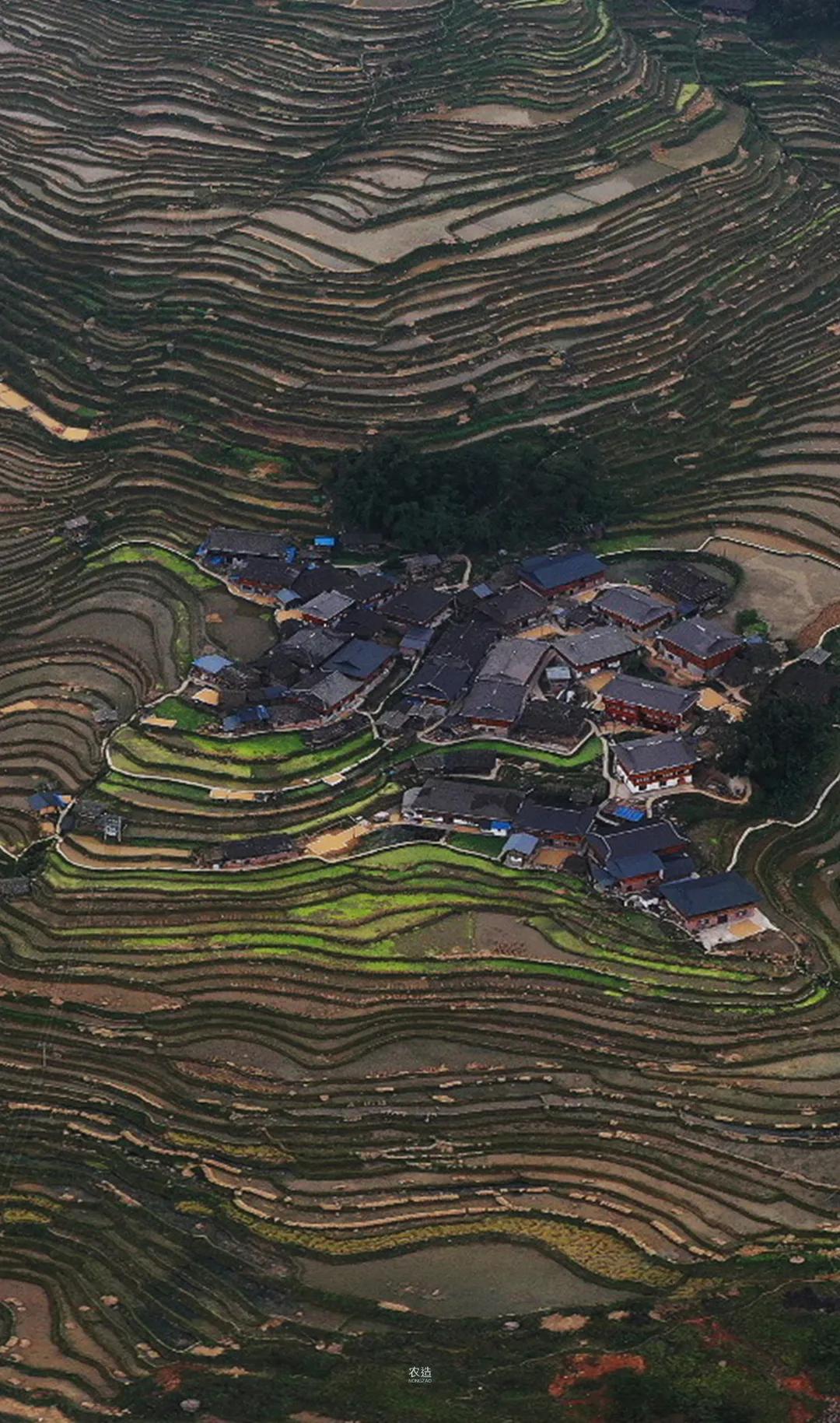
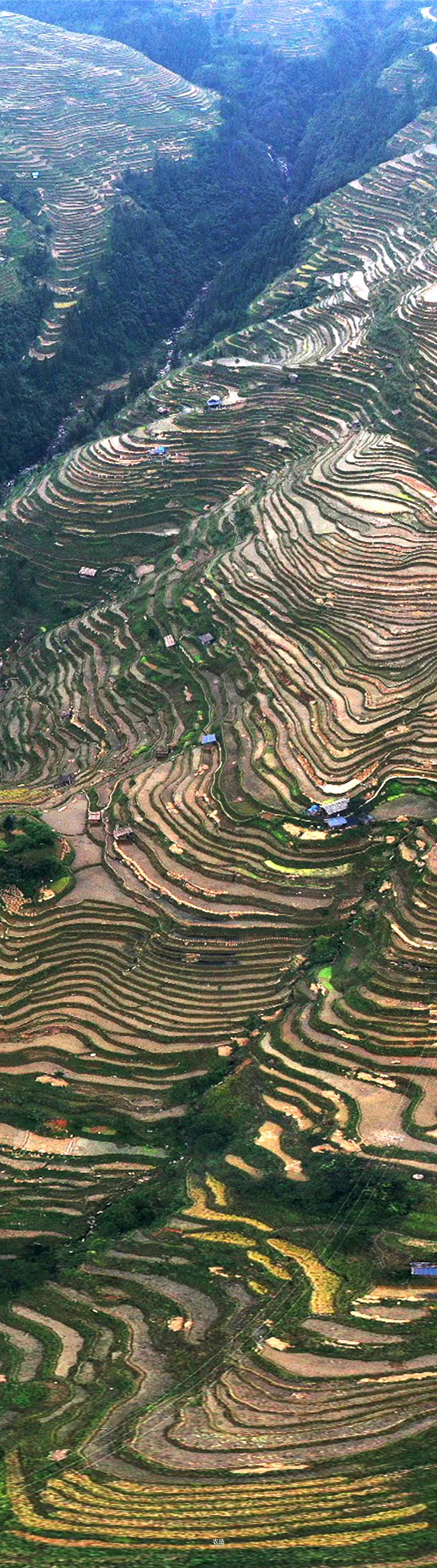
加榜乡的梯田最早为人们熟知,而加鸠梯田虽然相距加榜梯田只有六、七十公里的路程,但远远不如加榜梯田的名气大,很容易被错过。相比加榜梯田,加鸠梯田更具山野气息,没有任何旅游景点的痕迹,深藏于月亮山腹地,
加鸠自然风光奇特秀丽,层层梯田顺山环绕,气概非凡,形成独具特色的山区人文自然风光,素有“梯田之乡”美称。境内有著名的太阳山、月亮山、孔明山,古木参天,遮天蔽日,古树下是一望无垠的九月竹海。著名的孔明塘内有值得历史考究的孔明练兵场,谓三国时孔明曾在此屯兵习武。民俗风情浓郁,民族文化丰富多彩,有著名的苗族对山歌、踩歌堂,有热闹非凡的“斗年节”,有神秘壮观的苗族“牯藏节”。
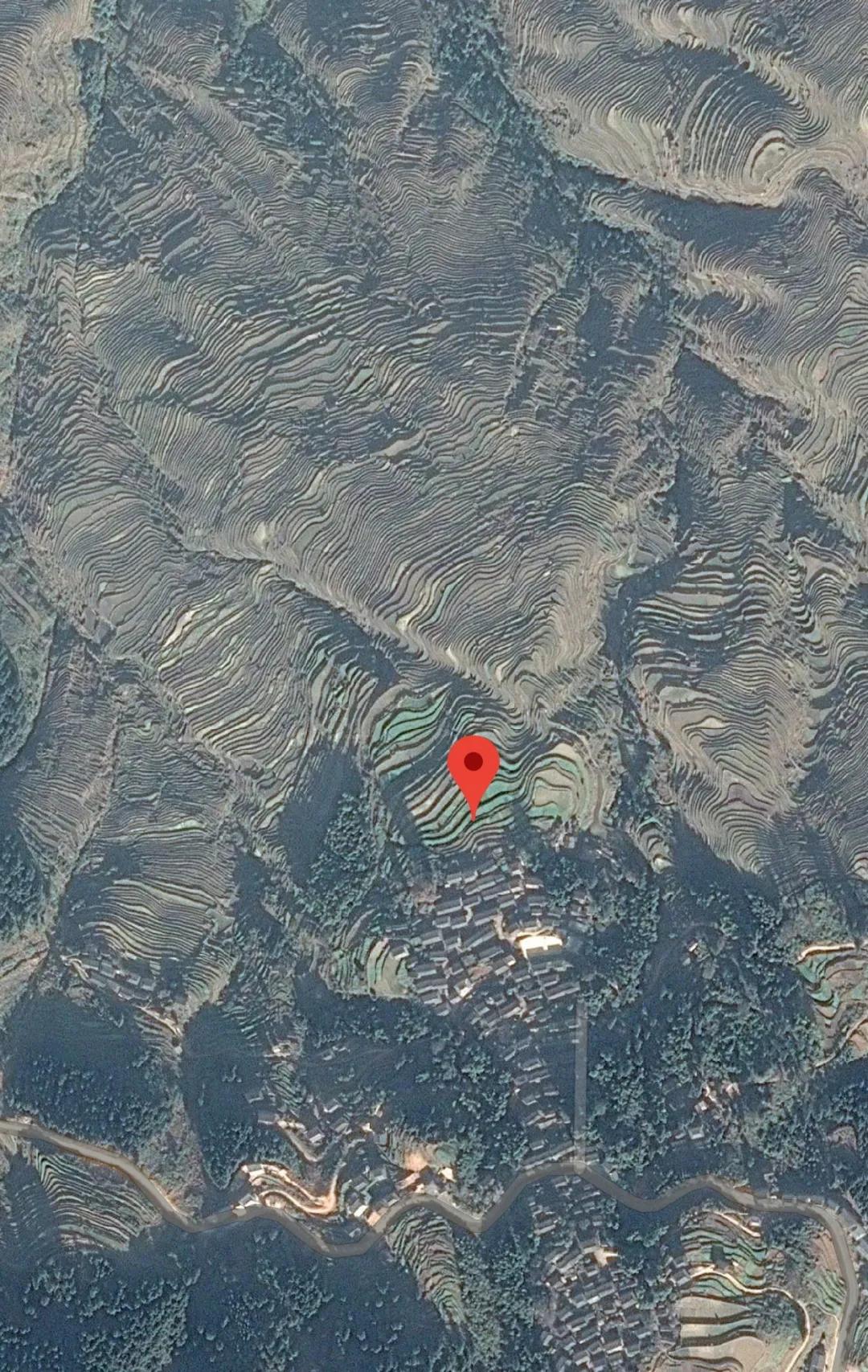
加鸠梯田总面积约1.2万亩,主要分布在合法村、摆少村、*党**丟村、加翁村、加水村、裕民村、加列村,其中加水梯田最有特色。
The easily forgotten Jiajiu terraced fields is far less famous than Jiabang terraced fields, which were first known to people, even though there is only 60 to 70 kilometers away from each other. Compared with Jiabang terraced fields, Jiaju terrace preserves a more mountainous and wilder tranquility, away from any traces of tourist attractions. It quietly hides in the hinterland of Moon Mountain, keeping its own secret.
With its unique landscape and spectacular terraced fields surrounded by mountains, Jiajiu is known as "the hometown of terraced fields". It involves the famous Sun Mountain, Moon Mountain, Kongming Mountain with towering ancient trees, blocking the sun and boundless sea of bamboo flourishing in September. There is a military training ground in the famous Kongming Tang, worthy of historical study, told that Kongming once stationed troops here during The Three Kingdoms period to practise martial arts. The rich national culture and the fascinating folk customs are illustrated by the famous Miao folk songs and the song hall, the lively "Bullfight Festival", and the mysterious "Guzang Festival".
The total area of The Jiaju terraced fields is about 12,000 ac, which are mainly distributed in Hefa Village, Baishao Village, Dangdiu Village, Jiaweng Village, Jiashui Village, Yumin Village and Jialie village. The most distinctive one is The Jiaju terraced fields.
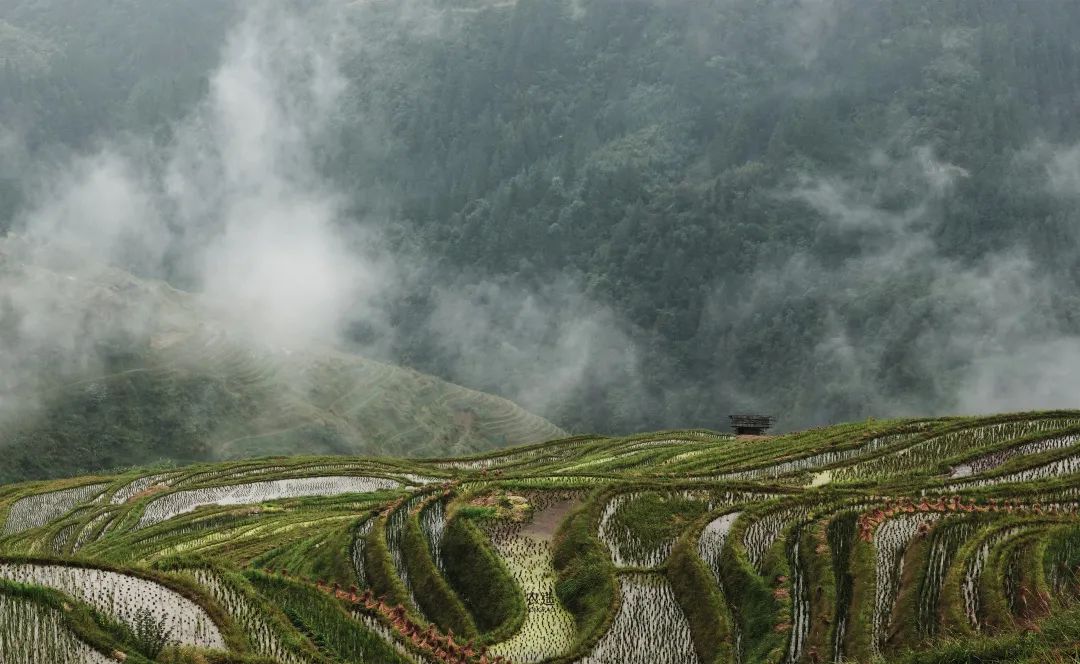
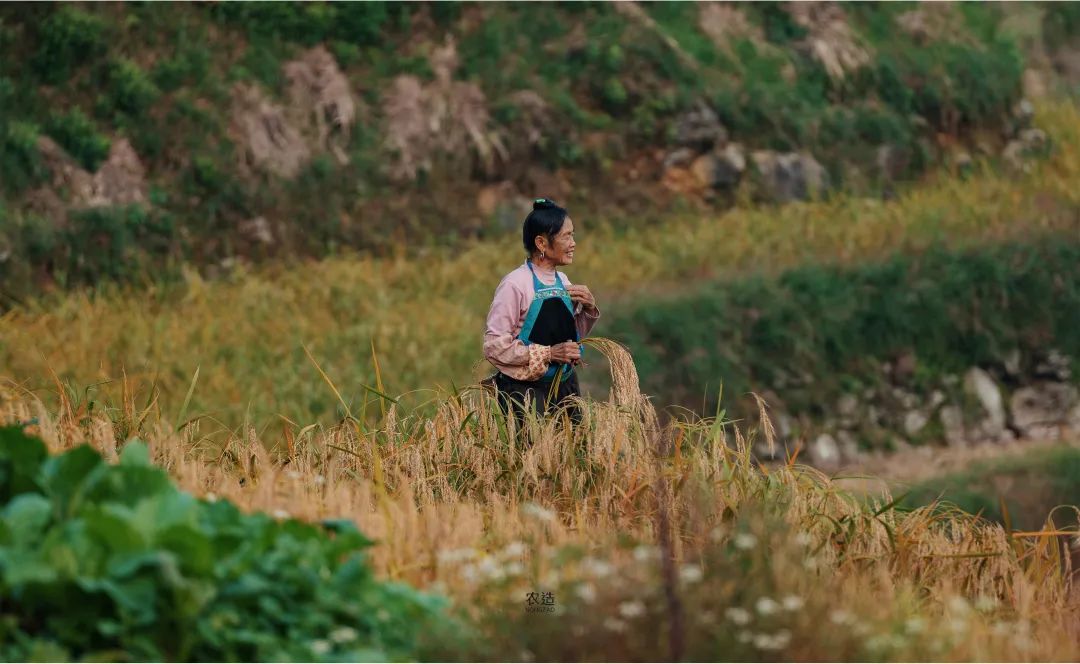
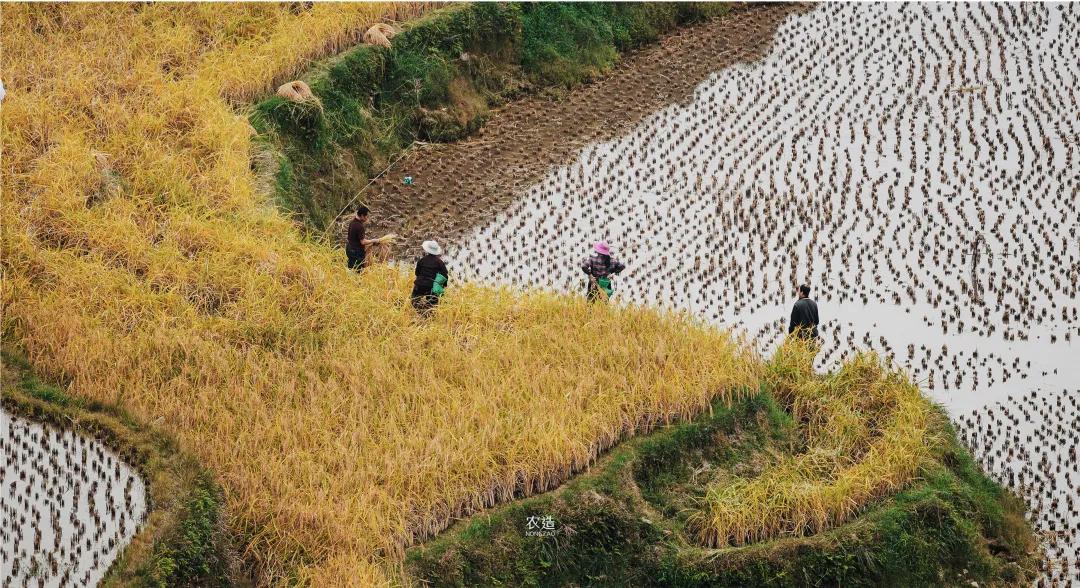
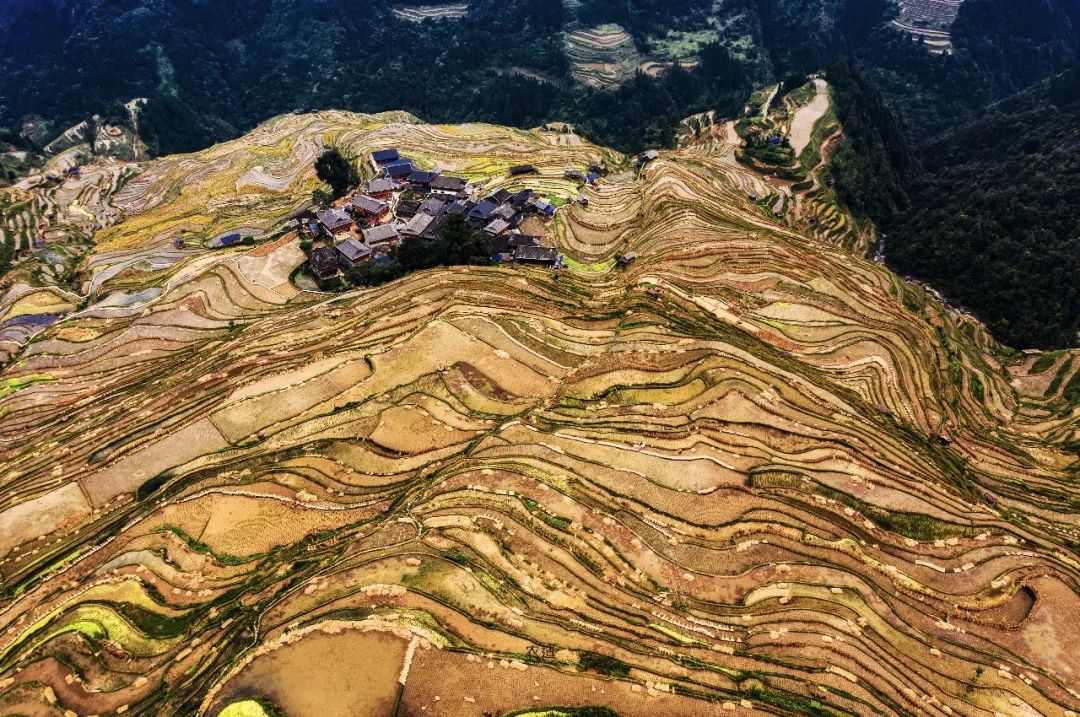
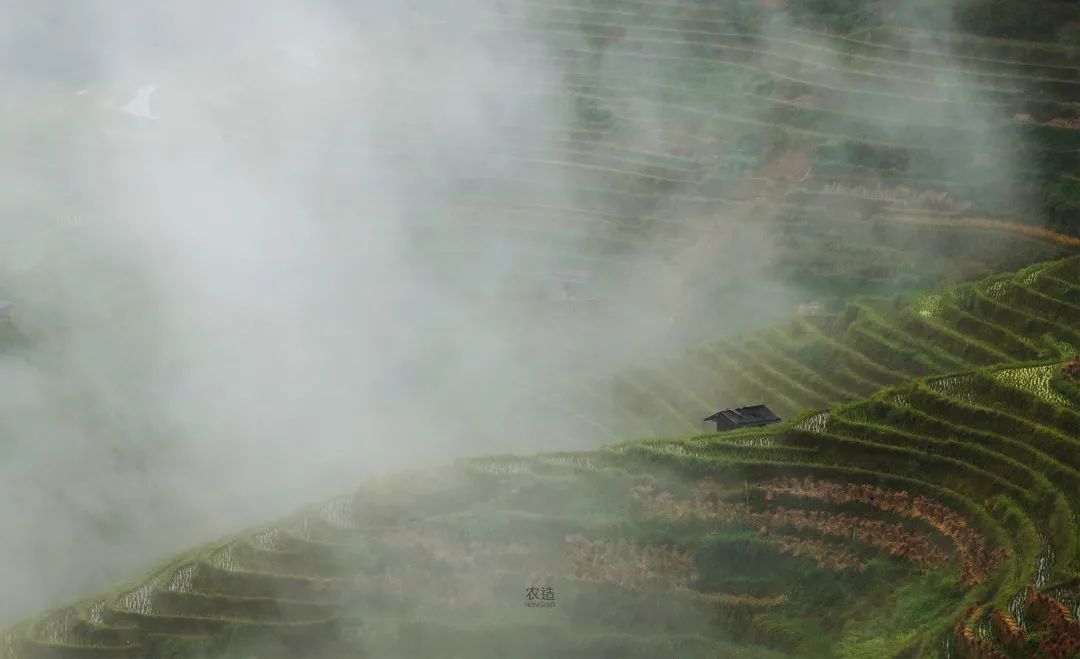
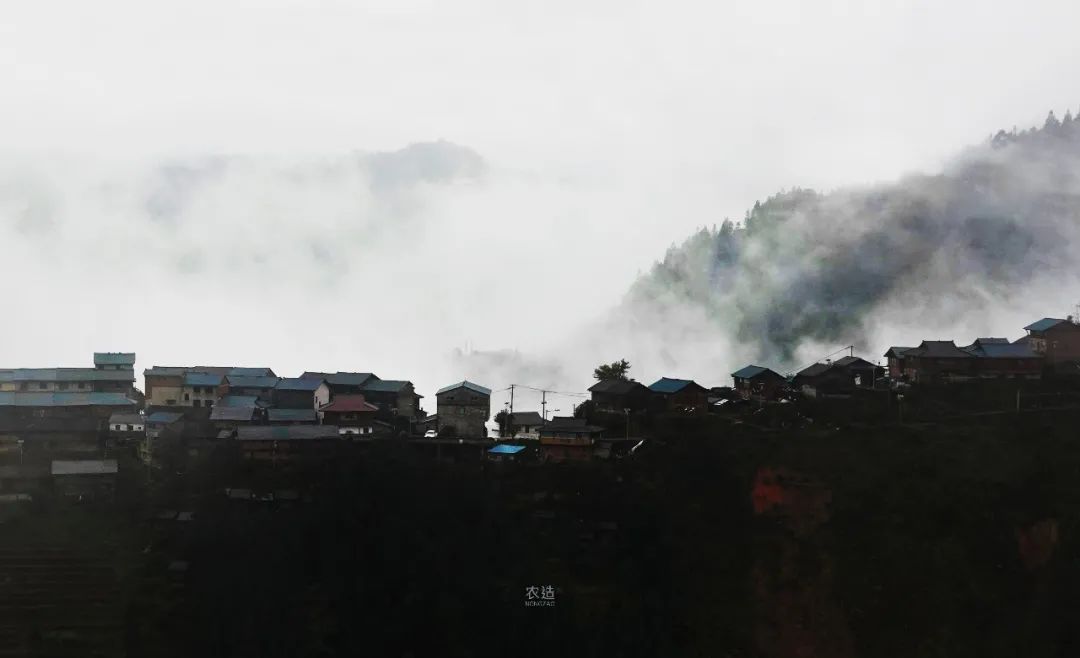
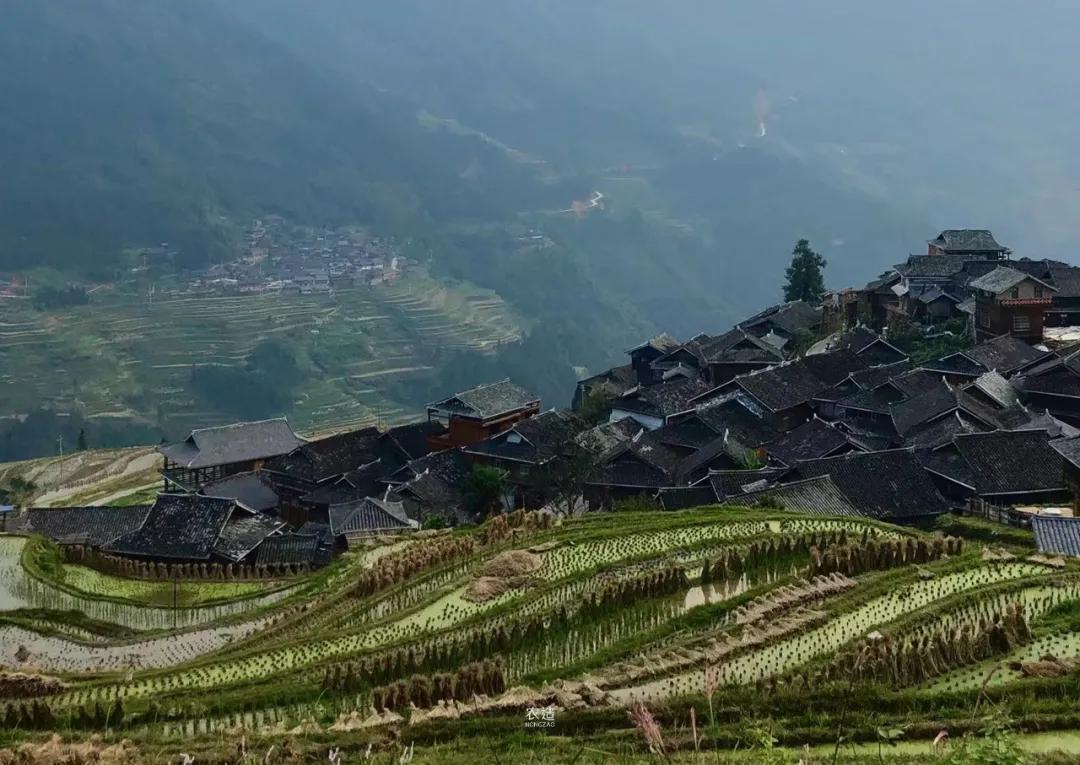
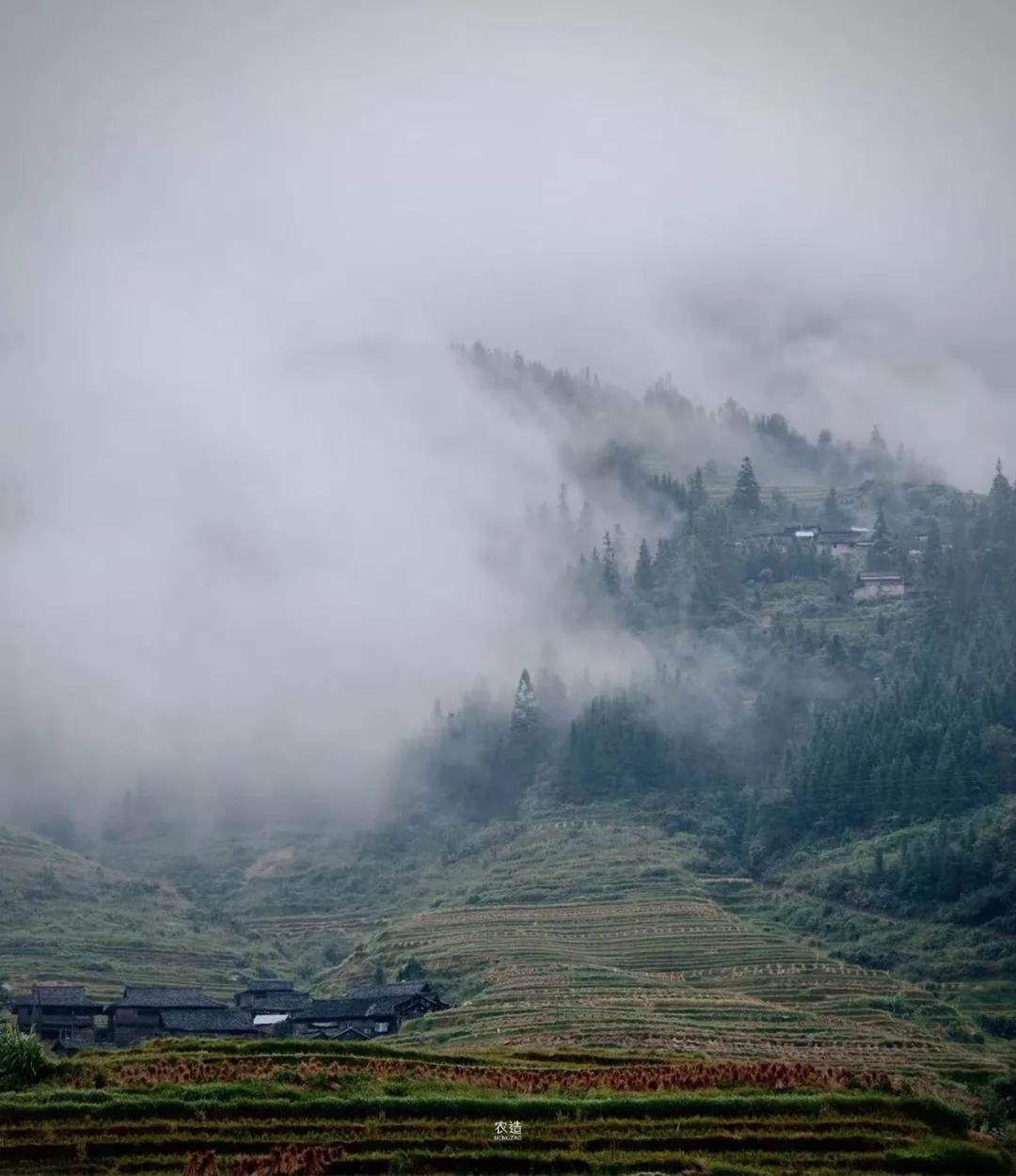
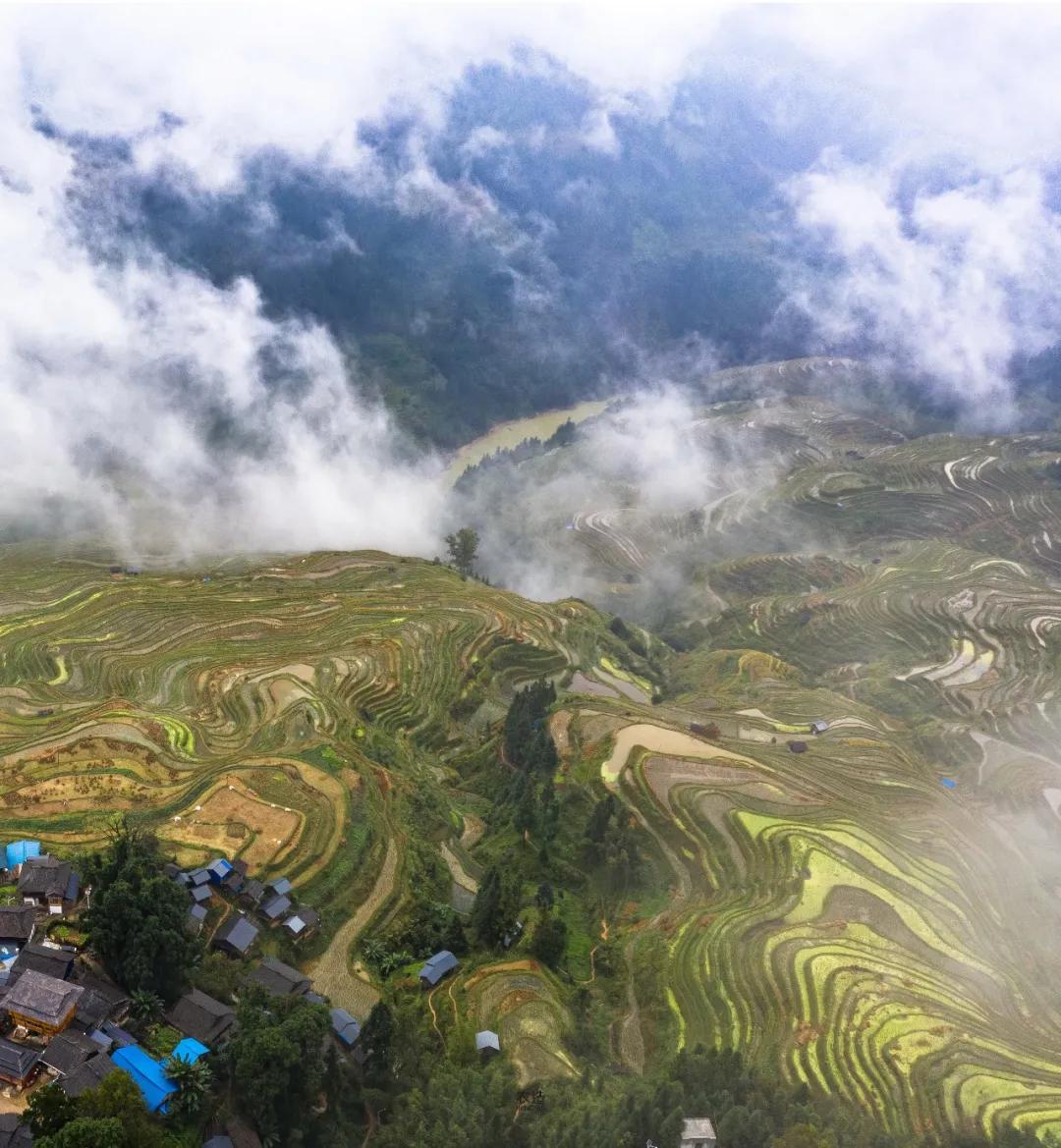
加水梯田始于山脚下的污牛河,村舍居于山腰,山头保持山林,形成了山林—村舍—梯田格局。山林能固土牢石,减少大面积的塌方,防止水土流失。在山腰构筑村舍,方便获取柴薪和耕种农作物的折中路径。梯田设在村舍下方,水源丰富,既方便耕作又能防止梯田坍塌入威胁村舍安全。
加水村民为了避免大量挖土方带来的不利后果,选择了加密梯层,少动岩基,筑土培草,在不对山体造成“伤筋动骨”的前提下最大限度地获取可耕面积。在砌田坎建梯田时回填土方法非常讲究,通常在平整田基时边用岩石堆砌边回填泥土,其中回填的泥土是筛除沙石和草根后才边填边夯,再用槌子捶打使田基密实平整。修筑积水田埂时,土块必须带有草,堆放时带草的一面朝下,在内侧夯上细土捶打牢实,既能坐水又牢固。[1] 这些做法充分体现了

[1] 参考文献:巜月亮山地区苗族梯田文化探讨》张和平, 《安徽农业科学》,Journal of Anhui Agri. Sci. 2011, 39 (30): 18726-18727
基于梯田结构布局形成的山林—村舍—梯田格局,山林涵养水源,山涧流灌梯田,田坎边坡割草,牛圈上坡沤肥,就近施肥培土,稻田放鱼薅秧,金秋鱼肥稻香。构成了较完整的山区农村生态系统,完成基本物质循环和能量流动,能量与物质的输入和输出基本相等,得以世世代代繁衍子孙、持续发展。
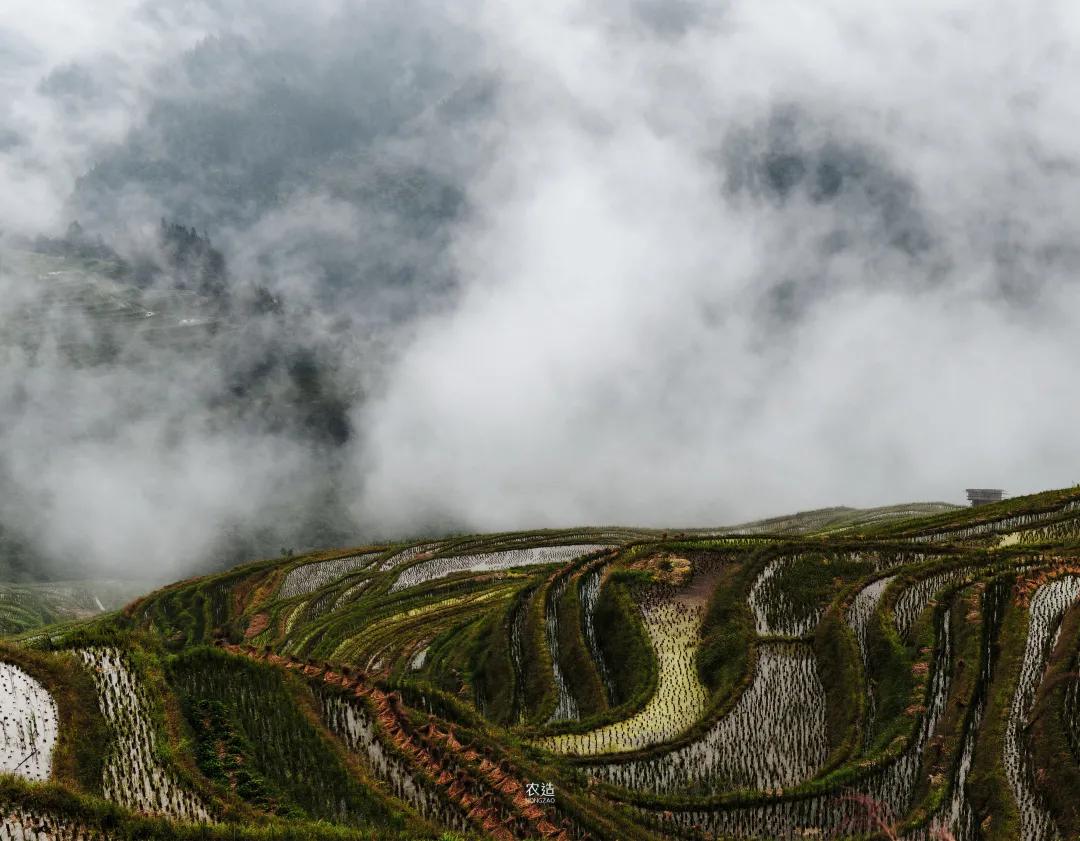
加水梯田是月亮山腹地最美的景观,线条飘逸,块面强化,平光运用,色彩拓展,远看大气憾人,近详细润优雅,一种似乎远离世界的自然之美。另外,梯田是缓解人多地少矛盾的产物,也是人们谋求持久利用、长期发展的结果。
The Jiashui terraced fields start from the Wuniu River at the foot of the mountain. The cottages sit on the mountainside, maintaining the forest up above, forming the vertical well-conceived pattern of mountain: forest - cottage- terraced fields. The forest on top to cement the earth, preventing from the soil erosion and landslide. The cottages located on mountainside guaranteed the convenience of the accessibility to both firewood and crops farming. The terraced fields surround the foot of the mountain, can reach the abundant water source, ensuring cultivation efficiency, while the lower attitude keeps the cottages intact from the threat of the collapse of the terraced fields.
In order to avoid the unfavourability caused by massive excavation, Jiashui villagers chose to add terracing layers, and firm the foundation with grassy field, so as to maximize the cultivated area on the premise of not fracturing the mountain base. The method of backfilling earthwork when building terraces is very sophisticated: usually, when leveling the field foundation, the soil is backfilled with rocks, and the backfilled soil is filled and rammed at the same time after being sieved out the sand and roots. When constructing ridge of water field, the earth must be covered with grass, and the side with grass should be stacked face down, and the fine earth on the inner side should be pounded to make it solid, so as to be able to conserve water for the fields and keep firming.[1] These practices fully represent the spirit of reverence and respect for nature, also, this accumulation of experience and wisdom gained in the long-term process of cultivation relied on the mountains .
[1] Discussion of Terrace culture of Miao nationality in Moon Mountain area, Heping Zhang, Journal of Anhui Agri. Sci. 2011, 39 (30): 18726-18727
Based on the mountain layout, forest - cottages – terracing fields, forest conserves water, stream irrigates terracing farms, grass cutting on the field slope, cattle play a role of field fertilizer, paddies grows with fry, with the harvest of fresh fish and rice. All of these form a relatively integrated ecological system in rural mountainous areas, which complete the basic substance cycle and energy flow, well balance between the energy of input and output, so that the whole system can develop sustainably from generation to generation.
The Jiashui terraces are the most charming landscape in the hinterland of the Moon Mountain with the elegant curves and the clear division of profiles and colors, projecting a magnificent atmosphere from distance, yet a graceful close-up scrutinization. This natural beauty is almost like unreal and secluding form the world. Additionally, terraced fields are the product of alleviating the contradiction between a large population and little (arable) land, and also the result of people's pursuit of sustainable utilization and long-term development.
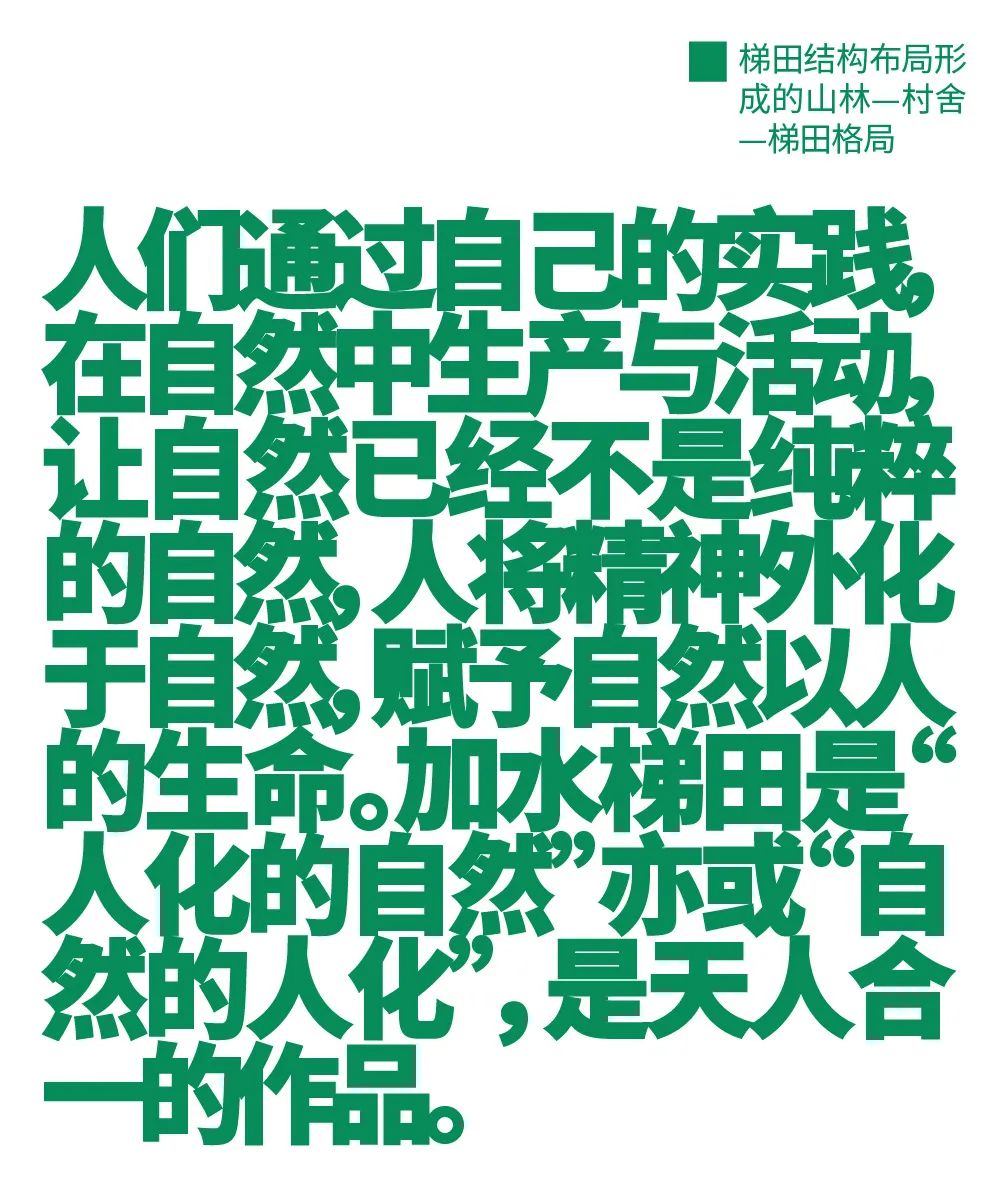
Through long-term practice, we, people, produce and conduct activities in nature, nature, so that, is no longer pure nature. Man externalizes his spirit from nature, and endows nature with human life. " The Humanisation of Nature " or " The Nature of Personification " is a production of the unity of nature and man.
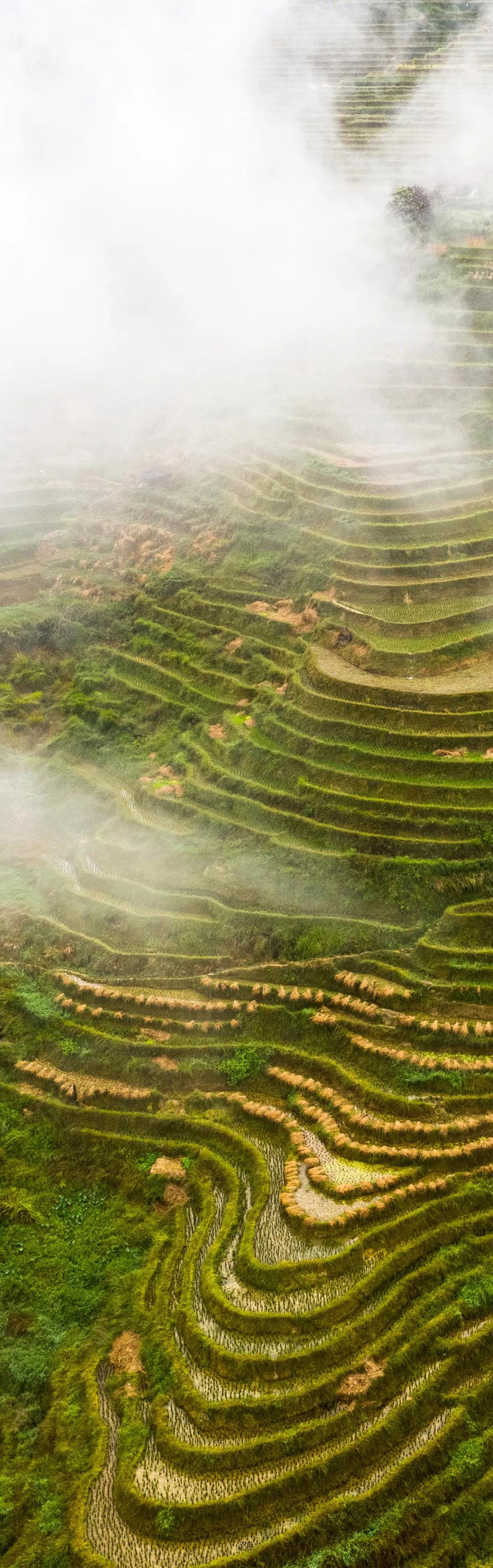
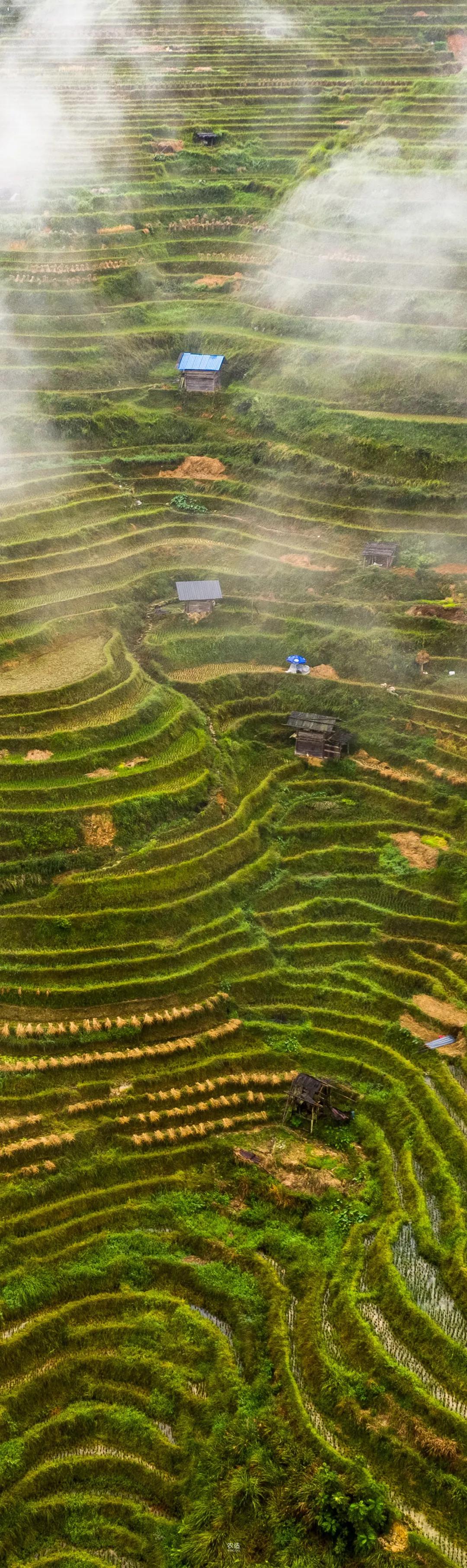

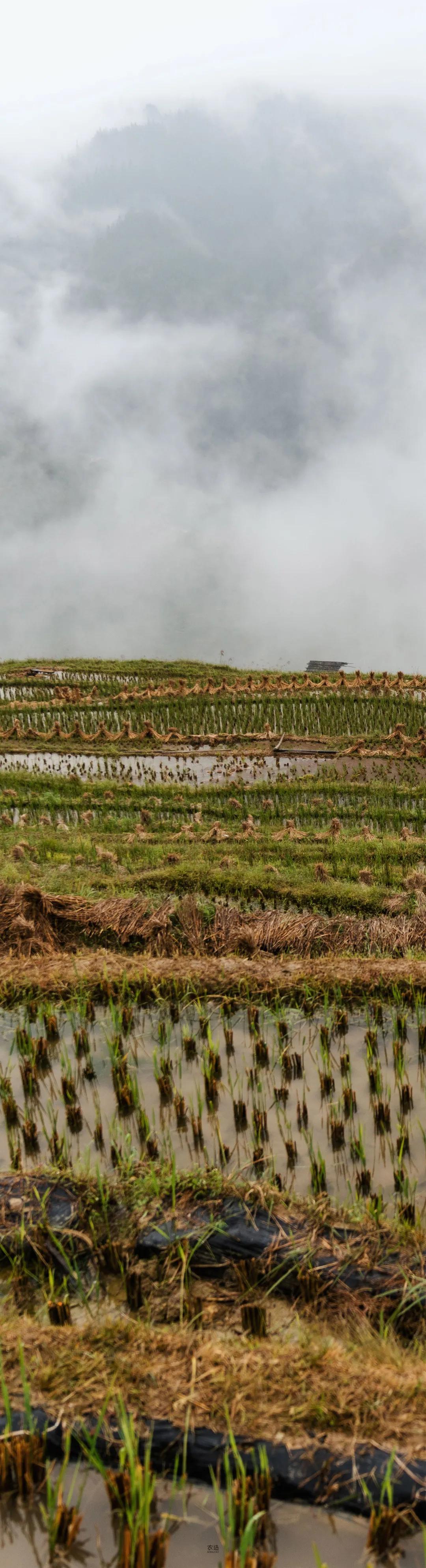

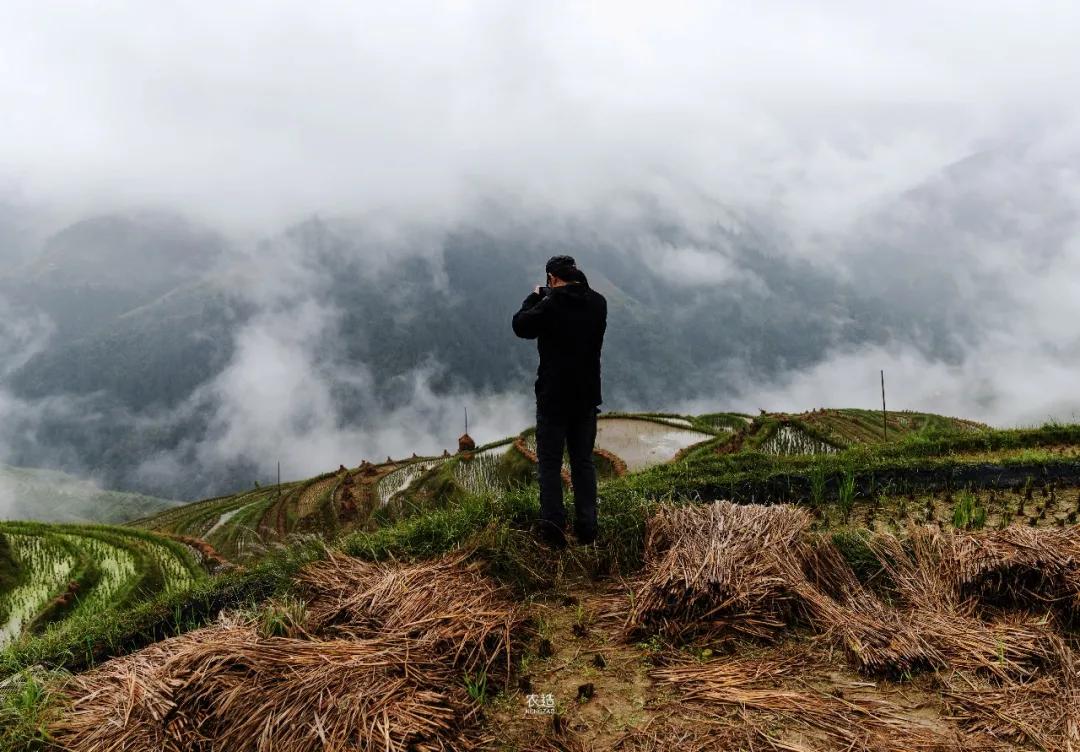
人化的自然在现代文明的不断冲刷中,不断呈现新的面貌。
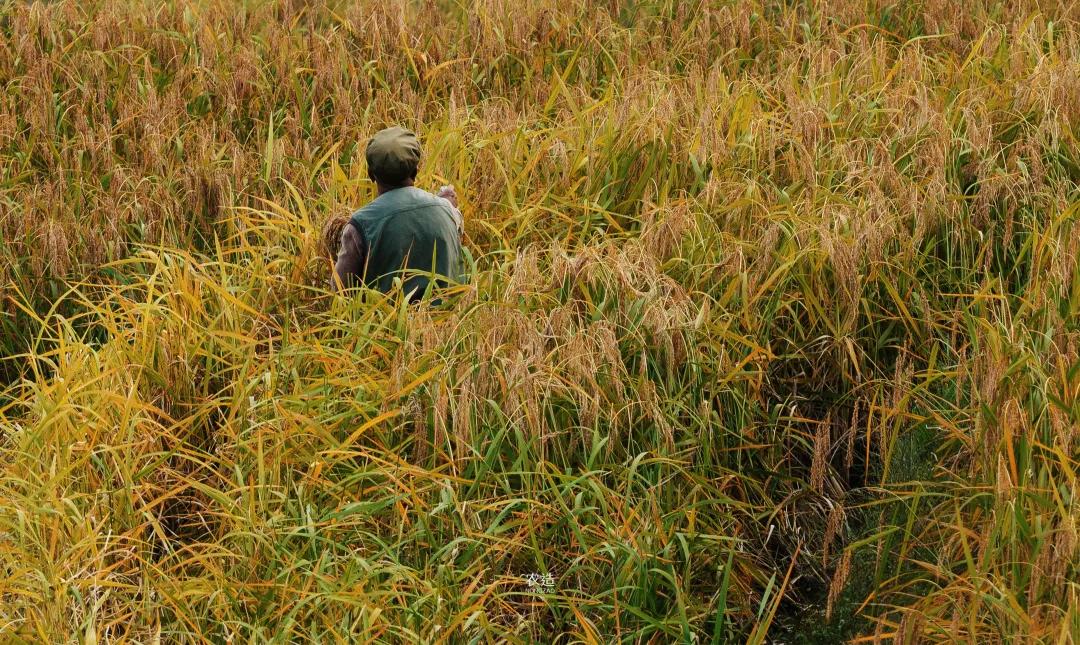
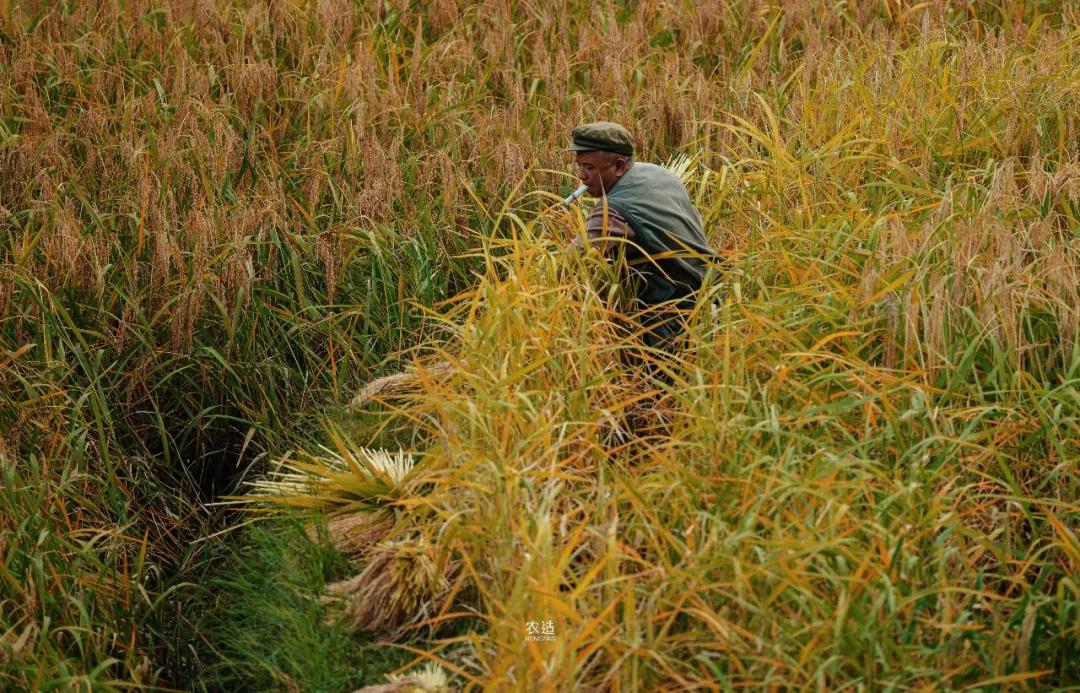
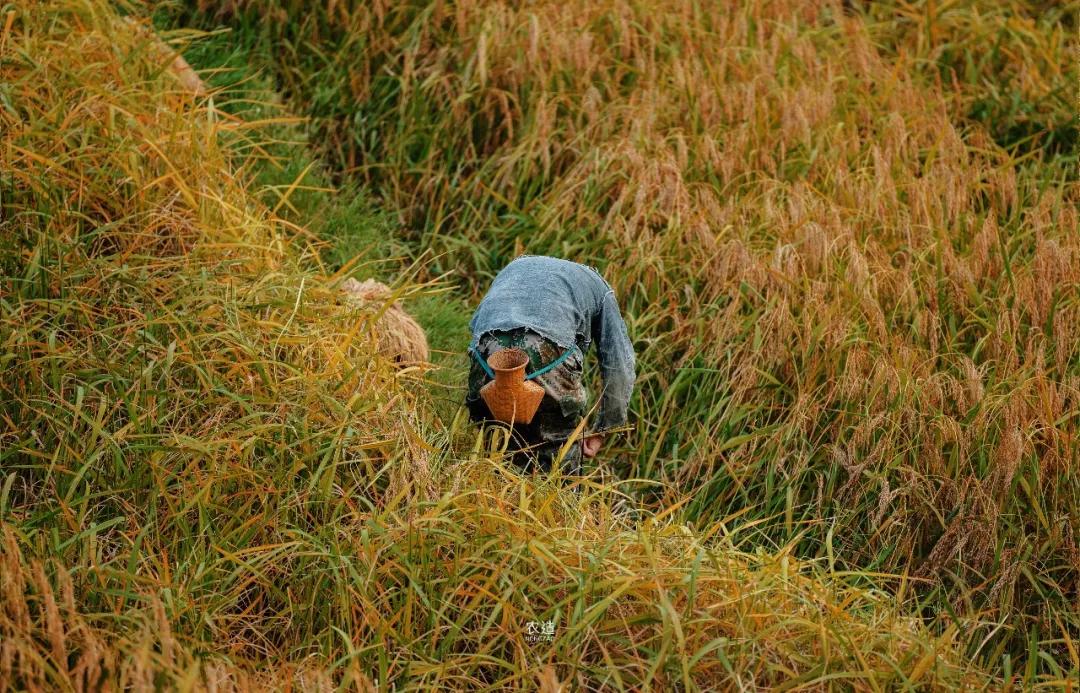
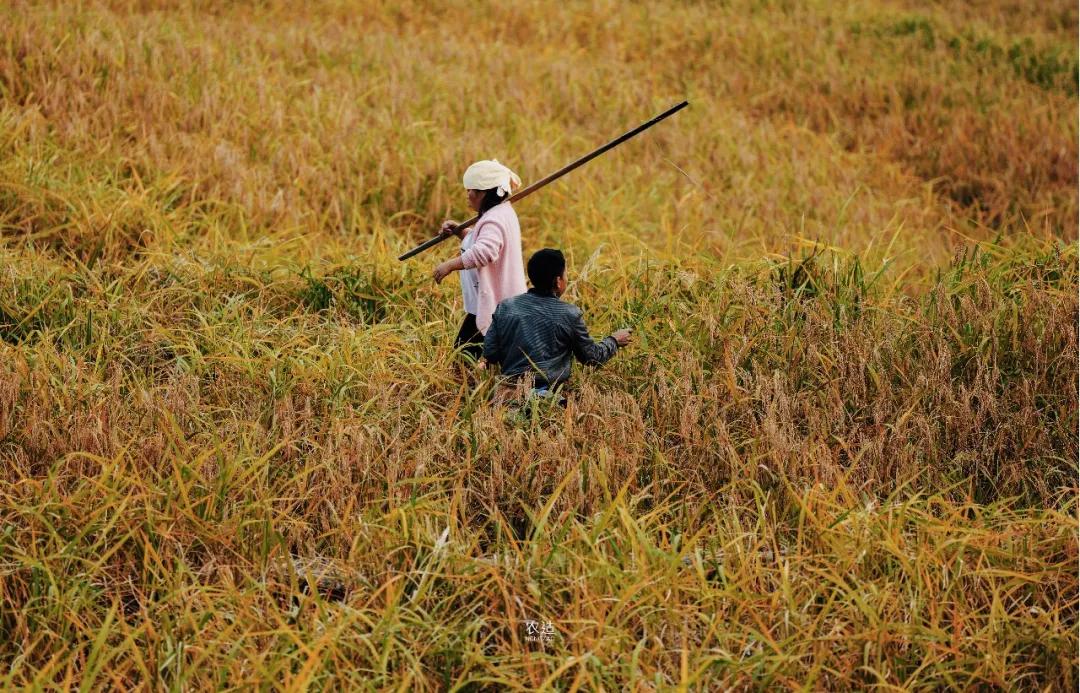
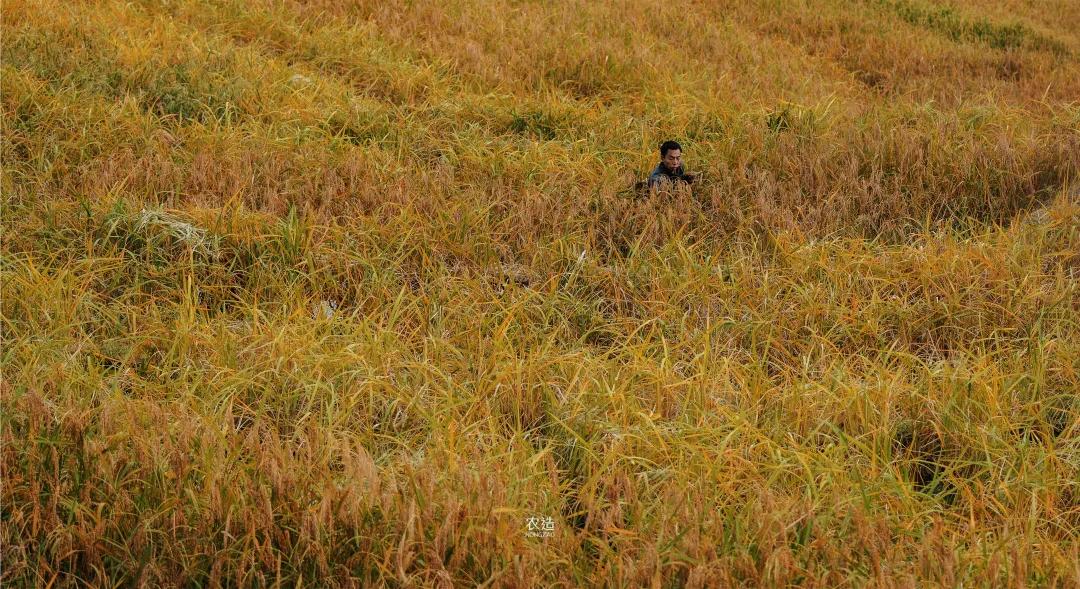
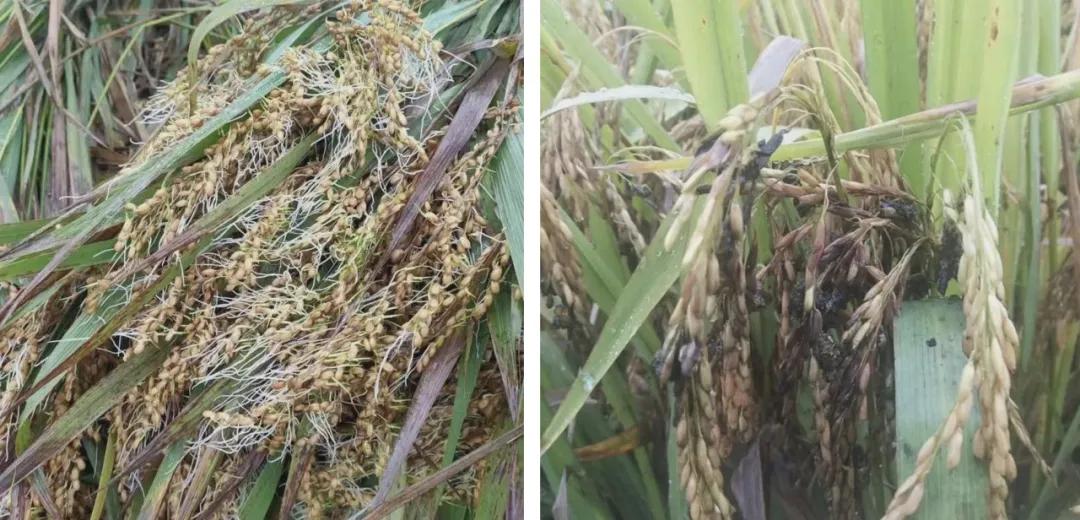
九月到十月,正是黔东南稻谷的收割季节。但是今年一个月以来,持续阴雨连绵,从不间断,造成很多梯田渍涝,水稻倒伏现象严重,有些稻穗萌芽发霉。2020年确实多灾多难。
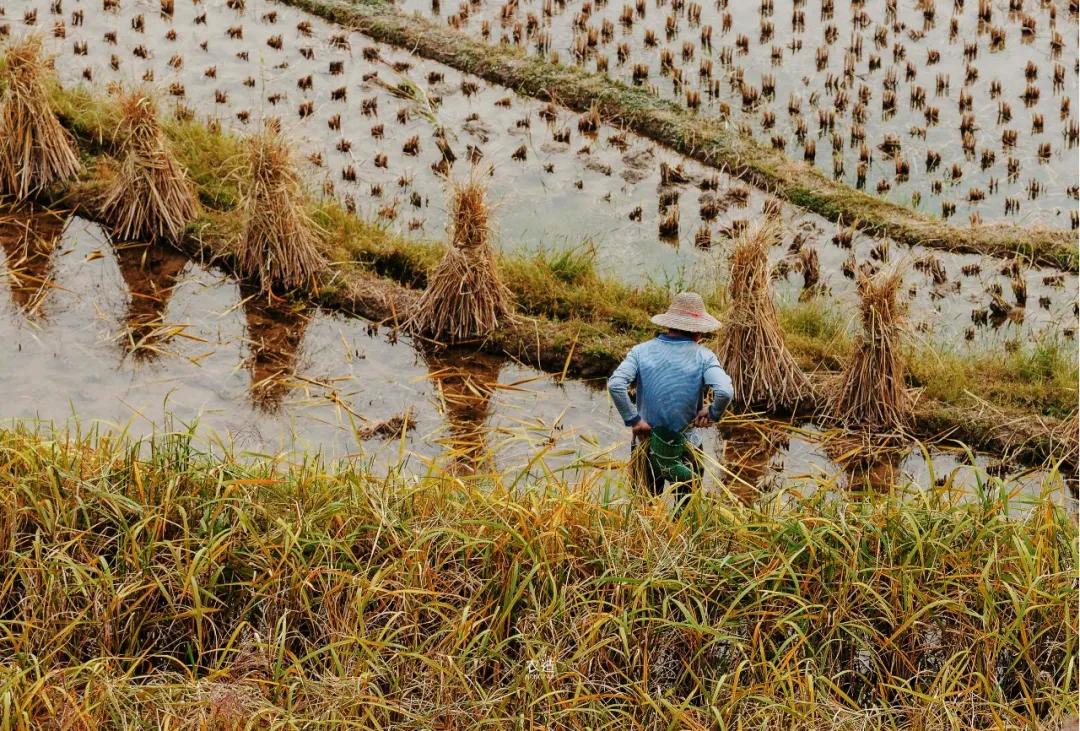
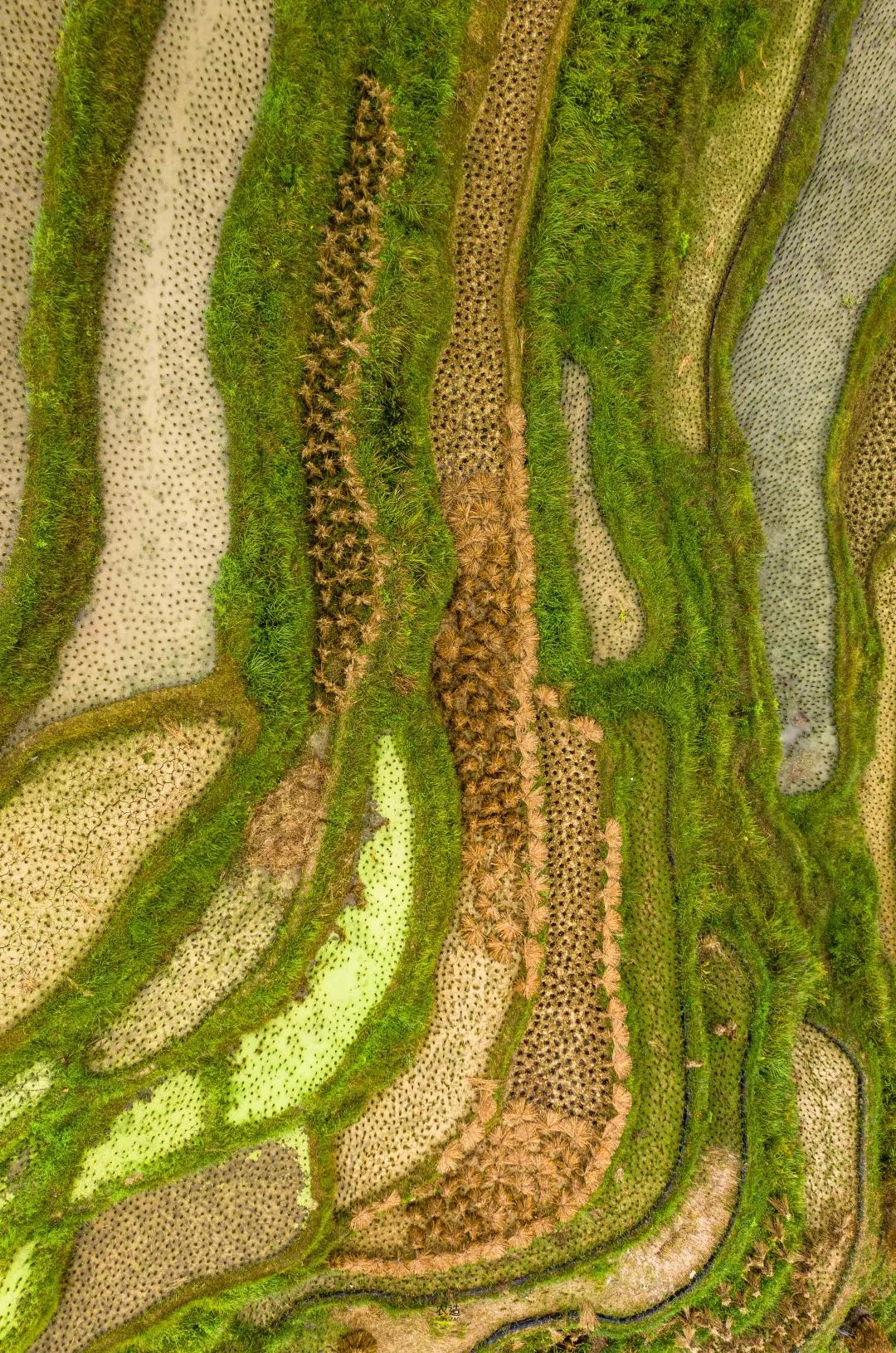
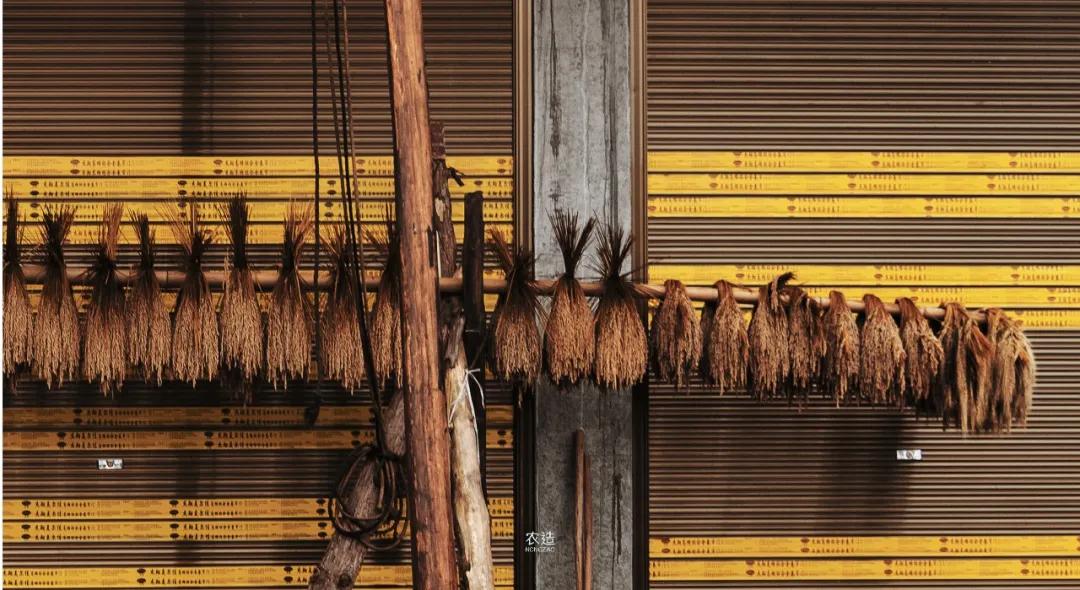
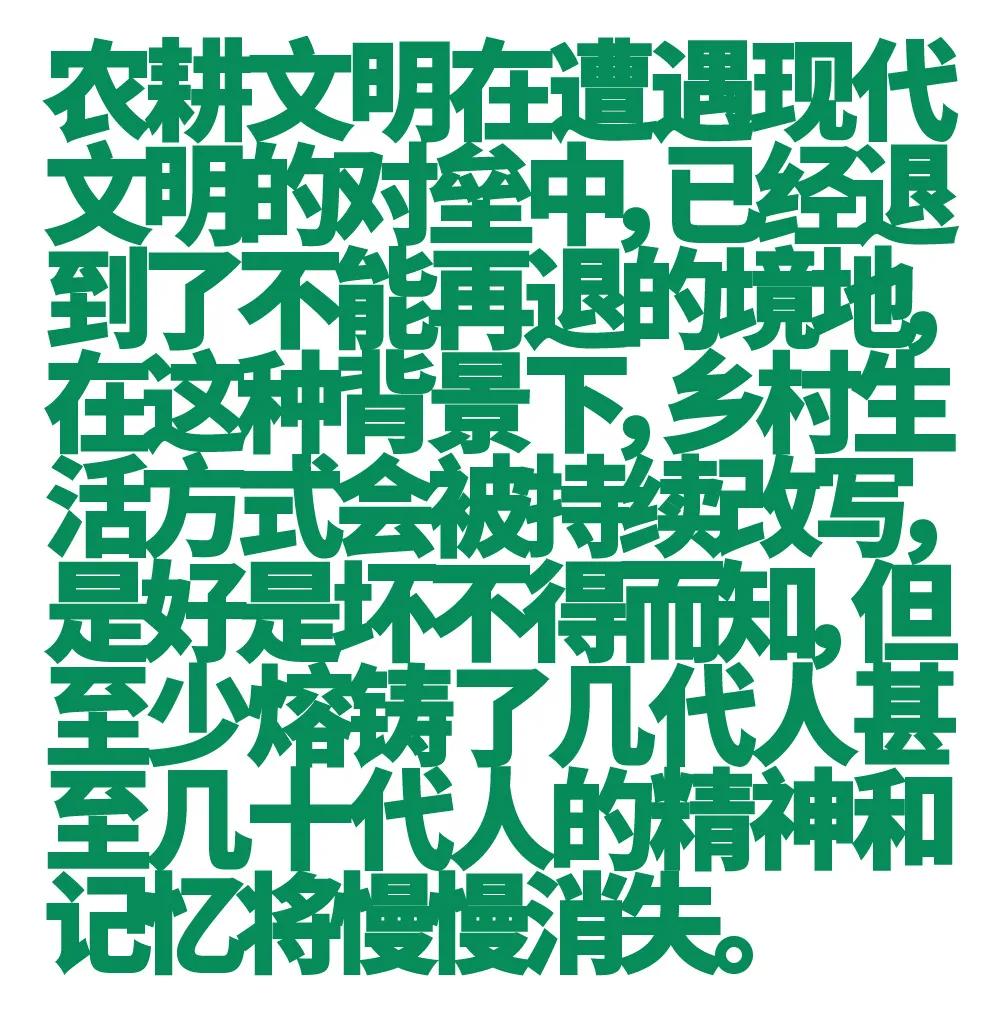
苗族村民们自古食“糯”。仔细观察,会发现梯田里已经收割的痕迹与稻草根柱基本都是籼米品种为主,香禾糯[2]的种植已经很少,目测不及总量的百分之十。村舍周围的禾仓也都基本荒废,少量已收割的香禾糯转移挂在住户的门檐下晾晒。原生种植与生计在月亮山腹地深处都已如此改变,可见
[2]“香禾糯”是贵州苗族侗族农民对所有糯稻品种的统称,是利用当地特殊水土资源和气候环境栽培选育,千百年来传承至今。“香禾糯”特色水稻品系完全采用稻鸭鱼共生模式等自然农法和天然有机农业耕作方式栽培,耕作香禾糯不仅是一种生产活动方式,也体现了当地农民的生存智慧,造就了极具在地特色的原始农耕文明。
The dynamic process of humanizing in nature is constantly molded by the encounter with modern civilization.
It should be the harvest season of rice from September to October in southeast Guizhou, but over the past month of this year, an unbroken spell of rain has caused waterlogging in many terraced fields. This results in serious lodging of rice, and some newly sprouted ears of rice have even become moldy. 2020 is indeed a year of disastrous.
Glutinous rice had been the main staple of the Miao villagers over ancient times. However, after careful observation in the field, the tracing of harvesting and straw root columns indicated that there were mainly indica rice varieties, and more than that, the planting of Xianghenuo (Kam Sweet Rice) [2] was very few, less than approximately 10% of the total amount by observation. When we walked through the village, the barn, where supposed to store and dry Xianghenuo around the cottages, were basically abandoned, only a small amount of harvested glutinous were hanging in the residents under the eaves of the door while drying. The original cultivation and livelihood deep inside the Moon Mountains have been drastically changed, which evidently implies the agricultural civilization is gradually collapsing in the collision with the modern civilization. In this case, the rural life will continue to be rewritten, it is hard define whether it is better or worse, but inevitably, the spirit and memory forged for generations and even decades will slowly fade away.
[2] Xianghenuo is the general name of all glutinous rice varieties for Miao and Dong farmers in Guizhou province. It is cultivated and bred by using local water, soil resources and climate environment, and has been inherited for thousands of years. The outstanding characteristic of "Xianghenuo" is the natured farming method: rice-duck-fish symbiosis system and the organic farming technique. Cultivation of Xianghenuo is not only a mode of production activity, but also reflects the survival wisdom of local farmers, composing a primitive farming civilization with local characteristics.
农造, 源于自然从物质走向精神途中的记忆。是在对现代化冲击下的后农耕文明的再思考,试图探索出一条突破人造环境直通自然的生命进路。
农造田野, 是对本土知识和民间智慧的探询,也是审视自己在宇宙中的位置,以及生命该如何安放。
Nongzao,the memory of nature's journey from material to spiritual. It is a rethinking of the post-agricultural civilization under the impact of modernization and an attempt to find a way of life that breaks through the artificial environment, directly leadding to nature.
Nongzao On-Site, is a search for local knowledge and folk wisdom, as well as an examination of one's place in the universe and how life should be placed.
农造田野考察团队:许刚,李泉
文:许刚
摄影:李泉, 许刚
编译:谭雅图
FIELD STUDY : GANG XU, SAM
SITE-WRITING by GANG XU
PHOTOGRAPH by SAM, GANG XU
EDITED & TRANSLATED by TULLA TAN