
有人曾总结朋友圈有“三宝”:
点赞、
代购、
晒宝宝。
从晒才艺、晒游玩,到晒成绩、晒荣誉……不得不说,如今有小孩的家长们或多或少都曾在朋友圈里“晒娃”,没娃的网友也发出过类似感叹:“朋友圈好像要被小朋友给霸屏了。”

适当的记录与分享往往有益无害,但倘若不加节制地“花式晒娃”,是否有可能无形中将压力转嫁给了孩子?
近日,来自上海市中医药大学附属闵行蔷薇小学的11岁女孩章楚依就提交了一份有关加强家长微信朋友圈健康“晒娃”的家庭教育建议。通过在少先队活动课上开展的调查,她发现近八成同学的父母曾经将孩子晒在微信朋友圈中;这些同学中,有六成认为爸妈这么做应当首先征得自己同意;七成同学认为,有些学霸父母的朋友圈令人焦虑,自己的父母看到别人家的孩子很出色的时候,便会转而对自己的孩子施压。
It's common to see people post comments, pictures or video clips on their social media accounts. In China, the Moments feature on WeChat, the country's most popular instant messaging app, is seeing more netizens share their children's daily lives or schoolwork, which has raised issues among the youth and triggered discussions online.
An 11-year-old elementary school student in Shanghai surnamed Zhang discovered that almost 80 percent of parents have shared photos or videos of their kids on WeChat Moments, according to her in-class questionnaire, a local news outlet reported in May. And more than half of her classmates believed that parents should ask for their permission before posting details of their school life and daily routines. About 70 percent of them noted that their parents tend to compare posts related school assignments and academic records without noticing the pressure placed on the children.
With that in mind, Zhang proposed healthy ways for parents to post content featuring their kids, which has been among the trending topics on China's Twitter-like Weibo this week.
孩子的心声
家长一个不经意的动作,
都可能会引起一连串“蝴蝶效应”
在当地媒体的采访中,章楚依举例说,“我妈妈前天晚上才把我做的作业晒出去,然后就有同学来跟我反馈,说他们的妈妈看了我妈妈晒出去的照片,就要求他们写字写得也要端正。”还有的家长热衷于分享孩子的假期生活细节,章楚依的同学就在采访中表示,希望家长能够征得自己同意之后,再公开这些信息。
章楚依在她的提案中呼吁,希望能家长多多聆听孩子们的心声,重视孩子们的内心想法,也要尊重他们的隐私权。
Although parents may not see one or two posts about their children as a big deal, it may cause a chain reaction of feedback among the kids themselves. For instance, Zhang's mother once shared photos of her homework on WeChat Moments. Her classmates came to her the next day complaining that their parents, who saw the post online, asked them to write as proper as Zhang.
One of Zhang's classmates mentioned that his mother would constantly post photos of him during the holidays, but he wished that she had consulted with him before hastily sharing every detail of his life.
Zhang's proposal calls on parents to listen to their children, get to know more about their true feelings and respect their right to privacy.
家长的看法
是爱意的表达还是攀比“别人家的孩子”?

有家长认为“晒娃”只是为了以后他们长大了有回忆,记录下那些搞笑甚至出糗的瞬间,都是对他们爱意的表达。
From the parents' perspective, however, the posts are just a way to record different stages in their children's lives and an expression of love, while keeping good memories.

有的认为过度“晒娃”会不招人喜欢,并给出了合理建议:
Others believed that oversharing on social media platforms would bore people, and suggested that parents take a different approach, such as limiting their posts or restricting privacy settings instead of sharing with all of their followers.
不少网友则觉得应该尊重孩子意愿。每个人都是独立的个体,孩子的独立意识需要保护。
Some netizens stressed that children's sense of independence and privacy need to be protected.


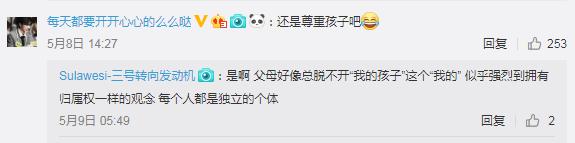
在评论中,有家长明确表明不会在网上“晒娃”;还有不少网友一针见血地指出问题的关键,引发了共鸣。




对此,专家们又有何建议呢?
Shen Yifei, director of the Research Center for Family Development at Fudan University, said it's important to listen to children more often, in an interview with local media. She pointed out that the pressure from comparing children's academic achievements won't really produce a positive effect in terms of a happy and healthy environment for kids to grow up.
Experts on information safety also warned of the potential risks of privacy leaks for those who upload photos and information of children online.
想想自己
是否也曾沉迷于点赞与被赞?
关注朋友圈,分享不同的人生体验早已悄然成为很多人生活当中不可缺少的一部分。不止“晒娃”,人们在社交媒体上晒出吃喝玩乐的生活点滴,既是记录,也是分享,为何如今却开始引起争议?
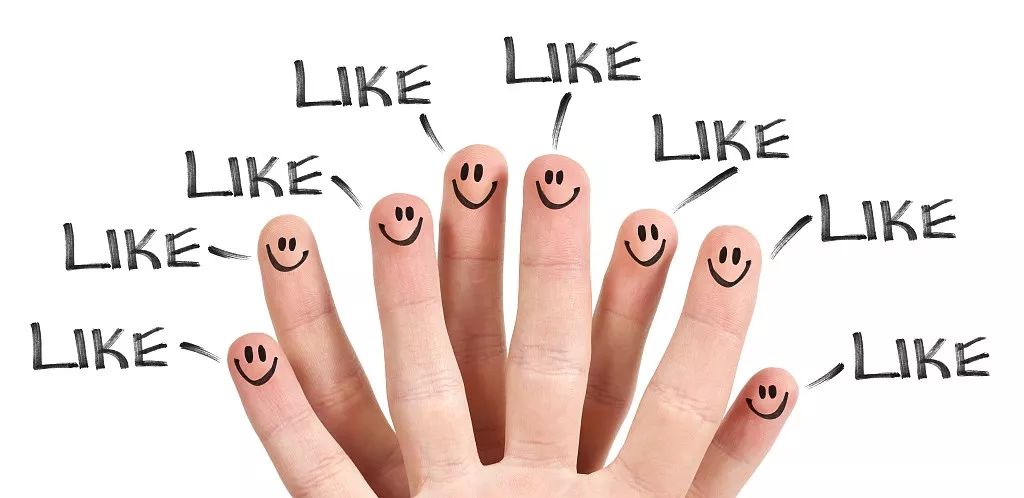
在社交媒体上获得一个“赞”是什么感觉?加州大学洛杉矶分校(UCLA)曾在2016年发布了一则研究成果,指出青少年看到自己照片在社交平台上得到点赞时,脑部的活跃程度竟然和吃巧克力或打赌赢钱时产生的反应类似。无论这一说法如今是否仍被科学论证所认可,那种被他人认可所带来的满足感与愉悦体验对很多人来说都并不陌生。
从关心自己是不是受欢迎,到关心自己孩子是不是受欢迎,对于为人父母的这一代群体来说,也许增添了一份新的焦虑。正如澎湃新闻在《半月谈评论:尊重和保护孩子,才是晒娃的正确打开方式》中所说,“该把晒娃当成一门学问”。在“晒娃”这件事上,家长们被赋予一定自主权的时候,也同时承担了更多的责任。
What's so amazing about getting "likes" or "thumbs-up" on social media platforms? A 2016 study at UCLA compared teenagers' brain circuits when receiving a lot of "likes" on their social networks to the feeling of eating chocolate or winning money. This may explain the feeling of pleasure and satisfaction derived from the approval and affirmation received online.
As The Paper mentioned in its latest commentary article on Friday, parents should refine their habit of posting photos and videos of their children online, and accept the responsibility that comes along with the freedom to share their children's lives on social media.
Whether you're a parent or not, let's pause before sharing another post on your WeChat Moments. Is it truly about expressing a deep love of your children, or simply another popularity contest to see how many "likes" you can get?
(部分文字综合自央视财经、新华社、澎湃等)