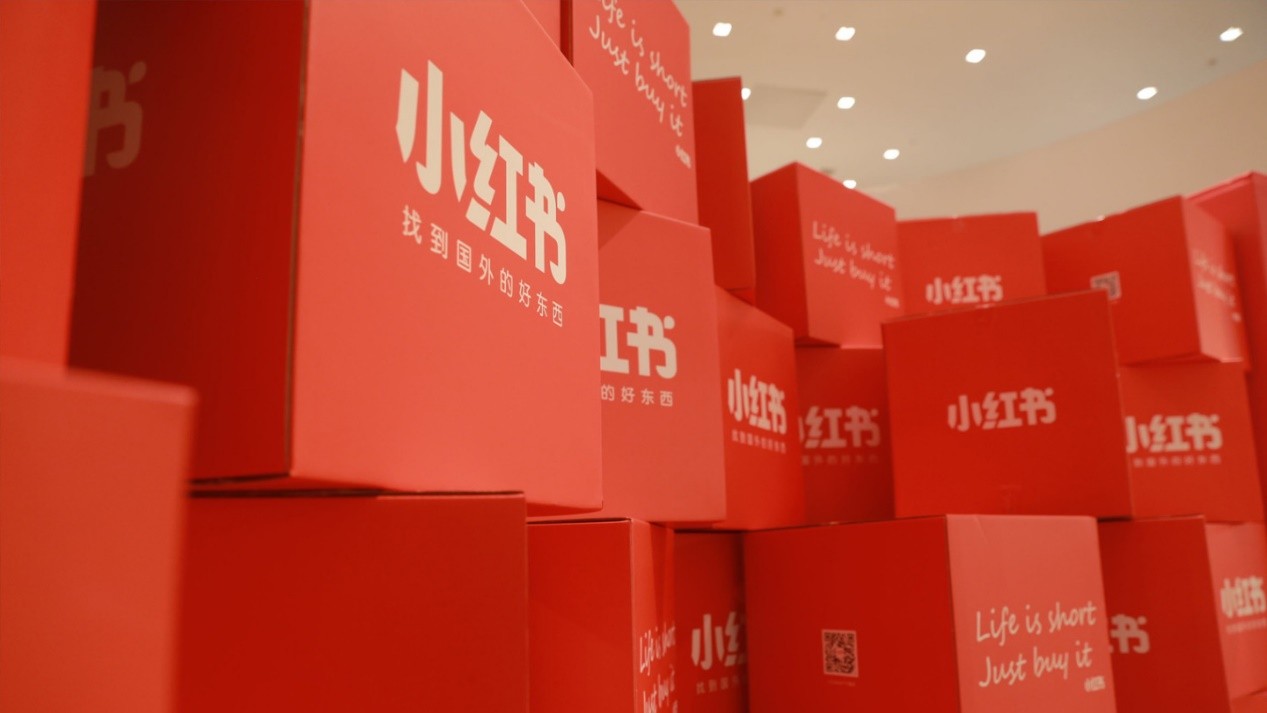
Xiaohongshu: Young Chinese women’s “lifestyle bible”
全文由lanMT引擎翻译,欢迎使用与指正
文章来源:20230410Rest of World报道
Founded in 2013 as a Hong Kong-specific guide for wealthy, mostly female travelers looking for shopping recommendations, Xiaohongshu has since expanded into a platform with 200 million monthly active users, who use the app to share tips on everything from dieting to dating to language learning. Information has become so abundant and diverse on Xiaohongshu that many users — young, affluent, urban, and predominantly female — use it as their primary search engine. In a statement to Rest of World, the company described itself as a “lifestyle bible.”
小红书创立于2013年,是为寻找购物建议的富有的、主要是女性的旅行者提供的香港特定指南,此后,这一软件已发展成为一个月活跃用户2亿的平台,他们使用该应用程序分享从减肥到约会再到语言学习的方方面面的小窍门。在小红书上,信息变得如此丰富和多样,以至于许多用户——年轻的、富裕的、都市的和以女性为主——都将它作为他们的主要搜索引擎。在对《世界其他地区》的声明中,该公司将自己描述为“生活方式圣经”。
For urban Chinese youth today, Xiaohongshu has become the go-to guide on how to live better by buying more. Its fans describe Xiaohongshu as a women-friendly community with shared aspirations, while critics have called it a consumerist trap that suffocates the young generation with unrealistic expectations.
对于今天的中国都市青年来说,小红书已经成为如何通过购买更多东西来改善生活的首选指南。小红书的粉丝将小红书形容为一个有共同愿望的女性友好社区,而批评家则称之为一个消费主义陷阱,让年轻一代在不切实际的期望下窒息而死。
“Xiaohongshu is a platform that completely embraces consumerist culture,” Jia Guo, a PhD candidate at the University of Sydney who has studied Xiaohongshu influencers, told Rest of World. “It demonstrates users’ aspiration for a polished, bougie, middle-class way of life.”
悉尼大学研究小红书影响者的博士生贾果告诉《世界其他地区》,“小红书是一个完全拥抱消费主义文化的平台。它展示了用户对润色过的、有弹性的、中产阶级生活方式的渴望。”
The app’s allure lies in its “grass-planting” power, slang for the effect that makes someone want to buy a certain product. Users are able to discover products reviewed by their peers, which are used in their makeup routines, their outfits of the day, and travel blogs — more desirable than those promoted by explicit advertising. ByteDance has launched the Xiaohongshu-like app Lemon8 overseas, attempting to replicate the grass-planting effect in countries like Japan, the U.S., and the U.K.
该应用程序的诱惑力在于其“种草”的力量,俚语是“使人想买某种产品”的效果。用户能够发现同龄人评论的产品,这些产品被用于他们的化妆程序、日常服装和旅游博客——比那些通过明确的广告宣传的产品更受欢迎。字节跳动在海外推出小红书类似的APP“柠檬8”,试图在日本、美国、英国等国家复制种草效果。

Chinese people consider Xiaohongshu to be jingzhi, or polished. The app entices users by presenting an idealized urban lifestyle — filled with elaborate skincare routines, weekend brunches, and overseas vacations — that remains out of reach for many.
中国人认为小红书是精致的,或者说是润色过的。该应用程序通过呈现一种理想化的城市生活方式来吸引用户,这种生活方式饱含精致的护肤品、周末早午餐和海外度假,但许多人仍然无法接触到。
Xiaohongshu influencer Anna Chen, a 22-year-old mainland Chinese college student in Hong Kong, has amassed more than 50,000 followers by posting about handbags, an omakase dinner, and her experience attending summer school at the prestigious Peking University. She collaborates with brands, such as an eyeglasses shop and a pharmacy, by posting photos of herself with their products, and always knows which camera angle makes her legs look long and her face look small. “People on Xiaohongshu want to see a polished and self-disciplined way of life,” she told Rest of World.
小红书网红Anna Chen22岁,是在香港的中国大陆大学生,她通过发布手提包、晚餐和她在著名的北京大学暑期学校的经历,积累了超过5万的粉丝。她与眼镜店、药店等品牌合作,将自己的照片和产品一同发布,并始终知道哪种拍摄角度会让她的腿看起来长,脸看起来小。“小红书上的人们希望看到一种光明、自律的生活方式,”她对《世界其他地方》说。
The platform’s expanding user base has also allowed for communities to form around interests other than just shopping. “At first, Xiaohongshu was about showing off a privileged life, and making everyone else want that,” Luo Kai, co-founder of Shanghai-based influencer agency Tomatogo, told Rest of World. “As more creators join, they are bringing new hobbies and styles to the app.”
该平台不断扩大的用户群也使社区能够围绕着购物以外的事物形成兴趣。“起初,小红书是要炫耀自己的特权生活,让所有人都想要这种生活,”上海网红机构Tomatogo的联合创始人罗凯对《世界其他地区》说。“随着越来越多的创作者加入,他们为APP带来了新的爱好和风格。”