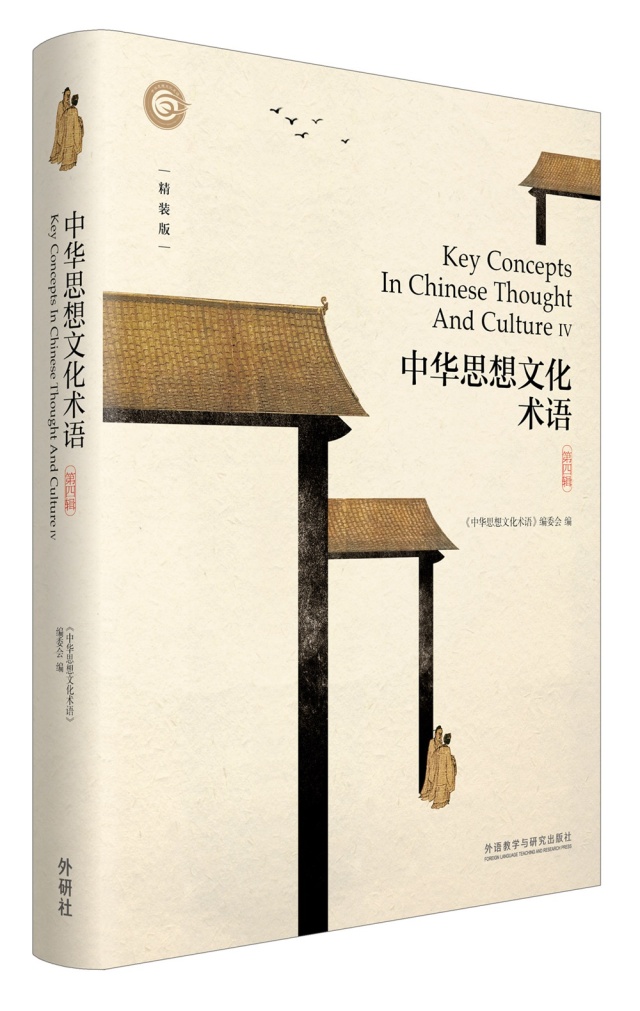
昨天阿研和一个美国朋友汤姆哥谈起诗歌,他说他最喜欢拜伦的So we’ll go no more a-roving,并当场给我朗诵了一遍:
So we’ll go no more a-roving,
So late into the night,
Though the heart be still as loving,
And the moon be still as bright.
For the sword outwears its sheath,
And the soul wears out the breast,
And the heart must pause to breathe,
And Love itself have rest.
Though the night was made for loving,
And the day returns too soon,
Yet we’ll go no more a-roving,
By the light of the moon.
这首诗被《泰晤士报》评为30首每个人都应该知道的诗歌之一(30 great poems everyone should know),阿研最喜欢查良铮先生的译文版:
好吧,我们不再一起漫游,
消磨这幽深的夜晚,
尽管这颗心仍旧迷恋,
尽管月光还那么灿烂。
因为利剑能够磨破剑鞘,
灵魂也把胸膛磨得够受,
这颗心呵,它得停下来呼吸,
爱情也得有歇息的时候。
虽然夜晚为爱情而降临,
很快的,很快又是白昼,
但是在这月光的世界,
我们已不再一起漫游。
这番“表白”之后,汤姆哥又滔滔不绝的讲起了西方诗歌的流派,什么浪漫主义、表现主义、超现实主义,隐逸派、后运动派、集*派团**甚至火星派、黑山派……恩,阿研有些孤陋寡闻,感觉自己是火星人……

但阿研不甘示弱,表示我们中国古代诗词海纳百川、博大精深、流派众多,乐府诗、边塞诗、山水诗、田园诗、玄言诗、咏史诗……应有尽有。哥,你想听哪种?
汤姆哥一脸懵逼,这都是啥?
呵呵,就等你问这一句。用英文讲中国故事,是阿研的老本行啊!且听阿研慢慢道来,大家可以一起来学习一下!
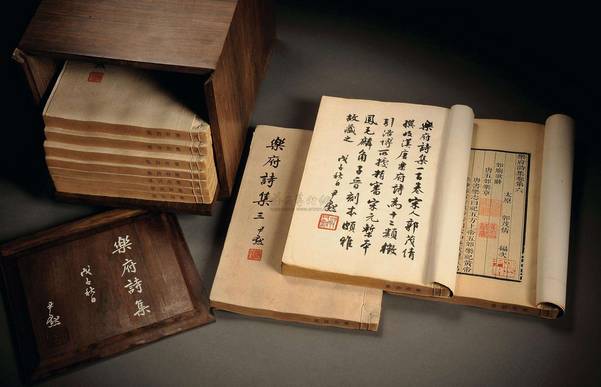
乐府诗(Yuefu Poetry)
“乐府”本是秦以后由朝廷设立的用来训练乐工、采集民歌并配器作曲的专门官署,后转指由乐府机关所采集、配乐并由乐工演唱的民歌。
Originally, yuefu was a government office set up by the imperial court to train musicians, collect folk songs and ballads, compose music, and match musical instruments to it. It later came to refer to folk songs and ballads collected, matched with music, and played by court musicians.
乐府诗是继《诗经》之后古代民歌的一次创造,是与“诗经”“楚辞”并列的诗歌形态。
Poems of this style represented a new creation of ancient folk songs and ballads in the years after The Book of Songs was compiled, and equaled The Book of Songs and Odes of Chu in importance.
至今保存的汉乐府民歌有五六十首,大都真实反映了当时社会生活的各个方面,表现出纯真质朴的思想感情,并由此形成反映普通民众声音与情感的文学创作传统。其中最有特色与成就的是描写女*生活性**的作品。
About 50 to 60 yuefu poems have been handed down to this day. They truthfully depicted various aspects of society at the time and revealed genuine emotions, thus creating a literary tradition reflecting ordinary people’s sentiments. In particular, yuefu poems were noted for their vivid depiction of women’s life.
汉代以后将可以入乐的诗歌及仿乐府古题而写的诗歌统称为乐府。
All poems that could be hanted or were written with yuefu themes were collectively called yuefu poems in later times.
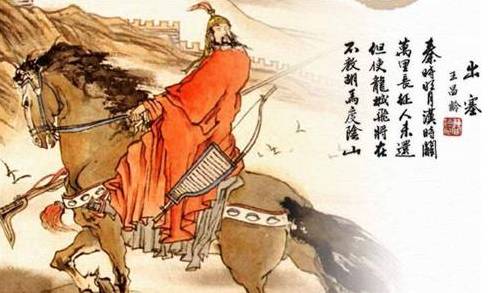
边塞诗(Frontier Poetry)
一种以塞外风光、边境战事及戍边生活为主要创作题材的诗歌流派。
Poems of this kind depicted frontier scenery as well as fighting along the northern border area and the life of soldiers garrisoned there.
其作品或描绘奇异鲜明的塞外风光,或反映惨烈的战争场景与艰苦的戍边生活,有些则重点刻画戍边将士们的离别、思乡、报国之情或其配偶之闺怨及对前方亲人的思念等。
These poems described the scenic splendor north of the Great Wall, fierce war scenes, or hardships endured by frontier guards. Some of the works were about soldiers’ agony caused by long separation from families and about their homesickness, but many such poems also extolled their patriotism. Some of the works voiced the longing for reunion of women left at home when husbands and sons went to the frontier.
边塞诗往往反映作者对战争的深切感受和思考,表现出个体生命价值与时代精神之间的一种张力。
Frontier poems showed the poets’ attitude towards and reflections on war, highlighting the tension between valuing individual lives and the need to respond to call to duty.
边塞诗以唐代为主,之后虽也有边塞之作,但规模与气象远不能与唐代相比。
The most compelling frontier poems were written in the Tang Dynasty. Frontier poems of later generations could not rival the powerful expression of Tang frontier poems.
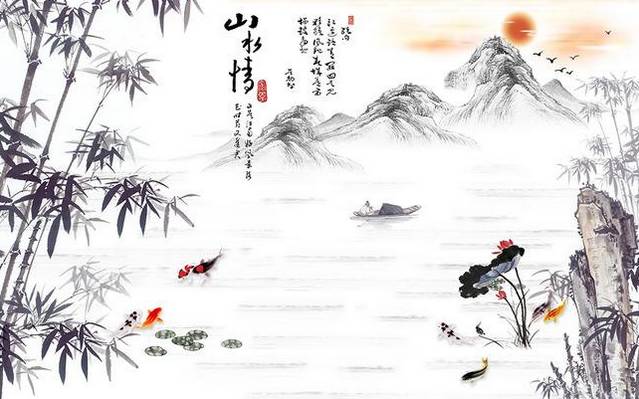
山水诗(Landscape Poetry)
一种以描写山水名胜为主要题材的诗歌流派。主要摹写自然山川的秀美壮丽并借以抒发闲情逸致,特点是写景状物逼真细致,语言表达富丽清新。
Landscape poetry, as the name suggests, describes the beauty and charm of natural scenery, and landscape poets express their emotions through extolling the enchanting scenery. Landscape poetry is characterized by vivid description of sights with rich and refreshing language.
东晋时期,南渡的士大夫在自然山水中寻求精神抚慰和解脱,激发了山水诗创作的灵感。
During the Eastern Jin Dynasty, scholars who had fled war-torn homes in the north sought solace and escape in nature in the south, and this found expression in poetic description of mountain and river scenes.
其开创者是晋末宋初的大诗人谢灵运,他把自然美景引入诗歌创作,将诗歌从枯燥乏味的玄理中解放出来,后经谢朓(tiǎo)、何逊、阴铿等人的创作实践而逐步成为诗歌史上的一个重要诗派。
Xie Lingyun, a great poet of the late Eastern Jin and early Song Dynasty of the Southern Dynasties, created this poetic style. He introduced the depiction of natural beauty into poetry writing, freeing poetry from bland and insipid moral preaching. Further developed by Xie Tiao, He Xun, Yin Keng, and others, landscape poetry became an important literary school.
到唐代特别是盛唐时期,山水诗的创作更是蔚为大观,涌现出王维、孟浩然等著名山水诗人,中唐时期的刘长卿、韦应物、柳宗元等人的创作也有特色。
It gained prominence in the Tang Dynasty, especially in the prime of Tang, during which such landscape poets like Wang Wei and Meng Haoran distinguished themselves. Mid-Tang poets including Liu Changqing, Wei Yingwu, and Liu Zongyuan also became famous for writing landscape poems.
山水诗开启了新的诗歌风貌,标志着一种新的审美观念的产生。
This gave rise to a new form of expression in poetry and a new trend of aesthetic appreciation.
田园诗(Idyllic Poetry)
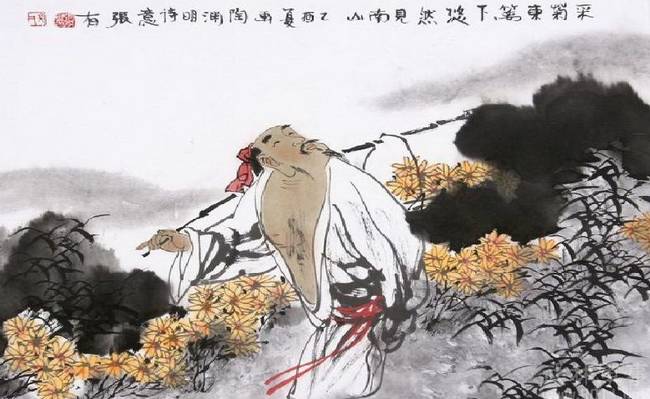
一种以描写田园景色和田园生活为主要题材的诗歌流派。由东晋诗人陶渊明开创。
A genre created by Tao Yuanming of the Eastern Jin Dynasty, idyllic poetry depicts rural life and scenery. Taking country life as his favored theme, Tao Yuanming used plain language to portray rural scenes.
陶渊明的诗大部分取材于田园生活,语言质朴,画面平淡,但清新自然,意境深远,韵味醇厚。
His poems were unpretentious, refreshing, and natural, thus creating a far-reaching aesthetic conception and a lasting charm.
田园诗为中国古典诗歌开辟了一个新的境界,影响了六朝之后的诗歌发展。
Idyllic poetry represented a new stage in classical Chinese poetry and shaped poetic development in the Six Dynasties period and beyond.
玄言诗(Metaphysical Poetry)
一种以阐发老、庄、佛教和《周易》哲理为主要内容的诗歌流派,起于西晋末年而盛行于东晋,其主要特点是以玄理入诗,代表诗人有孙绰、许询、庾亮、桓温等。
This term refers to a poetic style that chiefly explicated Laozi, Zhuangzi, Buddhism, and The Book of Changes. Metaphysical poetry emerged at the end of the Western Jin Dynasty and flourished during the subsequent Eastern Jin Dynasty. Represented by Sun Chuo, Xu Xun, Yu Liang, and Huan Wen, this genre featured the expounding of abstruse and metaphysical thinking in poetry.
魏晋时期社会动荡,士大夫专心老庄与佛学,贵玄理,尚清谈,以此全身远祸。
During the turbulent years of the Wei and Jin dynasties, scholars stayed away from politics and focused on the study of Laozi, Zhuangzi, and Buddhism to explore abstruse and philosophical ideas unrelated to current social developments.
到西晋后期,玄谈之风逐步影响到诗歌创作,形成玄言诗,后玄言诗与山水诗相融合。
By the end of the Western Jin Dynasty, this rarefied discourse found its way into writing, creating the metaphysical style of poetry, which later merged with landscape poetry.
咏史诗(Poetry on History)
以历史事件或历史人物等作为创作题材并借以抒写诗人情志、感悟的诗歌。史实、史识与史情紧密结合是其主要特点。
Poetry on history refers to poems written to convey a poet’s sentiments by reflecting on historical events or historical figures. A poem on history touched on historical events and expressed the poet’s historical insight as well as his emotional attachment to history.
咏史诗多以“述古”“怀古”“览古”“感古”“古兴”“读史”“咏史”等为题,也有直接以被描写的历史人物、历史事件为标题的。
Such poems recounted, relived, revived, interpreted, or chanted about history. Some poets used historical figures or events as titles for such poems.
说完了诗歌,我又给汤姆哥介绍了宋词的两大流派——豪放派和婉约派。听完之后,汤姆哥表示豪放派更是他的菜。
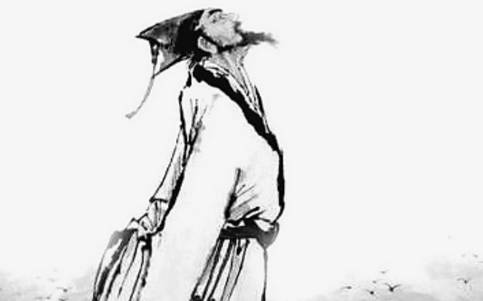
豪放派(Haofang School / Bold and Unconstrained School)
宋词两大流派之一。内容多写家国大事、人生情怀,其特点是境界壮阔宏大,气象豪迈雄放,常常运用诗文创作手法及典故,而且不拘音律。
This is one of the two ci (词) lyric schools of the Song Dynasty, which mainly dealt with major affairs of the nation and expresses noble aspirations. It featured broad vision and bold expression, often employing the methods of prose poetry and uninhibited by metric stereotypes.
最先用“豪放”评词的是苏轼,南宋人已明确将苏轼、辛弃疾作为豪放词的代表。
The first poet who used the term “bold and unconstrained” was Su Shi who, together with Xin Qiji, was widely acclaimed by Southern Song critics as the leading poets of this school.
北宋范仲淹《渔家傲》词开豪放之先,经苏轼大力创作“壮词”而成一派词风。
Northern Song writer Fan Zhongyan created this school with his ci lyric, A Fisherman’s Song, which grew into a major poetic style thanks mainly to Su Shi’s contribution.
中原沦陷后,南宋政权偏安江南,不以收复失地为意,许多词人报国无望,因而逐渐形成慷慨悲壮的词风,产生了豪放派领袖辛弃疾及陈与义、叶梦得、朱敦儒、张元干、张孝祥、陆游、陈亮、刘过等一大批杰出词人。
After the Central Plains fell to the Jin forces, the Song court fled south of the Yangtze River and was too weak to recover the lost territory. Many ci poets, led by Xin Qiji and supported by other prominent poets such as Chen Yuyi, Ye Mengde, Zhu Dunru, Zhang Yuangan, Zhang Xiaoxiang, Lu You, Chen Liang, and Liu Guo, expressed their longing to return to the north in verses of a stirring style.
他们抒发报国情怀,将个体的命运与家国命运紧密联系在一起,进一步拓宽了词的表现领域,丰富了词的表现手法,大大提升了词在文学史上的地位。
They voiced their patriotic sentiments and identified their own fate with that of the whole nation. They thus enriched ci lyrics’ ways of expression and greatly lifted its status in the history of literature.
豪放派词人虽以豪放为主体风格,却也不乏清秀婉约之作,故不可一概而论。
Although poets of this school wrote in the bold and unconstrained style, they occasionally wrote graceful and subtle ci poems.
有些词作出现议论和用典过多、音律不精或过于散文化,也是毋庸讳言的。
And some of their works contained too many commentaries and allusions, were careless about the use of metric schemes, and read more like prose than poetry.
婉约派(Wanyue School / Graceful and Restrained School)
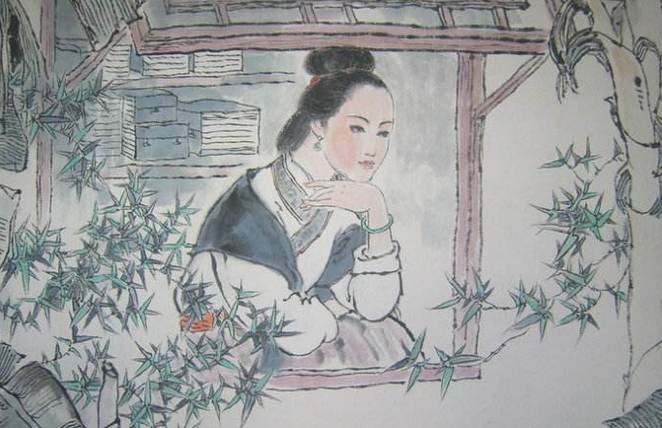
词两大流派之一。内容多写儿女之情、离别之绪,其特点是“专主情致”,表情达意讲究含蓄柔婉、隐约细腻,音律婉转谐和,语言圆润清丽。
As one of the two ci (词) lyric schools of the Song Dynasty, the graceful and restrained school mainly dealt with romantic love or parting sorrow. It featured sentimental and nuanced expression of one’s feelings, graceful and melodious metric patterning, and mellow and subtle use of language.
婉约词出现较早,名家辈出,唐五代有温庭筠、李煜,宋初有欧阳修、晏殊、晏几道、柳永,之后又有秦观、贺铸、周邦彦、李清照,南宋则有姜夔、吴文英、张炎等一大批词人。
Ci lyrics of this school emerged early, and many poets were famed for writing this style of ci, especially Wen Tingyun and Li Yu of the Five Dynasties period, Ouyang Xiu, Yan Shu, Yan Jidao, Liu Yong, Qin Guan, He Zhu, Zhou Bangyan, and Li Qingzhao of the Northern Song Dynasty, as well as Jiang Kui, Wu Wenying, and Zhang Yan of the Southern Song Dynasty.
在一千多年的词学发展中,婉约词风支配词坛,无论是数量还是质量,婉约派都占据主流和正统地位。
The graceful and restrained school occupied a dominant position in terms of both quantity and quality in over one thousand years of poetry’s development.
需要说明的是,婉约派词人也抒写感时伤世之情,只是多将家国之恨、身世之感寓于抒情咏物,别有寄托,故不能一概以柔媚视之。
It should be mentioned that poets of this school also cared deeply about the fate of the nation, but they tended to express their concerns in a personal and sentimental way, often through depicting scenery. Therefore, their poems should not be regarded as lacking of vigor and energy.
汤姆哥表示甘拜下风!
文字内容摘自《中华思想文化术语4》