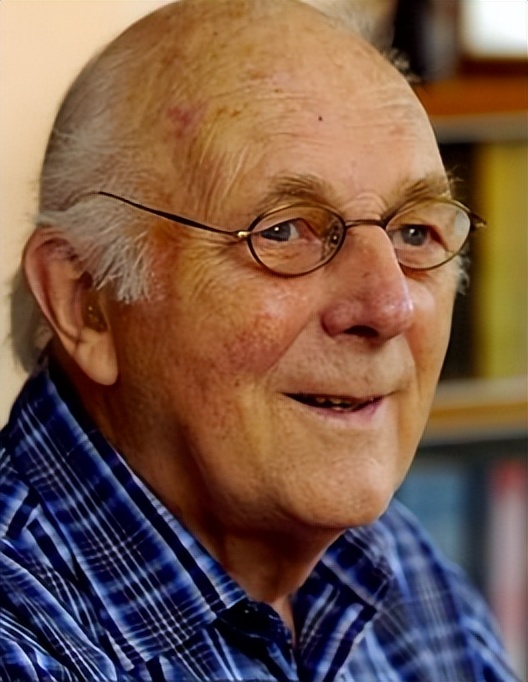
前几天,在文章《颜值高的人不易患新冠?专家:有一定道理》中,我们提到了“新冠超级免疫者”。许多人说这是商业新闻炒作。
我们找到了原文。

原文介绍,这位约翰·霍利斯此前一直在弗吉尼亚的一家媒体工作。2020年,他的室友感染新冠以后,约翰一直以为自己会死,甚至给儿子写了一封遗书。
但是不知怎么回事,他完全没有感染。第二年,乔治·梅森大学的研究人员联系到他,邀请他做研究,发现他果然对新冠免疫。

乔治·梅森大学是美国著名的一级国家级大学,自大流行爆发后,已经在全世界展开了相关研究工作,约翰·霍利斯并不是他们发现的唯一一个对新冠免疫的人。
就像有的人天生对艾滋病毒免疫一样,有的人天生也对新冠免疫,到底是怎么回事?
下面这篇文章能告诉我们答案。说不定,你身边也有这样的“超级免疫者”哦。

Who Are the ‘Never-Coviders’?
谁是“天生不会感染新冠的人”?
The year began as the surge in the Omicron variant in the U.S. was nearing its peak: On Jan. 20, nearly 160,000 Covid patients were hospitalized, the most at any point in the pandemic. On Feb. 2, the seven-day average of new reported deaths peaked at 2,669.
这一年的开始,伴随着奥密克戎变体在美国激增至高峰:1月20日,近16万名新冠肺炎患者住院,是大流行期间住院人数最多的时期。2月2日,新报告的七天平均死亡人数达到2,669人。
surge n.激增,猛增
variant n.变种(varied adj.各种各样的)
near [熟词生义] v.(时间或空间上)接近,靠近
hospitalize v.送入医院疗养(或治疗) (hospital n.医院)
peak [名词动化] v.达到高峰,达到最大值

As the year comes to a close, an expected seasonal increase in Covid cases has begun. The seven-day average of daily deaths is up 65 percent from two weeks ago. With cases of the flu and respiratory(呼吸的) syncytial(合胞体的) virus, or R.S.V., also high, several cities and counties, including New York City and Los Angeles, have advised people to mask up.
随着这年即将结束,预期中的感染病例季节性增长已经开始了。七天平均每日死亡人数比两周前上升了65%。由于流感和呼吸道合胞病毒的病例也很高,包括纽约、洛杉矶在内的多个市县都建议人们戴好口罩。
come to a close 渐近结束
mask up 戴好口罩

But one of the most confounding(困惑惊讶) mysteries of the pandemic remains: Some people have never had Covid, this season or ever.
但大流行病最令人困惑的谜团之一仍然存在:有些人从未感染过病毒,无论是这个季节还是之前。
While many people may have avoided infection through precaution or luck, “never Coviders,” scientists believe, are truly out there: People who are naturally immune and whose genetics could hold clues for treatment.
虽然许多人可能通过预防或运气避免了感染,但科学家认为,“永不感染新冠的人”是真正存在的:这些人天生免疫,关于他们的遗传学研究可以为治疗提供线索。
precaution n.预防措施(pre- +caution)
immune adj.免疫的

Jonathan Wolfe spoke with Times colleague Apoorva Mandavilli about how scientists are trying to find them, and what we might learn.
乔纳森·沃尔夫与《泰晤士报》的同事Apoorva Mandavilli谈论了科学家如何尝试找到这些人,还有可能会从他们那里了解到什么。
Does this really happen?
这真的会发生吗?
It probably is a real thing. There are other viruses for which we know there are people who are naturally resistant. The most striking example I can think of is H.I.V., where there is a mutation that makes some people resistant to getting infected with the virus. That's actually been the key to curing the very few people that have been cured of H.I.V.
这可能是真的。我们知道的其他病毒,有些人天生就对它们有抵抗力。我能想到的例子中最引人注目的是艾滋病病毒,其中有一个突变,使某些人对感染该病毒有抵抗力。这实际上成为了治愈极少数痊愈艾滋病感染者的关键。
striking adj.惊人的(strike + -ing)

What's going on inside people who have never gotten Covid?
从未感染过新冠病毒的人身体里发生了什么?
We don't know for sure.
我们不确定。
One way for the body to be resistant to a virus is through genetic mutations. So, for example, the coronavirus needs what's called an ACE2 receptor( 受体) on a cell in order to latch on to it. If you have a mutation in that particular receptor, then the virus can't get into your cells and can't infect you. But that kind of mutation is likely to be pretty rare.
人体抵抗病毒的方法之一是通过基因突变。所以,例如,冠状病毒需要所谓的
细胞上的ACE2受体才能入侵人体。如果你的这个受体上有突变,病毒就不能入侵你的细胞,也不能感染你。但这种突变可能相当罕见。
genetic mutations 基因突变

Genetics also plays a role in how severely people get sick. Some people have mutations in the innate(先天的) immune system, which is like the first responder part of your immune system and is pretty generic(一般的). More specific reactions, like antibodies(抗体) for a particular virus, appear later in an infection.
遗传学在人们生病的严重程度中也发挥重要作用。有些人的先天免疫系统发生突变,就像你的免疫系统的应急反应,是一般性的。更具体的反应,如特定病毒的抗体,在感染一段时间后才会出现。
We know now that people who have mutations in that first responder system tend to have very severe disease. So the flip side is also likely to be true: Some people may have mutations that prevent them from getting infected at all.
我们现在知道,那些应急系统有突变的人,往往患上非常严重的疾病。所以相反的情况也可能真的存在:有些人可能发生了突变,保护他们免受感染。
flip side 另一方面

Couldn't they just be asymptomatic(无症状的)?
他们会不会只是无症状?
People who are asymptomatic are still infected. The virus is in their bodies, but they have no visible symptoms, or really mild symptoms. That's very different from what we're talking about here — somebody who doesn't get infected at all. But it's been really difficult for researchers to home in on the difference between these two groups, because so many people have been infected by now.
没有症状的人仍然被感染了。病毒在他们的身体里,但他们没有表现出明显的症状,或者症状非常轻微。这与我们想要讨论的——永不感染新冠的人——有极大的不同。但这对研究人员来说真的很难把握这两个群体之间的差异,因为现在已经有太多人被感染了。
home [名词动化] v.到正确的位置

There were a lot of people who thought, “Oh, I'm immune to the virus.” I've even had friends say that to me: “I haven't gotten it yet. Scientists should study me.” Some researchers did begin studying people who had not gotten Covid. But then Omicron came along and infected nearly everyone. Some scientists were very frustrated because they basically had to start over. On the other hand, those people were not “never Coviders” anyway. So the studies may take longer, but they'll be based on people who truly can't get infected.
有很多人认为,“哦,我对病毒免疫。”甚至有朋友对我说:“我还没感染。科学家应该研究我。”一些研究人员确实开始研究那些没有感染新冠的人。但后来奥密克戎出现并感染了几乎所有人。一些科学家非常沮丧,因为他们基本上不得不重新开始。另一方面,这些人无论如何也不是“永远不感染新冠的人”。所以研究可能需要更长的时间,但它们将基于真正无法感染的人展开。
study [熟词生义] v.研究,调查

Some scientists are studying health care workers and caregivers who really should have gotten infected because they had such high exposure, but didn't. The idea is that knowing what causes somebody to not get infected might help us figure out treatments for infection.
一些科学家正在研究没有被感染的卫生保健工作者和护理人员,因为他们高度暴露在危险中,本应被感染。科学家认为,了解什么导致某人没有被感染可能有助于我们找到感染的治疗方法。
caregiver n.护理员
figure out 想出;解决

How many true “never Coviders” are there?
有多少真正的“永不感染新冠的人”?
We don't know because there are so many unknowns. We don't know if all the people who say they haven't gotten it yet really haven't had it, or had it and didn't know. We also don't know if they've just been incredibly careful and so the virus just hasn't had a chance to infect them yet.
我们不知道,因为有太多的未知数。我们不知道,是不是所有说他们还没感染的人都还没感染过,或者他们曾经感染过但自己不知道。我们也不知道他们是否恰好非常小心,所以病毒还没有机会感染他们。
unknown n.不明情况

Also, things got complicated after the vaccines were introduced because the vaccines gave some immunity against infection. But the actual number of people who are totally immune to the virus, for whatever reason, is probably pretty small.
而且,在注射疫苗后,事情变得复杂了,因为疫苗带来了一定的免疫力。但是对病毒完全免疫的实际人数,无论何种原因,可能会很小。
introduce v.实施,推行

What if I've never been infected?
如果我从未被感染怎么办?
If you haven't gotten it yet, that's wonderful and you're lucky, either because you're genetically lucky or because you've managed to dodge(躲开) the virus. But I wouldn't assume that you are naturally resistant and throw all precautions to the wind. The chances you're naturally immune are fairly low. And as Omicron shows, it may be that you just haven't met the right variant yet.
如果你还没有感染,那真是太好了,你很幸运,要么是你的基因很幸运,要么是因为你成功躲开了病毒。但我不认为你天生就有抵抗力,能把所有的预防措施都抛在脑后。你获得自然免疫的机会相当低。正如奥密克戎所示,可能是你还没有遇到合适的病毒变种罢了。
throw to the wind 抛到九霄云外

Your ‘never Covid’ experiences
从未感染过新冠的体验
We asked you how you think you might have avoided Covid so far , and got over 10,000 responses.
我们提出“你认为自己是如何避免感染新冠”的问题后,到目前为止,得到超过10,000个回复。
“I spent the pandemic taking care of a friend with cancer and avoided everyone just to focus on him and make him feel safe. He passed away in February and I started going out again and seeing new people, but I still haven't caught it! Either I am immune or I have a Covid guardian angel (him).”
— Jessica Choe, Brooklyn, N.Y.
“我在疫情期间照顾一个癌症朋友,远离所有人,只围着他转,让他感到安全。他在2月份去世了,我又开始出去见新朋友,但我仍然没有感染!要么我免疫,要么我有一个新冠守护天使(我的朋友)。”
——Jessica Choe,纽约布鲁克林
“Healthy constitution. Rarely got colds or flu even before the pandemic, plus early precautions, masking, vaccines, boosters, working from home and luck. Two and a half years with nary a sniffle, so we've given up our masks, dine indoors, socialize and party regularly now. Probably jinxing(给……带来厄运) myself as I type.”
— Katherine Fife, Davis, Calif.
“体质健康。疫情前很少得感冒和流感,加上早期预防措施,口罩、疫苗、加强剂、在家工作和运气。两年半里都没有流鼻涕,所以我们摘下了口罩,在室内吃饭,定期社交、聚会。或许我正打字的这会儿,病毒悄悄找上了我。”
——凯瑟琳·法夫,加利福尼亚州戴维斯
constitution / ˌkɒnstɪˈtjuːʃ(ə)n / n.体质,体格
booster n.(增强旧药剂效力的)附加剂量,增效剂量

“I think neither my husband nor I have caught Covid mostly due to luck. We don't have kids. We maintain a small, close circle of friends that shared the same views on how best to navigate the pandemic. We also had the benefit of living in Wyoming at the start of the pandemic, a place that isn't densely(稠密地) populated. We've since moved to Okinawa, Japan, and have become embedded(嵌入) in a culture that prioritizes public health and welfare over the individual. Mask-wearing is normal here, making it easier for us to continue the habits that have kept us safe and healthy these past almost three years.”
— Jillian, Okinawa, Japan
“我想我丈夫和我都没有感染,这主要是因为运气好。我们没有孩子。我们有一个小而亲密的朋友圈,在如何最好地应对大流行病方面有着相同的观点。疫情开始时,我们住在怀俄明州,这是一个人口不稠密的地方,这也让我们受益。此后,我们搬到了日本冲绳,并融入了一种将公共卫生和福利置于个人之上的文化。在这里,戴口罩很正常,这让我们更容易继续保持过去三年来使我们安全和健康的习惯。”
——吉利安,日本冲绳
转发这个药神,全家人远离病痛!