中国网红博主李子柒凭借充满诗意的田园生活视频在海外圈粉无数,无数外国人通过她的作品发现了中国传统文化的魅力。
而这两天,一位名叫阿木爷爷 (Grandpa Amu) 的中国爷爷也因为一手独特的“中国绝活”走红国外。
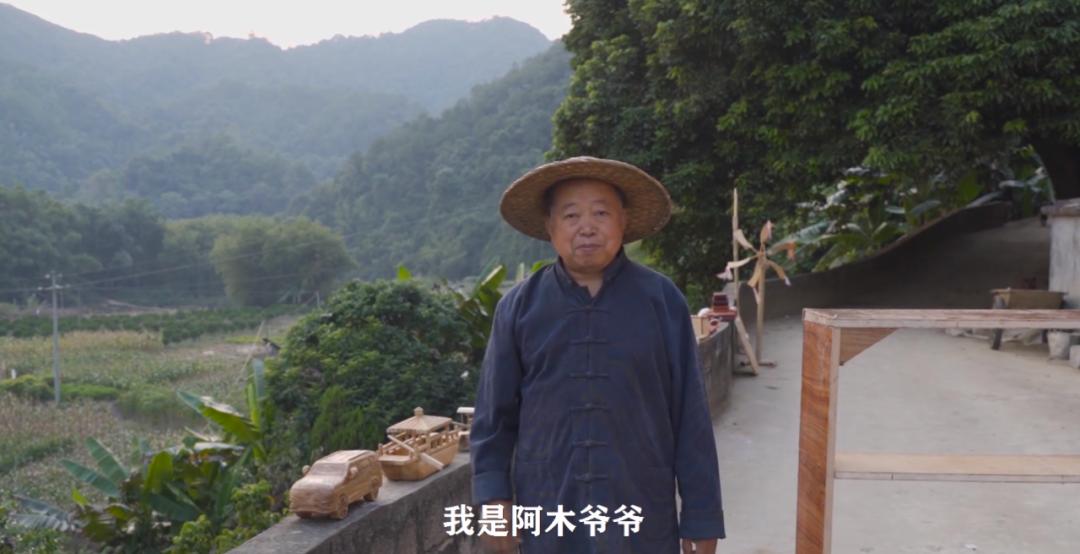
凭借着精湛的木工技术,阿木爷爷在国外广受关注和好评,目前在海外视频平台Youtube上已经圈粉118万,视频*放播**总量超过2亿。
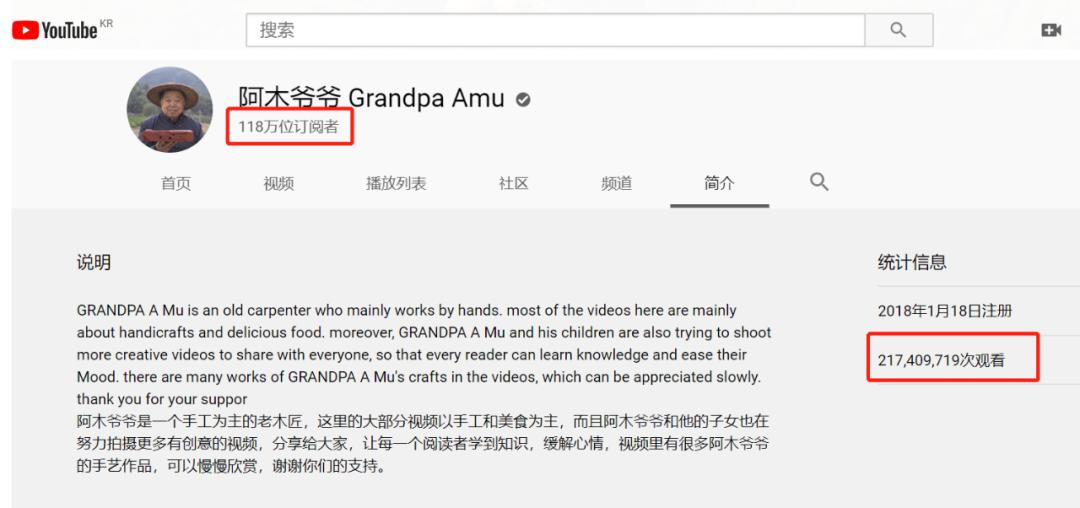
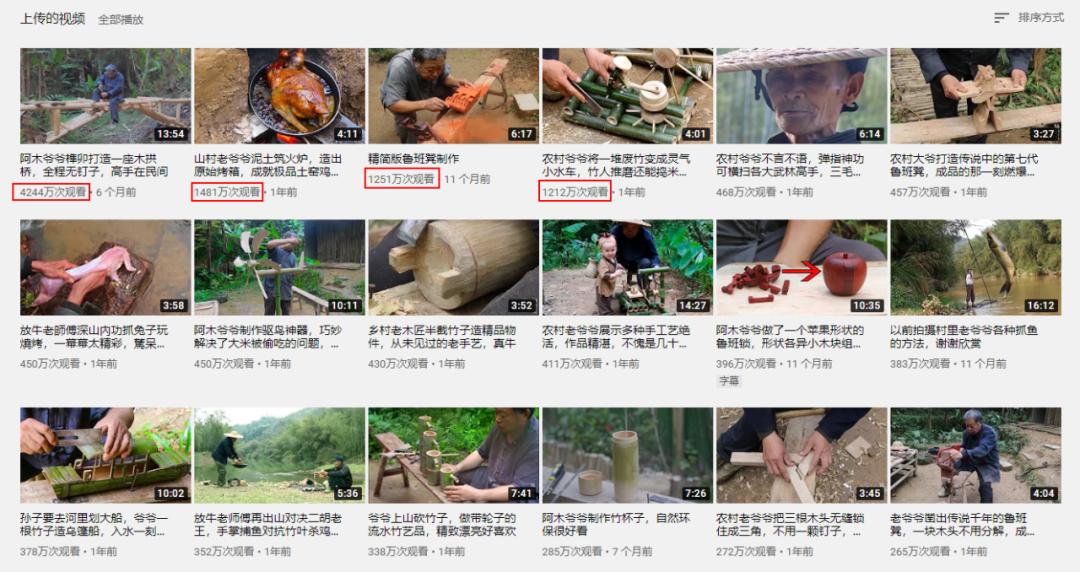
在视频中,他分享了自己使用中国传统榫卯技术制作木拱桥、鲁班凳的过程,还有各种乡村美食,不少视频的*放播**量都超过百万次,甚至还有千万次级别*放播**量的视频——
爷爷的神技能震惊了各国网友,自然也引起了媒体的关注,《南华早报》(South China Morning Post) 就对这位“当代鲁班”进行了一波详细围观——
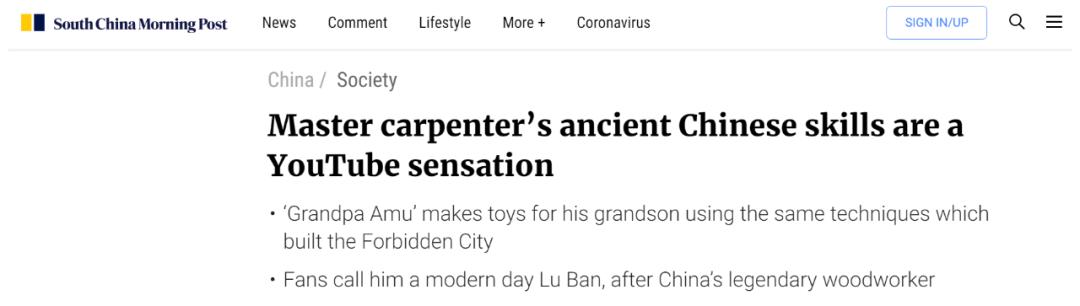
来看看《南华早报》对于阿木爷爷相关报道吧——
A 62-year-old Chinese man’s traditional carpentry skills are delighting tens of millions of viewers on the internet as he creates intricate toys for his toddler grandson out of nothing more than a single piece of wood, without glue, screws or nails.
没钉一颗螺钉,也没上一滴胶水,一位62岁的中国老人就用一块木板为他蹒跚学步的孙子做出了复杂精致的玩具。这位老人传统的木匠手艺愉悦了网上数千万观众。
Wang Dewen, known as Grandpa Amu on YouTube, has been dubbed a modern day Lu Ban – the legendary woodworker credited in China with the invention of the saw and other tools, who today is regarded as the god of builders.
“油管”上人称“阿木爷爷”的王德文被称为现代鲁班——鲁班是中国享有盛誉的传奇木匠,发明了锯子和其他工具,如今被视为建筑鼻祖。
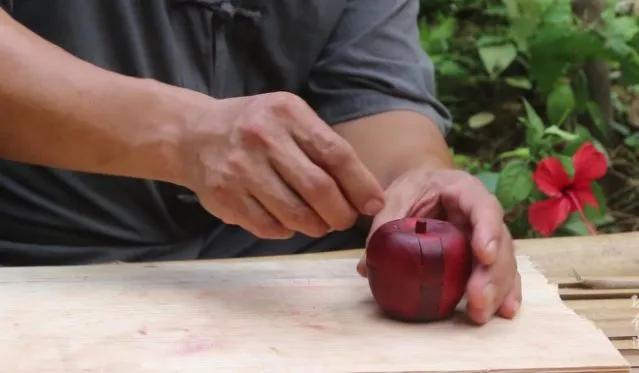
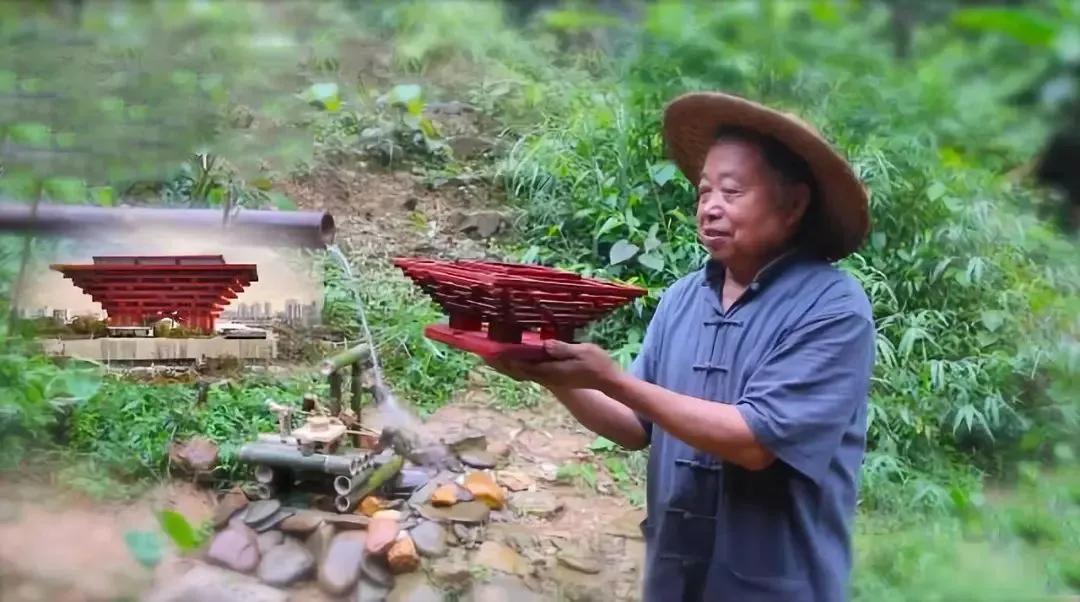
Wang’s most popular works include a sophisticated folding stool, a model of the China pavilion from the 2010 Shanghai Expo, and an apple-shaped interlocking puzzle, in the style known to enthusiasts around the world as a Lu Ban lock. His young grandson’s favourites are a walking Peppa Pig and a bubble blowing machine.
王德文最受欢迎的作品包括精巧的折叠凳、2010年上海世博会中国馆的模型和苹果形状的联锁玩具——这种样式的玩具就是世界各地的爱好者熟知的“鲁班锁”。他小孙子最喜欢的是会走路的小猪佩奇和泡泡机。
“Some of them I invented on my own, and some I learned online,” Wang said.
王德文说:“有些是我自己发明的,有些是我从网上学的。”
His extraordinary woodworking skills – using the same mortise-and-tenon joints found in the Forbidden City – were developed from the age of nine as a means of supporting his family in the eastern province of Shandong. Wang’s first piece was a cooking pot cover he made for his mother soon after his father died.
他这非凡的木工手艺就是紫禁城建筑所用的榫卯工艺。老家在中国东部的山东省,他9岁就开始学木工以养家糊口。他的第一件作品是为母亲做的锅盖,当时他父亲去世不久。
“We lived a hard life. There were four kids and my mother simply did not have enough food for us,” he said.
“我们的日子过着挺艰难。家里有4个孩子,而我妈根本没有足够吃的养活一家子。”
One day, the sweet potatoes Wang’s mother was steaming did not cook all the way through because the lid on the pot was cracked.
一天,王德文的母亲要蒸红薯,因为锅盖破了,红薯蒸不透。
“We didn’t have money for a new one, so I asked a relative who was a carpenter how to make one, and he taught me. With my new cover, we had fully cooked sweet potatoes. I was so happy.”
“我们没钱买新的,于是我就请一位木匠亲戚教我做一个,他真的教了我。我做的新锅盖挺好使,红薯都蒸透了。我高兴极了。”
Wang then started learning carpentry from the relative and doing odd jobs for him.
之后,王德文就开始跟这位亲戚学习木工,给他打下手。
“In the beginning I didn’t get paid. I was a kid. I just asked them to cover my meals in order to save food at home,” he said.
“一开始我没有工钱。我就是个小孩儿。为了给家里省粮食,我只要求他们管我饭。”他说。
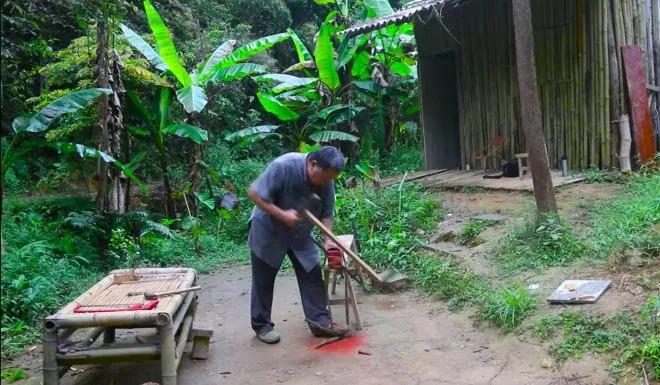
For the next five decades, Wang worked as a farmer and, in the slack season, as a carpenter, making furniture, as well as beams and doors for local building projects.
此后50年,王德文一直是个农民,农闲时节做木匠,给人打打家具,也为当地的建筑工程做横梁和门。
Two years ago, Wang left Shandong to live with his children in Mengshan county in the autonomous region of Guangxi Zhuang. It was a natural step to turn his breadwinning skills into an opportunity to make all kinds of toys for his young grandson, and it was not long before his son and daughter-in-law decided to video Wang’s efforts.
两年前,王德文离开山东,到了广西壮族自治区的蒙山县跟他的孩子一起住。把养家糊口的手艺用来为小孙子制作各种玩具,这对他来说再自然不过了。不久,他的儿子和儿媳就决定将王德文做活儿的过程录下来。
“We came up with the idea of making the videos because we wanted to bring our rural culture to others and let people learn about these ancient Chinese techniques,” said Huang Chunmei, Wang’s daughter-in-law.
儿媳黄春美说:“我们拍摄这些视频,是想把乡村文化带给乡村外的人,同时让人们了解这些古老的中国技艺。”
His son, who used to work as an animated video producer, films and edits the clips, which have also included Wang’s cooking on self-built stoves, using locally produced ingredients from the mountains of Guangxi, that have garnered millions of likes.
他儿子曾做过动画视频制作人,现在负责拍摄和剪辑这些视频——其中还有王德文用广西山区当地食材在自制炉灶上做饭的视频——视频一经分享,获赞无数。
The videos were first shared on Chinese content platforms Toutiao and Xigua Video, where Gong Shi Dao, as the programme is known in China, is followed by 2.25 million people, and later on YouTube, where the master carpenter has so far attracted nearly 600,000 followers.
这些视频首先在中国内容平台“*今条头日**”和“西瓜视频”上分享,该栏目名为“功食道”,在中国广为人知,粉丝225万;后来,视频经由“油管”传播,这位木匠大师迄今已吸粉近60万。
“I admire how much passion, patience and creativity you have with wood,” one YouTube user wrote. “It fascinates me to think of the thought and time that goes into it all, such love and talent you have for it and it makes me smile every time you give it all to your family.”
一位“油管”用户写道:“我很欣赏您对木头的热情、耐心和创造力。我会情不自禁地想到这些木制品中融入了多少奇思和时间,您在其中倾注了多少爱和智慧。每次看到您将成品交给家人时,我都会会心一笑。”
Wang’s son and daughter-in-law now work full time on the videos and said they wanted to use their influence to help the local villagers to sell their farm produce.
王德文的儿子和儿媳现在全部时间都花在制作视频上,他们表示希望利用这些影响力来帮助当地村民销售农产品。
To Wang, his internet stardom is about nothing more than supporting his children.
对王德文来说,成为网红就意味着可以支持孩子们。
“Part of my life here is taking care of my grandson, and another part is helping them shoot videos, which I think is a good idea,” he said.
他说:“我在这儿跟孩子们一起生活,一来是照顾我孙子,二来就是帮他们拍视频——我认为这是个好主意。”
“This is a nice place. Clean water and air, and people are friendly.”
“这里是个好地方。水干净,空气也清新,人们都很友好。