新冠疫情让大家留在了家里,也提供了时间和机会建造你的花园。许多人将有机会第一次接触花园和园艺活动,有更多的时间享受园艺的乐趣。国际园艺生产者协会AIPH提供的证据,用科学证明园艺活动将在保持社会幸福和健康方面发挥重要作用。
大自然对健康的深远益处
★有越来越多的经验证据表明,身处自然对心理健康的价值。最近的一篇论文强调了自然体验对认知功能、幸福感和其他心理健康方面的益处。[1]
★与城市相比,在大自然中度过的时间可以减少精神疲劳、改善情绪和减少压力。[2]
★在大自然中散步40分钟的人,比在城市里散步,或是静静地坐着听音乐的人情绪更积极,愤怒更少。[3]
★在荷兰,每增加10%的绿地面积,就意味着大众健康状况普遍年轻5岁。[4]
★在加拿大,住宅绿地面积的增加与4年内死亡率的下降相对应,尤其是与呼吸系统疾病相关的死亡率。[5]
★在日本,生活在有绿道地区人被证明可增加相当于5年的寿命。[6]
★居住在有更多绿色空间的城市地区,人们的精神压力更低,幸福感更高。[7]
★在绿色空间学习和治疗,有助于提升生活的意义和目的感。[8]
★与在城市散步相比,在大自然中散步可以减少焦虑以及负面情绪。[9] [10]
★自然的体验有助于改善睡眠,尤其是对男性和65岁以上的人来说。[11] [12]
★我们的非视觉感受,如声音、嗅觉、味觉、触觉也会受到自然的激发。[13]
园艺活动促进身心健康
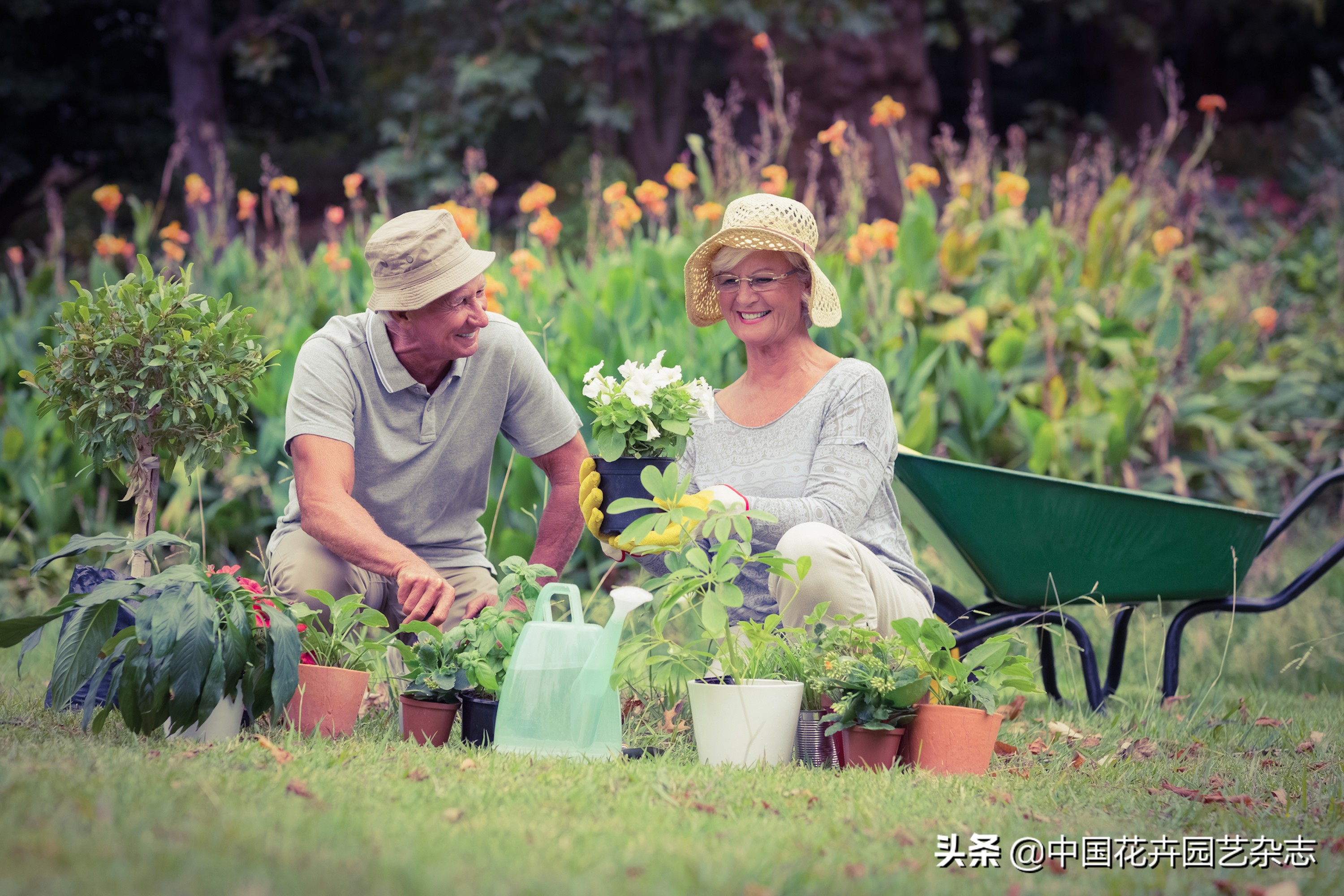
★经常做园艺活动可以改善健康。比如减少抑郁、焦虑,降低体重指数,以及提高生活满意度、生活质量和社会意识。[14]
★园艺提供了一种创造性的方式,将压力和沮丧转化为舒适和快乐。[15]
★“积极园艺”活动减少抑郁和焦虑,增强心理和身体健康。[16]
★与绿色环境相关的健康益处包括:长期减少患心脏病、癌症、肌肉骨骼疾病的风险,以及降低肥胖水平和更高的自我心理健康评估水平。[17]
★花园对于疾病的康复很重要。[17]
★园艺活动可以缓解高度紧张的注意力,并加快恢复到轻松状态。[15] [16] [17]
★植物不仅仅是美丽的。花园和植物的自然节律可以对抗压力。花园自带安静祥和的氛围,花园能激发创造力,种植植物能让人感到满足和自豪。[18]
★花园和园艺活动与生活本身亲密联系,它可以赋予老年人生活的目的和意义。[15] [19]
简单看看绿色植物就能让人心生平静
★在压力下和压力恢复阶段,看看自然的绿色植物就可以达到放松的目的。[18]
★即使只是透过窗户看到大自然和绿色植物也会使病患压力更小,有更好的心情,对疼痛和不适的关注更少。[20]
★即使在自然环境中暴露五分钟,或模拟自然环境,也能减少血压升高、肌肉紧张和皮肤敏感性增加等压力症状。[21]
★从家里看到绿色环境能够降低压力荷尔蒙皮质激素,创造幸福感 [22] [23]
★对于那些不愿与大自然接触的儿童和老人来说,绿色植物的益处尤为重要。[24]
参考文献
[1] Bratman G.N. et al. 2019. Nature and mental health: An ecosystem service perspective. Sci Adv. 2019 Jul; 5(7): eaax0903. Published online 2019 Jul 24. doi: 10.1126/sciadv.aax0903
[2] Twedt, E., et al. 2016. "Designed Natural Spaces: Informal Gardens Are Perceived to Be More Restorative than Formal Gardens." Frontiers in Psychology 7.
[3] Hartig, T., Evans, G.W., Jamnerc, L. D., Davis, D. S., and Garling, T. 2003. Tracking restoration in natural and urban field. Journal of Environmental Psychology 23 (2003) 109–123
[4] De Vries S, Verheij RA, Groenewegen PP, Spreeuwenberg P. 2003. ‘Natural environments –healthy environments? An exploratory analysis of the relationship between greenspace and health’. Environment and Planning A, vol 35, no 10, pp 1717–31.
[5] Villeneuve, P. J., Jerrett, M., Su, J. G., Burnett, R. T., Chen, H., Wheeler, A. J., and Goldberg M. S. 2012. A cohort study relating urban green space with mortality in Ontario, Canada. Environ Res. 2012 May;115:51-8. doi: 10.1016/j.envres.2012.03.003. Epub 2012 Apr 6
[6] Takano, T., Nakamura, K., and Watanabe, M. 2002. ‘Urban residential environments and senior citizens’ longevity in megacity areas: the importance of walkable green spaces’. Journal of Epidemiology & Community Health, vol 56, no 12, pp 913–8.
[7] White M. P., Alcock I., Wheeler B. W., and Depledge M. H. 2013. Would you be happier living in a greener urban area? A fixed-effects analysis of panel data. Psychol. Sci. 24(6):920-8
[8] O'Brien, L., Burls, A., Townsend, M., and Ebden, M. 2011. Volunteering in nature as a way of enabling people to reintegrate into society. Perspectives in public health. 131(2).7-81.
[9] Bratman, G. N., Daily, G. C., Levy, B. J., and Gross J.J. 2015. The benefits of nature experience: Improved affect and cognition. Landsc. Urban Plan. 138, 41–50.
[10] Hartig, T., Evans, G. W., Jamner, L., Davis, D., and Gärling, T. 2003. Tracking restoration in natural and urban field settings. J. Environ. Psychol. 23, 109–123.
[11] Grigsby-Toussaint, D. S., Turi, K. N., Krupa, M., Williams, N. J., Pandi-Perumal, S. R., and Jean-Louis, G. 2015. Sleep insufficiency and the natural environment: Results from the US Behavioral Risk Factor Surveillance System survey. Prev. Med. 78, 78–84.
[12] Astell-Burt T., and Feng, X. 2019 Does sleep grow on trees? A longitudinal study to investigate potential prevention of insufficient sleep with different types of urban green space. SSM Popul Health.;10:100497. doi: 10.1016/j.ssmph.2019.100497.
[13] Franco, L.S., Shanahan, D.F., and Fuller, R. A. 2017. A Review of the Benefits of Nature Experiences: More Than Meets the Eye. Int J Environ Res Public Health.
[14] (8): 864 14 Soga, M., Gaston, K., and Yuichi, Y. 2016. "Gardening is beneficial for health: A meta-analysis." Preventive Medicine Reports. 10.1016/j. pmedr.2016.11.007
[15] Hall, Charles R., and Dickson, Madeleine W. 2011. Economic, Environmental, and Health/Well-Being Benefits Associated with Green Industry Products and Services: Journal of Environmental Horticulture 29(2):96–103.
[16] Clatworthy, J., Hinds, J., Camic, P. M. 2013. Gardening as a mental health intervention: a review. Mental Health Review Journal.18(4):214-225.
[17] Buck, D. 2016. Gardens and Health: Implications for policy and practice. The Kings Fund
[18] AIPH http://aiph.org/wp-content/uploads/2015/04/7_AIPH-Brochure-more-than-just-beautiful.pdf
[19] Wright, S. D., Wadsworth, A. M. 2014. ‘Gray and green revisited: a multidisciplinary perspective of gardens, gardening, and the aging process’. Journal of Aging Research, vol 2014, article 283682.
[20] The Green Agenda Fact sheets: Greenery and Healthcare. https://edepot.wur.nl/418845
[21] Brown, D. K., Barton, J. L., and Gladwell, V. F. 2013. Viewing Nature Scenes Positively Affects Recovery of Autonomic Function Following Acute-Mental Stress Environ Sci Technol. 47(11): 5562–5569.
[22] The Green Agenda Fact sheets: Greenery and Residential. https://edepot.wur.nl/418848
[23] Honold, J., Lakes T., Beyer, R., and van der Meer, E. 2016. Restoration in Urban Spaces: Nature views from home, greenways, and public parks. Environment and Behaviour. 48(6), 796-825.
[24] Mitchell, R., and Popham, F. 2008. Effect of exposure to natural environment on health equalities: an observational population study. The Lancet. 372 (9650), 1655-1660.