春节到了,你能够用英文向外国人介绍中国这一最隆重的节日吗?中国春节期间那些很有意思的民俗用英文怎么说呢?还有春节相互拜年、互致问候的吉祥语用英文又是如何表达呢?
以下是小编为你准备的有关春节的种种表达,相信爱好英语的朋友会喜欢。
一、 用英文介绍中国春节习俗
The Spring Festival in China is an ancient festival, is also the most important throughout the year a festival to celebrate this holiday, over one thousand years of history in the development, formed some relatively fixed customs and habits, and there are many also it today.

春节是我国一个古老的节日,也是全年最重要的一个节日,如何过庆贺这个节日,在千百年的历史发展中,形成了一些较为固定的风俗习惯,有许多还相传至今。
Every Chinese New Year, no matter the city or the country, every family to select a pair of bright red stick in the Spring Festival couplets on the door, increase for the festival festival atmosphere.
每逢春节,无论城市还是农村,家家户户都要精选一副大红春联贴于门上,为节日增加喜庆气氛。
The Spring Festival couplet also to spring posts, accusation, couplet, subsidiary, TaoFu etc, it with neatly and dual, concise, exquisite words describe background, to express good wishes, is China's unique form of literature.
春联也叫门对、春贴、对联、对子、桃符等,它以工整、对偶、简洁、精巧的文字描绘时代背景,抒发美好愿望,是我国特有的文学形式。
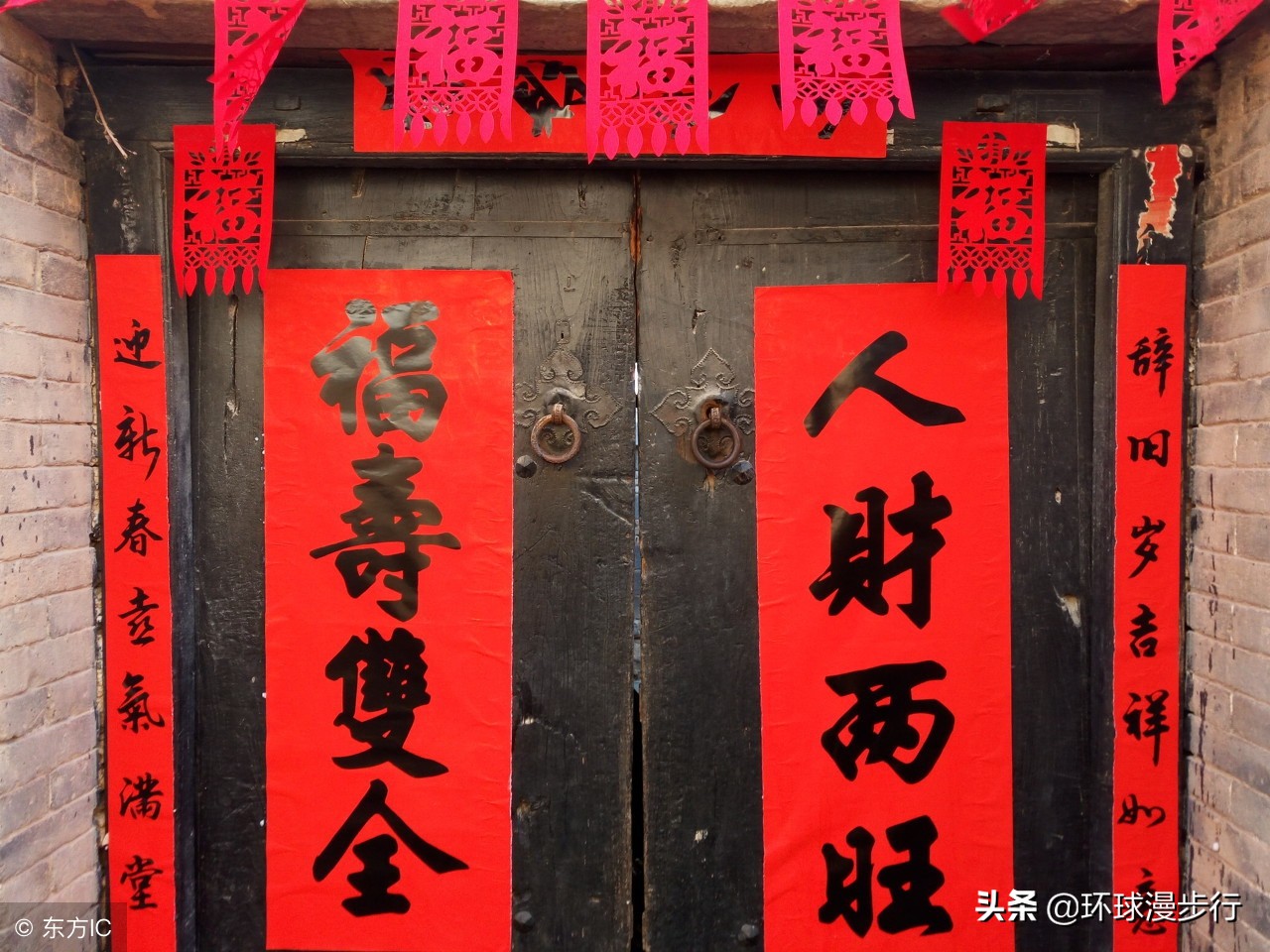
This custom up in song dynasty, in the beginning in the Ming dynasty, the qing dynasty, the Spring Festival couplet ideological content and artistic quality has improved a lot.
这一习俗起于宋代,在明*开代**始盛行,到了清代,春联的思想性和艺术性都有了很大的提高。
In the Spring Festival couplet at the same time, some people in the door to, the walls, signage pasted greatly small "f" word.

在贴春联的同时,一些人家要在屋门上、墙壁上、门楣上贴上大大小小的“福”字。
The Spring Festival is stuck "fu" character, is our country folk customs of has a long history.
春节贴“福”字,是我国民间由来已久的风俗。
"Fu" word refers to the blessing, good fortune, showing the people to the happy life yearning, the wishes for a bright future.
福”字指福气、福运,寄托了人们对幸福生活的向往,对美好未来的祝愿。
In order to fully reflect the yearning and wishes, some people simply will "fu" character topsy-turvy stick, said "happiness has to" "blessing has to".
为了更充分地体现这种向往和祝愿,有的人干脆将“福”字倒过来贴,表示“幸福已到”“福气已到”。

Folk and will "fu" character essence made all sorts of design of draw fine, design has the birthday girl, peach, carp jump the goal, produce good harvests, and prosperity brought by the dragon and the phoenix, etc.
民间还有将“福”字精描细做成各种图案的,图案有寿星、寿桃、鲤鱼跳龙门、五谷丰登、龙凤呈祥等。
The Spring Festival pictures hang stick in urban and rural areas are popular, heavy variety of New Year paintings to thousands of ach adds many thriving of joy festival atmosphere.
春节挂贴年画在城乡也很普遍,浓黑重彩的年画给千家万户平添了许多兴旺欢乐的喜庆气氛。

New Year pictures is our country's an old folk art, reflect the people's simple customs and beliefs, entrusts they hope for the future.
年画是我国的一种古老的民间艺术,反映了人民朴素的风俗和信仰,寄托着他们对未来的希望。
Pictures, also and the Spring Festival couplet, originated in the "door".
年画,也和春联一样,起源于“门神”。
With the rise of board printing, the content of the pictures are not limited to goalkeeper, has the theme of the drab, becomes rich and colorful, in some New Year pictures workshop produced the fu lu shou three map ", " Heavenly God blesses the people", "for the grain and make it plentiful", " The domestic animals are all thriving ", "early spring meet f" and so on the classic color pictures, to meet people festival good wishes of prayer.
随着木板印刷术的兴起,年画的内容已不仅限于门神之类单调的主题,变得丰富多彩,在一些年画作坊中产生了《福禄寿三星图》、《天官赐福》、《五谷丰登》、《六畜兴旺》、《迎春接福》等经典的彩色年画、以满足人们喜庆祈年的美好愿望。
The New Year's eve ShouSui is the most important in one of the common activities, the common ShouSui has a long history.
除夕守岁是最重要的年俗活动之一,守岁之俗由来已久。
Everybody doesn't sleep at night, waiting for the dawn, call yue "shou sui".
大家终夜不眠,以待天明,叫作“守岁”。
"Night even double years old, even points two days", New Year's eve, the family reunion together, had the reunion dinner, lit a candle or the lamp, sitting beside furnace chatting, waiting to see the old year out and the moment, all night vigil, symbolized the evil disease as hot all run away, is looking forward to the New Year auspicious sign.
“一夜连双岁,五更分二天”,除夕之夜,全家团聚在一起,吃过年夜饭,点起蜡烛或油灯,围坐炉旁闲聊,等着辞旧迎新的时刻,通宵守夜,象征着把一切邪瘟病疫照跑驱走,期待着新的一年吉祥如意。
The custom gradually popular, to the early tang dynasty, emperor taizong li shi-mm says "shou sui" poem: "cold winter snow warm spring breeze, quit into".
这种习俗后来逐渐盛行,到唐朝初期,唐太宗李世民写有“守岁”诗:“寒辞去冬雪,暖带入春风”。
Even today, people also habit in the New Year's eve ShouSui orientation.
直到今天,人们还习惯在除夕之夜守岁迎新。
China folk have "open the door firecracker," said one.
中国民间有“开门爆竹”一说。
In the New Year is coming, every family to open the door of the first thing that set off firecrackers to beep PaPa fireworks used orientation.
即在新的一年到来之际,家家户户开门的第一件事就是燃放爆竹,以哔哔叭叭的爆竹声除旧迎新。

Fireworks is the animal, also say "BaoZhang", "the firecracker went off" and "off".
爆竹是中国特产,亦称“爆仗”、“炮仗”、“鞭炮”。
Its origin early, has been two thousand years of history.
其起源很早,至今已有两千多年的历史。
Put firecrackers can create a festive lively atmosphere, is a kind of entertainment activities of the festival, can give people bring joy.
放爆竹可以创造出喜庆热闹的气氛,是节日的一种娱乐活动,可以给人们带来欢愉。
After the Spring Festival, all kinds of entertainment programs used to be given in the rural areas in China. Just like the flower exhibition in Beijing now, the entertainment programs include walking on stilts, taking a boat on ground and operas.
春节过了以后,就是在过去中国的农村里边,文艺的活动逐渐地展开了,有各种的文艺节目,像我们现在看到的北京花会一样,高跷、旱船,另外就是唱戏。
No matter in the city or in the countryside, all the people will do one thing that is to extend Spring Festival greetings. This activity begins at first between family members.
不管是城里人,还是在农村,人们都要做的一件事就是拜年。民间流行的拜年活动先是从家里开始的。
Normally we will extend our Spring Festival greetings to our elders, such as our parents, uncles and aunts.
一般是我们晚辈要给长辈拜年,比如给父母和父母的兄弟姐妹,大爷、大妈等拜年。
Relatives will drop each other a visit during the Spring Festival to give their best wishes.
亲戚之间在春节期间走动,有互拜平安的意思。
To drop a Spring Festival visit is to give your new year greetings when you are out. Have a luck talk. Happy new year! May you come into a good fortune! A luck talk can bring luck to people in the new year.
给亲戚拜年,出门之后就作揖、问安,说点吉祥话,恭喜过年呐,恭喜发财呀,说点吉祥话,预示着第二年有个好的,这就是新一年来了以后有好运。
The traditional way of extending Spring Festival greetings includes to drop a visit or to send new year cards. In recent years, people began to use telephone, email and sms to extend their Spring Festival wishes.
除了以往的到家里拜年,或寄贺年卡,近年来,人们也开始通过电话、电子邮件和手机短信拜年。
Although people have different ways of extending the Spring Festival wishes now, for children, one thing still remains unchanged. This is, when they pay a Spring Festival visit to their elders, elders will give them Yasuiqian, (gift money). Since Yasuiqian is money put into a small red paper envelope, people also call it "red bag/envelope/packet".
虽然拜年的方式变化了,但对孩子们来讲,有一件事是不变的,那就是拜年时长辈们会给压岁钱,因为压岁钱多是放在红纸袋里的,所以人们也称之为"红包"。
After the 10th day of the first lunar month calendar, people begin to celebrate Yuanxiao Festival/the Lantern Festival. Yuanxiao Festival is the 15th day of the first lunar month, another climax during Spring Festival celebration. Watching lanterns and eating Yuanxiao are two main activities for Xuanxiao Festival celebration. On this day, people go to guess riddles on lanterns at night and have a big dinner for celebration. The riddle games are full of wisdom and fun.
农历正月初十过后,人们便开始准备庆祝元宵节的活动。元宵节是正月十五,是过年的另一个高潮。赏灯和吃元宵是元宵节活动的两个主要内容。这一天,人们在夜里悬挂彩灯猜灯谜,一起吃顿丰富的晚餐来庆祝。元宵节赏灯活动中的猜谜游戏,充满了智慧和趣味。
二、有关春节习俗的英文词汇
腊八节:Laba Festival
小年:Little New Year
春节 The Spring Festival
农历 lunar calendar
正月 lunar January; the first month by lunar calendar
除夕 New Year's Eve; eve of lunar New Year
初一 the beginning of New Year
元宵节 The Lantern Festival
Customs:
过年 Guo-nian; have the Spring Festival
对联 poetic couplet:two successive rhyming lines in poetry
春联 Spring Festival couplets
剪纸 paper-cuts
年画 New Year paintings
买年货 special purchases for the Spring Festival ; do Spring Festival shopping
敬酒 propose a toast
灯笼 lantern:a portable light
烟花 fireworks
爆竹 firecrackers (People scare off evil spirits and ghosts with the loud pop.)
红包 red packets (cash wrapped up in red paper,symbolize fortune and wealth in the coming year.)
舞狮 lion dance (The lion is believed to be able to dispel evil and bring good luck.)
舞龙 dragon dance (to expect good weather and good harvests)
戏曲 traditional opera
杂耍 variety show; vaudeville
灯谜 riddles written on lanterns
灯会 exhibit of lanterns
守岁 staying-up
拜年 pay New Year's call; give New Year's greetings; New Year's visit
春节 The Spring Festival
二月二:Dragon Heads-raising Day
农历 lunar calendar
压岁钱 gift money; money given to children as a lunar New Year gift www.joozone.com
辞旧岁 bid farewell to the old year
扫房 spring cleaning; general house-cleaning
年糕 Nian-gao; rise cake; New Year cake
团圆饭 family reunion dinner 年夜饭 the dinner on New Year‘s Eve
饺子 Jiao-zi; Chinese meat ravioli 八宝饭 eight treasures rice pudding
汤圆 Tang-yuan; dumplings made of sweet rice, rolled into balls and stuffed with either sweet or spicy fillings
糖果盘 candy tray:
什锦糖 assorted candies - sweet and fortune
蜜冬瓜 candied winter melon - growth and good health
西瓜子 red melon seed - joy, happiness, truth and sincerity
金桔 cumquat - prosperity
红枣 red dates - prosperity
糖莲子 candied lotus seed - many descendents to come
糖藕 candied lotus root - fulfilling love relationship
花生糖 peanut candy – sweet
我请客 my treat
喝红酒 drink red wi
家宴 family feast
干杯 cheers
三、有关春节的祝福语
A Happy New Year to you. 恭贺新年
Business flourishes.生意兴隆
Congratulations and prosperity. 恭喜发财
Everything goes well.万事如意
Good luck in the year ahead!恭贺新禧
Happy New Year.新年快乐
Peace all year round.岁岁平安
Wishing you every success.马到成功
At New Year and always, may peace and love fill your heart, beauty fill your world, and contentment and joy fill your days.
新年的祝福,平日的希冀,愿你心境祥和、充满爱意,愿你的世界全是美满,愿你一切称心如意,快乐无比。
I hope you have a most happy and prosperous New Year.
谨祝新年快乐幸福,大吉大利。
Business flourishes 事业兴隆
Peace all year round 岁岁平安
Wishing you prosperity 恭喜发财
Harmony brings wealth 家和万事兴
May all your wishes come true 心想事成
The country flourishes and people live in peace 国家富强、人民安康
Money and treasures will be plentiful 财源茂盛
Wishing you every success Promoting to a higher position 事业有成、更上一层楼、蒸蒸日上
Safe trip wherever you go 一帆风顺
Wish you happiness and prosperity in the coming year! 祝你新的一年快乐幸福
Wish you success in your career and happiness of your family! 事业成功,家庭美满(阖家欢乐)
Have a successful career!
事业有成!
四、古代诗人描写春节诗的英文翻译
别岁
Farewell to the Old Year
故人适千里,临别尚迟迟。
When an old friend is to go far away,
Long, long will he linger before he parts.
人行犹可复,岁行那可追。
Though gone away, he may come back someday.
Where can we find the old year once it departs?
问岁安所之,远在天一涯。
May I ask whither the old year has passed?
At the end of the earth it leaves no track.
已逐东流水,赴海归无时。
It is gone with the water flowing fast
To the East Sea and will never come back.
东邻酒初熟,西舍彘亦肥。
Wine is warmed by our neighbors on the east
And the pork of those on the west is fat.
且为一日欢,慰此穷年悲。
I’d like to have one happy day at least
So that the lean year may not be grieved at.
勿嗟旧岁别,行与新岁辞。
Do not sigh for the departing old year!
Soon we shall say goodbye to New Year’s Day.
去去勿回顾,还君老与衰。
Do not look back but let them disappear.
Man will grow old and his powers decay.
——苏轼
——translated by Xu Yuanchong
赏析:
这是苏轼冬末写的组诗之一,其一《馈岁》,其二是本篇《别岁》,其三就是下一首《守岁》。
组诗的原题为:“岁晚相与馈问,为‘馈岁’;酒食相邀,呼为‘别岁’;至除夜,达旦不眠,为‘守岁’。蜀之风俗如是。余官于岐下,岁暮思归而不可得,故为此三诗以寄子由。”
此时苏轼一人在凤翔为官,临近年末,想回汴京和父亲、弟弟团聚而不可得,回想故乡岁暮的淳朴风俗,就写了这三首诗抒发思念之情。
故人离别,纵使远去千里,还能再见,但分别总是难忍。一年又要过去,恍惚岁月已晚,相去万余里,各在天一涯。
东邻、西舍、酒熟、猪肥,热闹欢饮,每到要辞旧迎新时,才知时光流逝有多快。
守岁
Staying up All Night on New Year’s Eve
欲知垂尽岁,有似赴壑蛇。
The end of the year is drawing near
As a snake crawls back to its hole.
修鳞半已没,去意谁能遮。
We see half its body disappear
And soon we’ll lose sight of the whole.
况欲系其尾,虽勤知奈何。
If we try to tie down its nail,
We can’t succeed whate’er we do.
儿童强不睡,相守夜欢哗。
Children will stay up and regale
Themselves with feast the whole night through.
晨鸡且勿唱,更鼓畏添挝。
Cocks, wake not the dawn with your song;
Drums, do not boom out the hour now!
坐久灯烬落,起看北斗斜。
The wick is burned as I sit long,
I rise to see the slanting Plough.
明年岂无年,心事恐蹉跎。
Will there be no New Year’s Eve next year?
I am afraid time waits for none.
努力尽今夕,少年犹可夸。
Let us enjoy tonight with cheer
So that childhood will longer run.
——苏轼
——translated by Xu Yuanchong
赏析:
这首《守岁》与上一首相联系,又生动地用蛇作比,旧岁既然要走,去意是挡不住的,即便我们要努力挽留,亦是于事无补。
千百年来,守岁已成习俗。一家人围炉而坐,幼童想打磕睡,还要勉强欢闹。待得晨鸡唱响,新的一日到来,旧岁真正远离。
灯烛已燃到最后,星辰西落,新年或许也有烦忧,但尽享此刻的欢乐才最重要。
青玉案·元夕
Green Jade Cup
Lantern Festival
东风夜放花千树。更吹落、星如雨。宝马雕车香满路。凤箫声动,玉壶光转,一夜鱼龙舞。
One night's east wind adorns a thousand trees with flowers
And blows down stars in showers.
Fine steeds and carved cabs spread fragrance en route;
Music vibrates from the flute;
The moon sheds its full light,
While fish and dragon lanterns dance all night.
蛾儿雪柳黄金缕。笑语盈盈暗香去。众里寻他千百度。蓦然回首,那人却在,灯火阑珊处。
In gold-thread dress, with moth or willow ornaments,
Giggling, they melt into the throng with trails of scents.
But in the crowd once and again
I look for her in vain.
When all at once I turn my head,
I find her there where lantern light is dimly shed.
——辛弃疾
——translated by Xu Yuanchong&Xu Ming
赏析:
你或许不读辛弃疾,却不能不知“众里寻他千百度。蓦然回首,那人却在,灯火阑珊处。”
这样的诗句又有几人不知呢?
传统的新年须得从初一过到十五才算,元宵一过,年味儿才逐渐远去。正月十五,满城灯火,大街小巷人头攒动,笑语喧哗。
古时的元宵又称上元节,那可是各家姑娘不受约束可以出门的日子,未婚的少女都无比期待这一天的到来。
穿衣打扮、猜灯谜、偷偷觑一眼心上人,心头犹如东风吹散的千树繁花。
烟火纷纷,乱落如雨,马车驶过,满路芳香。凤箫悠扬,明月西斜,火树银花,盈盈人间。
我在人群中一遍遍寻觅意中人的身影,猛然回首间,那人却在灯火昏暗处。
王国维《人间词话》曾言人之成大事业者,必皆经历三个境界,而《青玉案·元夕》的境界则是最高境界。