Why don't American women have confinement? Is it because of different body structures?
美国妇女为什么不坐月子,是因为身体构造不同吗?
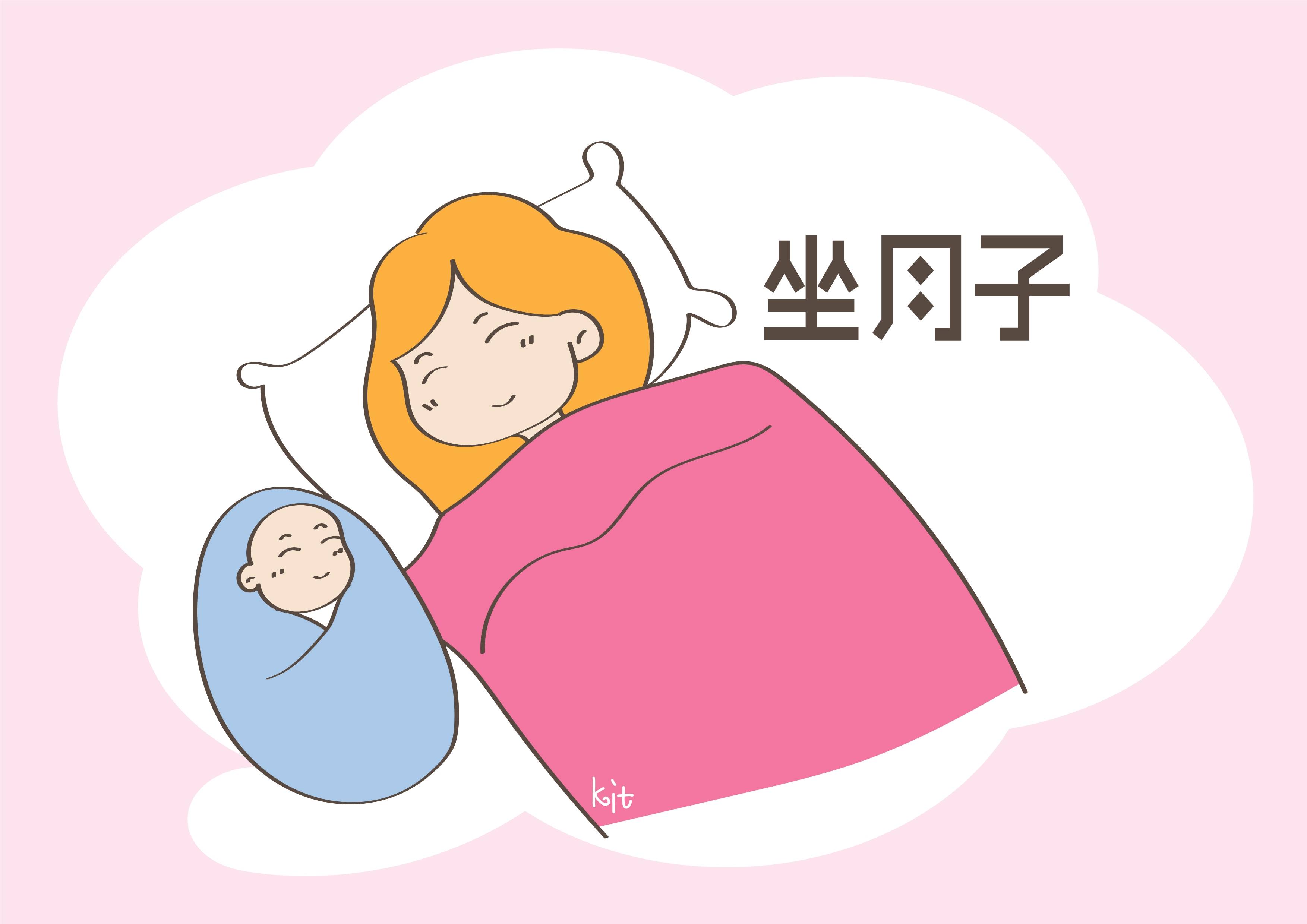
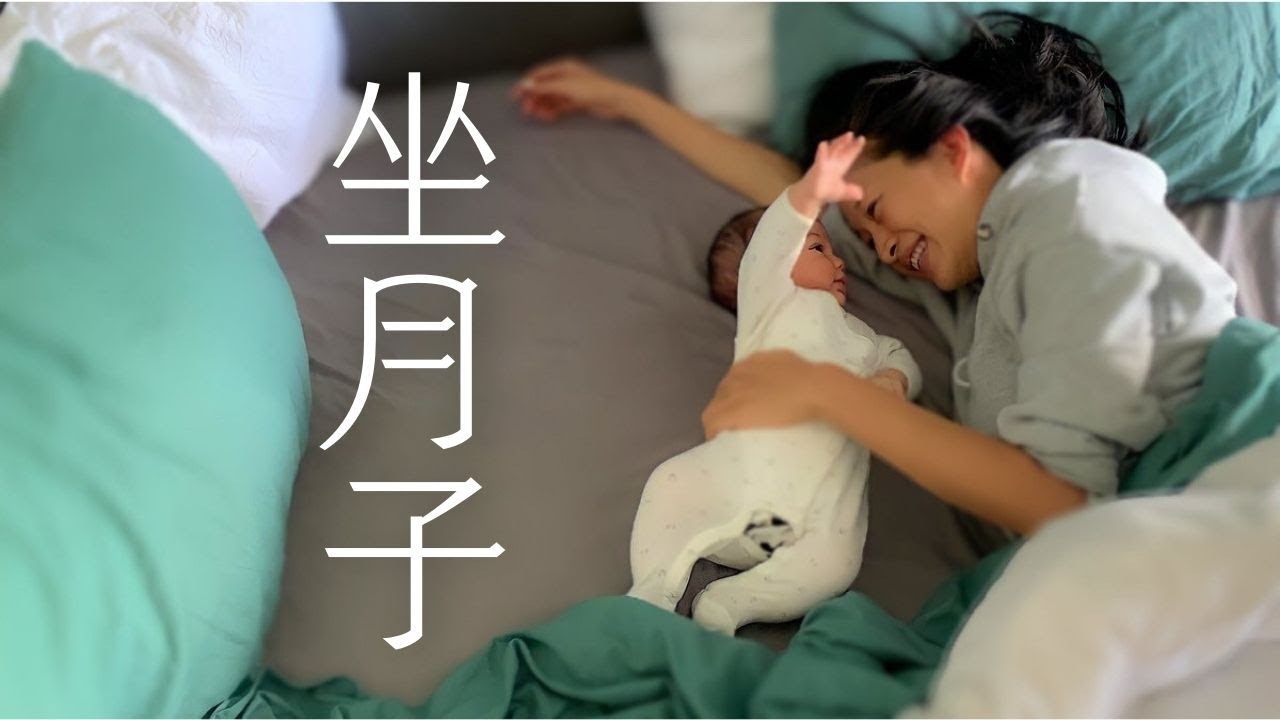
In China, the tradition of confinement or "zuo yuezi" has been practiced for thousands of years, guiding women through a month-long postpartum period with various taboos and customs. In stark contrast, American women often return to normal life within days after giving birth. This difference has attracted attention and sparked debate over the benefits and drawbacks of these disparate practices, with each reflecting deep-seated social and cultural values.
在中国,坐月子作为一种传统已经实行了数千年,通过各种禁忌和习俗指导女性度过长达一个月的产后时期。与之形成鲜明对比的是,美国女性在生产后往往在几天内恢复正常生活。这种差异引起了人们的关注,并引发了关于这些截然不同做法的利弊之争,其中每一个都反映了根深蒂固的社会和文化价值观差异。
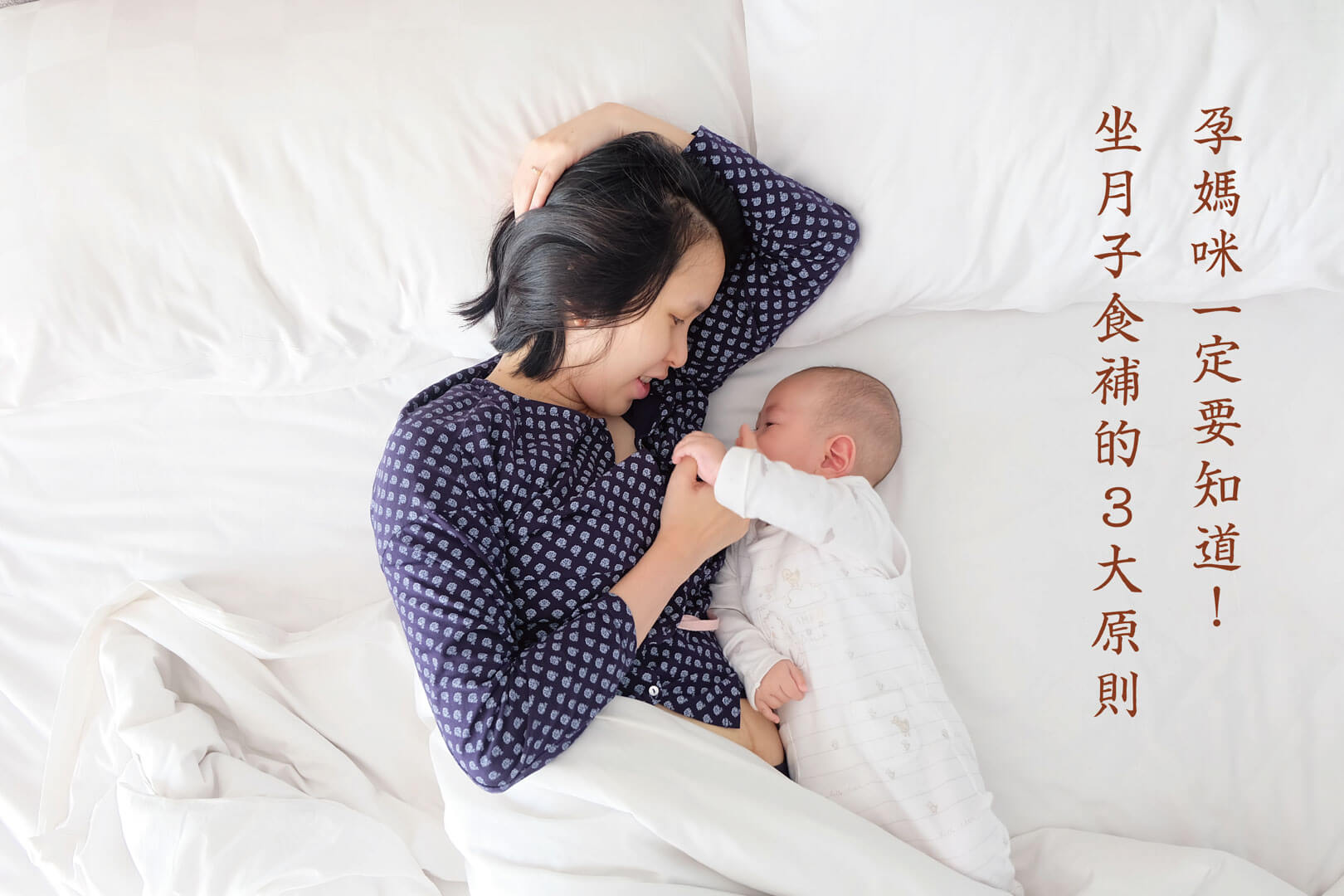
The Chinese practice of confinement is rooted in the belief that a woman's body is vulnerable after childbirth and requires a period of rest and recuperation. During this time, new mothers abstain from certain activities such as bathing, washing their hair, or exposure to cold air. They also consume a specific diet, often rich in herbal soups and warming foods.
中国坐月子的做法植根于一种信念:女性在分娩后身体脆弱,需要一段休息和恢复的时间。在这段时间里,新妈妈们戒掉某些活动,如洗澡、洗头或暴露在寒冷的空气中。她们还会摄入特定的饮食,通常富含草药汤和温热食物。
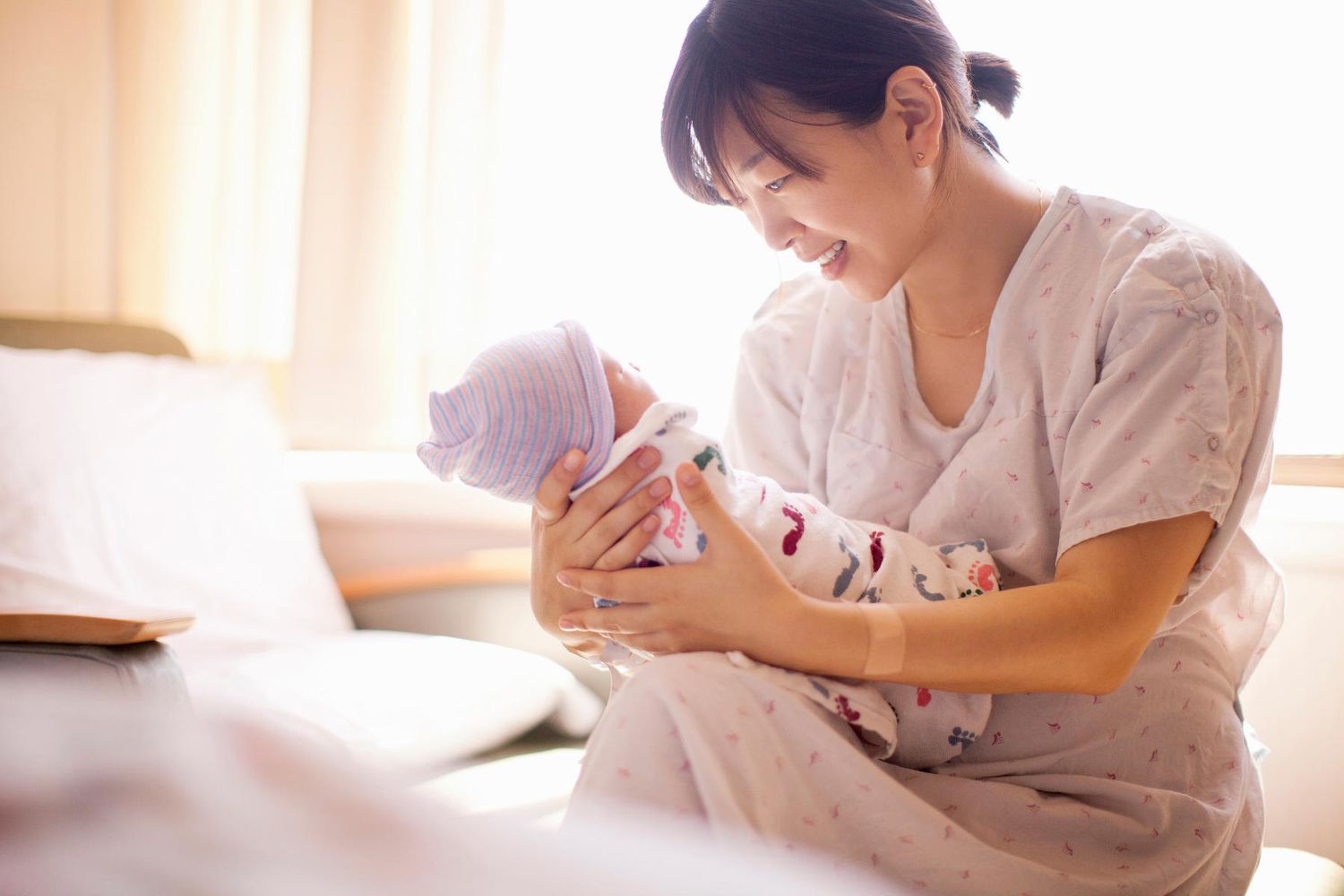
On the other hand, American women often prioritize a swift return to work and daily routines. A 2018 report from the Pew Research Center found that 58% of American mothers returned to work within 10 weeks after giving birth.
另一方面,美国女性通常更注重迅速恢复工作和日常生活。皮尤研究中心2018年的一份报告发现,58%的美国母亲在生产后10周内返回工作岗位。
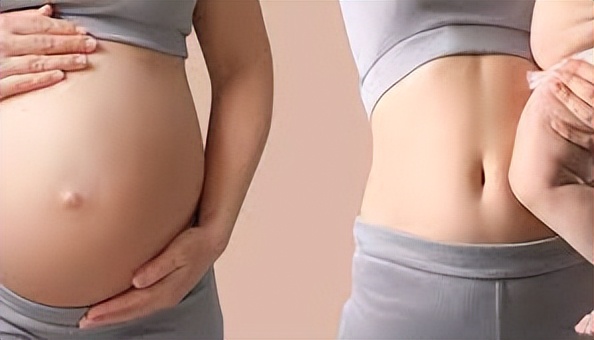
As discussions around postpartum care continue to evolve, it is crucial to recognize how different cultural backgrounds influence women's experiences and expectations during this critical period. This awareness of diversity can pave the way for more inclusive and supportive postpartum care models.
随着产后护理讨论的持续发展,认识到不同文化背景如何影响女性在这个关键时期的经历和期望是至关重要的。这种对多样性的认识可以为更具包容性和支持性的产后护理模式铺平道路。
In recent years, there has been a growing interest in cross-cultural learning and exchange regarding postpartum care. Some American women have expressed their admiration for the Chinese practice of confinement, believing it to be a valuable opportunity for new mothers to rest and bond with their newborns. Meanwhile, others may find the strict confinement rules too rigid and feel they impede the natural process of recovery and adaptation to motherhood.
近年来,人们对产后护理领域的跨文化学习和交流越来越感兴趣。一些美国女性表示赞赏中国的坐月子做法,认为这是新妈妈们休息和与新生儿建立联系的宝贵机会。然而,也有人觉得严格的坐月子规定过于僵化,认为它们阻碍了康复和适应母性角色的自然过程。
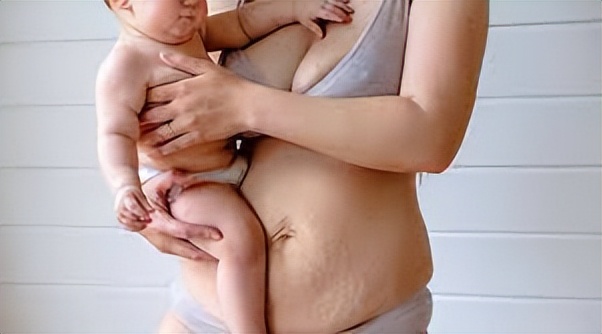
The divergent views on confinement and postpartum care practices are largely shaped by the distinct values and traditions that underlie each society. For instance, the Chinese tradition emphasizes family and intergenerational support, while the American individualistic culture may place greater importance on autonomy and self-sufficiency.
对于坐月子和产后护理做法的不同观点很大程度上是由各自社会背后的独特价值观和传统所塑造的。例如,中国传统强调家庭和代际支持,而美国的个人主义文化可能更强调自主和自给自足。
Nevertheless, the debate surrounding these practices highlights the need for more research and understanding of postpartum care in both countries. One study from the Journal of Obstetric, Gynecologic & Neonatal Nursing, which examined the effects of Chinese confinement practices on postpartum depression, reported mixed results. This suggests that a comprehensive, individualized approach to postpartum care, taking into account the cultural preferences and needs of new mothers, may be more beneficial.
然而,关于这些做法的争论凸显了两国在产后护理方面需要更多研究和理解。《产科、妇科和新生儿护理杂志》上一项关于中国坐月子做法对产后抑郁影响的研究报告了复杂的结果。这表明,在产后护理方面采取综合的、个性化的方法,考虑到新妈妈们的文化喜好和需求,可能更有益处。

In summary, the stark contrast in postpartum practices between Chinese and American women provides us with a valuable opportunity to examine the cultural and societal factors influencing new mothers' experiences. The apparent differences between confinement and a swift return to normal life reveal the underlying values and traditions that shape each society. By engaging in open dialogue and understanding these disparities, we can pave the way for more supportive and inclusive postpartum care experiences for women of diverse cultural backgrounds.
总之,中国和美国女性在产后习惯上的鲜明对比为我们提供了一个宝贵的机会,来检视影响新母亲经历的文化和社会因素。坐月子与迅速恢复正常生活之间的明显差异揭示了塑造各自社会的潜在价值观和传统。通过进行开放的对话和理解这些差异,我们可以为来自不同文化背景的女性提供更具支持性和包容性的产后护理体验。
As our global community becomes more connected and diverse, it is increasingly important to recognize and respect the different cultural practices surrounding motherhood. While there may be no one-size-fits-all approach to postpartum care, fostering a sense of empathy and understanding can help bridge the gap between seemingly disparate traditions. By embracing the wisdom and knowledge inherent in various cultural practices, we can work together to develop more holistic and personalized postpartum care models that support and empower women from all walks of life.
随着我们的全球社群变得更加紧密和多元化,认识和尊重关于母性的不同文化习惯变得越来越重要。虽然在产后护理上可能没有一种适合所有人的方法,但培养同理心和理解能力有助于弥合看似截然不同的传统之间的鸿沟。通过接纳各种文化实践中固有的智慧和知识,我们可以共同努力,发展更全面和个性化的产后护理模式,支持和赋权来自不同阶层的女性。
In conclusion, both Chinese and American postpartum practices hold valuable insights and lessons that can contribute to a deeper understanding of the complexities of motherhood. By engaging in thoughtful cross-cultural exchange and acknowledging the unique strengths and limitations of each approach, we can work together to create a more supportive and nurturing environment for new mothers, celebrating the beauty and richness of our diverse cultural heritage.
总之,中美两国的产后实践都有宝贵的见解和经验教训,可以帮助我们更深入地理解母性的复杂性。通过进行深入的跨文化交流,承认每种方法的独特优势和局限,我们可以共同努力为新妈妈创造一个更具支持性和滋养性的环境,赞美我们多元文化传统的美丽与丰富。