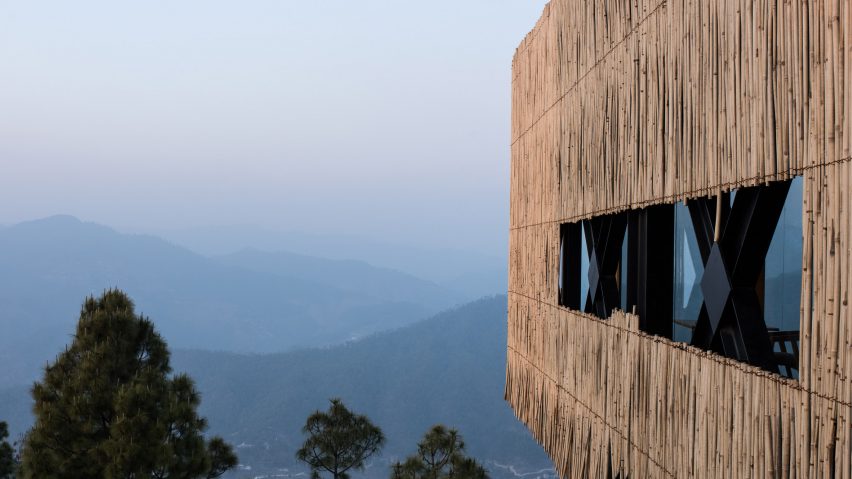
斯里兰卡建筑事务所Zowa建筑事务所设计了印度北阿坎德邦(Uttarakhand, India)的一家精品酒店,采用竹子藤条将玻璃幕墙包裹,酒店的悬挑设计可以欣赏到最佳的喜马拉雅山景观。
Sri Lankan practice Zowa Architects has used bamboo canes to shroud the glazed walls of this boutique hotel in Uttarakhand, India, which cantilevers out to give optimal views of the Himalayas.
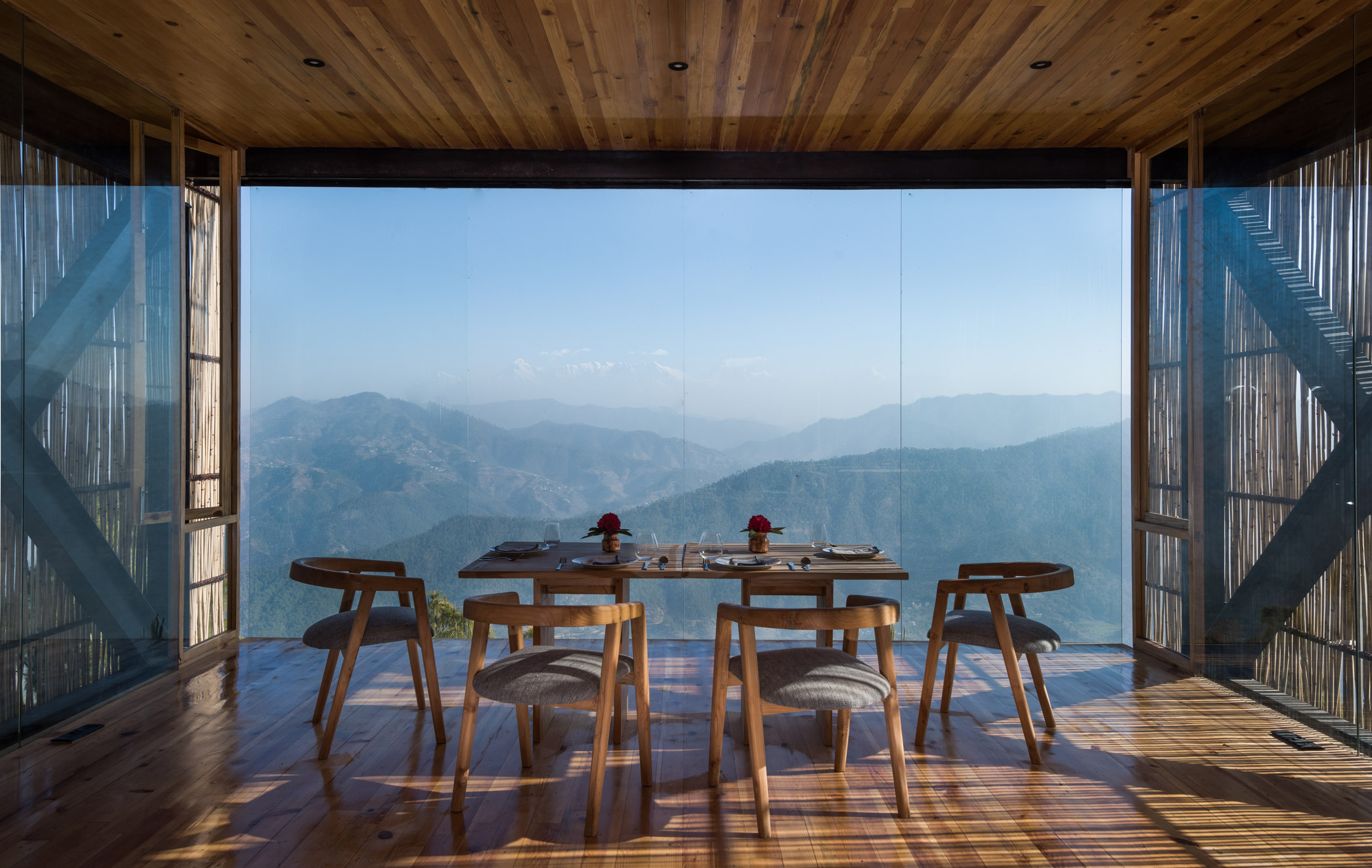
酒店位于Kasar Devi村,得名于周围的Kumaon地区,因其山川、森林和山谷的风景而闻名。
Kumoan山位于南达德维山脉的山脊上,海拔1600米,通过一条从主干道向下延伸的陡峭小路进入。
丰富的玻璃使度假者可以从酒店位于梯田的位置看到山峰的如画景色,梯田由一小块土地覆盖的一公顷土地组成。
The hotel is situated in the village of Kasar Devi, taking its name from the surrounding region of Kumaon which is known for its picturesque landscape of mountains, forests and valleys.
Set into a ridge of Nanda Devi mountain, The Kumoan lies 1600 metres above sea level and is accessed via a steep path that runs down from the main road.
Abundant glazing gives holiday makers picturesque views of the peaks from the position the hotel occupies on a terraced site, which is made up of a hectare plot topped by a smaller parcel of land.
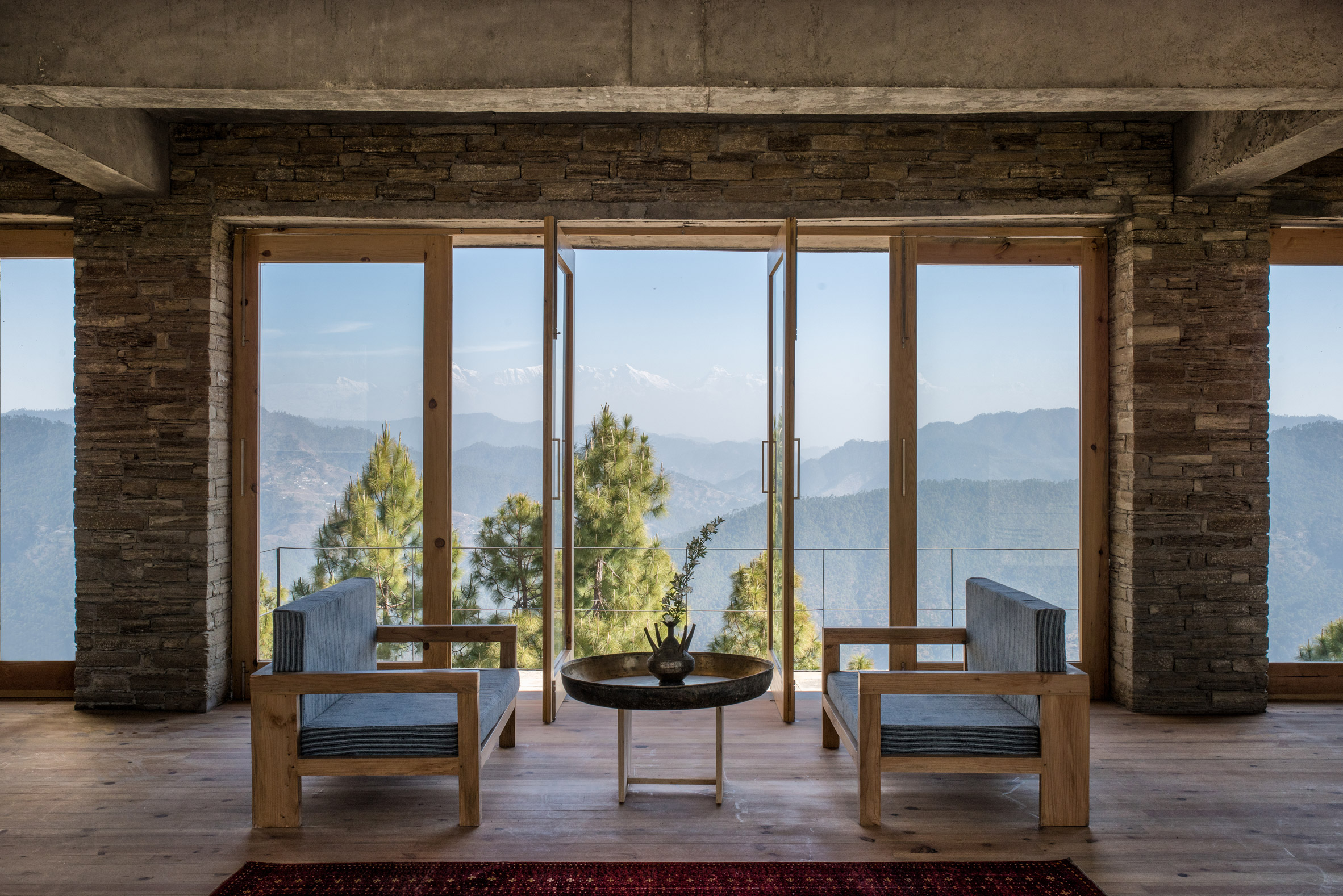
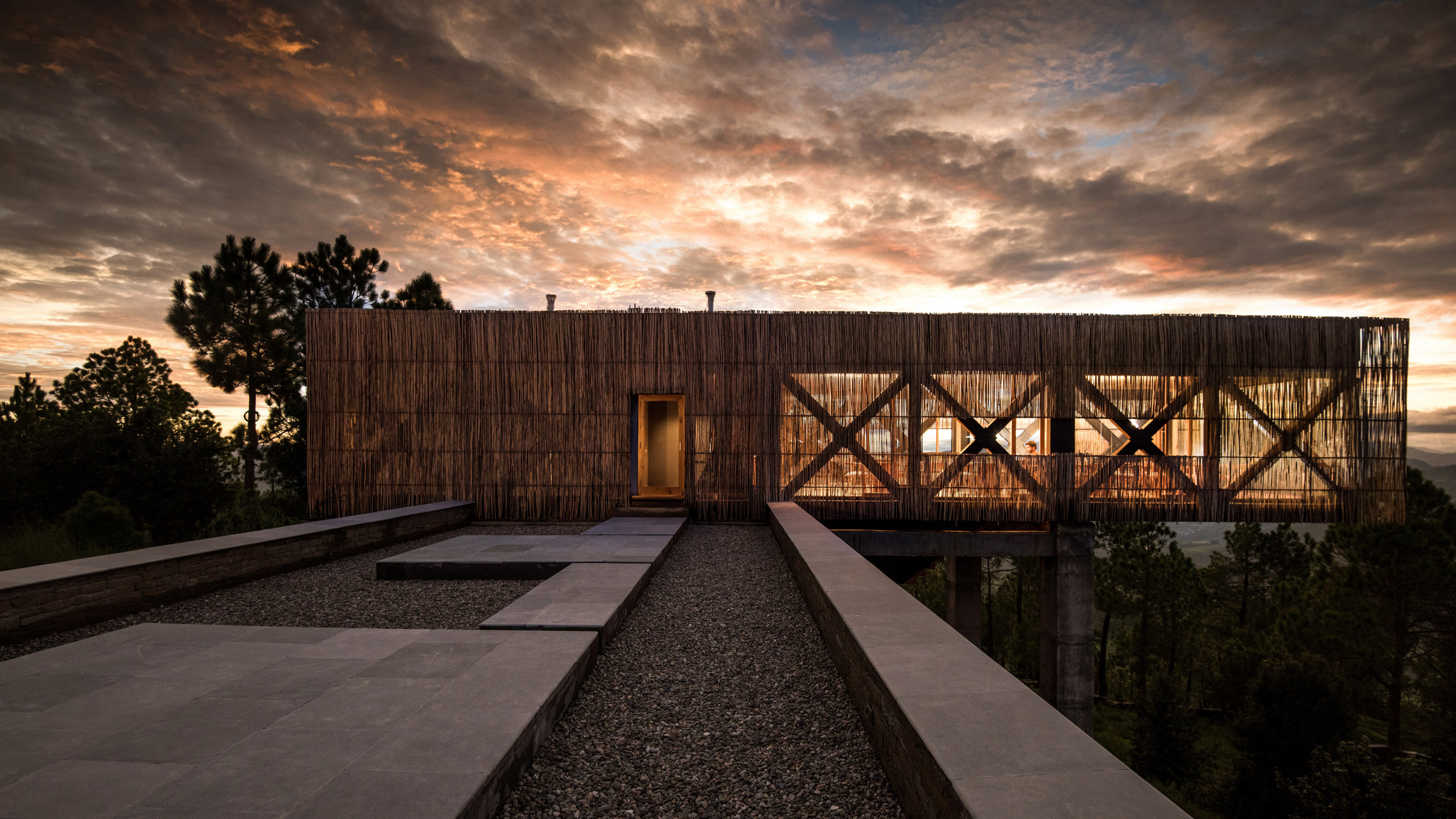
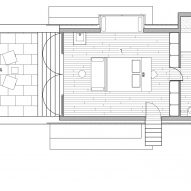
酒店的主楼位于基地的最高点,由两个部分用竹子覆盖的方形体块组成。
它的上层,餐厅招待的场所,被设置成与下层成直角,正面有三面玻璃,可观赏美得不可方物的喜马拉雅山远景。
The hotel's main building is perched on the site's highest point and comprises two rectilinear volumes covered partially in bamboo.
Its upper level, which plays host to the dining room, has been set at a right angle to the lower level and fronted with glazing on three sides to provide dramatic vistas of the Himalayas.
休息室、图书馆和各种行政设施都位于一层——休息室的屋顶也可以用作户外用餐和瑜伽的空间。
Zowa建筑事务所在一份声明中说:“我们的整体意图是突出惊人的自然景观,聚焦于山景,同时向当地的材料、传统和文化致敬。”
A lounge, library, and various administrative facilities are contained at ground level – and the roof of the lounge can also be used as a space for outdoor dining and yoga.
"Overall our attempt was to highlight the stunning natural landscape and focus on the mountain views, while paying homage to local materials, tradition and culture," said Zowa Architects in a statement.
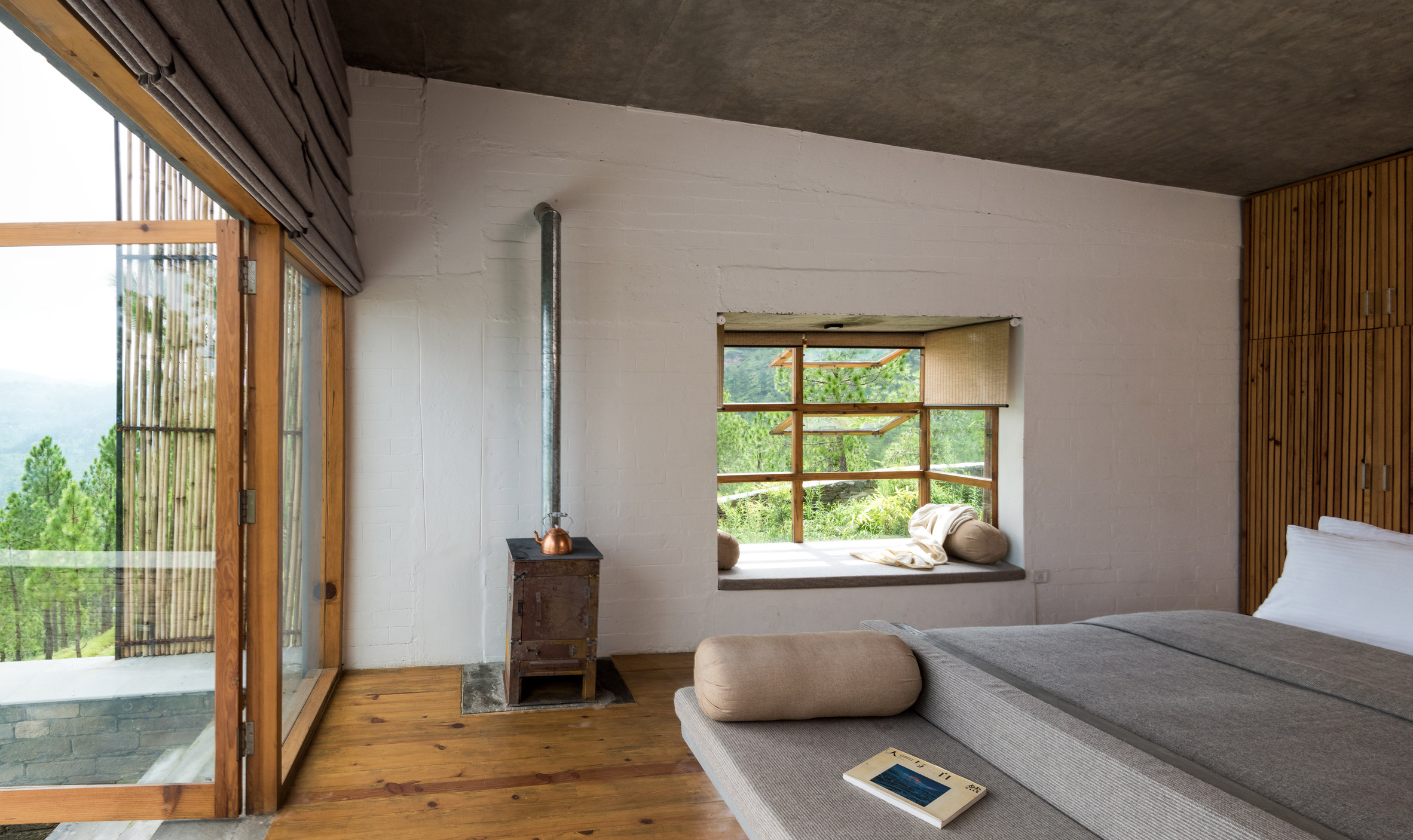
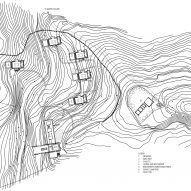
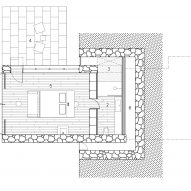
酒店的10间客房被安排成成对,形成了建筑师所说的一系列“小木屋”。
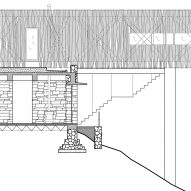
这些建筑的基础是用当地采石场的石头建造的,其余的则是用灰烬制成的砖块,然后用竹条包裹。
The hotel's 10 guest suites have been arranged into pairs, forming what the architects refer to as a series of "chalets".
While the base of these structures are constructed from locally quarried stone, the rest has been crafted from bricks made of ash and then clad in bamboo sticks.
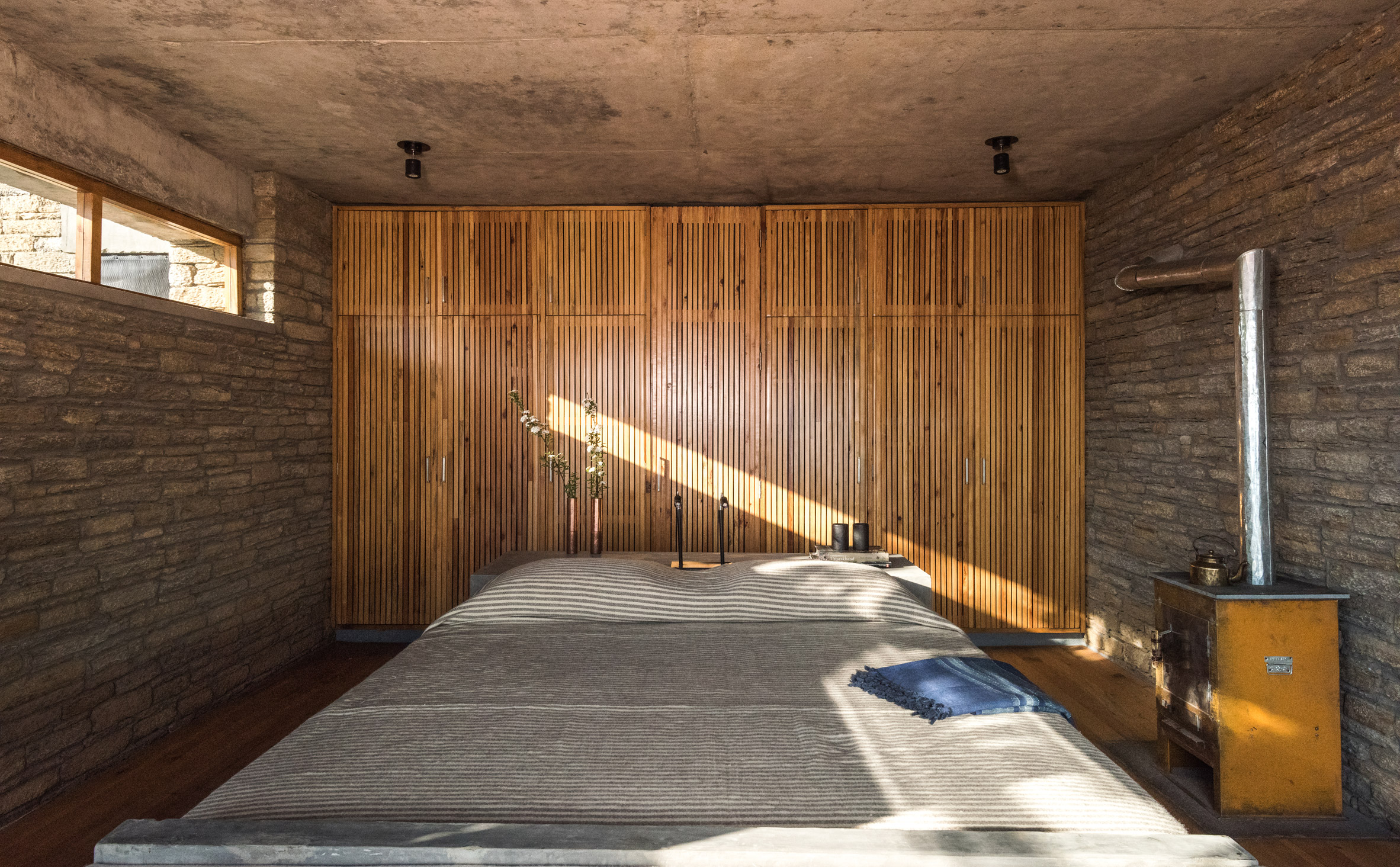
“通过将建筑结构分散在基地周围,同时通过使用竹子包层,我们能够化解建筑在敏感环境下的视觉冲击,”设计师解释说。
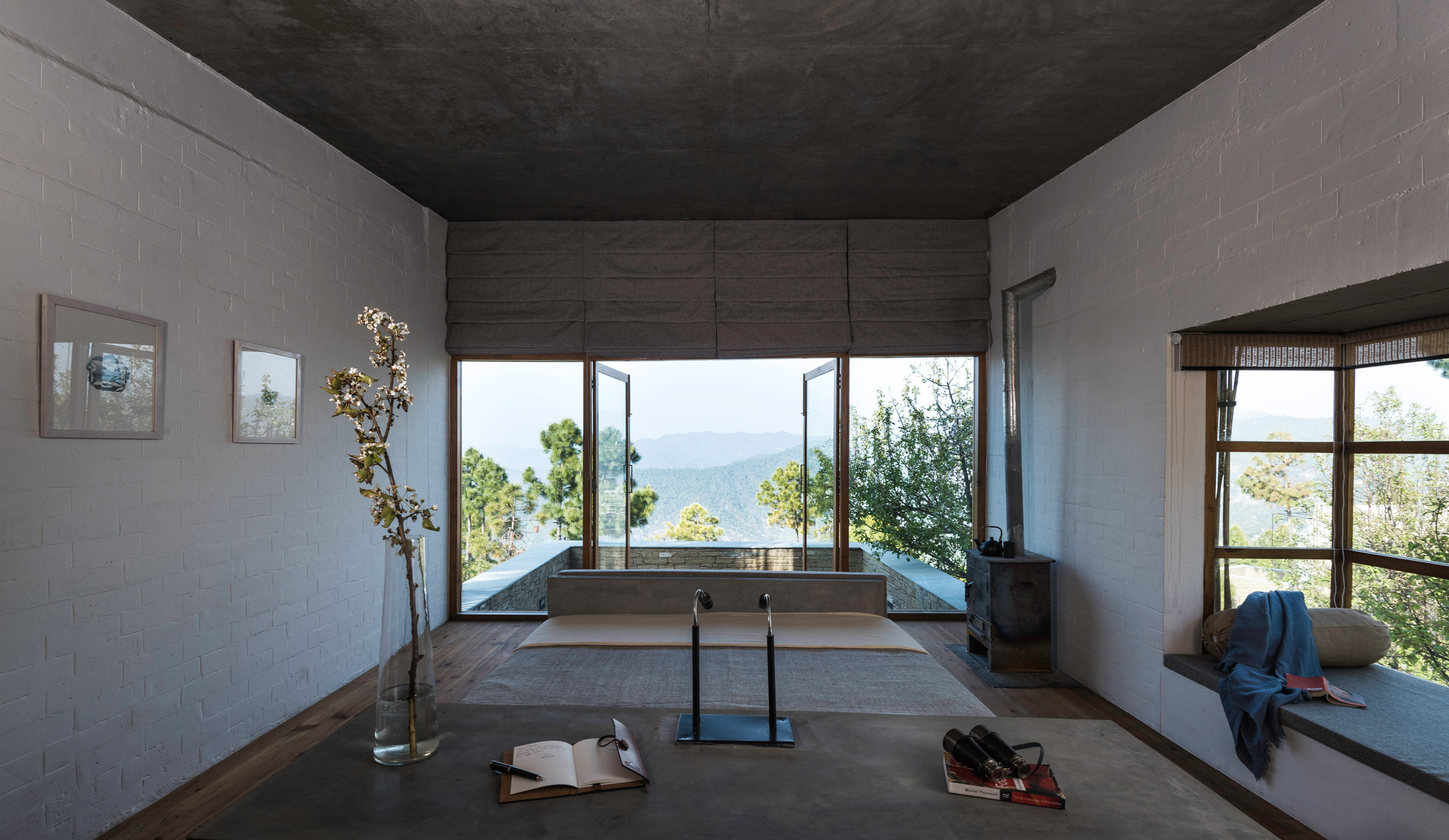
当涉及到酒店的内部设计时,建筑师希望每个空间都能唤起“质朴的简约”。
"By dispersing the built structure around the site and also by using the bamboo cladding we were able to dissolve the visual impact a building such as this can have in a sensitive environment," explained the practice.
When it came to designing the hotel's interiors, the architects wanted each space to evoke "rustic simplicity".
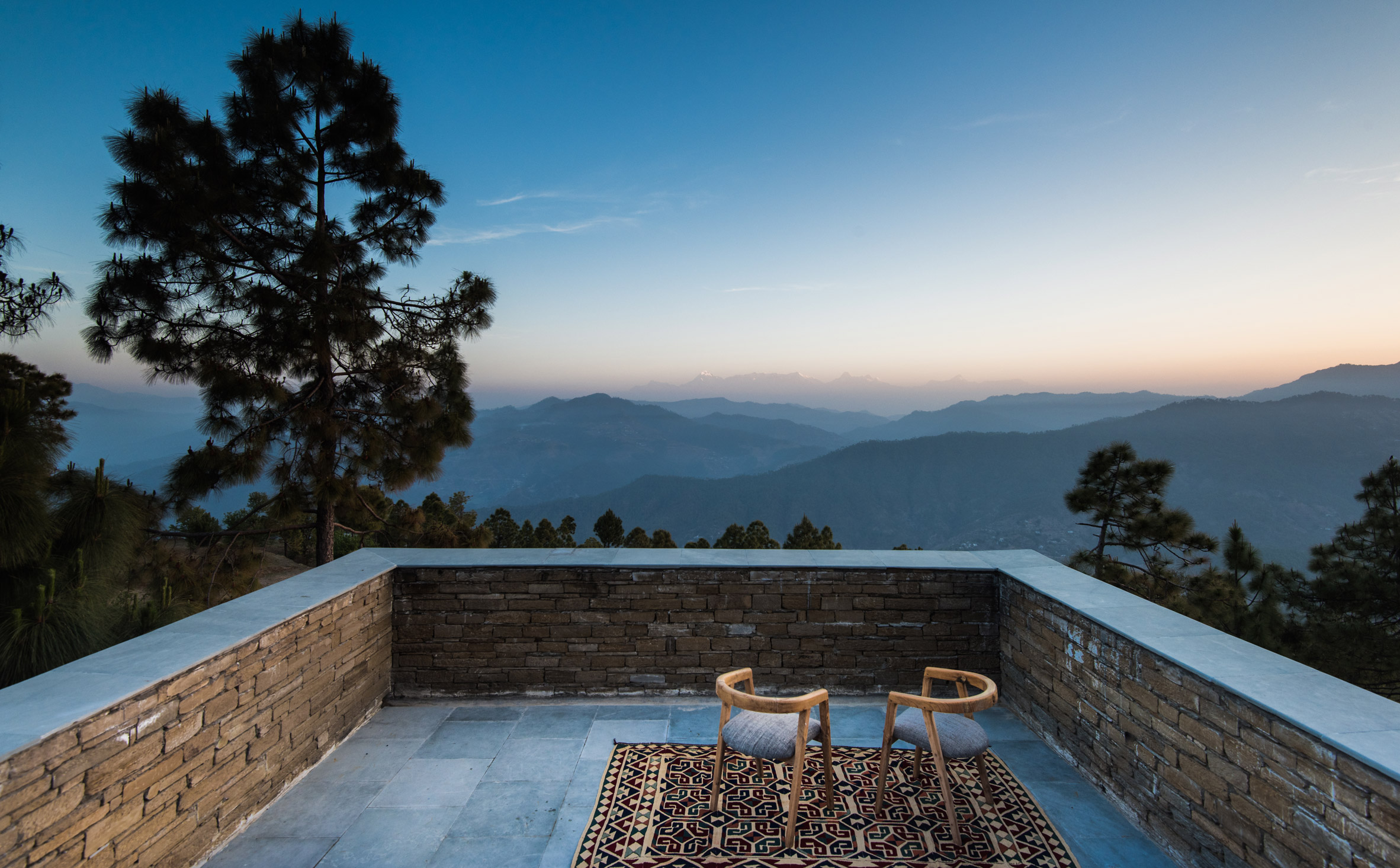
他们使用当地采购的松木作为地板,使用一种叫做Kota的便宜的印度花岗岩来铺设露台和阳台,并留下裸露的混凝土沙发。
每个建筑都使用收集到的雨水,雨水由一个广泛的排水系统收集,这个排水系统通向基地底部的一个大型储水罐。
They employed locally sourced pinewood for the flooring, used an inexpensive Indian granite called Kota for paving terraces and balconies, and left concrete soffits bare.
Each of the buildings are served by harvested rain water, collected by an extensive drainage system that leads to a large storage tank at the bottom of the site.
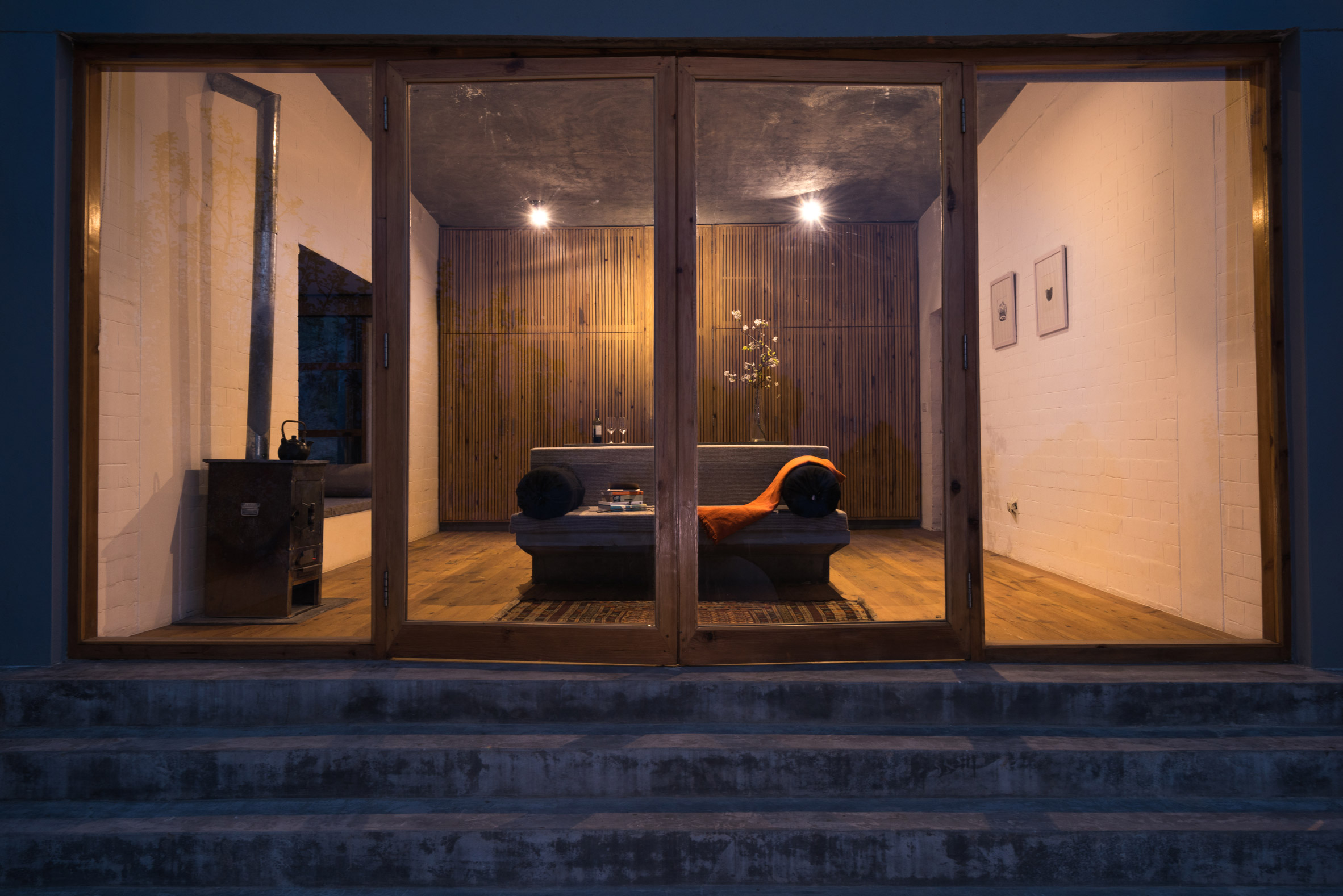
该项目还计划利用场地上的任何剩余土地,种植季节性作物,最终为酒店的厨房生产新鲜农产品。
The practice is also planning to make use of any leftover land on site by planting seasonal crops that will eventually yield fresh produce for the hotel's kitchen.
总部位于新德里的Matra建筑事务所最近在印度的Nainital地区完成了一个度假住宅项目,该项目也提供了喜马拉雅山的景观,以尖顶的木材屋顶为特色,其灵感来自于山峰的形状。
New Delhi-based practice Matra Architects recently completed a holiday home in India's Nainital district that also offers views of the Himalayas, and which features a pointed timber roof inspired by the shape of mountain peaks.
Photography is by Akshay Sharma.
项目参与者
建筑公司:Zowa建筑
项目架构师:Kshitij Agrawal
结构工程师:Harsh Kakar/Swati Consultants顾问
承包商:Harsh Kakar
Project credits:
Architectural firm: Zowa Architects
Project architect: Kshitij Agrawal
Structural engineers: Harsh Kakar/Swati Consultants
Contractor: Harsh Kakar