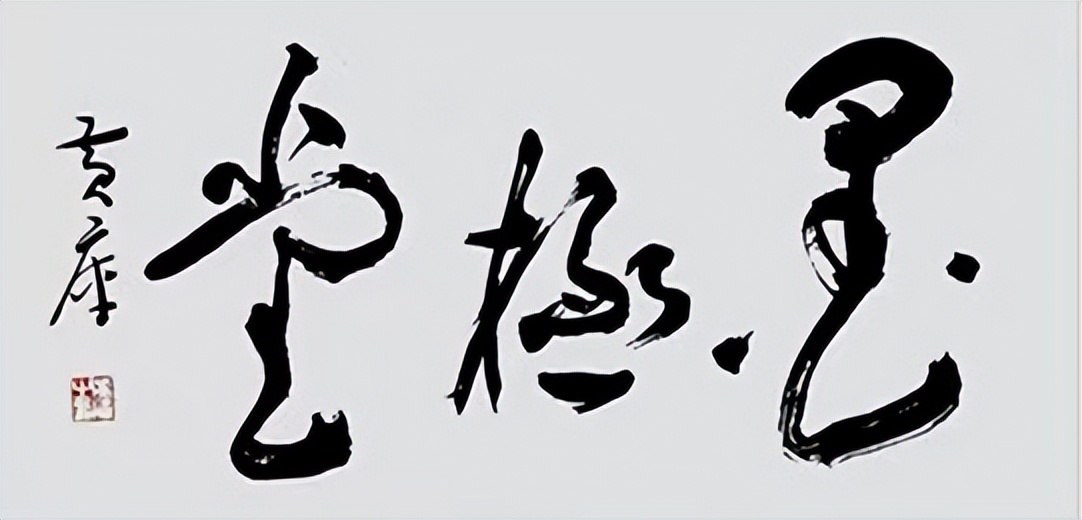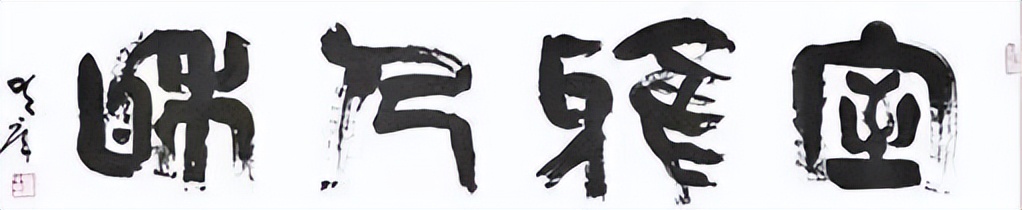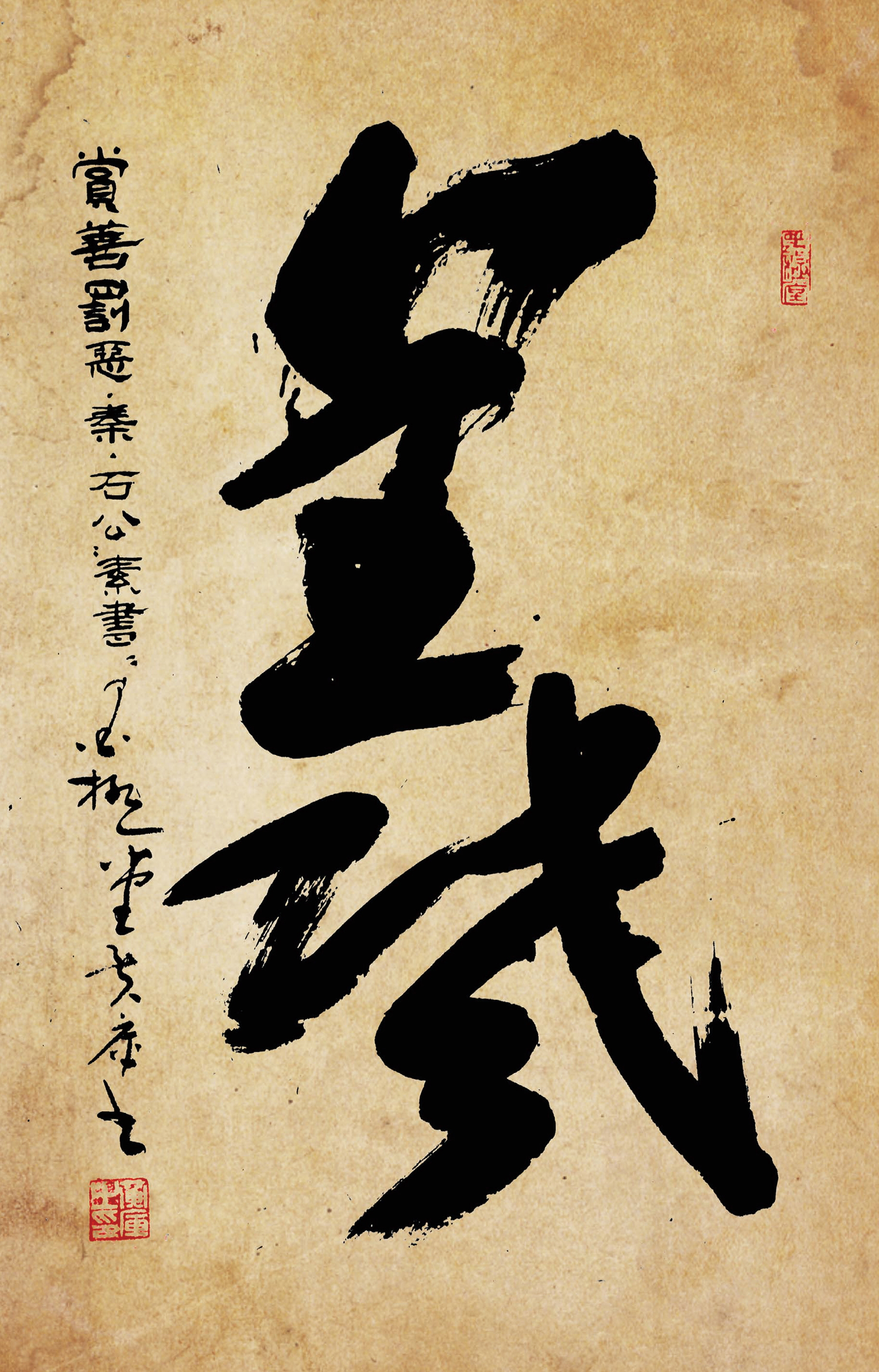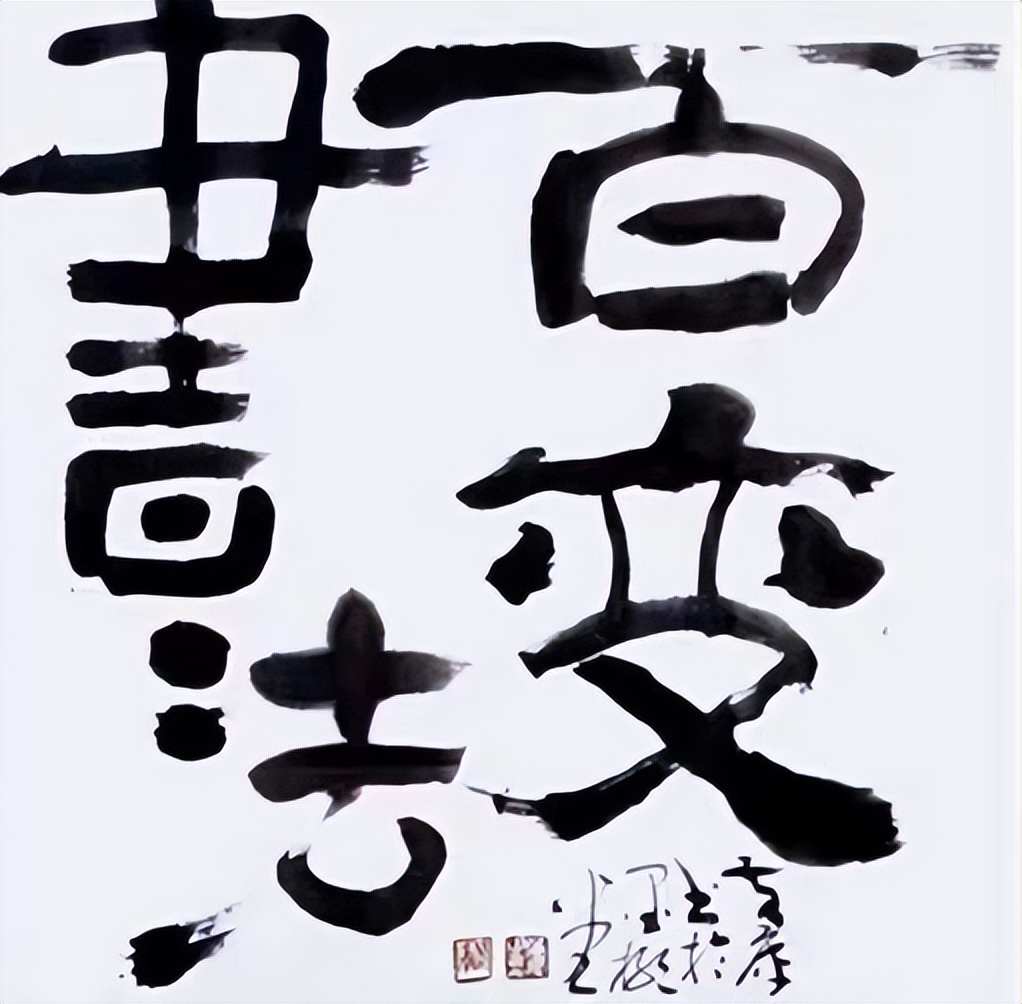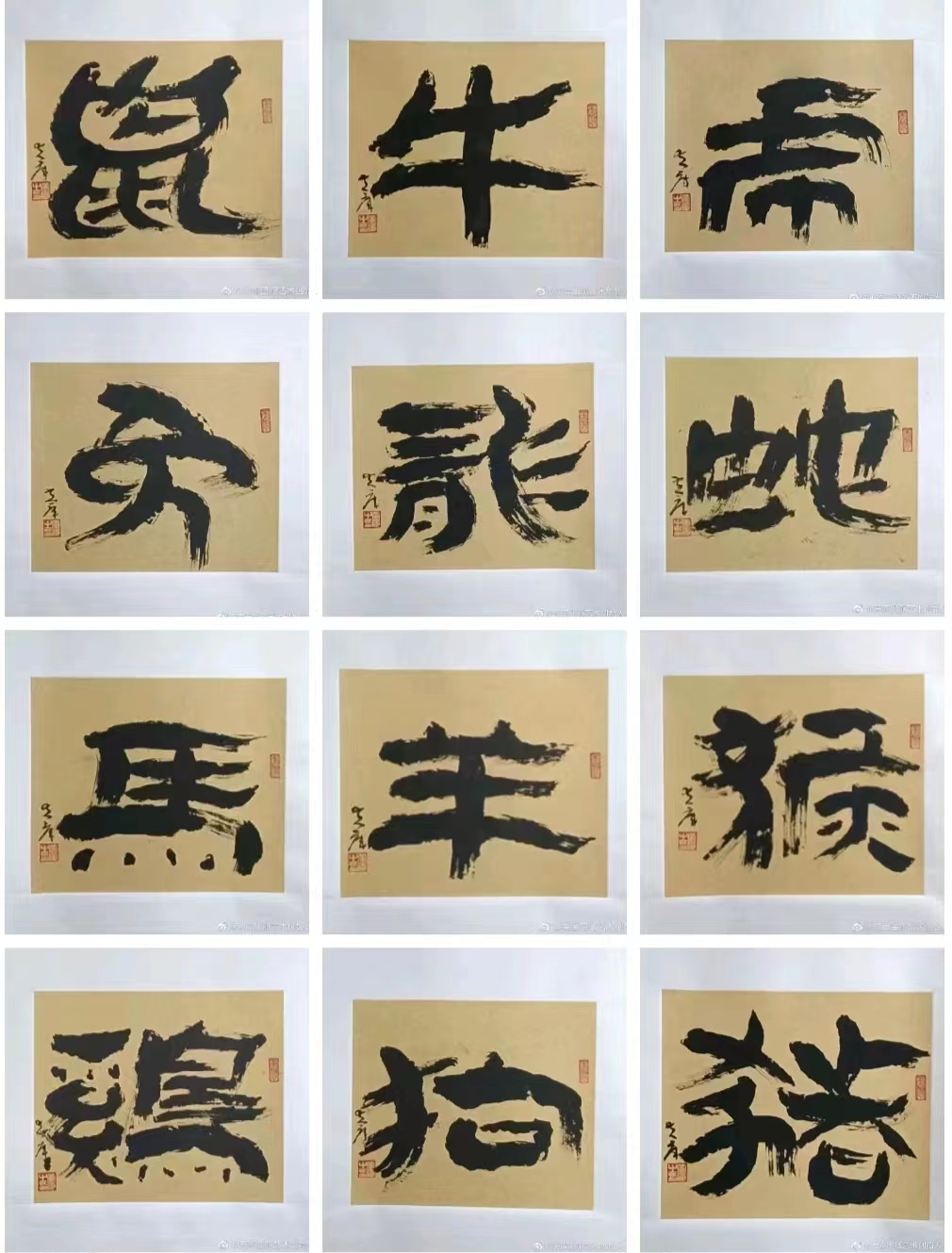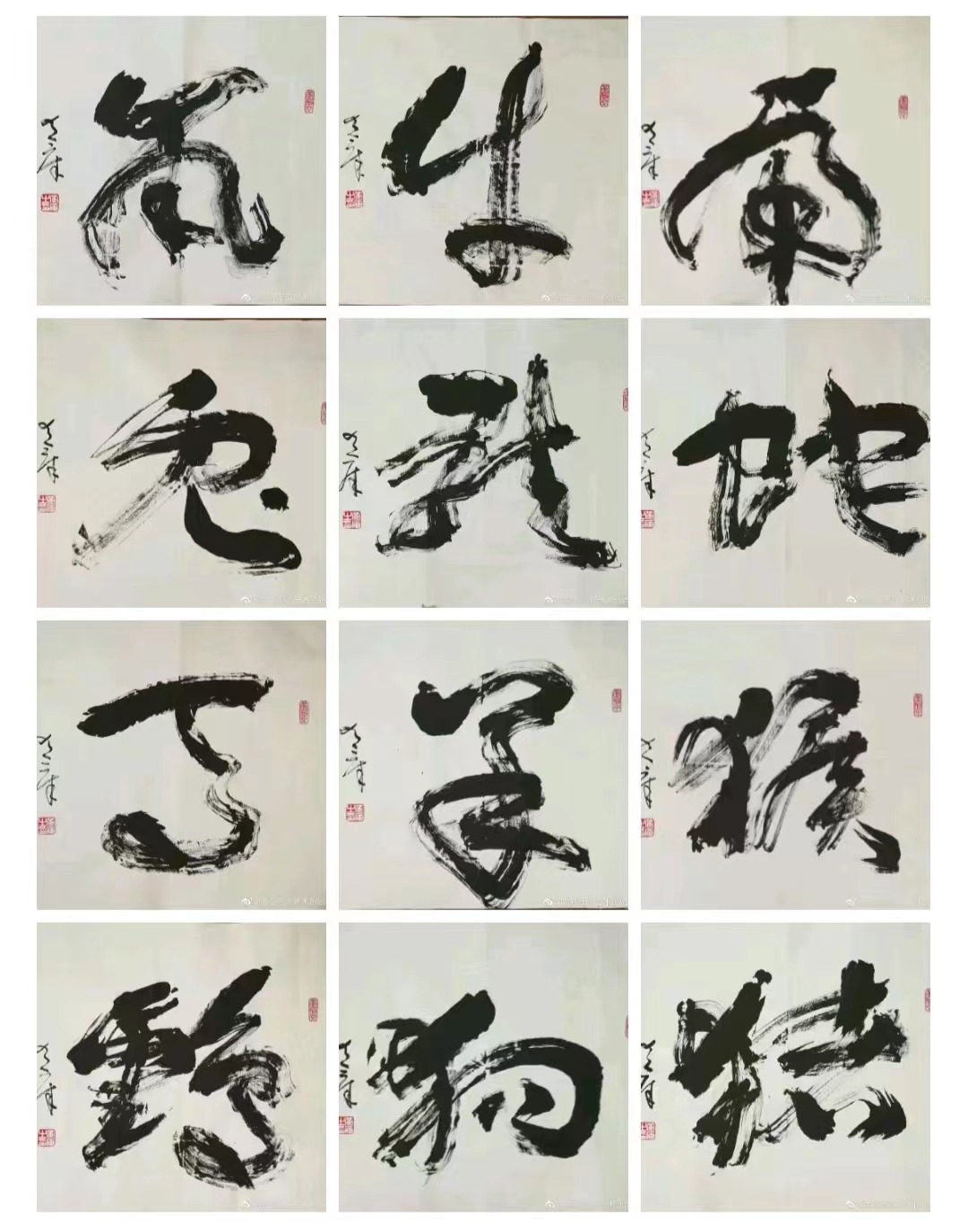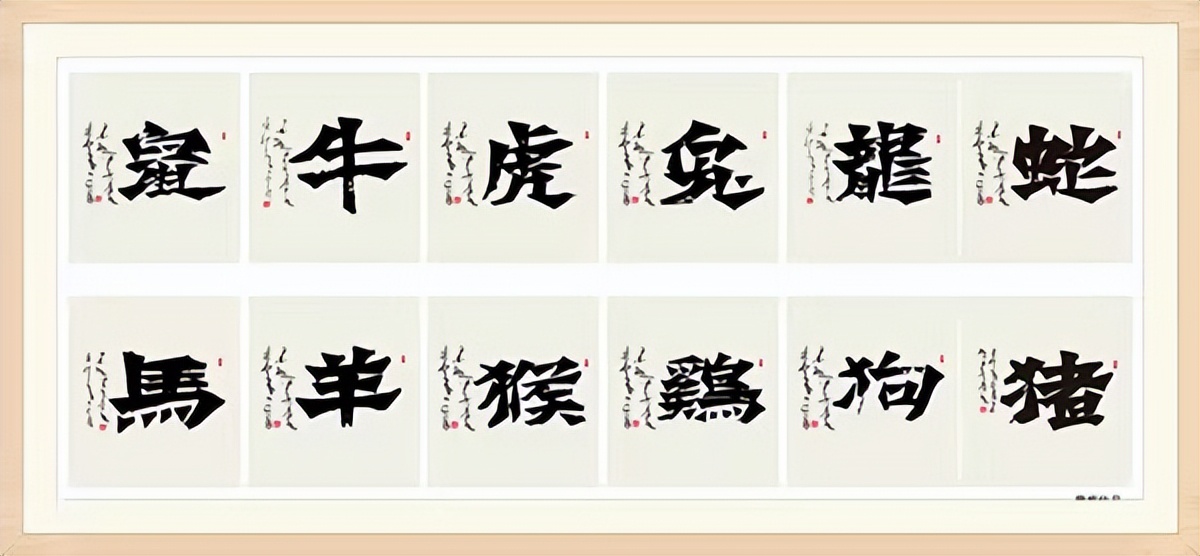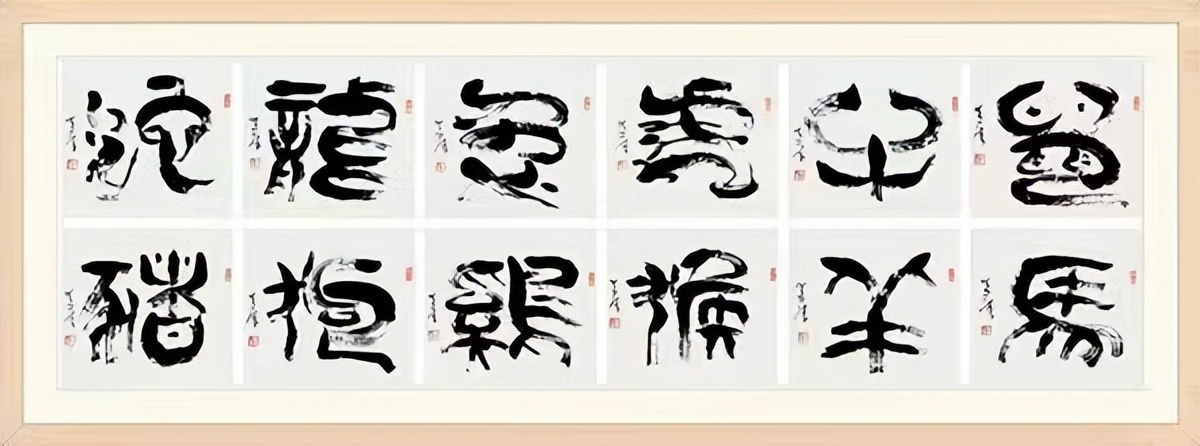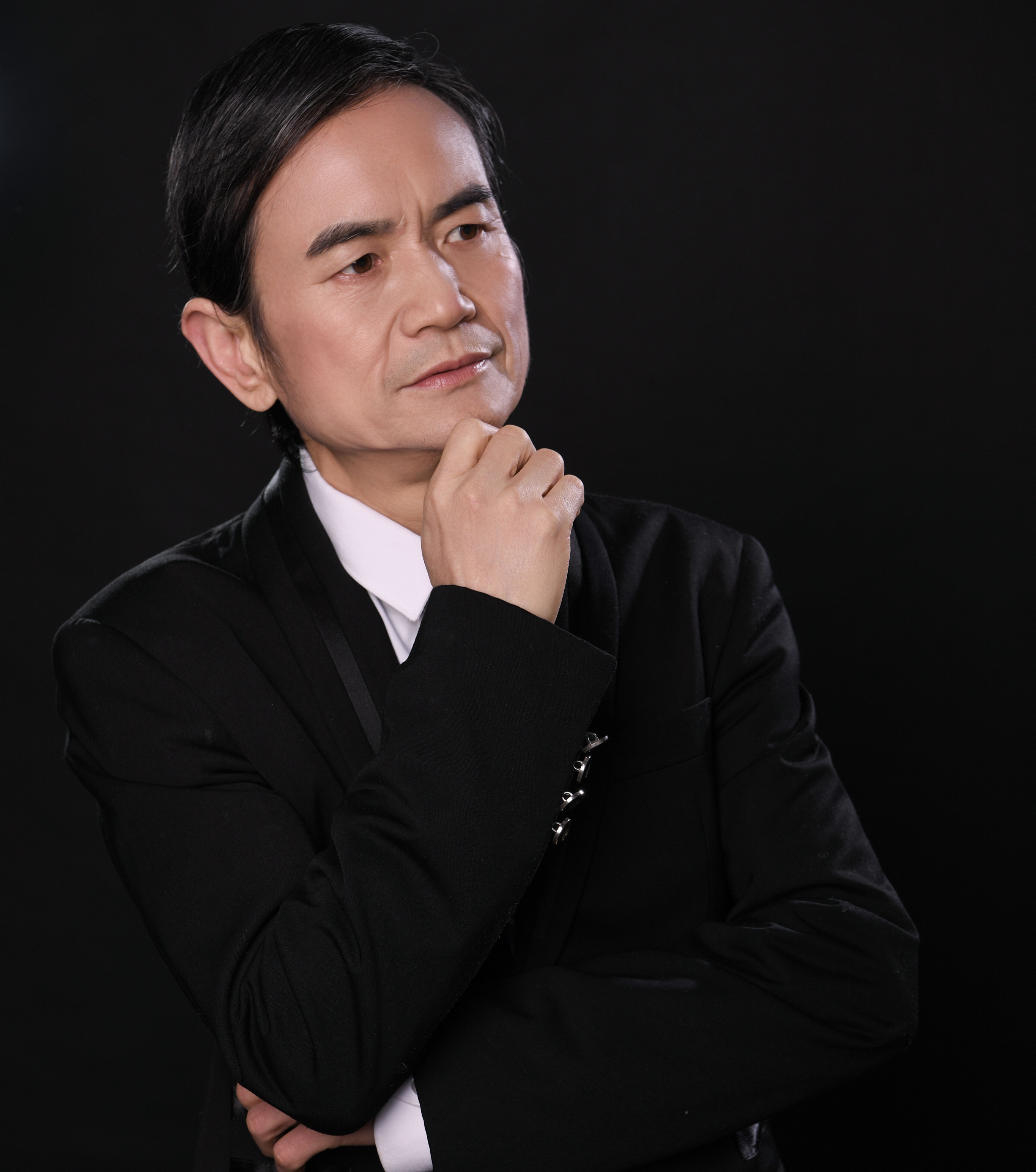
黄库(1957——),笔名狮吼龙吟,斋名墨极堂,中国湖南人。出生于教育世家。荣誉院士。著名书法家、书法理论家、诗人、学者、辞书编纂家、国礼艺术家。“墨派”艺术创始人,“百变书法”宗师,中国“意书”创立者,中国书法学科理论奠基人。
Huang Ku (1957 -), whose pen name is lion roaring and dragon singing, and Zhai name is mojitang, from Hunan, China. Born in an educational family. Honorary academician. Famous calligrapher, calligraphy theorist, poet, scholar, lexicographer, national ritual artist. The founder of "Mo School", the master of "ever changing calligraphy", the founder of "Yi Shu" in China, and the founder of the theory of Chinese calligraphy.
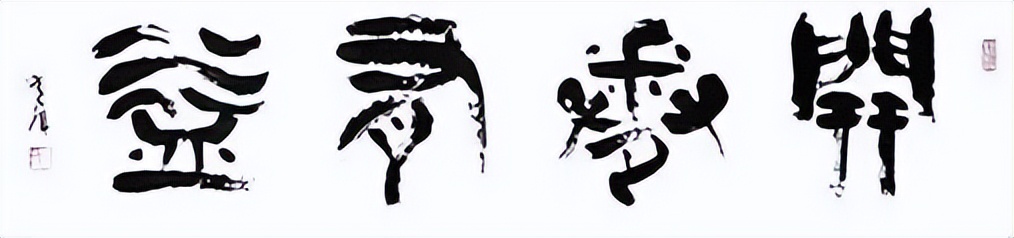
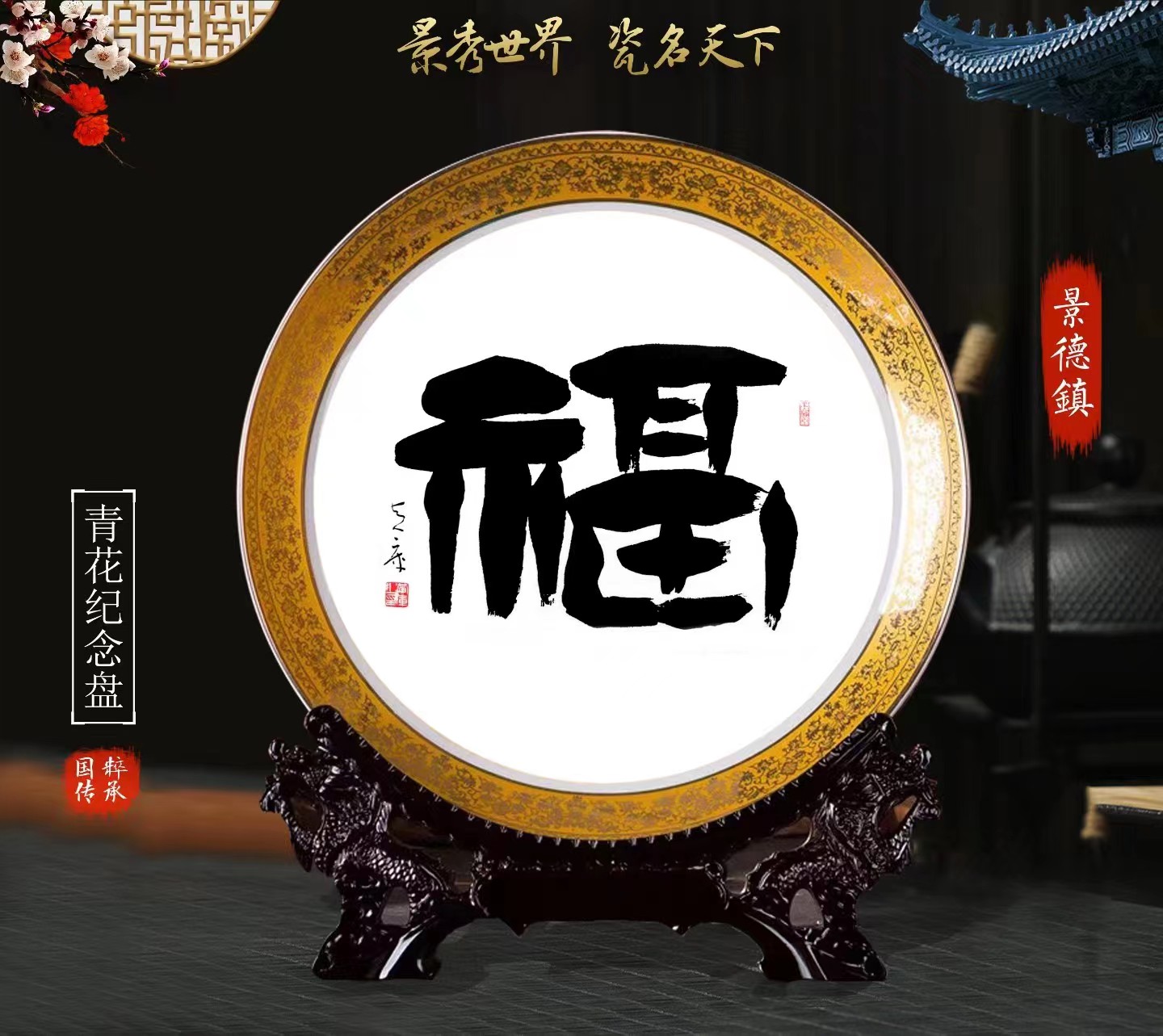
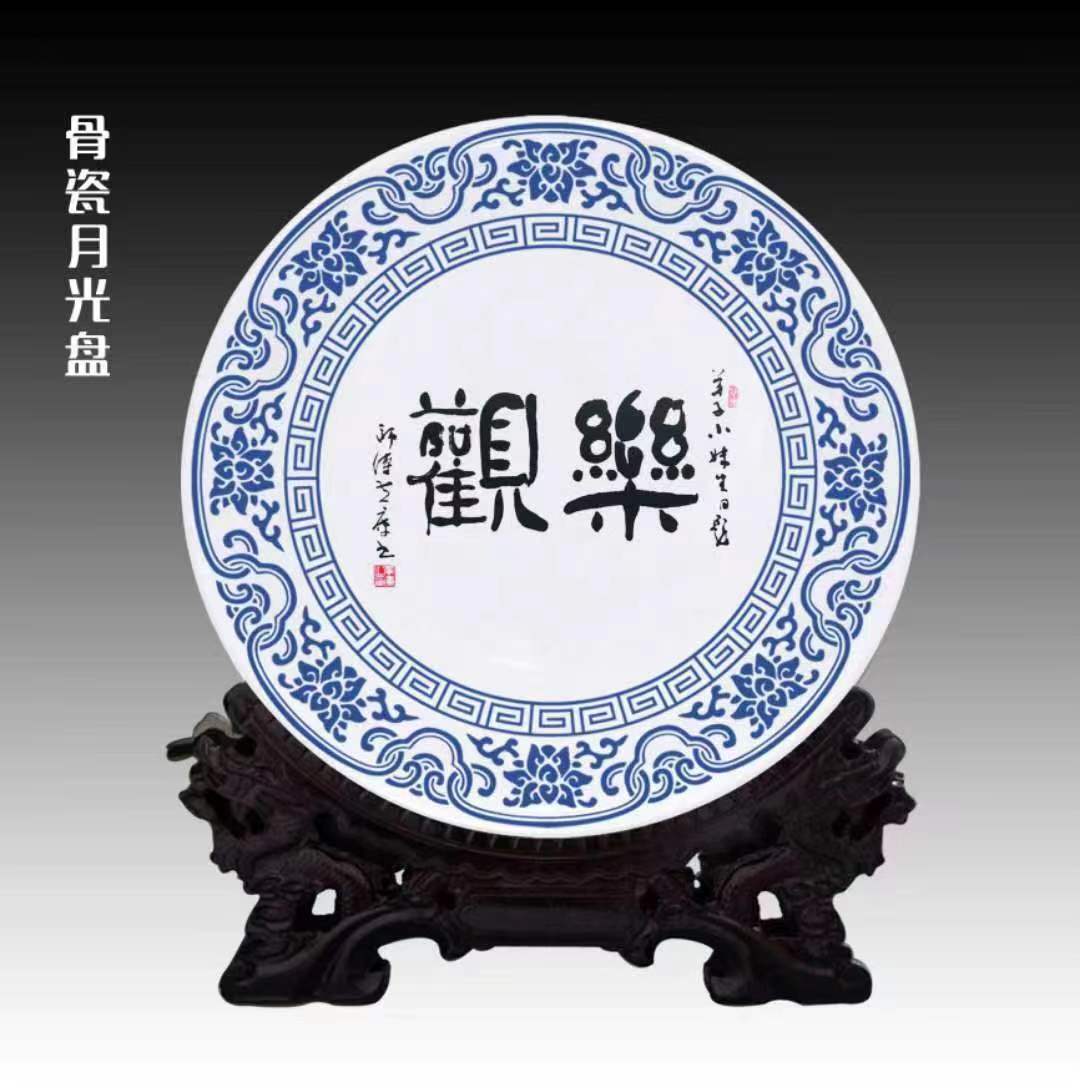
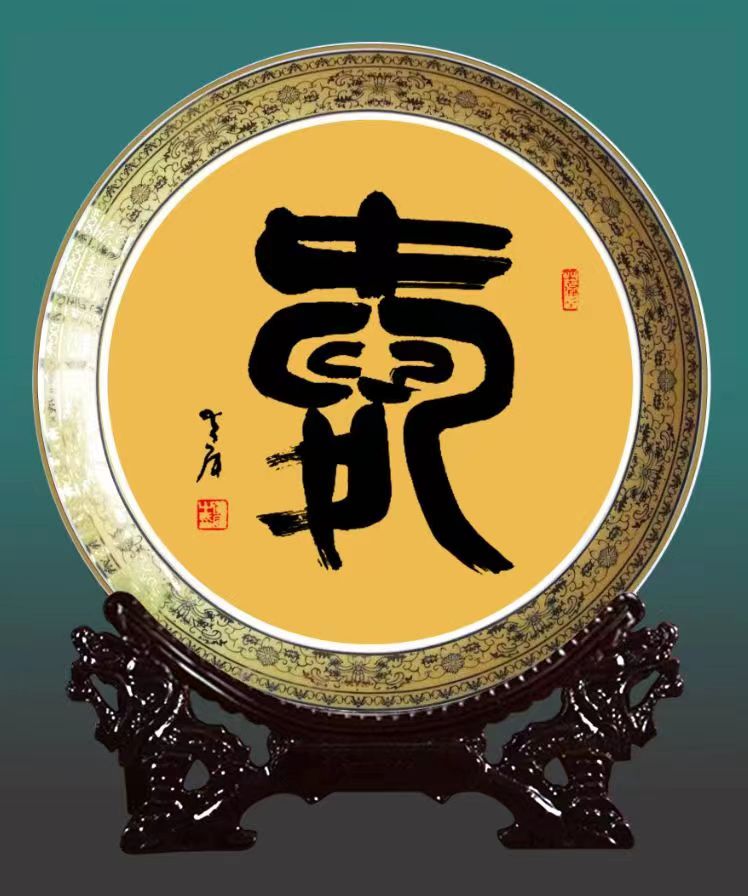
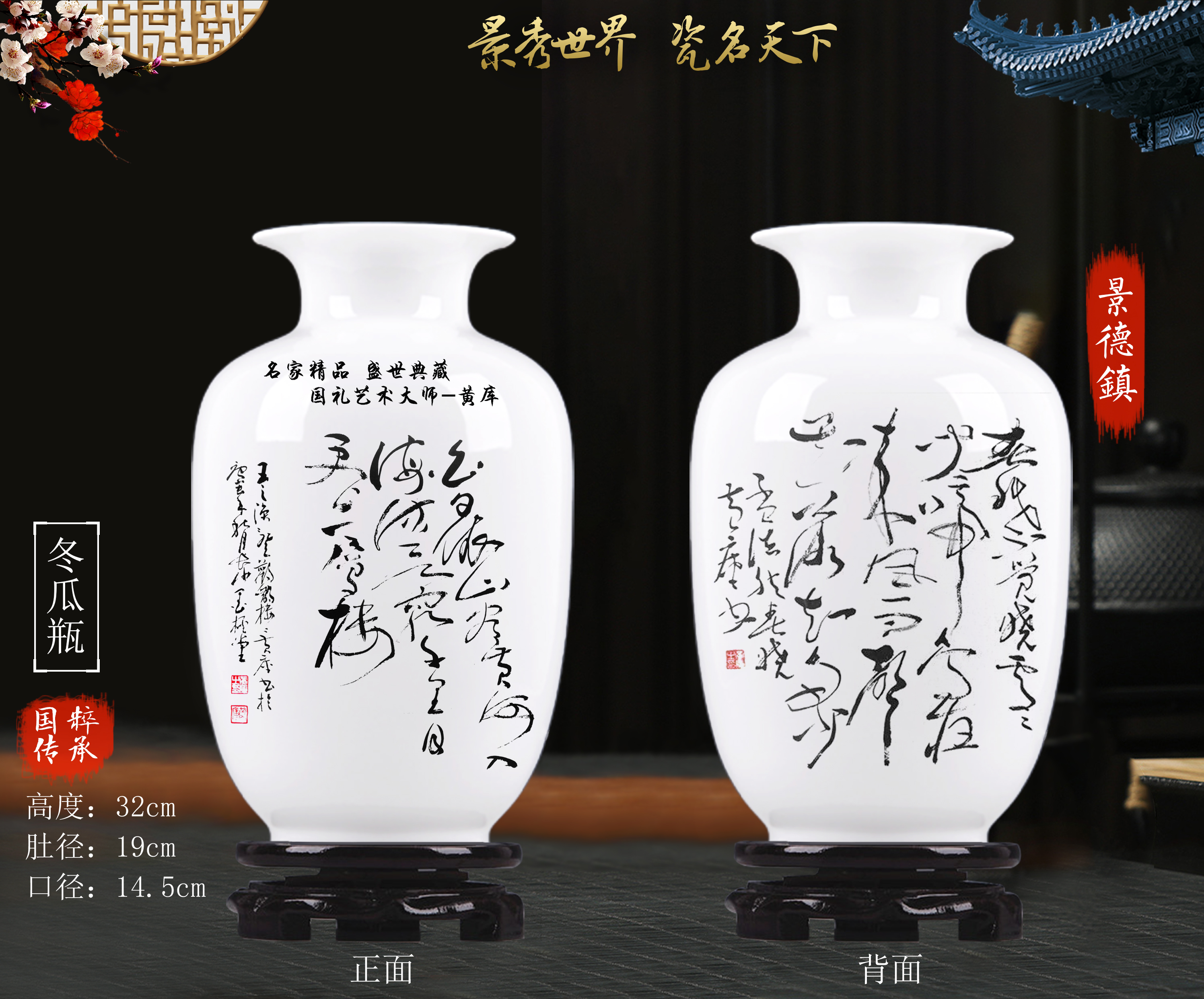
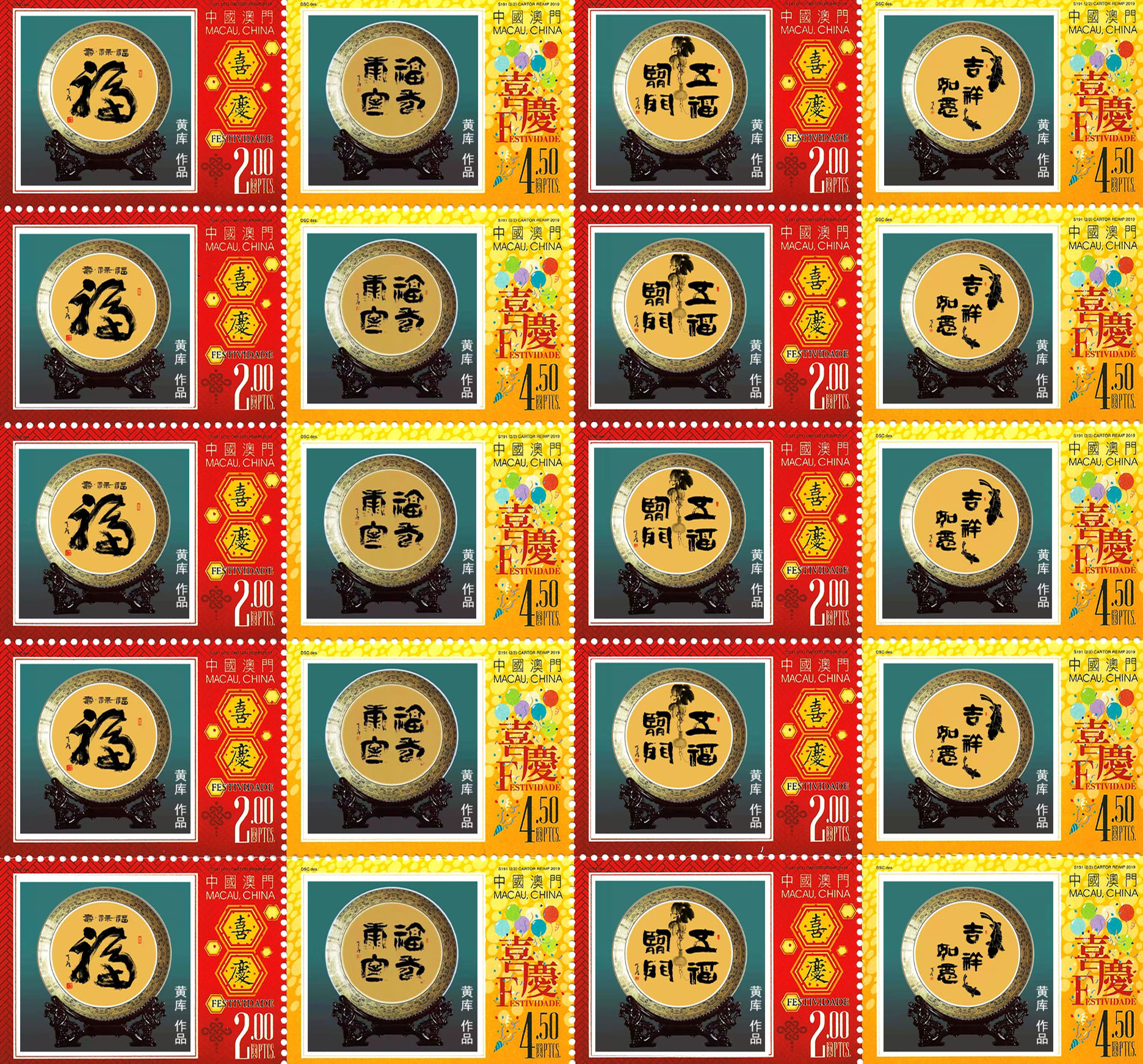
代表著作《辞类》(300万字),耗十年心血,1993年出版发行,填补中国辞书空白。入选《中国社会科学工具书检索大典》,全国公共图书馆和各大专院校图书馆均有收藏并流经海外。书法代表作品被广泛收入国际、国内书画经典并登上国际、国内邮票和景德镇瓷器,12生肖作品已经成为具有标志性的特色文化品牌产品。
The representative work CI Lei (3million words), which took ten years of effort, was published and distributed in 1993, filling the gap in Chinese dictionaries. It has been selected into the "Chinese Social Sciences reference book retrieval dictionary", which is collected by public libraries across the country and libraries of colleges and universities and flows overseas. The representative works of calligraphy have been widely included in international and domestic classics of calligraphy and painting, and have been listed on international and domestic stamps and Jingdezhen porcelain. The 12 zodiac works have become a landmark cultural brand product.
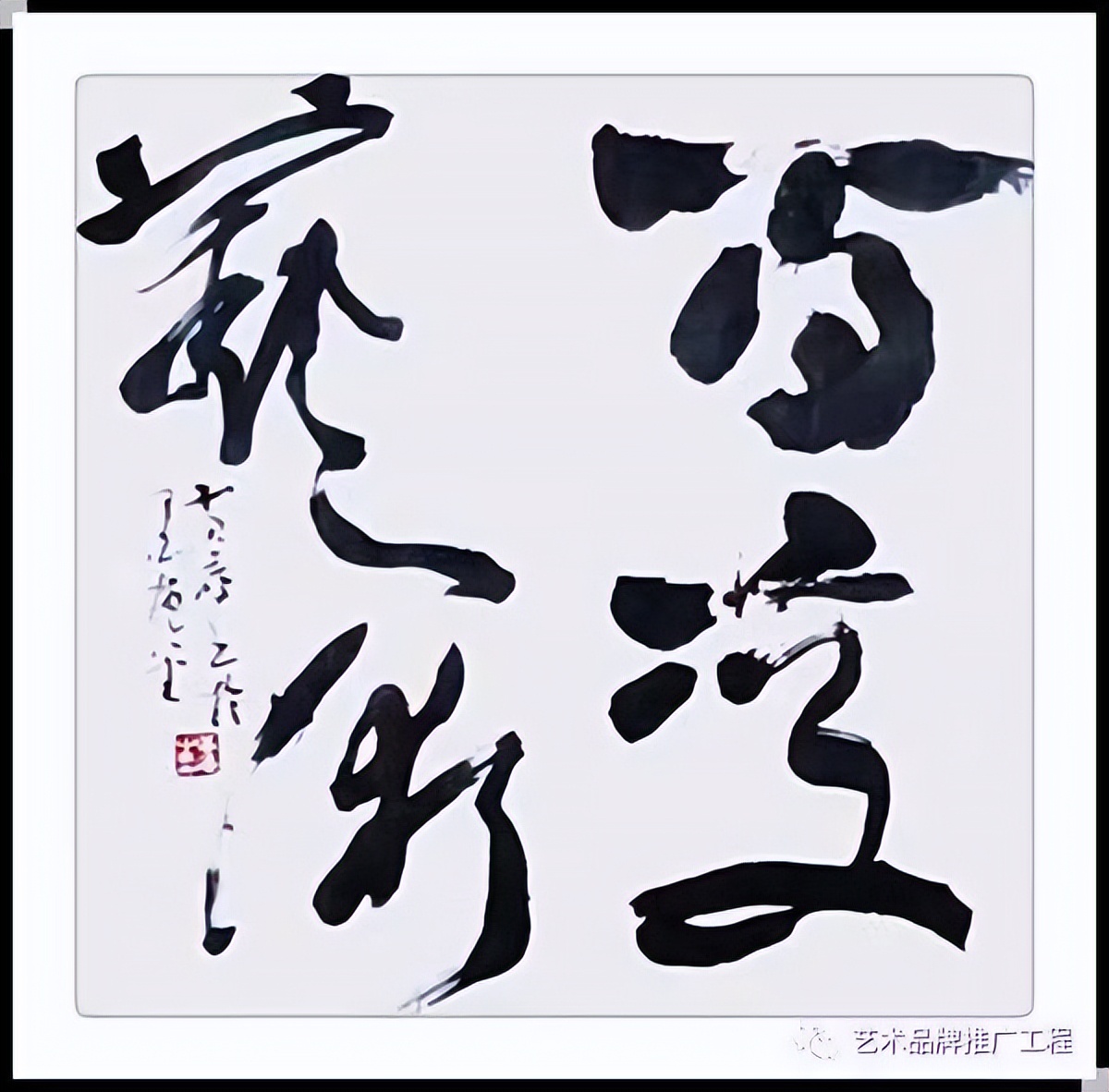
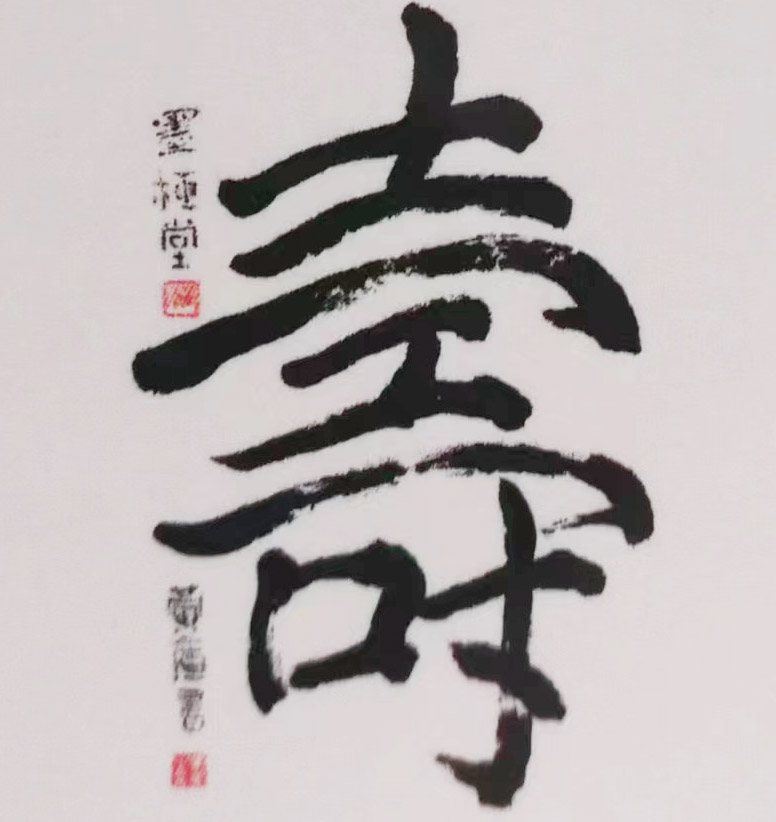
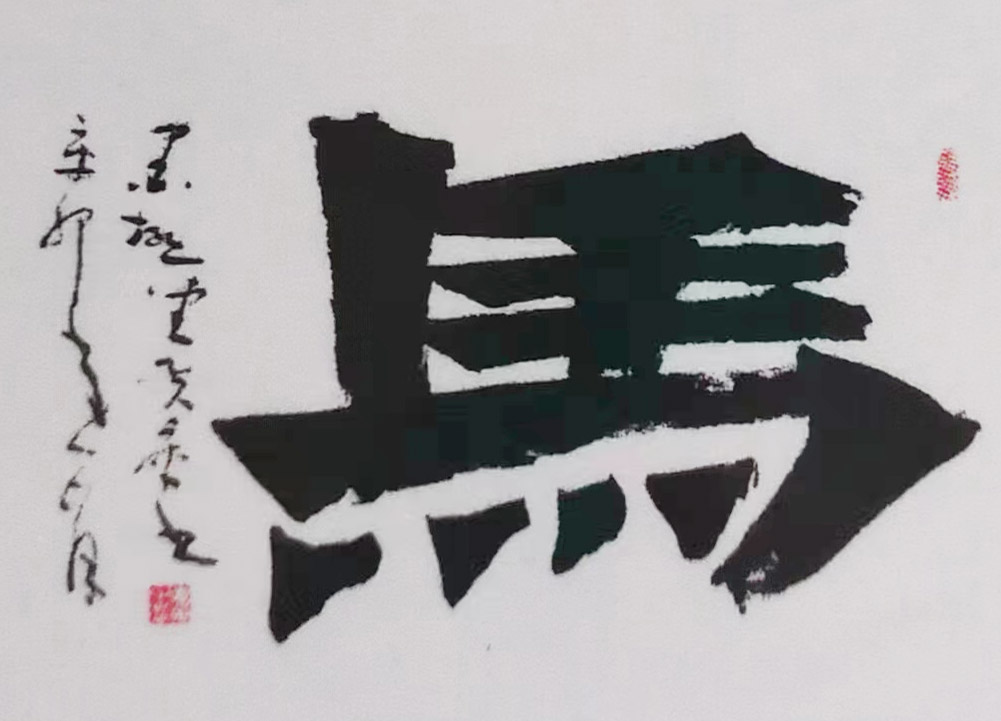
黄库追求书法的“百变性”和作品的“唯一性”。创建“百变书法”、“工意书”等理论,形成“黄体百变书法”和“黄体百变工意书”,其中“黄体意书”和“黄体百变意书”为中国艺术开辟了新的道路,极大地丰富和推动了当代书法艺术,使中国书法从“模式化”艺术走向“非模式化”艺术,从“工书”时代走向“工意书”时代,从经验性书法走向科学理性书法,使中国书法形成完整的艺术形态,逐步迈向学科性艺术门类。
Huang Ku pursues the "variability" of calligraphy and the "uniqueness" of his works. Create theories such as "variable calligraphy" and "working calligraphy", and form "variable calligraphy in yellow body" and "variable working calligraphy in yellow body". Among them, "variable calligraphy in yellow body" and "variable calligraphy in yellow body" have opened up a new path for Chinese art, greatly enriched and promoted contemporary calligraphy art, and made Chinese calligraphy move from "patterned" art to "non patterned" art, and from the era of "working calligraphy" to the era of "working calligraphy", From empirical calligraphy to scientific and rational calligraphy, Chinese calligraphy has formed a complete artistic form and gradually moved towards a disciplinary art category.
黄库是中国孔子奖章、法国艺术及文学骑士勋章、俄罗斯文化骑士勋章获得者。2019年被授予“世界殿堂级艺术大师”,相继登上纽约时代广场纳斯达克大屏和“时代周刊”。近年来被授予“中华传奇”、“一代宗师”、“国家艺术功勋人物”、“国际和平艺术家”、“中国传统文化终身成就奖”、“人民艺术家”、“诺贝尔国际文化奖”、“世界非物质文化终身成就奖”、“世界非物质文化传承人”、“联合国非物质文化功勋”等荣誉称号。2015年成立“黄库艺术研究会”,2021年成立“黄库艺术馆”(北京)。中央电视台人物专访片有《写意人生——黄库》(2012年)《黄库艺术人生》(2019年)等。2022年入编史书典籍《印象中国》,被雅昌、翰海、保利、佳士得联合评选推荐并出版“中国权威收藏书籍•中国艺术品软黄金”当代艺术名家。其传略入录《世界名人录》《世界文化名人辞海》《中国当代艺术界名人录》《中国语言学人名大辞典》等。
Huang Ku is the winner of the Confucius Medal of China, the order of Knight of French art and literature, and the order of Knight of Russian culture. In 2019, he was awarded "World Palace level master of art", and successively appeared on the NASDAQ screen of times square in New York and "time weekly". In recent years, he has been awarded honorary titles such as "Chinese legend", "great master", "national art meritorious figure", "international peace artist", "lifetime achievement award of Chinese traditional culture", "people's artist", "Nobel Prize for international culture", "lifetime achievement award of world intangible culture", "inheritor of world intangible culture", "United Nations intangible cultural merit", etc. The "huangku Art Research Association" was established in 2015, and the "huangku Art Museum" (Beijing) was established in 2021. CCTV person interview films include freehand life - Huang Ku (2012) and Huang Ku art life (2019). In 2022, he was included in the history book "impression of China", which was jointly selected and recommended by Yachang, Hanhai, poly and Christie's, and published the contemporary art master of "Chinese authoritative collection books • soft gold of Chinese art". His biography has been included in the world who is famous, the world cultural celebrities dictionary, the Chinese contemporary art celebrities, the Chinese Linguistics Dictionary of names, and so on.
黄库现为中国书画家联谊会新文艺群体书画工作委员会委员、央媒文化组委会艺术会员、中国国际艺术馆名誉馆长、腾讯新闻艺术顾问,西班牙皇家艺术家协会会员、法兰西皇家美术学院艺术学博士、英国皇家艺术研究院荣誉院士、客座教授等。
Huang Ku is now a member of the calligraphy and painting working committee of the new literary and art group of the Chinese Calligraphers and Painters Association, an art member of the central media culture organizing committee, an honorary curator of the China International Art Museum, an art consultant of Tencent News, a member of the Royal Spanish Artists Association, a doctor of art of the Royal Academy of Fine Arts in France, an honorary academician of the Royal Academy of art in Britain, a visiting professor, etc.
[黄库文论]
黄库书法艺术观
(一)
“中国书法要发展,就要理论先行。中国传统书法要创新发展,就要创立书法学科理论,有了书法学科理论,才会有中国书法的纵深发展和全面发展。”
“要想做一位伟大的书法家,也要理论先行。”
“艺术在于发现美和表现美。美被人类创造而又被人类自己欣赏。艺术是借自然之美悦人类之心的!书法家的使命就是:将普通的汉字变换成汉字艺术,然后将汉字艺术提升到艺术汉字的高度而进入美术领域,使书法艺术真正成为与绘画、音乐、舞蹈等艺术齐名的艺术门类。”
“书法艺术要发展必须坚持理论先行,必须重视学科理论的研究。”
“书法艺术只有形成学科理论,才能立足于世界艺术之林。”
[Huang kuwen Lun]
Huang Ku's artistic view of calligraphy
(I)
"To develop Chinese calligraphy, we need theory first. To innovate and develop Chinese traditional calligraphy, we need to establish the discipline theory of calligraphy. With the discipline theory of calligraphy, we can have the in-depth development and all-round development of Chinese calligraphy."
"If you want to be a great calligrapher, you also need to put theory first."
"Art lies in discovering and expressing beauty. Beauty is created by human beings and appreciated by human beings themselves. Art delights the hearts of human beings through the beauty of nature! The mission of calligraphers is to transform ordinary Chinese characters into Chinese character art, and then raise the art of Chinese characters to the height of artistic Chinese characters and enter the field of art, so that calligraphy art can truly become an art category as famous as painting, music, dance and other arts."
"To develop the art of calligraphy, we must adhere to the theory first and pay attention to the research of discipline theory."
"Only by forming discipline theory, can calligraphy be based on the forest of world art."
“要把中国书法建设成为学科性艺术理论,就要大胆想象,大胆创新,大胆实践!”
“书法是最大艺术:书法的存在空间很大,书法的表现空间很大,书法的发展空间很大。文字能抵达的地方,它能抵达;思想能抵达的地方,它能抵达;心灵能抵达的地方,它能抵达;美能抵达的地方,它能抵达。书法是最高艺术:它在思想的高空显现尊容,显现品格,显现美!”
“书法,是最大艺术,或者说是最高艺术,但这要靠系统理论来支撑。”
"To build Chinese calligraphy into a disciplinary art theory, we must be bold in imagination, innovation and practice!"
"Calligraphy is the greatest art: calligraphy has a large space for existence, expression and development. Where words can reach, they can reach; where thoughts can reach, they can reach; where hearts can reach, they can reach; where beauty can reach, they can reach. Calligraphy is the highest art: it shows respect, character and beauty in the height of thoughts!"
"Calligraphy is the greatest art, or the highest art, but it depends on system theory."
“在人类活动中,科学是最伟大的产物,艺术是最美的产物。在精神世界里,思想是最神秘的东西,书法是最神妙的东西。”
“书法是中国人智慧的象征,是中国人性格的写照,是中国人最值得骄傲的理由之一。”
“汉字和汉字书法最能体现中华民族的智慧与伟大,最值得中华民族的骄傲和自豪!”
“中国艺术,抽掉书法则无本;中国文化,抽掉汉字则无存;中国文明,抽掉国粹则无文;中华民族,抽掉传统则*国亡**。”
“汉字与汉字书法是中华民族的两只眼睛,中华民族用这两只眼睛看世界!”
"To build Chinese calligraphy into a disciplinary art theory, we must be bold in imagination, innovation and practice!"
"Calligraphy is the greatest art: calligraphy has a large space for existence, expression and development. Where words can reach, they can reach; where thoughts can reach, they can reach; where hearts can reach, they can reach; where beauty can reach, they can reach. Calligraphy is the highest art: it shows respect, character and beauty in the height of thoughts!"
"Calligraphy is the greatest art, or the highest art, but it depends on system theory."
(二)
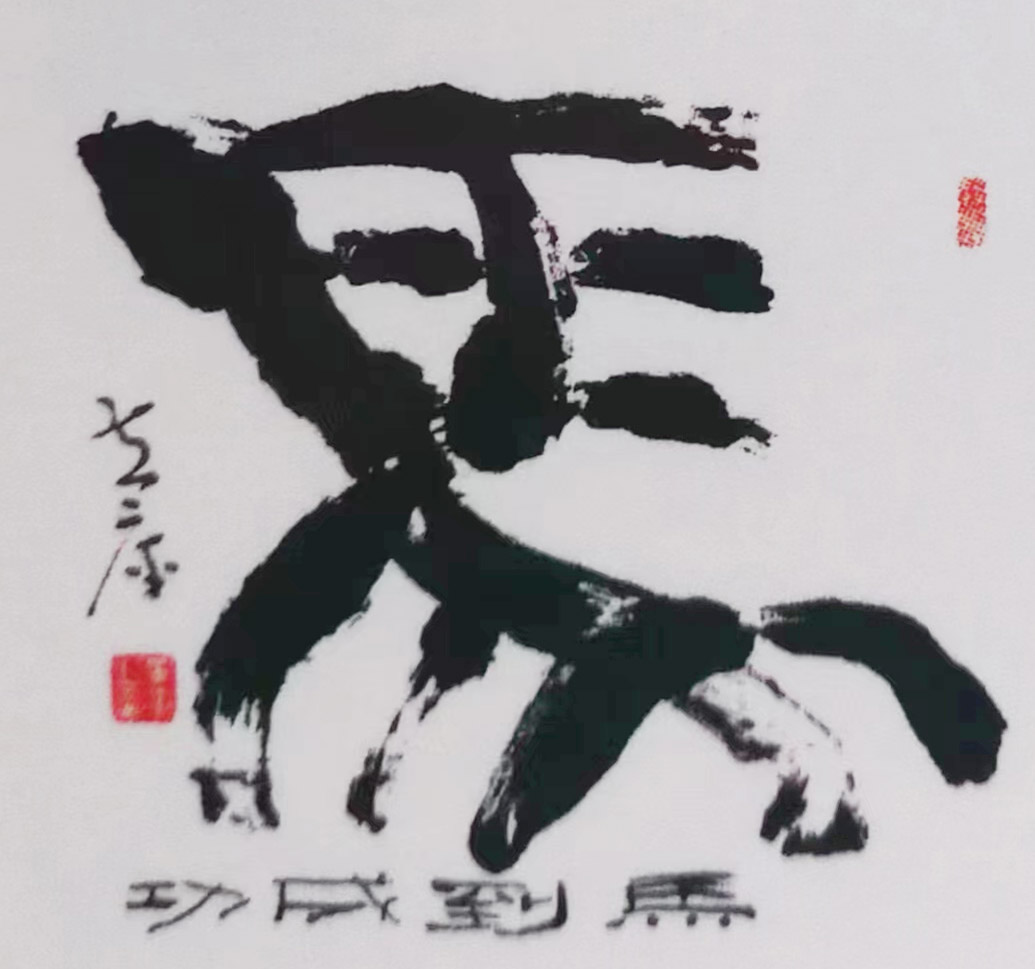
“书法艺术:简单、崇高而美!”
“书法艺术是一件最漂亮的精神外衣,是一种最震撼的心灵艺术。”
“书法是形式与内容、形象与精神、美与人文结合得最为完美的一种艺术。”
“书法:首先是汉字,然后才是艺术。”
“书法是‘等线艺术’和‘非等线艺术’的总和。 ”
“中国书法是‘母子书法’。是‘母书’与‘子书’的总和。”
“象元素,是书法审美和造型的根本所在;是书法艺术最小的构件单位和学科理论奠基性术语。 ”
“书法是‘一笔艺术’,这一笔是阴阳‘S’曲线。又简称为:‘S’艺术。 ”
“书法是造型艺术,是‘几何’造型艺术,是‘S’几何造型艺术。”
“中国书法存在着二种审美体系:一种是“工书”审美体系,一种是‘意书’审美体系。‘工书’审美体系已经形成,五千年的传统书法就是‘工书’审美体系。‘意书’审美体系由黄库探索并初创,有待深入和推广、巩固和发展。”
“中国书法存在着二大风格体系,即‘工书’和‘意书’风格体系。传统书法是‘工书’风格体系,‘意书’风格体系由黄库先生开创。严格地说,中国书法是由‘工书’和‘意书’构成完备的书法艺术体系。故中国书法是‘工意书’艺术。”
“传统书法有篆书、隶书、楷书、行书、草书‘五体’之说。《书法学》(黄库著述)则有‘工书’和‘意书’之说。传统书法‘工书’:即工篆、工隶、工楷、工行、工草,‘五工’书法;中国书法‘意书’:即意篆、意隶、意楷、意行、意草,‘五意’书法。‘工意’书法使中国书法艺术完备起来。”
“中国书法篆书可分‘工篆’和‘意篆’,隶书分‘工隶’和‘意隶’,楷书分‘工楷’和‘意楷’,行书分‘工行’和‘意行’,草书分‘工草’和‘意草’。‘工意书’学说使传统书法提升到中国书法的学科艺术层面。”
(II)
"Calligraphy Art: simple, noble and beautiful!"
"Calligraphy is the most beautiful spiritual coat and the most shocking spiritual art."
"Calligraphy is the most perfect combination of form and content, image and spirit, beauty and humanities."
"Calligraphy: first, Chinese characters, then art."
"Calligraphy is the sum of 'equal line art' and 'non equal line art'."
"Chinese calligraphy is' mother son calligraphy '. It is the sum of' mother calligraphy 'and' son calligraphy '."
"Image element is the foundation of calligraphy aesthetics and modeling; it is the smallest component unit of calligraphy art and the fundamental term of discipline theory."
"Calligraphy is' one stroke art ', which is the's' curve of yin and Yang. It is also called's' art for short."
"Calligraphy is a plastic art, a 'geometric' plastic art, and an's' geometric plastic art."
"There are two aesthetic systems in Chinese Calligraphy: one is the aesthetic system of" Gongshu "and the other is the aesthetic system of" Yishu "‘ The aesthetic system of "Gongshu" has been formed, and the 5000 year old traditional calligraphy is the aesthetic system of "Gongshu"‘ The aesthetic system of "Yi Shu" was explored and initially established by Huang Ku, which needs to be further promoted, consolidated and developed. "
"There are two style systems in Chinese calligraphy, namely 'Gongshu' and 'Yishu' style systems. Traditional calligraphy is a 'Gongshu' style system, and the 'Yishu' style system was created by Mr. Huang Ku. Strictly speaking, Chinese calligraphy is a complete calligraphy art system composed of 'Gongshu' and 'Yishu'. Therefore, Chinese calligraphy is a 'Gongyi' art."
"Traditional calligraphy has five styles: seal script, official script, regular script, running script and cursive script." Calligraphy (written by Huang KU) There are "Gongshu" and "Yishu". Traditional calligraphy 'Gongshu': that is, gongzhuan, Gongli, Gongkai, Gongxing, Gongcao, 'five gongs' calligraphy; Chinese calligraphy 'Yishu': that is, Yizhuan, Yili, Yikai, Yixing, Yicao, 'five meanings' calligraphy‘ Gongyi 'calligraphy makes the art of Chinese calligraphy complete. "
"Chinese calligraphy seal script can be divided into 'gong Zhuan' and 'Yi Zhuan', official script can be divided into 'Gong Li' and 'Yi Li', regular script can be divided into 'Gong Kai' and 'Yi Kai', running script can be divided into 'Gong Xing' and 'Yi Xing', cursive script can be divided into 'gong Cao' and 'Yi Cao'. The theory of 'Gong Yi Shu' promotes traditional calligraphy to the level of discipline art of Chinese calligraphy."
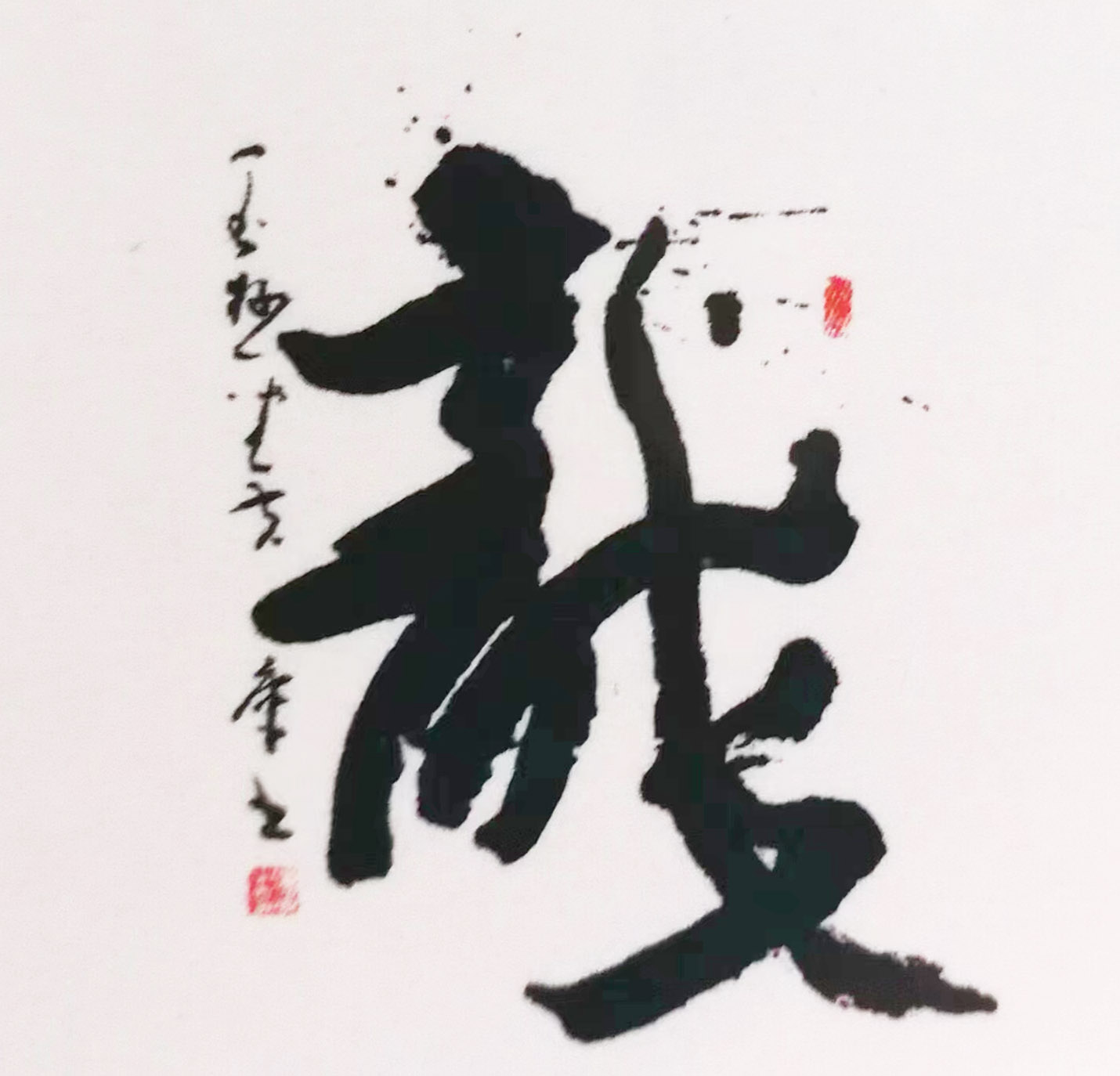
“可以肯定,中国书法既要传承,又要创新。传承就是写书法‘工书’,创新就是写书法‘意书’。研究和写好‘工书’和‘意书’,就是中国书法艺术的全部活动。”
“简而言之,搞中国书法,就是写好‘工书’和‘意书’。‘工书’可以摹仿,‘意书’必须创造。”
“传统书法就是一部‘工书’史,中国书法就是一部‘工意书’史。中国书法大于传统书法,传统书法是中国书法的一部分。”
“ ‘工意书’ 理论是照亮书法历史和未来的灯塔。”
“书法艺术,是造型艺术,是‘阴阳’造型艺术,是‘阴阳’辩证造型艺术,是‘阴阳’辩证审美造型艺术。”
“书法艺术,是简约艺术,是最简约艺术;书法艺术,是简约美术,是最简约美术;书法艺术,是简约绘画,是最简约绘画。”
“书法艺术是人性和‘神性’与物性有机结合的产物。基于这一特性,故书法又称‘瞬间艺术。”
“书法乃极道艺术,百变艺术,至美艺术,最高艺术!”
"To be sure, Chinese calligraphy needs both inheritance and innovation. Inheritance is to write calligraphy 'Gongshu', innovation is to write calligraphy 'Yishu'. Studying and writing 'Gongshu' and 'Yishu' well is all the activities of Chinese calligraphy art."
"In short, to engage in Chinese calligraphy is to write 'Gongshu' and 'Yishu'. Gongshu can be copied, and 'Yishu' must be created."
"Traditional calligraphy is a history of 'Gongshu', and Chinese calligraphy is a history of 'Gongyi'. Chinese calligraphy is greater than traditional calligraphy, which is a part of Chinese calligraphy."
"The theory of 'Gongyi calligraphy' is a beacon to illuminate the history and future of calligraphy."
"Calligraphy is a plastic art, a 'yin-yang' plastic art, a 'yin-yang' Dialectical plastic art, and a 'yin-yang' Dialectical aesthetic plastic art."
"Calligraphy is a simple art, the most simple art; calligraphy is a simple art, the most simple art; calligraphy is a simple painting, the most simple painting."
"The art of calligraphy is the product of the organic combination of human nature and 'divinity' and material nature. Based on this characteristic, calligraphy is also called 'instant art'."
"Calligraphy is the art of extreme Tao, the art of variety, the art of beauty, and the highest art!"
(三)
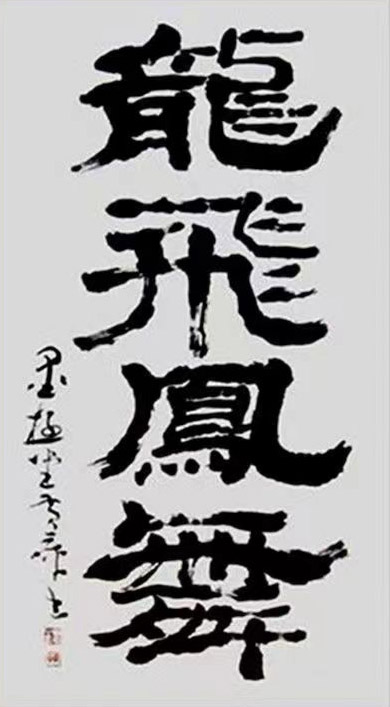
“中国书法是以作品创作为中心的行为艺术。”
“书法有三种基本创作方法:临创;格创;随创。这三种创作方法得到相应的三种书法风格作品:临书;格书;随书。”
“书法创作从本质上说就是‘格书创作’,故书法艺术又称‘格书艺术’。”
“书法有法,法在‘方圆’;书法有道,道在‘阴阳’。‘方圆’之法变在‘形’,‘阴阳’之道变在‘神’,由‘形’至‘神’,‘形神兼备’,抵达书法之最高意境。”
“书法之道,即‘阴阳’之道;书法之变,即‘阴阳’之变;书法之美,即‘阴阳’之美。”
“书法有三美:阴柔美;阳刚美;阴阳美。阴柔美和阳刚美是‘倾向美’;阴阳美是‘和谐美’。‘倾向美’是绝对的;‘和谐美’是相对的。”
“书法跟着作品走,作品跟着风格走,风格跟着书体走,书体跟着创作走,创作跟着‘文本’走,‘文本’跟着‘子书’走,‘子书’跟着‘母书’走,‘母书’跟着‘工意’走,‘工意’跟着笔墨走,笔墨跟着造型走,造型跟着审美走,审美跟着‘阴阳’走,‘阴阳’跟着‘辩证’走,‘辩证’跟着哲学走,哲学跟着思想走,思想跟着生活走,生活跟着人生走,人生跟着艺术走,艺术跟着自然走。”
“书法的可贵之处就在于它的作品的‘唯一性’和书法风格的‘百变性’。书体的有限性与书体风格变化的无限性,这就是书法艺术博大精深的奥妙所在。而‘阴阳辩证审美造型’的规律性则是书法艺术的美妙所在。”
(III)
"Chinese calligraphy is a performance art centered on the creation of works."
"Calligraphy has three basic creation methods: temporary creation, lattice creation, and random creation. These three creation methods get three corresponding calligraphy style works: temporary calligraphy, lattice calligraphy, and random calligraphy."
"Calligraphy creation is essentially 'calligraphy creation', so calligraphy art is also called 'calligraphy art'."
"Calligraphy has a law, and the law lies in 'Fangyuan'; calligraphy has a way, and the road lies in 'Yin and Yang'. The law of 'Fangyuan' changes to 'form', and the road of 'Yin and Yang' changes to 'God', from 'form' to 'God', and 'both form and spirit', reaching the highest artistic conception of calligraphy."
"The way of calligraphy is the way of 'Yin and Yang'; the change of calligraphy is the change of 'Yin and Yang'; the beauty of calligraphy is the beauty of 'Yin and Yang'."
"Calligraphy has three beauties: feminine beauty, masculine beauty, and yin-yang beauty. Feminine beauty and masculine beauty are 'inclined beauty'; yin-yang beauty is' harmonious beauty '.' inclined beauty 'is absolute;' harmonious beauty 'is relative."
"Calligraphy follows the work, the work follows the style, the style follows the body, the body follows the creation, the creation follows the 'text', the 'text' follows the 'sub book', the 'sub book' follows the 'mother book', the 'mother book' follows the 'work intention', the 'work intention' follows the pen and ink, the pen and ink follows the shape, the shape follows the aesthetic, the aesthetic follows the 'Yin and Yang', the 'Yin and Yang' follows the 'dialectic', and the 'dialectic' follows Philosophy goes, philosophy goes with thought, thought goes with life, life goes with life, life goes with art, and art goes with nature. "
"The value of calligraphy lies in the 'uniqueness' of its works and the' variety 'of its style. The finiteness of calligraphy and the infinity of the change of calligraphy style are the profound mysteries of calligraphy art. And the regularity of' Yin Yang dialectical aesthetic modeling 'is the beauty of calligraphy art."
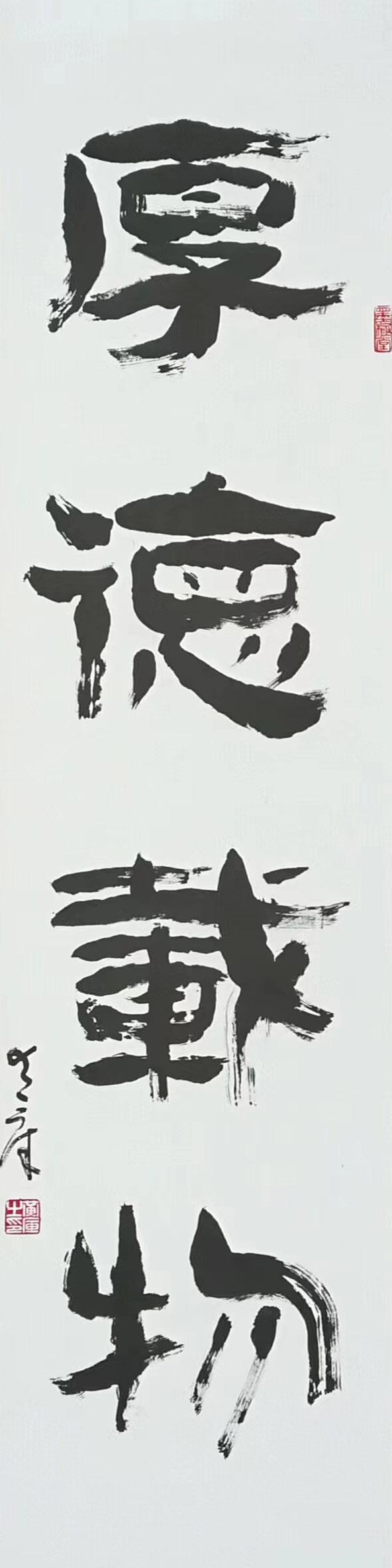
“书法在能识读的前提下,可作最大限度的艺术化:是笔而非笔,是形而非形,是位而非位,是象而非象,一切都在瞬间变化中,一切都在瞬间的‘阴阳’变化之中,瞬间变化中的‘阴阳之美’能征服一切眼睛!”
“书法,说到底就是一个‘变’字,是‘变’字,使其美,使其伟大,使其崇高!”
“完美的书法作品应该是:文字美和作品美的完美统一。”
“我的艺术理念:追求书法的‘百变性’和作品的‘唯一性’。”
"Calligraphy can be made as artistic as possible on the premise of being able to read: it is a pen rather than a pen, it is a form rather than a form, it is a position rather than a position, it is an image rather than an image, everything is changing in an instant, everything is changing in an instant 'Yin and Yang', and the beauty of yin and Yang in an instant can conquer all eyes!"
"Calligraphy, in the final analysis, is a word of 'change', which makes it beautiful, great and noble!"
"A perfect calligraphy work should be: the perfect unity of the beauty of words and the beauty of works."
"My artistic concept: pursue the 'variety' of calligraphy and the 'uniqueness' of works."
“ ‘百变书法’、‘工意书’等理论的创立,使中国书法从‘模式化’艺术走向‘非模式化’艺术,从单纯的‘工书’时代走向‘工意书’时代,从传统经验性书法走向艺术学科性书法。”
“书者,心态也!书随心而动。心弱,书弱;心雄,书雄。书无定形,法无定式,一切都在创造中。创造由变而来:变中求异,变中求新,变中求美,变中求奇!求异则生思,求新则动容,求美则勾心,求奇则惊乎!书法宜先粗而后细,先博而后精,以狂草为艺术终极,纳古今之法,书万象之书!其书无一苟同,无一不艺。然艺中虽拙慧不齐,雅俗共生,却千姿百态,万象生机,兀兀不息!吾赏书法之神妙,观文字之精深,叹中华之瑰宝!”
[黄库文论]
中国书法,就是“二个人”在写
作者:黄库
"The creation of theories such as' changeable calligraphy 'and' Gongyi calligraphy 'has made Chinese calligraphy move from' patterned 'art to' non patterned 'art, from the era of simple' Gongshu 'to the era of' Gongyi calligraphy ', and from traditional empirical calligraphy to artistic disciplinary calligraphy."
"The mind of the calligrapher is also! The book moves at will. The heart is weak, the book is weak; the heart is strong, the book is strong. The book has no fixed form, the method has no fixed form, and everything is in creation. Creation comes from change: seeking difference in change, seeking innovation in change, seeking beauty in change, and seeking wonder in change! Seeking difference makes you think, seeking innovation makes you move, seeking beauty makes you hook your heart, and seeking wonder makes you surprised! Calligraphy should be thick first and then thin, broad first and then fine, taking wild grass as the ultimate art, incorporating ancient and modern methods, and writing a Book of all phenomena! Its book No one disagrees, no one is wrong. However, although the arts are clumsy and wisdom are uneven, elegance and vulgarity coexist, but they are in a variety of forms, all kinds of vitality, Wu Wu Wu does not stop! I appreciate the magic of calligraphy, appreciate the depth of writing, and sigh for the treasures of China! "
[Huang kuwen Lun]
Chinese calligraphy is written by "two people"
Author: Huang Ku
中国五千年书法,就是“二个人”在写:一个人写“工书”,一个人写“意书”。写“工书”的“这个人”,写了五千年,写出了王羲之,写出了颜真卿,写出了张芝、张旭、怀素、孙过庭、米芾、赵孟頫等等;写出了篆书、隶书、楷书、行书、草书书法五体;写出了《兰亭序》,写出了《石门颂》、写出了《曹全碑》、《张迁碑》、《九成宫醴泉铭》、《雁塔圣教序》、《书谱》、《古诗四帖》、《颜勤礼碑》、《祭侄文稿》、《自叙帖》、《玄秘塔碑》、《神策军碑》、《蜀素帖》、《洛神赋并序》等等。“这个人”写出了经典,写出了高峰,完成了写实性书法的全部艺术表达方式。写“工书”的“这个人”是一个群体,一个民族,一部历史,东方最美的历史;是一种文化,人类最古老而延续至今的五千年的文化与文明。
写“意书”这个人就是我。由我发现了“意书”,由我定义了“工书”和“意书”,合称“工意书”。“工意书”是中国书法艺术客观存在的二种不同形式的艺术表达。“工意书”是中国《书法学》的重要理论,《书法学》是我研究和著述的中国书法理论新课题,我试图创建中国书法学科理论。
Five thousand years of Chinese calligraphy is written by "two people": one writes "Gongshu" and the other "Yishu". The "man" who wrote "Gongshu" has written for 5000 years, Wang Xizhi, Yan Zhenqing, Zhang Zhi, Zhang Xu, huaisu, sun Guoting, Mi Fu, Zhao Mengfu, etc; He wrote five styles of seal script, official script, regular script, running script and cursive calligraphy; He wrote the preface to Lanting, the ode to Shimen, the monument to Cao Quan, the monument to Zhang Qian, the inscription of Liquan in the Jiucheng palace, the preface to the sacred religion of the wild goose pagoda, the Book Manual, the four ancient poems, the monument to Yan Qinli, the manuscript of offering sacrifices to nephews, the self narration, the monument to the mysterious tower, the monument to the Shence army, the Shu Sutie, the preface to the combination of Luo Shenfu, and so on. "This man" wrote classics, wrote peaks, and completed all the artistic expressions of realistic calligraphy. The "man" who wrote the "work book" is a group, a nation, a history, and the most beautiful history in the East; It is a kind of culture, the oldest culture and civilization of mankind that has lasted for 5000 years.
I am the one who wrote "Yishu". I discovered "Yishu" and defined "Gongshu" and "Yishu", which are collectively referred to as "gongyishu". "Gongyi calligraphy" is two different forms of artistic expression that objectively exist in the art of Chinese calligraphy. "Gongyi calligraphy" is an important theory of Chinese calligraphy. Calligraphy is a new topic of Chinese calligraphy theory that I study and write. I try to establish the discipline theory of Chinese calligraphy.
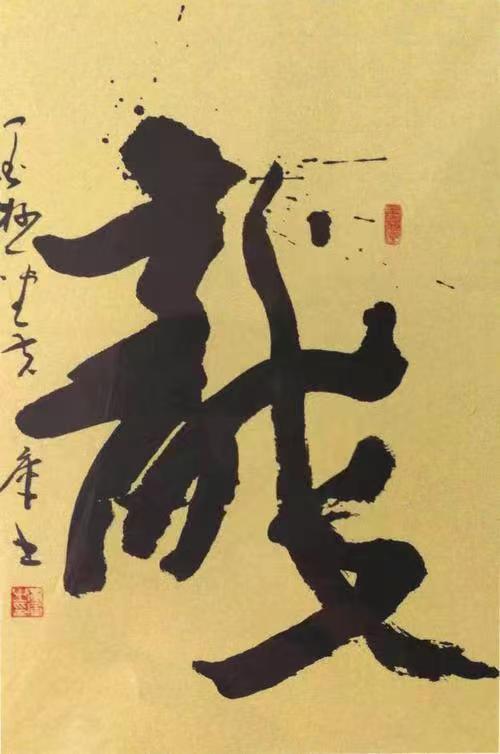
我认为:中国书法存在着两种不同风格体系的书法,一种是写实性书法,简称“工书”;一种是写意性书法,简称“意书”。传统书法就是写实性书法“工书”,书法“意书”是被我发现并创造出来的。我是书法“意书”的创始人。“意书”先由我一个人创作,接着并会有人跟着创作,将来会有更多的人来创作,将来创作“意书”的人会比五千年来写“工书”的人还要多。学习和创作“意书”是中国书法发展的事情,是未来书法艺术的事情,是书法艺术永远发展的事情。
那么什么是“工书”呢?“工书”是以写实的手法来表现书法艺术性的一种书法艺术形态。它的主要特点是写实性,即笔笔见墨,有形有色,黑白分明,以白衬黑,字形轮廓清晰,笔法方圆更替,法度分明,风格固化,形成模式,因而可以临摹学习与传承。
那么什么是“意书”呢?
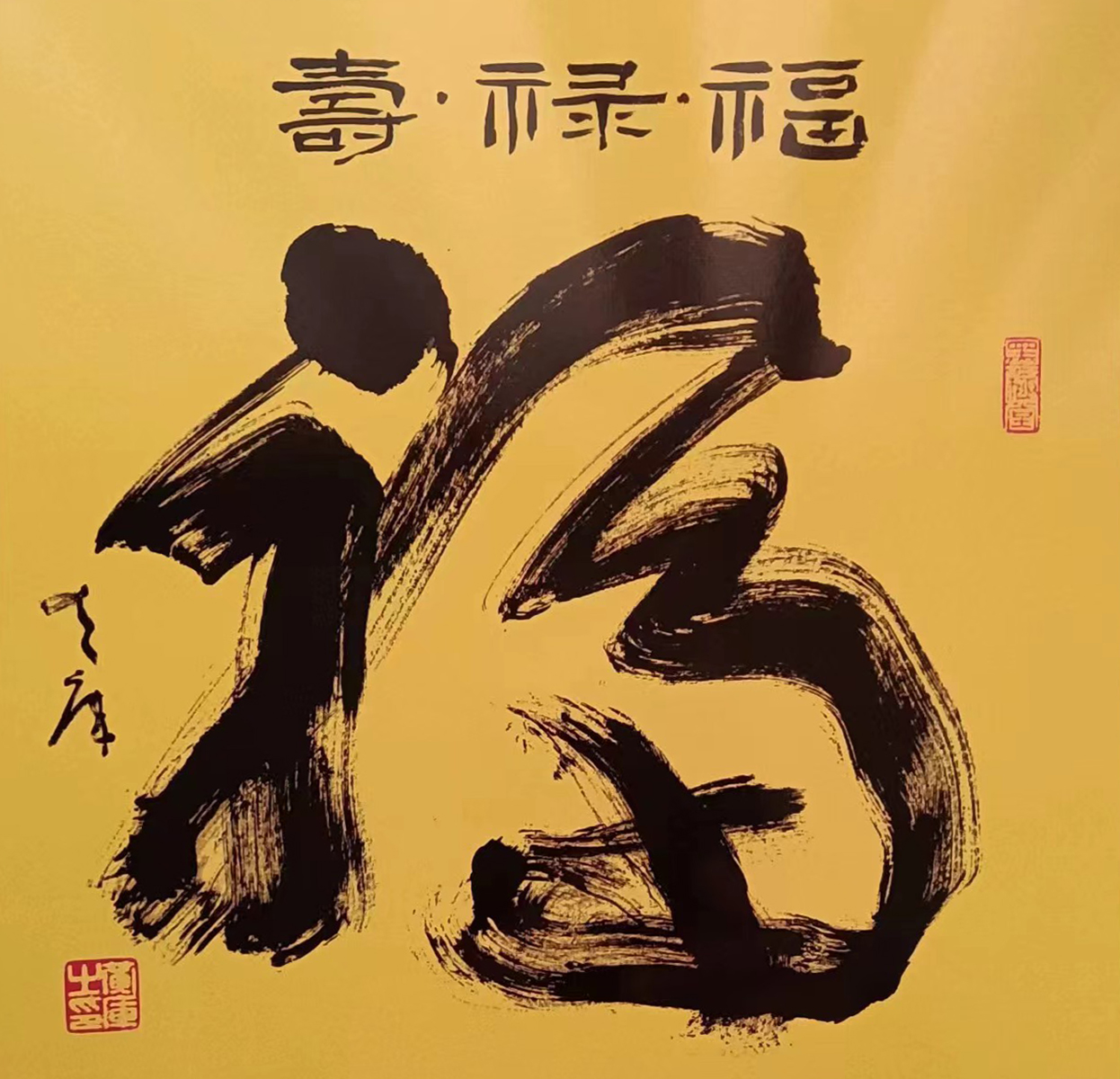
“意书”是以写意的手法来表现书法艺术性的一种书法艺术形态。“意书”的特点是“阴阳”审美,“虚实”用笔,以实笔为主,虚笔辅之。“意书”重意趣,一品一艺,不可摹仿与重复。“意书”变化无穷,没有模式,可以实现风格的无限性。“意书”是”工书”的发展,是中国书法艺术发展的最高境界。”工书”和”意书”构成书法学科意义上的完整的中国书法艺术。
In my opinion, there are two different styles and systems of Chinese calligraphy. One is realistic calligraphy, which is called "Gongshu" for short; One is freehand calligraphy, referred to as "freehand calligraphy". Traditional calligraphy is the realistic calligraphy "Gongshu", and the calligraphy "Yishu" was discovered and created by me. I am the founder of calligraphy "Yishu". "Yishu" was first created by me, and then some people will follow it. In the future, more people will create "Yishu" in the future than those who have written "Gongshu" for 5000 years. Learning and creating "Yishu" is the development of Chinese calligraphy, the future of calligraphy art, and the eternal development of calligraphy art.
So what is "engineering book"? "Gongshu" is a calligraphy art form that expresses the artistry of calligraphy in a realistic way. Its main feature is realism, that is, the pen sees ink, tangible color, clear black and white, white lining black, clear glyph outline, replacement of strokes, clear legal degrees, solidified style, and formed patterns, so it can be copied, studied and inherited.
So what is "Yishu"?
"Freehand calligraphy" is a calligraphy art form that expresses the artistry of calligraphy by freehand brushwork. "Yi Shu" is characterized by "Yin and Yang" aesthetics, "Xu Shi" with a pen, mainly with a solid pen, supplemented by a virtual pen. "Yishu" emphasizes meaning and interest, one product and one art, and cannot be copied and repeated. "Yishu" is infinitely changeable, and there is no model, which can realize the infinity of style. "Yishu" is the development of "Gongshu" and the highest realm of the development of Chinese calligraphy art. " "Gongshu" and "Yishu" constitute a complete Chinese calligraphy art in the sense of calligraphy discipline.
【专家评论】
斐然有神 妙趣横生
——解读黄库书法艺术
欧阳中石
我和很多热爱书法艺术的朋友一样,是从黄库先生的书法作品认识他的,是他的作品吸引了我,久而久之,使我对他有了深刻的了解。
黄库有着深厚的书法理论基础,良好的汉字书写功底,广识博学的综合文化素质,刻苦认真的自学毅力与创新精神,优秀的艺术道德境界和艺术品格,这便使他的书法艺术有了灵气和生命力。
综观他的书法作品使人感到新而不薄,华而不媚,成篇作品不失法度,少字作品不失大器,柔刚相济,雄秀并举,血肉丰满,结构天成。师古而不泥古,求新而不取宠。此乃“众多古人铸于心,予以笔,集百家之长融于他自己。”
[expert comments]
Brilliant and interesting
——Interpreting Huang Ku's calligraphy art
Ouyang Zhongshi
Like many friends who love calligraphy, I know Mr. Huang Ku from his calligraphy works. It is his works that attract me. Over time, I have a deep understanding of him.
Huang Ku has a deep theoretical foundation of calligraphy, a good foundation of Chinese character writing, a comprehensive cultural quality of extensive knowledge and erudition, hard and serious self-study perseverance and innovative spirit, excellent artistic moral realm and artistic character, which makes his calligraphy art have aura and vitality.
Taking a comprehensive view of his calligraphy works makes people feel new and not thin, flashy but not charming. The finished works do not lose the law, and the less written works do not lose the big tools. The combination of softness and rigidity, the combination of male and female, the fullness of flesh and blood, and the natural structure. Learn from the past but not the past, seek innovation but not favor. This is "many ancients cast it in their hearts, wrote it, and integrated the strengths of hundreds of families into himself."
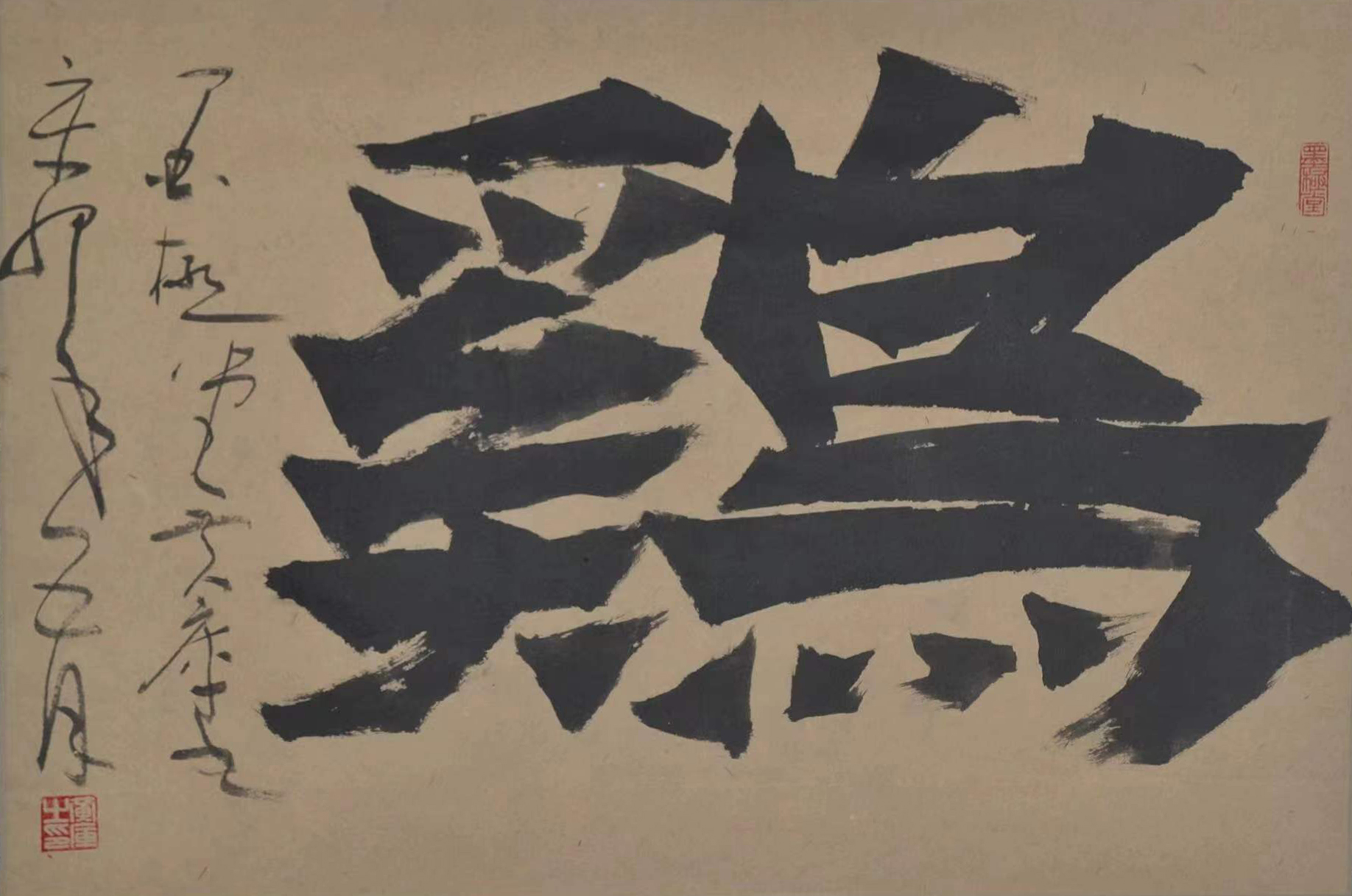
他的书法肥而有骨,骨肉相济,活泼而灵动。那用笔的多变,章法的烂熟,上下的映带,左右的顾盼,错落起伏,跃然纸上。在那流动的线条中,方圆、疏密、大小、长短、粗细、浓、淡、枯、湿多变灵活。大气磅礴如行云流水,真可谓标新立异、匠心独具,已有了自己独特的笔法和别具一格的艺术表现形式。
他的艺术魅力不仅仅给人以艺术欣赏,而且给人以精神享受。他的作品, “柔中有刚、秀中见奇,乃笔爽爽而有神助。”我 “赏罢黄库的书法,再理解书中内容,真有沐浴、更衣、焚香之后捧读线装书之感。线香、墨香、字香、文香四香皆溢,鼻舒、眼悦、心旷、神怡四享俱佳。”写出了读者的真情实感。
His calligraphy is fat and bone, bone and flesh, lively and flexible. The changeable use of the pen, the skillful composition, the up and down reflection, the left and right look, the scattered ups and downs, jump on the paper. In that flowing line, the square, density, size, length, thickness, thick, light, dry, wet and flexible. Majestic as clouds and flowing water, it is really innovative and unique, and has its own unique brushwork and unique artistic expression.
His artistic charm not only gives people artistic appreciation, but also spiritual enjoyment. His works are "strong in softness, strange in show, refreshing and helpful." "After appreciating Huang Ku's calligraphy and understanding the contents of the book, I really feel like reading a thread bound book after bathing, changing clothes and burning incense. The fragrance of thread, ink, words and literature overflows, and the nose is comfortable, the eyes are happy, the heart is open and the spirit is happy." Write the readers' true feelings.
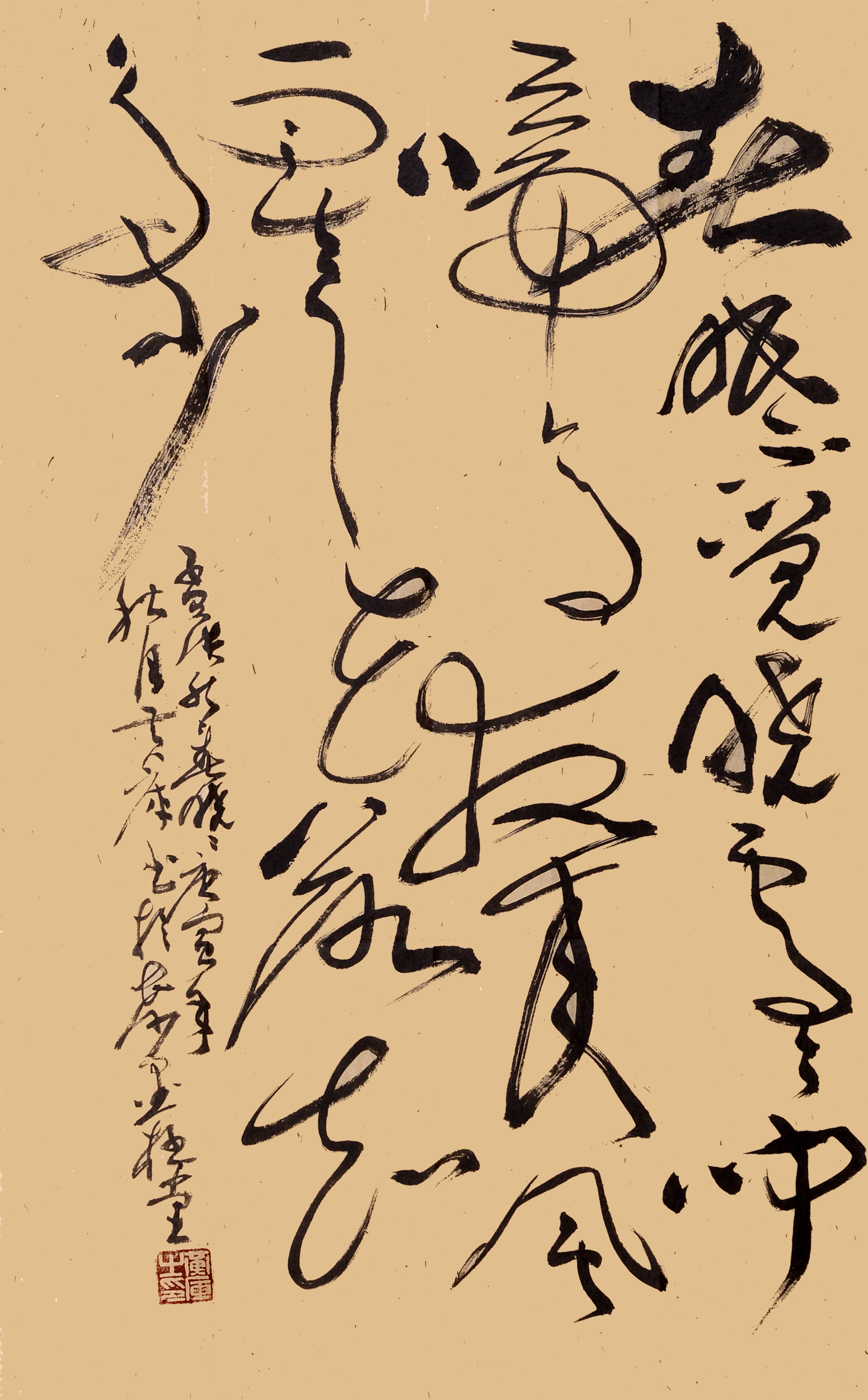
他并没有骄傲,他认为书法的最高境界是写心、写思想、写感情。黄库先生的书法已达到了这一境界。他把传统的书法技巧有机地同现代书法相结合,用抽象的奇妙书法技巧大胆地创新,其丰富的墨色变化妙不可言,字一笔书就,一气呵成,俨然蛟龙戏水,巨龙游天,把写意画的用笔手法溶入字中,字中有画,画为字用,行笔错落起伏,气度非凡,使观者叫绝。写出了他对笔墨人生的感悟。
He is not proud. He believes that the highest realm of calligraphy is to write hearts, thoughts and feelings. Mr. Huang Ku's calligraphy has reached this level. He organically combines traditional calligraphy skills with modern calligraphy, and boldly innovates with abstract and wonderful calligraphy skills. His rich ink color changes are unspeakable. The words are written in one stroke, just like a dragon playing in the water and a giant dragon swimming in the sky. He integrates the brushwork of freehand painting into the words. There are paintings in the words, which are used for words, and the lines are scattered and undulating. His magnanimity is extraordinary, which makes the viewer marvel. He wrote his perception of pen and ink life.

对于黄库先生来说,书法是他一生的热爱和追求,也是因为这份执着,他的人生比平常多了几份坎坷,也多了几份精彩。
万般皆下品,唯有读书高。书法家黄库,他以外若飞仙,飘逸洒脱,内似硬汉,刚筋铁骨,一笔一划写出恒久的人格魅力。他甘于寂寞,以天生的素质对书法这种艺术的醉梦般的钟情使自己一步一步地走向了书法艺术的殿堂。
2016年3月北京
For Mr. Huang Ku, calligraphy is his lifelong love and pursuit. It is also because of this persistence that his life is more bumpy and wonderful than usual.
All things are inferior, only reading is high. Calligrapher Huang Ku, he is like a fairy outside, elegant and free, like a tough man inside, rigid and iron, and writes the eternal charm of personality with one stroke. He was willing to be lonely, and his dreamlike love for calligraphy made him step by step into the palace of calligraphy.
March, 2016, Beijing