4
School 学校
1952
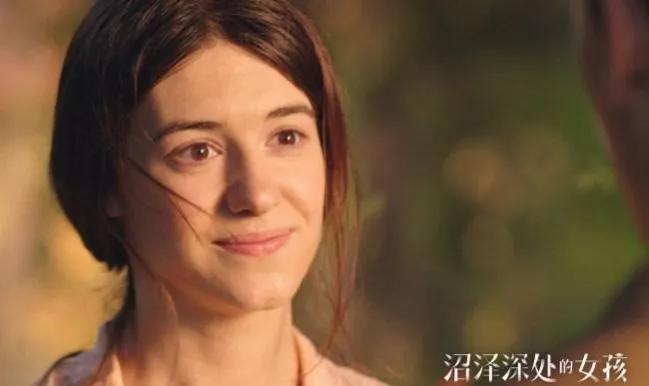
A few days after her birthday, out alone barefooting in mud, Kya bent over, watching a tadpole getting its frog legs. Suddenly she stood. A car churned through deep sand near the end of their lane. No one ever drove here. Then the murmur of people talking—a man and a woman—drifted through the trees. Kya ran fast to the brush, where she could see who was coming but still have ways to escape. Like Jodie taught her.
过完生日几天后,基娅独自光着脚站在泥地里,弯腰观察一只正在长出蛙腿的蝌蚪。突然,她直起身。有一辆车碾过厚厚的沙子,停在他们家小径的尽头。以前没有人把车开到过那儿。然后,低低的交谈声——一男一女——穿过树林飘了过来。基娅迅速跑进灌木丛,在那儿她能看到来人,同时还有路可逃。乔迪是这么教她的。
A tall woman emerged from the car, unsteadily maneuvering in high heels just like Ma had done along the sandy lane. They must be the orphanage people come to get her.
一个高个女人下了车,穿着高跟鞋,在沙路上摇摇晃晃地走着,就像妈妈之前那样。他们一定是孤儿院的,来抓她了。
I can outrun her for sure. She'd fall nose-first in them shoes. Kya stayed put and watched the woman step to the porch's screen door.
我肯定能跑过她。那鞋会让她脸朝下摔一跤。基娅按兵不动,看着这个女人走到门廊纱门前。
“Yoo-hoo, anybody home? Truant officer here. I've come to take Catherine Clark to school.”
“喂,家里有人吗?我是训导员。我来带凯瑟琳·克拉克去学校。”
Now this was something. Kya sat mute. She was pretty sure she was supposed to go to school at six. Here they were, a year late.
这是个问题。基娅坐着不说话。她很清楚六岁就该去学校了。现在他们来了,迟了一年。
She had no notion how to talk to kids, certainly not to a teacher, but she wanted to learn to read and what came after twenty-nine.
她不知道怎么和其他孩子交谈,当然也不会和老师交谈,但她想学会读书,想知道二十九后面的数字是什么。
“Catherine, dear, if ya can hear me, please come on out. It's the law, hon; ya gotta go to school. But 'sides that, you'll like it, dear. Ya get a hot lunch every day for free. I think today they're havin' chicken pie with crust.”
“凯瑟琳,亲爱的,如果你能听到,请出来吧。这是法律,你必须去学校。而且,亲爱的,你会喜欢学校的。每天中午都有免费的、热腾腾的午饭。我想今天是酥皮鸡肉派。”
That was something else. Kya was very hungry. For breakfast she'd boiled grits with soda crackers stirred in because she didn't have any salt. One thing she already knew about life: you can't eat grits without salt. She'd eaten chicken pie only a few times in her life, but she could still see that golden crust, crunchy on the outside, soft inside. She could feel that full gravy taste, like it was round. It was her stomach acting on its own that made Kya stand up among the palmetto fronds.
这就是另一个问题了。基娅很饿,她早饭吃的是煮粗玉米粉加苏打饼干,因为家里没盐了。关于生活,她已经学到一件事:没盐的粗玉米粉没法吃。长这么大,基娅只吃过几次鸡肉派,但那金黄的脆皮、外酥里嫩的质感,至今仍历历在目。她还能感受到那浓浓的肉汁味,一种圆满的感觉。她的胃自作主张,让她在蒲葵丛里站了起来。
“Hello, dear, I'm Mrs. Culpepper. You're all grown up and ready to go to school, aren't ya?”
“你好,亲爱的。我是卡尔佩珀夫人。你长大啦,准备好去学校了,对吧?”
“Yes'm,” Kya said, head low.
“是的,夫人。”基娅说,低着头。
“It's okay, you can go barefoot, other chillin do, but 'cause you're a li'l girl, you have to wear a skirt. Do you have a dress or a skirt, hon?”
“没关系,你可以赤脚去,其他孩子也这样。不过你是女孩,得穿裙子。亲爱的,你有裙子吗?”
“Yes'm.”
“有的,夫人。”
“Okay then, let's go get ya dressed up.”
“好的,那么我们去穿上吧。”
Mrs. Culpepper followed Kya through the porch door, having to step over a row of bird nests Kya had lined up along the boards. In the bedroom Kya put on the only dress that fit, a plaid jumper with one shoulder strap held up with a safety pin.
卡尔佩珀夫人跟着基娅穿过门廊,不得不跨过一排鸟巢,基娅把它们沿墙板排列。在卧室里,基娅穿上了唯一合适的裙子和一件格子套头衫,一侧的肩带用别针别着。
“That's fine, dear, you look just fine.”
“这样就可以,亲爱的,你看起来很不错。”
Mrs. Culpepper held out her hand. Kya stared at it. She hadn't touched another person in weeks, hadn't touched a stranger her whole life. But she put her small hand in Mrs. Culpepper's and was led down the path to the Ford Crestliner driven by a silent man wearing a gray fedora. Sitting in the backseat, Kya didn't smile and didn't feel like a chick tucked under its mother's wing.
卡尔佩珀夫人伸出手。基娅盯着这只手。她已经好几周没有触碰过别人,而且从来没有触碰过一个陌生人。但她把她的小手放进了夫人的手里,跟着她走下小路,坐上福特车。开车的是一个戴着灰色呢帽的沉默的男人。基娅坐在后座,没有笑,也没有躲到妈妈羽翼下的感觉。
Barkley Cove had one school for whites. First grade through twelfth went to a brick two-story at the opposite end of Main from the sheriff's office. The black kids had their own school, a one-story cement block structure out near Colored Town.
巴克利小湾镇有一所白人学校。一年级到十二年级的学生都在一栋二层砖房里上课,就在治安官办公室对面。黑人小孩有自己的学校,一栋单层水泥建筑,在黑人小镇附近。
When she was led into the school office, they found her name but no date of birth in the county birth records, so they put her in the second grade, even though she'd never been to school a day in her life. Anyhow, they said, the first grade was too crowded, and what difference would it make to marsh people who'd do a few months of school, maybe, then never be seen again. As the principal walked her down a wide hallway that echoed their footsteps, sweat popped out on her brow. He opened the door to a classroom and gave her a little push.
基娅被带进学校办公室。他们在小镇的出生记录上发现了她的名字,但没有出生日期,就安排她上了二年级,即使她没上过一天学。不管怎么说,一年级太挤了,而且对湿地人来说,读哪个年级又有什么差别呢,反正几个月后可能就再也见不着了。校长领着基娅走过一条宽阔的走廊,他们的脚步声在走廊里回荡。基娅的额头冒出了汗。校长打开一个教室的门,轻轻推了她一下。
Plaid shirts, full skirts, shoes, lots of shoes, some bare feet, and eyes—all staring. She'd never seen so many people. Maybe a dozen. The teacher, the same Mrs. Arial those boys had helped, walked Kya to a desk near the back. She could put her things in the cubbyhole, she was told, but Kya didn't have any things.
格子衬衫、完整的裙子、鞋子,很多鞋子,也有些光脚,还有眼睛——都盯着她。基娅从没见过这么多人。大概有十几个。阿芮尔老师,也就是那些男孩帮过的女士,陪基娅走到教室后面的一张桌子旁,告诉她可以把自己的东西放到桌斗里,但基娅什么也没有。
The teacher walked back to the front and said, “Catherine, please stand and tell the class your full name.”
老师走回教室前面,说:“凯瑟琳,请站起来,告诉大家你的全名。”
Her stomach churned.
基娅的胃翻腾了一下。
“Come now, dear, don't be shy.”
“来吧,亲爱的,别害羞。”
Kya stood. “Miss Catherine Danielle Clark,” she said, because that was what Ma once said was her whole name.
基娅站起来。“凯瑟琳·丹妮尔·克拉克。”她说。妈妈曾告诉过她一次,这是她的全名。
“Can you spell dog for us?”
“你能拼一下狗这个单词吗?”
Staring at the floor, Kya stood silent. Jodie and Ma had taught her some letters. But she'd never spelled a word aloud for anybody.
基娅盯着地板,没有出声。乔迪和妈妈曾教过她一些字母,但她从没在别人面前大声拼写过任何单词。
Nerves stirred in her stomach; still, she tried. “G-o-d.”
她胃里的神经在抽动,不过她还是试着拼了:“G-o-d。”
Laughter let loose up and down the rows.
大笑声在教室里此起彼伏。
“Shh! Hush, y'all!” Mrs. Arial called out. “We never laugh, ya hear me, we never laugh at each other. Y'all know better'n that.”
“嘘!所有人都安静!”阿芮尔老师大声呵斥,“我们从来不嘲笑别人,听懂了吗?从不互相嘲笑。你们都知道的。”
Kya sat down fast in her seat at the back of the room, trying to disappear like a bark beetle blending into the furrowed trunk of an oak. Yet nervous as she was, as the teacher continued the lesson, she leaned forward, waiting to learn what came after twenty-nine. So far all Miss Arial had talked about was something called phonics, and the students, their mouths shaped like O's, echoed her sounds of ah, aa, o, and u, all of them moaning like doves.
基娅赶紧在教室后面的座位上坐下来,试图像树皮甲虫融入满是褶皱的橡树树干那样消失。虽然很紧张,但为了听讲,基娅身体前倾,等着学二十九以后的数字。然而阿芮尔老师一直在讲一个叫自然拼读的东西。学生们把嘴张成O形,跟着老师发ah、aa、o、u,听起来像哀鸣的鸽子。
About eleven o'clock the warm-buttery smell of baking yeast rolls and pie pastry filled the halls and seeped into the room. Kya's stomach panged and fitted, and when the class finally formed a single file and marched into the cafeteria, her mouth was full of saliva. Copying the others, she picked up a tray, a green plastic plate, and flatware. A large window with a counter opened into the kitchen, and laid out before her was an enormous enamel pan of chicken pie crisscrossed with thick, crispy pastry, hot gravy bubbling up. A tall black woman, smiling and calling some of the kids by name, plopped a big helping of pie on her plate, then some pink-lady peas in butter and a yeast roll. She got banana pudding and her own small red-and-white carton of milk to put on her tray.
十一点左右,走廊里充满了烘烤发面卷、油酥派的黄油味,暖融融的,甚至渗进了教室里。基娅的胃抽了一下,又安稳下来。终于,所有人排成一列朝食堂进发。她的嘴里全是口水。她学着其他人的样子拿起一个托盘、一个绿色的盘子和刀叉。她看见一个装了大窗的柜台连着厨房,眼前摆着一个巨大的搪瓷盘,里面盛满了鸡肉派,派上交错盖着又厚又脆的酥皮,滚烫的肉汁直冒泡。柜台后站着一个高高的黑人妇女,脸上带笑,叫出了一些孩子的名字。她在基娅的盘子里放了一大块派、一些粉红色的黄油豌豆和一个发面卷。基娅自己又领了香蕉布丁和红白卡通包装的牛奶,也放到托盘上。
She turned into the seating area, where most of the tables were full of kids laughing and talking. She recognized Chase Andrews and his friends, who had nearly knocked her off the sidewalk with their bikes, so she turned her head away and sat at an empty table. Several times in quick succession, her eyes betrayed her and glanced at the boys, the only faces she knew. But they, like everyone else, ignored her.
她走到就餐区,大部分桌子都围满了嬉笑说话的孩子。她认出了蔡斯·安德鲁斯和他的朋友们,那几个在人行道上骑自行车差点撞倒她的人。基娅转开头,坐到一张空桌旁。连着几次,她的眼睛背叛意志,看向那些男孩——她只认得他们。但他们和其他人一样,忽略了她。
Kya stared at the pie full of chicken, carrots, potatoes, and little peas. Golden brown pastry on top. Several girls, dressed in full skirts fluffed out wide with layers of crinolines, approached. One was tall, skinny, and blond, another round with chubby cheeks. Kya wondered how they could climb a tree or even get in a boat wearing those big skirts. Certainly couldn't wade for frogs; wouldn't even be able to see their own feet.
基娅看着盘子里的派,里面填满了鸡肉、胡萝卜、土豆和小豆子,最上面是金棕色的酥皮。几个女孩走了过来,穿着宽摆裙,层层叠叠的裙衬让裙摆显得很蓬松。其中一个高挑,苗条,金发,还有一个微胖,脸颊丰满。基娅想不通,穿着这样的裙子怎么爬树,怎么上船。肯定也不能下水捉青蛙。甚至连自己的脚都看不见。
As they neared, Kya stared at her plate. What would she say if they sat next to her? But the girls passed her by, chirping like birds, and joined their friends at another table. For all the hunger in her stomach, she found her mouth had gone dry, making it difficult to swallow. So after eating only a few bites, she drank all the milk, stuffed as much pie as she could into the milk carton, carefully so nobody would see her do it, and wrapped it and the roll in her napkin.
她们走近了。基娅低头盯着自己的盘子。如果她们坐到她旁边,她应该说点什么呢?但她们走过她身边,像小鸟一样叽叽喳喳,汇入另一张桌上的朋友。基娅很饿,但嘴巴很干,难以下咽。她只吃了几口,喝光了牛奶,然后往牛奶盒里塞满派,小心地不让别人看见,最后把牛奶盒和发面卷用纸巾包起来。
The rest of the day, she never opened her mouth. Even when the teacher asked her a question, she sat mute. She reckoned she was supposed to learn from them, not them from her. Why put maself up for being laughed at? she thought.
下午的课,她再也没张口说话。老师提问,她也站着不说话。基娅觉得自己是来学习的,又不是来教别人的。干吗让自己被别人嘲笑?她想。
At the last bell, she was told the bus would drop her three miles from her lane because the road was too sandy from there, and that she had to walk to the bus every morning. On the way home, as the bus swayed in deep ruts and passed stretches of cord grass, a chant rose from the front: “MISS Catherine Danielle Clark!” Tallskinnyblonde and Roundchubbycheeks, the girls at lunch, called out, “Where ya been, marsh hen? Where's yo' hat, swamp rat?”
放学的铃声响起。她被告知大巴会送她到距离小径三英里的地方,小径都是沙子,车开不进去。她得每天早上走过去坐车。回家的路上,校车在深深的车辙里颠簸,经过成片的大米草时,前排唱起了赞美诗:“凯瑟琳·丹妮尔·克拉克小姐!”“高挑苗条金发”女孩和“微胖脸颊丰满”女孩,就是午饭时她看见的那两个女孩,大喊:“你去哪儿,湿地母鸡?你的帽子在哪儿,沼泽老鼠?”
The bus finally stopped at an unmarked intersection of tangled tracks way back in the woods. The driver cranked the door open, and Kya scooted out and ran for nearly half a mile, heaved for breath, then jogged all the way to their lane. She didn't stop at the shack but ran full out through the palmettos to the lagoon and down the trail that led through dense, sheltering oaks to the ocean. She broke out onto the barren beach, the sea opening its arms wide, the wind tearing loose her braided hair as she stopped at the tide line. She was as near to tears as she had been the whole day.
终于,校车停在了一个没有标志、道路错杂的交叉路口,这些路都通往树林。司机拉动把手,打开车门。基娅赶紧下车,跑了差不多半英里,才深深地呼了口气,然后一路跑上小径。她没有停在自家的棚屋前,而是继续穿过蒲葵丛,经过潟湖,沿着橡树林中的小路,一直跑到海边。这林子密得像个避难所。她一头冲进荒凉的海滩,停在潮线前,大海向她张开宽阔的臂弯,风吹散她盘起的发辫。基娅几乎要落泪,一整天都是。
Above the roar of pounding waves, Kya called to the birds. The ocean sang bass, the gulls sang soprano. Shrieking and crying, they circled over the marsh and above the sand as she threw piecrust and yeast rolls onto the beach. Legs hanging down, heads twisting, they landed.
顶着海浪的咆哮声,基娅大声呼唤她的鸟儿们。大海唱着男低音,海鸥和着女高音。基娅撒下派皮和发面卷,海鸟尖啸着在沼泽和海滩上空盘旋,然后落在地上,不停地转动脑袋。
A few birds pecked gently between her toes, and she laughed from the tickling until tears streamed down her cheeks, and finally great, ragged sobs erupted from that tight place below her throat. When the carton was empty she didn't think she could stand the pain, so afraid they would leave her like everybody else. But the gulls squatted on the beach around her and went about their business of preening their gray extended wings. So she sat down too and wished she could gather them up and take them with her to the porch to sleep. She imagined them all packed in her bed, a fluffy bunch of warm, feathered bodies under the covers together.
有几只鸟温柔地在基娅的脚趾间啄食。她痒得发笑,笑着笑着泪水却顺着脸颊流了下来,从喉咙底下发紧的位置爆发出沉重、破碎的呜咽声。牛奶盒空了,基娅非常害怕鸟儿们也会像其他所有人那样离开她,这痛苦令她难以承受。但它们蹲在海滩上,围着她,整理起巨大的灰色翅膀。基娅也坐下来,想把它们都聚集起来,带回棚屋的门廊一起睡觉。她想象着它们都挤在她的床上,被子下是温暖而松软的长着羽毛的身体。
Two days later she heard the Ford Crestliner churning in the sand and ran into the marsh, stepping heavily across sandbars, leaving footprints as plain as day, then tiptoeing into the water, leaving no tracks, doubling back, and taking off in a different direction. When she got to mud, she ran in circles, creating a confusion of clues. Then, when she reached hard ground, she whispered across it, jumping from grass clump to sticks, leaving no trace.
两天后,基娅又听到了福特汽车在沙子里打滑的声音。她跑进湿地,在沙堤上用力踩来踩去,留下清晰的脚印,然后蹑手蹑脚地进到水里,没有留下任何踪迹,又折回来,往另一个方向去了。到了泥地,她跑着圈,踩出让人迷惑的线索,接着悄无声息地穿过坚硬的地面,从草丛跳到树枝上,消失得无影无踪。
They came every two or three days for a few more weeks, the man in the fedora doing the search and chase, but he never even got close. Then one week no one came. There was only the cawing of crows. She dropped her hands to her sides, staring at the empty lane.
接下来的几周,他们隔三岔五就会过来一趟。戴着灰色呢帽的男人负责搜寻和追踪,但他甚至都没靠近过基娅。终于,从某一周开始,再也没人来了。只剩下乌鸦的叫唤。基娅双臂垂在身侧,看着空荡荡的小径。
Kya never went back to school a day in her life. She returned to heron watching and shell collecting, where she reckoned she could learn something. “I can already coo like a dove,” she told herself. “And lots better than them. Even with all them fine shoes.”
终其一生,基娅再也没去过学校。她重新开始观察苍鹭和收集贝壳。她觉得从中可以学到东西。“我已经会像鸽子一样咕咕叫,”她告诉自己,“比他们好多了。就算他们穿着好鞋子。”
ONE MORNING, a few weeks after her day at school, the sun glared white-hot as Kya climbed into her brothers' tree fort at the beach and searched for sailing ships hung with skull-and-crossbones flags. Proving that imagination grows in the loneliest of soils, she shouted, “Ho! Pirates ho!” Brandishing her sword, she jumped from the tree to attack. Suddenly pain shot through her right foot, racing like fire up her leg. Knees caving in, she fell on her side and shrieked. She saw a long rusty nail sticking deep in the bottom of her foot. “Pa!” she screamed. She tried to remember if he had come home last night. “HELP me, Pa,” she cried out, but there was no answer. In one fast move, she reached down and yanked the nail out, screaming to cover the pain.
逃离学校几周后,某个早晨,太阳明晃晃、热烘烘地照着,基娅爬进哥哥们在海滩上造的树堡,搜寻挂着骷髅头和十字骨旗的航船,大喊:“啊,海盗,啊!”这证明了想象生长在最寂寞的土壤里。她挥舞着剑,跳下树,攻击敌人。突然,右脚一阵剧痛袭来,火焰般席卷了整条腿。她膝盖一软,摔倒在地,侧躺着尖叫。一根生锈的钉子深深地扎进脚底。“爸爸!”她大喊,想回忆起他昨晚有没有回家,“爸爸,救我!”她哭喊着,但没有人回应。她伸出手,猛地拔出了钉子,一边大叫,想盖过疼痛。
She moved her arms through the sand in nonsensical motions, whimpering. Finally, she sat up and looked at the bottom of her foot. There was almost no blood, just the tiny opening of a small, deep wound. Right then she remembered the lockjaw. Her stomach went tight and she felt cold. Jodie had told her about a boy who stepped on a rusty nail and didn't get a tetanus shot. His jaws jammed shut, clenched so tight he couldn't open his mouth. Then his spine cramped backward like a bow, but there was nothing anybody could do but stand there and watch him die from the contortions.
基娅在沙子里胡乱挥动胳膊,同时低声啜泣。最后,她坐起来,查看脚底。几乎没有血,只有一个又小又深的伤口。她立刻想到了破伤风,胃里一阵抽搐。她觉得有点冷。乔迪曾告诉过她一个男孩的故事。那个男孩踩了生锈的钉子,没有去打破伤风针。后来,他牙关紧闭,张不开嘴,脊柱向后抽搐成弓状。没有人能帮他,只能眼睁睁看着他身体扭曲着死去。
Jodie was very clear on one point: you had to get the shot within two days after stepping on a nail, or you were doomed. Kya had no idea how to get one of those shots.
乔迪有一点说得很清楚:踩到钉子,两天内必须打针,否则必死无疑。基娅完全不知道该去哪里打破伤风针。
“I gotta do sump'm. I'll lock up for sure waitin' for Pa.” Sweat rolling down her face in beads, she hobbled across the beach, finally entering the cooler oaks around the shack.
“我必须做点什么。我要把自己关起来等爸爸。”基娅蹒跚着穿过海滩,脸上滚下豆大的汗珠,终于挪进了棚屋附近凉爽的橡树林里。
Ma used to soak wounds in salt water and pack them with mud mixed with all kinds of potions. There was no salt in the kitchen, so Kya limped into the woods toward a brackish slipstream so salty at low tide, its edges glistened with brilliant white crystals. She sat on the ground, soaking her foot in the marsh's brine, all the while moving her mouth: open, close, open, close, mocking yawns, chewing motions, anything to keep it from jamming up. After nearly an hour, the tide receded enough for her to dig a hole in the black mud with her fingers, and she eased her foot gently into the silky earth. The air was cool here, and eagle cries gave her bearing.
妈妈过去会把伤口浸泡在盐水中,再用混合了各种药剂的泥浆包起来。厨房里没有盐,所以基娅跛着脚走到树林里一处含盐的滑流旁。落潮时,这里的水很咸,析出的白色盐晶在边缘闪闪发光。她坐在地上,把脚浸在湿地的盐水里,同时不停地活动嘴部:张开,闭上,张开,闭上,打哈欠,咀嚼,做出任何防止牙关紧闭的动作。差不多一小时后,潮水退到够她用手指在黑泥上挖个洞。基娅把脚轻轻地放进丝般柔滑的泥里。这里空气凉爽,鹰的啸鸣给了她忍耐的力量。
By late afternoon she was very hungry, so went back to the shack. Pa's room was still empty, and he probably wouldn't be home for hours. Playing poker and drinking whiskey kept a man busy most of the night. There were no grits, but rummaging around, she found an old greasy tin of Crisco shortening, dipped up a tiny bit of the white fat, and spread it on a soda cracker. Nibbled at first, then ate five more.
下午晚些时候,基娅非常饿,所以回了棚屋。爸爸的房间仍旧空着,他可能几小时内都不会回来。打牌、喝酒占据了这个男人晚上大部分时间。没有粗玉米粉了,基娅四处翻了翻,找到一罐旧的油腻腻的起酥油。她沾了一点肥油,涂在苏打饼干上。一开始慢慢地啃,后来连吃了五片。
She eased into her porch bed, listening for Pa's boat. The approaching night tore and darted and sleep came in bits, but she must have dropped off near morning for she woke with the sun fully on her face. Quickly she opened her mouth; it still worked. She shuffled back and forth from the brackish pool to the shack until, by tracking the sun, she knew two days had passed. She opened and closed her mouth. Maybe she had made it.
她躺到门廊小床上歇着,一边捕捉爸爸的船回来的动静。夜幕降临,睡意一点点袭来。她一定是在天快亮的时候睡着的,因为再醒来时阳光已罩住了她的脸。基娅迅速张张嘴——还能张开。她在盐水池和棚屋间来回,直到靠追踪太阳的轨迹确定时间已经过去了两天。她张开嘴又闭上。可能,她挺过来了。
That night, tucking herself into the sheets of the floor mattress, her mud-caked foot wrapped in a rag, she wondered if she would wake up dead. No, she remembered, it wouldn't be that easy: her back would bow; her limbs twist.
那天晚上,基娅裹着被单,躺在床垫上,涂了泥浆的脚包上了破布。她想着,会不会醒来后发现自己已经死了。哦不,她还记得,这没那么简单:她的背会弓起来,四肢会变得扭曲。
A few minutes later, she felt a twinge in her lower back and sat up. “Oh no, oh no. Ma, Ma.” The sensation in her back repeated itself and made her hush. “It's just an itch,” she muttered. Finally, truly exhausted, she slept, not opening her eyes until doves murmured in the oak.
几分钟后,她感到背部下方一阵剧痛,坐了起来。“哦,不,哦,不。妈妈,妈妈。”背部的疼痛不断袭来,基娅吓得不敢动。“不过是痒痒。”她喃喃道。最后,实在筋疲力尽,她睡着了,一觉睡到鸽子在橡树上低语。
She walked to the pool twice a day for a week, living on saltines and Crisco, and Pa never came home the whole time. By the eighth day she could circle her foot without stiffness and the pain had retreated to the surface. She danced a little jig, favoring her foot, squealing, “I did it, I did it!”
整整一周,基娅每天去盐水池两次,靠苏打饼干和起酥油活着。爸爸一直没回家。到了第八天,她的脚可以灵活转动了,疼痛也退到了皮肤表层。基娅跳了一小段吉格舞庆祝康复。“我做到了!我做到了!”
The next morning, she headed for the beach to find more pirates.
第二天一早,基娅去海滩找更多海盗。
“First thing I'm gonna do is boss my crew to pick up all them nails.”
“我要做的第一件事是命令手下拔掉所有钉子。”
EVERY MORNING SHE WOKEEARLY, still listening for the clatter of Ma's busy cooking. Ma's favorite breakfast had been scrambled eggs from her own hens, ripe red tomatoes sliced, and cornbread fritters made by pouring a mixture of cornmeal, water, and salt onto grease so hot the concoction bubbled up, the edges frying into crispy lace. Ma said you weren't really frying something unless you could hear it crackling from the next room, and all her life Kya had heard those fritters popping in grease when she woke. Smelled the blue, hot-corn smoke. But now the kitchen was silent, cold, and Kya slipped from her porch bed and stole to the lagoon.
每天早晨,基娅都醒得很早,仍旧期待听到妈妈忙着准备早饭的哗啦声。妈妈最喜欢的早饭是炒自家产的鸡蛋,把熟透了的西红柿切成薄片,还有玉米煎饼——在沸油里倒入玉米粉、水和盐的混合物,在高温下,混合物不停地冒泡,边缘翻起一圈脆脆的皮。妈妈说,只有隔壁都能听见噼啪声,才是真正的煎制。基娅长这么大,每次醒来都能听见煎饼在油里冒泡,闻到蓝色的、带着热玉米味的烟。但现在,厨房里静悄悄、冷冰冰的。基娅滑下床,偷偷去了潟湖。
Months passed, winter easing gently into place, as southern winters do. The sun, warm as a blanket, wrapped Kya's shoulders, coaxing her deeper into the marsh. Sometimes she heard night-sounds she didn't know or jumped from lightning too close, but whenever she stumbled, it was the land that caught her. Until at last, at some unclaimed moment, the heart-pain seeped away like water into sand. Still there, but deep. Kya laid her hand upon the breathing, wet earth, and the marsh became her mother.
几个月过去了。冬天缓缓降临,一如往年南方的冬天。太阳温暖得像一床毯子,裹在基娅的肩头,哄她深入湿地。有时她在晚上会听到一些陌生的声音,或者被太近的闪电吓一跳——每一次跌倒,都是大地接住了她。最终,在某个无人知晓的瞬间,心里的疼痛像水渗入沙子一般消退了。痛还在,只是埋藏在很深的地方。基娅把手放在呼吸着的潮湿泥土上。湿地成了她的妈妈。