China further adjusts and optimizes COVID response by releasing 10 new measures including allowing infections with mild or no symptoms to take home quarantine and reducing the frequency of nucleic acid testing, according to a statement issued by the State Council's Joint Prevention and Control Mechanism. The details of 10 new measures are as follows:
12月7日,国务院联防联控机制综合组发布《关于进一步优化落实新冠肺炎疫情防控措施的通知》。具体如下:
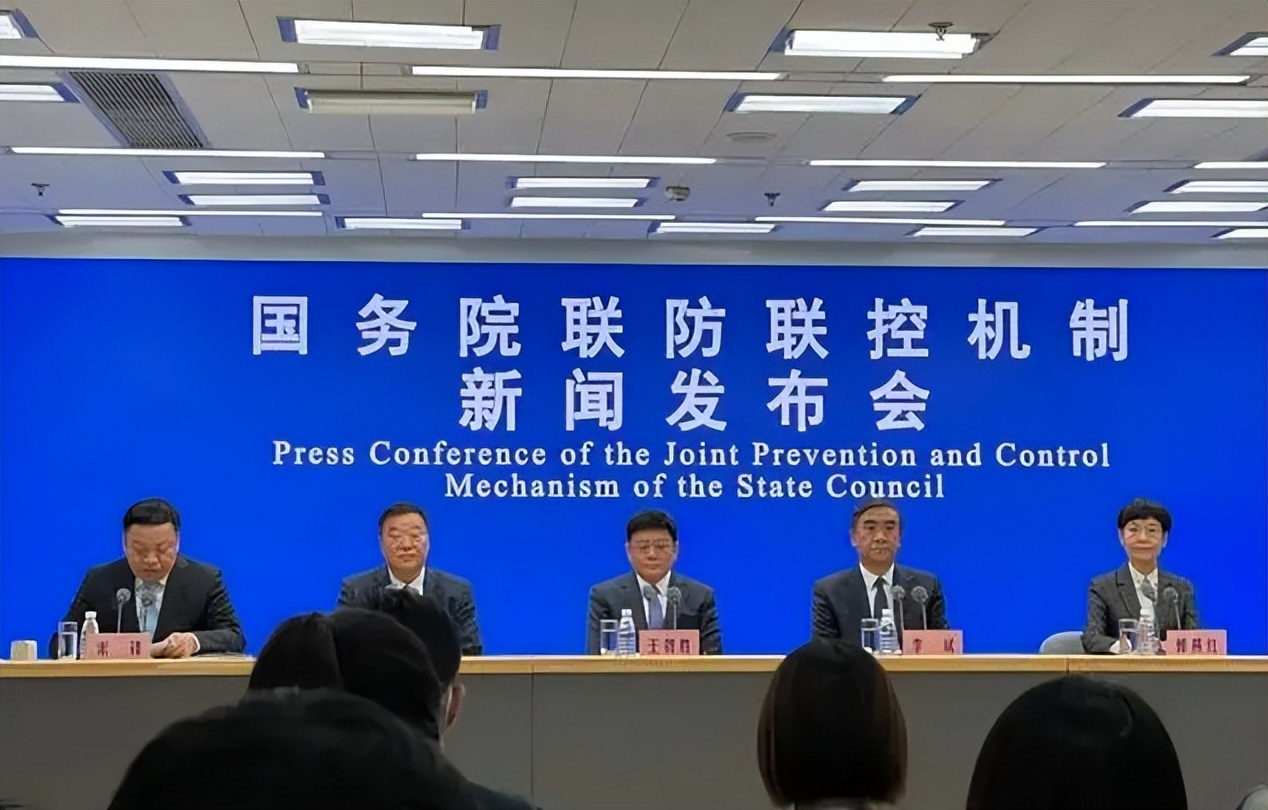
10 new measures
(一)科学精准划分风险区域
Scientifically and accurately delineate risk areas
按楼栋、单元、楼层、住户划定高风险区,不得随意扩大到小区、社区和街道(乡镇)等区域。不得采取各种形式的临时封控。
High-risk areas should be delimited according to building, unit, floor and household, and should not be arbitrarily extended to residential districts, communities, streets (towns) and other areas. No form of temporary containment shall be adopted.
(二)进一步优化核酸检测
Further optimize nucleic-acid testing
不按行政区域开展全员核酸检测,进一步缩小核酸检测范围、减少频次。根据防疫工作需要,可开展抗原检测。
对高风险岗位从业人员和高风险区人员按照有关规定进行核酸检测,其他人员愿检尽检。
除养老院、福利院、医疗机构、托幼机构、中小学等特殊场所外,不要求提供核酸检测阴性证明,不查验健康码。
重要机关、大型企业及一些特定场所可由属地自行确定防控措施。
不再对跨地区流动人员查验核酸检测阴性证明和健康码,不再开展落地检。
Nucleic-acid testing will not be carried out by all residens in administrative regions, and the scope and frequency of nucleic-acid testing will be further reduced. Anti-gen testing may be carried out according to the needs of epidemic prevention and controls.
Employees in high-risk positions and person in high-risk areas should have nucleic-acid testing in accordance with relevant regulations, and other people can voluntarily choose to test nucleic-acid.
Except for nursing homes, welfare homes, medical institutions, nursery, primary and secondary schools and other special places, they are not required to provide a negative nucleic-acid testing result and do not check the health-code.
Important organs, large enterprises and some specific places can determine their own prevention and control measures.
The negative nucleic-acid testing result and health-code will no longer be checked for trans-regional mobile workers, and landing nucleic-acid testing will no longer be carried out.
(三)优化调整隔离方式
Optimize and adjust quarantine methods
感染者要科学分类收治,具备居家隔离条件的无症状感染者和轻型病例一般采取居家隔离,也可自愿选择集中隔离收治。居家隔离期间加强健康监测,隔离第6、7天连续2次核酸检测Ct值≥35解除隔离,病情加重的及时转定点医院治疗。
Infected people should be treated in a scientific manner. Asymptomatic infections and mild symptom cases who are qualified for home quarantine are generally quarantined at home, or they can voluntarily choose to collective quarantine for medical treatment. Strengthened health monitoring during home quarantine, and the Ct value of nucleic-acid testing should be ≥35 for two consecutive times on the 6th and 7th day of quarantine. Patients with worsening conditions should be transferred to designated hospital for treatment immediately.
具备居家隔离条件的密切接触者采取5天居家隔离,也可自愿选择集中隔离,第5天核酸检测阴性后解除隔离。
Close contacts who are qualified for home quarantine may quarantine at home for 5 days, or they can voluntarily choose to be collective quarantined , and be released after a negative nucleic-acid test on the 5th day.
(四)落实高风险区“快封快解”
Implementing the "fast containment and quick lifting" for high-risk areas
连续5天没有新增感染者的高风险区,要及时解封。
If there is no new infection in high-risk for 5 consecutive days, it should be lifting in time.
(五)保障群众基本购药需求
Ensuring the residents's basic demand for medicine
各地药店要正常运营,不得随意关停。不得限制群众线上线下购买退热、止咳、抗病毒、治感冒等非处方药物。
Local pharmacies should operate normally and not be close arbitrarily. People should not be restricted from purchasing over-the-counter medicines such as antipyretic, cough, antiviral and cold medicines online or offline.
(六)加快推进老年人新冠病毒疫苗接种
Accelerating the vaccination of the elderly against COVID-19
各地要坚持应接尽接原则,聚焦提高60—79岁人群接种率、加快提升80岁及以上人群接种率,作出专项安排。
通过设立老年人绿色通道、临时接种点、流动接种车等措施,优化接种服务。
要逐级开展接种禁忌判定的培训,指导医务人员科学判定接种禁忌。
细化科普宣传,发动全社会力量参与动员老年人接种,各地可采取激励措施,调动老年人接种疫苗的积极性。
Local governments should adhere to the principle of full coverage, focus on raising the vaccination rate of people aged 60 to 79, and speed up the increase of the vaccination rate of people aged 80 and above, and make special arrangements.
Through the establishment of green channels for the elderly, temporary vaccination sites, mobile vaccination vehicles and other measures to optimize vaccination services.
Training on inoculation contraindications should be carried out step by step to guide medical staff to determine inoculation contraindications scientifically.
The whole society should be mobilized to participate in the mobilization of the elderly to vaccinate. Local governments can take incentive measures to mobilize the initiative of the elderly to vaccinate.
(七)加强重点人群健康情况摸底及分类管理
Strengthen health assessment and classified management of key population groups
发挥基层医疗卫生机构“网底”和家庭医生健康“守门人”的作用,摸清辖区内患有心脑血管疾病、慢阻肺、糖尿病、慢性肾病、肿瘤、免疫功能缺陷等疾病的老年人及其新冠病毒疫苗接种情况,推进实施分级分类管理。
Give full play to the role of grassroots medical and health institutions as "gatekeepers" for the health of family doctors, get a clear picture of the elderly with cardiovascular and cerebrovascular diseases, COPD, diabetes, chronic kidney disease, tumors, immune deficiency and other diseases and their vaccination status, and promote graded and classified management.
(八)保障社会正常运转和基本医疗服务
Ensure normal social functioning and basic medical services
非高风险区不得限制人员流动,不得停工、停产、停业。将医务人员、公安、交通物流、商超、保供、水电气暖等保障基本医疗服务和社会正常运转人员纳入“白名单”管理,相关人员做好个人防护、疫苗接种和健康监测,保障正常医疗服务和基本生活物资、水电气暖等供给,尽力维护正常生产工作秩序,及时解决群众提出的急难愁盼问题,切实满足疫情处置期间群众基本生活需求。
In areas not with high-risk, the movement of personnel shall not be restricted, and no work, production or suspension shall be allowed. Medical personnel, public security personnel, transportation and logistics personnel, retail and supermarket personnel, security and supply personnel, water, electricity and heating personnel and other personnel who guarantee basic medical services and normal social operation will be included in the "white list" management.
Relevant personnel will do a good job in personal protection, vaccination and health monitoring, ensure the supply of normal medical services, basic living materials, water, electricity and heating, and try their best to maintain normal production and work order. We will promptly address people's concerns and concerns, and effectively meet their basic living needs during the epidemic response period.
(九)强化涉疫安全保障
Strengthen security for epidemic
严禁以各种方式封堵消防通道、单元门、小区门,确保群众看病就医、紧急避险等外出渠道通畅。推动建立社区与专门医疗机构的对接机制,为独居老人、未成年人、孕产妇、残疾人、慢性病患者等提供就医便利。强化对封控人员、患者和一线工作人员等的关心关爱和心理疏导。
It is strictly prohibited to block fire passages, unit doors and community doors in various ways, so as to ensure that the public can go out to see a doctor or seek emergency shelter. We will promote the establishment of a mechanism for connecting communities with specialized medical institutions to provide convenience for the elderly, minors, pregnant women, the disabled, and patients with chronic diseases who live alone. We will strengthen care and psychological counseling for containment personnel, patients and front-line staff.
(十)进一步优化学校疫情防控工作
Further optimize epidemic prevention and control work in schools
各地各校要坚决落实科学精准防控要求,没有疫情的学校要开展正常的线下教学活动,校园内超市、食堂、体育场馆、图书馆等要正常开放。有疫情的学校要精准划定风险区域,风险区域外仍要保证正常的教学、生活等秩序。
Schools across the country should resolutely implement the requirements of scientific and precise prevention and control. Schools free of the epidemic should carry out normal offline teaching activities, and supermarkets, canteens, sports stadiums and libraries on campus should be open as usual. Schools affected by the epidemic should accurately define the risk areas, and ensure normal teaching and life order outside the risk areas.