What's Keeping Inflation Sticky
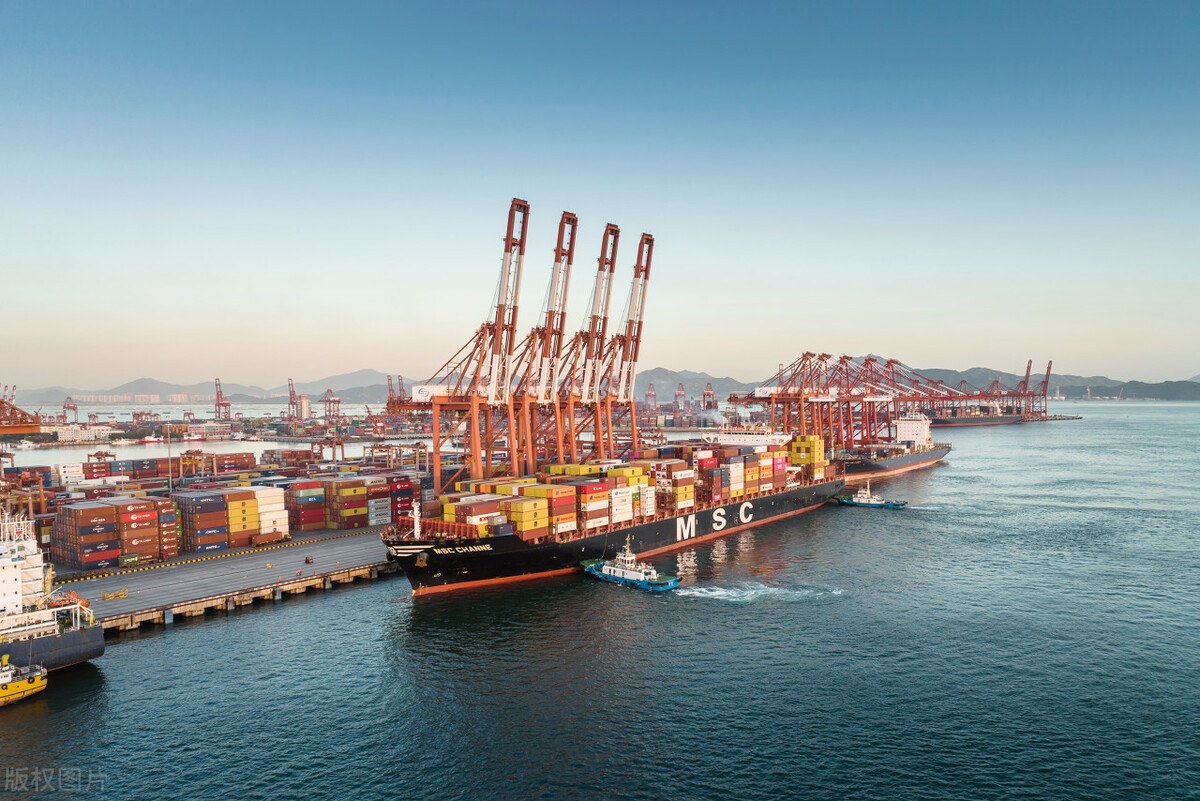
Supply chains around the world are mending almost as fast as they broke down. Even so, they'll continue to put upward pressure on inflation.The cost of sending a shipping container from China to the West Coast of the US increased more than fifteen fold during the pandemic. It's returned to pre-Covid-19 levels as trade between the world's two largest economies cools from a frenzied pace.But the cost of sending a container from Europe to the US East Coast is still more than double what it was in late 2019, according to data from Freightos Ltd., a digital marketplace.
全球供应链修复的速度几乎和它们崩溃的速度一样快。即便如此,它们仍将继续给通胀带来上行压力。疫情期间,集装箱从中国运送到美国西海岸的成本增加了15倍以上。随着世界上最大的两个经济体之间的贸易从疯狂的速度冷却下来,已经回到了新冠之前的水平。但根据数字市场Freightos Ltd.的数据,从欧洲发送一个集装箱到美国东海岸的成本仍是2019年底的两倍多。
Those are spot market prices, which don't give a full picture, because 70% of goods transported in steel boxes are subject to long-term contracts.And many of those deals were negotiated in 2021and 2022 when higher rates prevailed.It's not just ocean shipping. US road and rail freight rates have stayed high, because labor and equipment costs have risen.The upshot: Manufacturers and retailers may not be seeing enough of a drop in their costs of moving goods to motivate them to cut prices.John David Rainey, Walmart Inc.s chief financial officer, hinted at the dynamic in an earnings call on Feb. 21.“While the supply chain issues have largely abated, prices are still high, and there is considerable pressure on the consumer he said.
这些是现货市场价格,并不能反映全部情况,因为70%用钢箱运输的货物都有长期合同。其中许多交易是在2021年和2022年谈判达成的,当时利率普遍较高。不仅仅是海运。由于劳动力和设备成本上涨,美国公路和铁路运费一直居高不下,其结果是:制造商和零售商可能没有看到足够的货物运输成本下降来促使他们降价。沃尔玛首席财务长约翰•大卫•雷尼在2月21日的收益电话会议上暗示了这一动态。他说,虽然供应链问题已基本缓解,但价格仍然很高,消费者面临着相当大的压力。
That may help explain why inflation in many parts of the world remains stubbornly high. US producer prices rose in January by more than expected, and the Federal Reserve's preferred gauge of consumer costs also came in hotter than forecast.In the euro area, so-called core inflation.a measure that excludes volatile categories such as energy, food, alcohol and tobacco, reached a record in January.
这或许有助于解释为什么世界上许多地区的通货膨胀率仍然居高不下。美国1月份生产者价格指数(PPI)的涨幅高于预期,而美联储青睐的消费者成本指标也高于预期。在欧元区,所谓的核心通胀。该指标不包括能源、食品、酒精和*草烟**等波动性较大的类别,在1月份达到了创纪录水平。
Worker shortages are hitting the transportation and logistics industries hard, according to Nicholas Sly, vice president and economist at the Federal Reserve Bank of Kansas City.“There are several parts of the logistics sector that are actually quite labor-intensive”Sly says.“Drivers make up a very notable part of this” Warehousing also requires a lot of workers, he adds.
堪萨斯城联邦储备银行副行长兼经济学家尼古拉斯·斯莱表示,工人短缺正在严重打击运输和物流行业。希尔说:“物流行业有几个部分实际上是相当劳动密集型的。“司机是其中非常重要的一部分。”他补充说,仓储也需要大量工人。
Experts say rising wages and prices for equipment, including new and used trucks, have kept US freight costs from moderating."We may have seen ocean spot rates come back to their pre-Covid levels” says Jason Miller,an associate professor of supply chain management at Michigan State University.“We're not seeing that in domestic truck transportation, We're not seeing that in domestic rail freight prices”
专家们表示,不断上涨的工资和设备(包括新卡车和旧卡车)价格,使美国的货运成本无法放缓。密歇根州立大学供应链管理副教授杰森·米勒说:“我们可能已经看到海运现货价格回到了新冠疫情前的水平。”“我们在国内卡车运输中没有看到这一点,在国内铁路货运价格中也没有看到这一点。”
Companies are getting no relief on storage costs,either.WarehouseQuote expects warehousestorage pricing to continue climbing this year,partly because vacancy rates remain below historical averages.
企业在存储成本方面也没有得到缓解。WarehouseQuote预计,今年仓储价格将继续攀升,部分原因是空置率仍低于历史平均水平。
Even so, the easing of some supply chain strains means logistics issues are contributing less to inflation than at the height of the pandemic, according to Phil Levy, chief economist at Flexport Inc., a SanFrancisco company that specializes in supply chain management. What we've had is something of a handoff, where it went from really quick-spiking goods inflation to a big drop in the amount that's coming from goods" Levy says.“It's not that every single component of the supply chain has moved in lockstep, but things have let up quite a bit."
尽管如此,旧金山一家专门从事供应链管理的公司Flexport Inc.的首席经济学家菲尔·利维说,一些供应链压力的缓解意味着物流问题对通胀的影响比疫情最严重时要小。我们所经历的是某种程度上的交接,从真正快速飙升的商品通胀,到来自商品的通胀大幅下降。”“这并不是说供应链的每一个组成部分都在同步发展,但形势已经放缓了不少。”
来自彭博。