此在中国瓷器发展史上,总能看到一些五颜六色的瓷器,他们不同于传统的青瓷和白瓷的素雅,显得更为鲜活,更加贴近生活,这些色彩纷呈的瓷器便是我们今天所提到的粉彩瓷。粉彩是釉上彩品种之一,粉彩瓷是珐琅彩之外,清宫廷又一创烧的彩瓷,在彩绘中以渲染表现明暗,使每一种颜色都有不同层次的变化。
粉彩创烧于康熙晚期,成熟于雍正、乾隆两代,清三代是粉彩的鼎盛时期,颇受欧洲人的青睐。粉彩的创新,对于中国瓷器发展来说,有着重要的意义,是中国制瓷史上的一抹亮色,明清时期盛世气象的艺术体现,被誉为中国古代最靓丽的瓷器,具有极高的收藏价值。珐琅彩是釉上彩品类之一,釉上彩是在强度较高的素胎上彩绘,采用的是低温颜色釉工艺。最早烧成的釉上彩瓷出现在宋代,明代釉上彩瓷比较著名的有洪武时期的釉上红彩、宣德时期的釉上五彩等。明清时期除了官窑烧造精美复杂的釉上彩瓷之外,民窑也开始兴盛,取得了非凡的艺术成就。而红釉是在基础釉料中加入不同的金属着色剂,使釉面呈红色的陶瓷。红釉可分为高温红釉和低温红釉两种,高温红釉以铜为着色剂,低温红釉以铁或金为着色剂,高温红釉在宋代钧窑中已有所采用,但很少有通体一色的瓷器,元代末期景德镇窑仿烧成功。到明永乐宣德时,已达到历史最高水平。
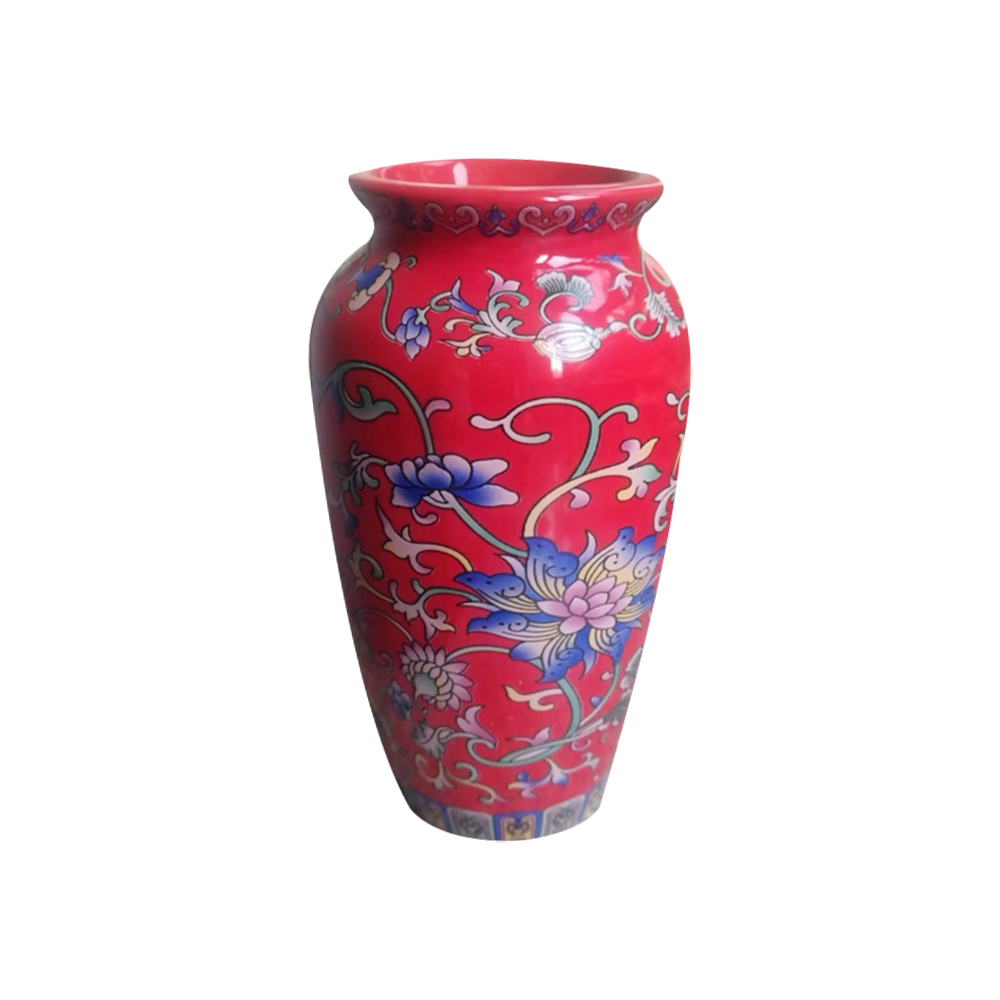
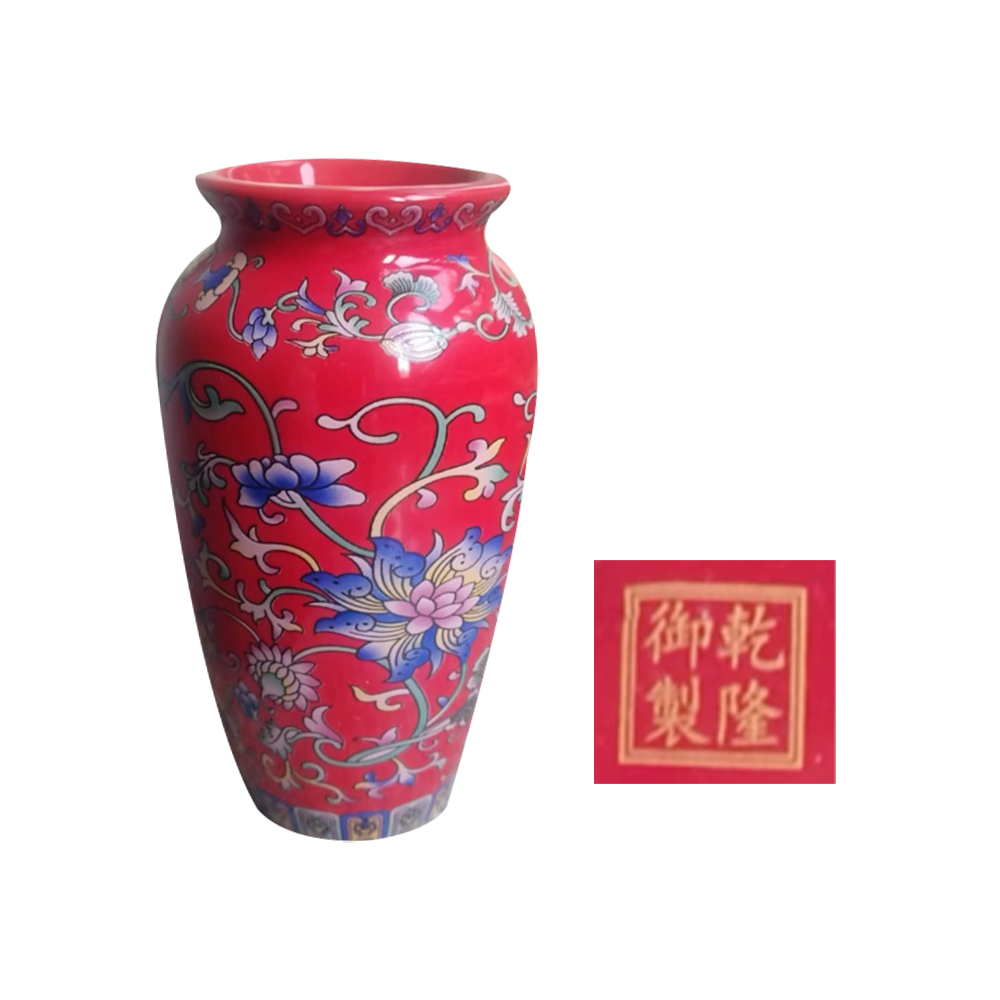
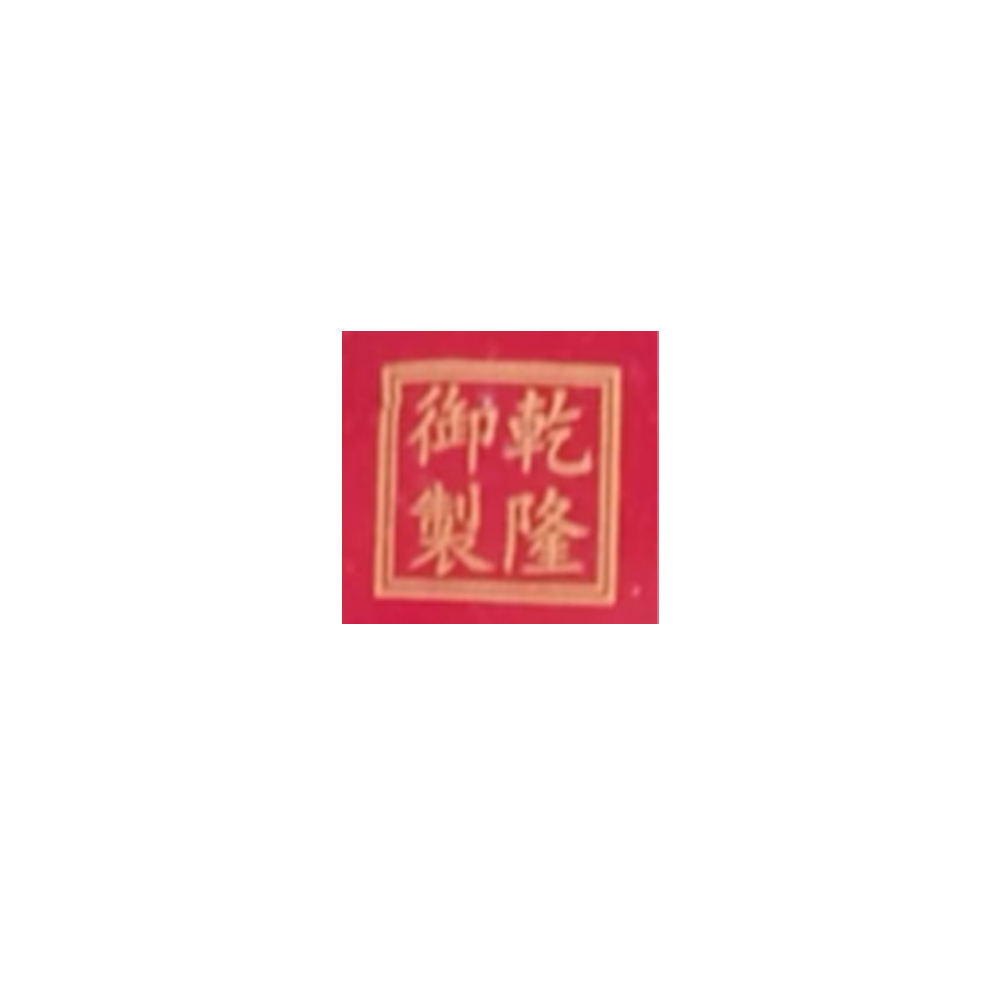
中国人向来喜爱红色,红色代表着许多美好寓意,是个被公认为大吉大利的颜色,在中国瓷器釉色种类最多的清朝自然少不了红釉瓷器。康熙时期的金红釉见有胭脂水瓶、盘、杯等,胎体轻薄,釉面有波浪纹,说明尚处于初始阶段。雍正时期的金红釉见有瓶、罐、盘、碗、杯等,胎体更为轻薄,造型玲珑小巧,釉色无论是胭脂水还是胭脂红都极匀净润泽,妩媚娇嫩。乾隆时期的金红釉器愈行愈远,乾隆之后只是这一红釉品种了。红釉是颜色釉中最绚丽灿烂的名品,自古及今,以其色彩的凝重、深沉与明艳为世所重。呈色为红色,是极少见的红釉彩瓷中的一种。瓶盘口,细长颈,长圆腹,近足处外撇,圈足,是一种比较经典的制瓷款式。瓶身以粉红、桔红、翠绿、草绿及褐色彩料描绘图案纹,外底署“乾隆年制”双行四字。此瓶形体各部分比例协调,轮廓线条过渡柔和,画面构图疏朗有致,色彩淡雅宜人,每枚花瓣和叶片都描绘精细,质感逼真,堪称粉彩瓷器中的佳作,反映出乾隆时期粉彩瓷器的高度艺术水准,具有很高的收藏价值。
In the history of Chinese porcelain development, we can always see some colorful porcelain. They are different from traditional celadon and white porcelain in terms of simplicity, appearing more lively and closer to life. These colorful porcelain is what we are referring to today as powder colored porcelain. Famille rose is one of the Overglaze decoration colors. Famille rose porcelain is another kind of color porcelain created by the Qing court in addition to the enamel color. It shows light and shade in color painting, making each color have different levels of change. Vermilion was created and burned in the late Kangxi period and matured in the Yongzheng and Qianlong dynasties. The Qing Dynasty was the heyday of Vermilion and was highly favored by Europeans. The innovation of pastel painting is of great significance for the development of Chinese porcelain. It is a shining color in the history of Chinese porcelain making and an artistic reflection of the prosperous era of the Ming and Qing dynasties. It is known as the most beautiful ancient porcelain in China and has high collection value. Enamel color is one of the Overglaze decoration color categories. Overglaze decoration color is painted on a high strength substrate, which adopts a low-temperature color glaze process. The earliest overglaze colored porcelain appeared in the Song Dynasty. The overglaze colored porcelain in the Ming Dynasty is famous for its overglaze red color in the Hongwu period and the overglaze five colors in the Xuande period. In the Ming and Qing dynasties, in addition to the exquisite and complex overglaze colored porcelain produced by the official kilns, the civilian kilns also began to flourish and made extraordinary artistic achievements. Red glaze is a ceramic that adds different metal colorants to the basic glaze to make the glaze appear red. Red glaze can be divided into two types: high-temperature red glaze and low-temperature red glaze. High temperature red glaze uses copper as the colorant, while low-temperature red glaze uses iron or gold as the colorant. High temperature red glaze has been used in Jun kilns of the Song Dynasty, but there are few porcelain with a uniform color. In the late Yuan Dynasty, Jingdezhen kilns successfully imitated firing. By the time of Yongle Xuande in the Ming Dynasty, it had reached the highest level in history. Chinese people have always loved red, which represents many beautiful meanings and is widely recognized as a lucky color. In the Qing Dynasty, which had the most types of porcelain glaze, red glazed porcelain was naturally indispensable. During the Kangxi period, there were rouge water bottles, plates, cups, etc. on the golden red glaze, with a light and thin body and wavy patterns on the glaze surface, indicating that it was still in its initial stage. The golden red glaze of the Yongzheng period can be seen in bottles, jars, plates, bowls, cups, etc. The body of the glaze is lighter and thinner, and the shape is exquisite and small. The glaze color, whether it is rouge water or rouge red, is extremely uniform and moist, charming and delicate. During the Qianlong period, the golden and red glazed vessels became more and more distant, and after the Qianlong period, only this type of red glazed vessel became available. Red glaze is the most magnificent and brilliant product among colored glazes. From ancient times to the present, its dignified, deep, and bright colors have been valued by the world. It is a rare type of red glazed porcelain with a color of red. The bottle and plate mouth, slender neck, long round belly, outward curling near the feet, and circular feet are a classic porcelain making style. The bottle body is decorated with pink, orange, emerald green, grass green, and brown colored materials to depict pattern patterns, and the outsole is inscribed with the words "Made in the Qianlong era" in double lines. The proportions of various parts of this bottle are coordinated, the contour lines are transitional and soft, the composition of the picture is sparse and clear, the colors are elegant and pleasant, and each petal and leaf are finely depicted, with a realistic texture, making it a masterpiece of pastel porcelain. It reflects the high artistic level of pastel porcelain during the Qianlong period and has high collection value