《三十六计》是一部奇书,是一部“谋略”大全。六六三十六,数中有术,术中有数。阴阳燮理,机在其中。机不可设,设则不中。
“三十六计”一语,先于著书之年,语源可考自南朝宋将檀道济(?—公元436年),据《南齐书·王敬则传》:“檀公三十六策,走为上计,汝父子唯应走耳。”意为败局已定,无可挽回,唯有退却,方是上策。此语后人赓相沿用,宋代惠洪《冷斋夜话》:“三十六计,走为上计。”。至明末清初,引用此语的人更多。于是有心人采集群书,编撰成《三十六计》。但此书为何时何人所撰已难以确考。
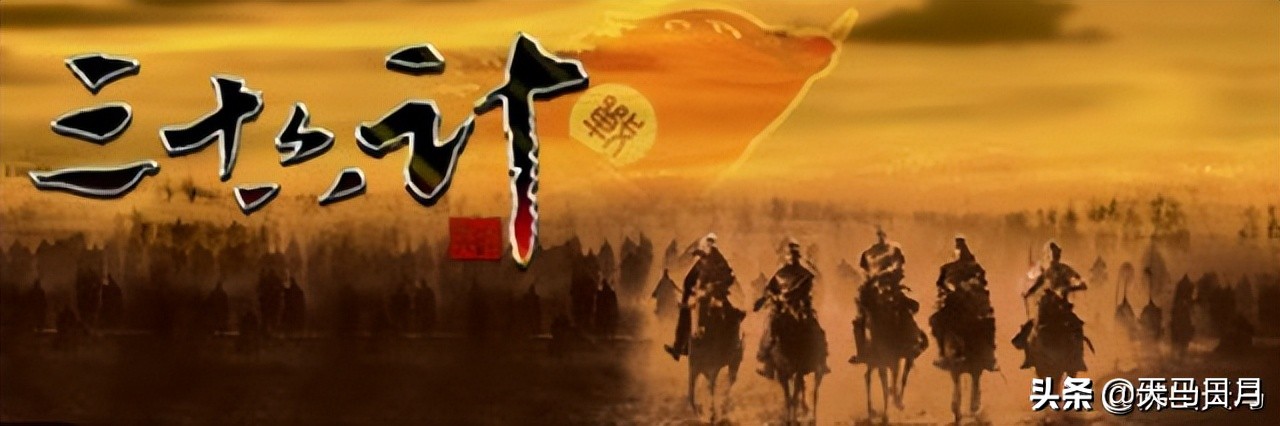
数中有术,术中有数
欲擒故纵
逼则反兵,走则减势。紧随勿追,累其气力,消其斗志,散而后擒,兵不血刃。需,有孚,光。
译文:
逼得敌人走投无路,他便会狗急跳墙反扑过来:而给他条生路,则可以消灭其锐气。所以虽全力追击敌人,但对他万不可逼急了,要以消耗其体力、瓦解其斗志为目标。依照《易经.蹇》卦的原理,只有首先在精神上制服敌人,再等待有利时机,就会贏得光明的坦途。
An enemy that has his back to the wall, is liable to, in desperation, launch a counter offensive to retrieve lost ground. By offering him a way out, you can reduce his drive and vigour. Of course, you should use your full strength to chase and attack the enemy, but on no account be overanxious to press him. Depleting his physical strength and disintegrating his morale should be the main objectives. IF you wait for the enemy’s military strength to disperse, then there wil be no need to unnecessarily sacrifice blood in achieving victory. In accordance with 'The Book of Changes ( Necessity )', your first objective should be to subdue the enemy’s spirit, then, when you have asserted yourself, you will have paved a clear road to victory.
希望通过认真学习能从中受到启迪,尽可能学到其中的深谋远虑,进退自如,运筹帷幄,更能学以致用。
三百六十五个日子,三百六十五个祝福,精彩无处不在!
让梦想随着快乐的心情,陪伴走过五彩缤纷的每一天,每一年!
喜欢这个主题的朋友们请点赞一下,并继续关注“天马日月”已经发布的其它内容,谢谢!