案例研究已将能量饮料与不利影响联系起来,尤其是对心血管系统的不利影响,但发生不良事件的总体风险较低且取决于具体情况。
能量饮料市场是巨大的。2016年,它在全球的价值为430亿美元,仅在美国就有120亿美元,预计到2025年,它的价值将增加近一倍。
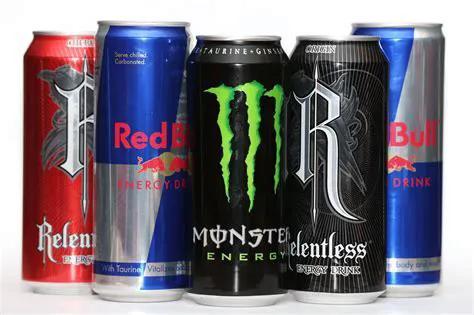
2007年至2017年,人口调查报告显示,58%的加拿大年轻人[1]、53%的美国军人[2]、51%的美国大学生[3]和35%的新西兰青少年[4]饮用能量饮料。换句话说,年轻人口中的一大块。
那么,是什么让能量饮料在年轻人中如此受欢迎?当然,简单地渴望提升能量是一个主要因素:由于成功的营销活动[5][6]和由此产生的同伴压力,能量饮料已成为新一代的咖啡。其他因素包括可用性、成本和口味。[7]对健康的负面影响似乎是一种常见的经历[8],但也是一种小的阻碍。
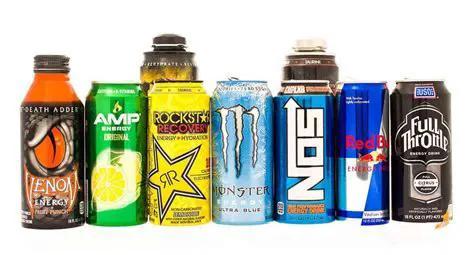
越来越多的年轻人饮用能量饮料。在这些人中,有些人对经常使用的潜在有害影响有顾虑,但其他因素(营销、可得性、成本、口味和对能量提升的渴望)在他们的购买决定中占有更大的比重。
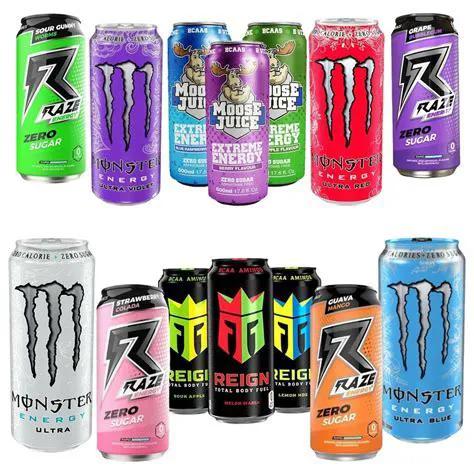
能量饮料里有什么?
没有两种产品是完全相同的,但常见的成分包括咖啡因、牛磺酸、B族维生素(B3、B6、B12、肌醇)、草药(如人参、瓜拉纳),当然还有一些糖或人工甜味剂。
虽然我们可以审查每一种成分以评估其安全性,但这种方法会使我们顾此失彼:一起食用的成分通常会相互影响。 [9][10] 例如,一项双盲、随机交叉试验发现,一种能量饮料可以提高认知能力,即使单独食用其成分(咖啡因、葡萄糖、人参和银杏叶)也不会。 [9]另一项研究发现,牛磺酸与咖啡因的某些作用相反,因此,与单独饮用咖啡因相比,同时服用这两种成分会导致活力下降和头痛加剧。
尽管如此,有两种化合物确实值得特别注意。
咖啡因
咖啡因是能量饮料的主要刺激物。大多数流行的能量饮料每16盎司含有约150毫克的咖啡因,这还不算其他成分的咖啡因含量,如瓜拉纳或科拉果。换句话说,能量饮料的咖啡因含量约为一罐可乐(12盎司中含32毫克)的470%,是一杯咖啡(8盎司中含95毫克)的160%。咖啡因摄入量低于400毫克/天被认为是安全的,但实际的安全阈值取决于个人因素,如遗传、健康状况和昼夜节律[11] 。
以CYP1A2为例,值得注意。这种细胞色素P450酶负责清除体内的咖啡因和许多其他药物。遗传和生活方式因素(吸烟、饮食习惯、避孕药具的使用......)都会影响它的活动,因此可以改变咖啡因的代谢。[12] 同样,腺苷受体(咖啡因的分子目标)的遗传变异可以影响睡眠[13] 并使人容易产生咖啡因引起的焦虑[14] 。
糖类
碳水化合物本身并不会导致肥胖或相关的健康问题。尽管如此,饮用含糖饮料往往会导致热量摄入增加;因此,含糖饮料会导致肥胖和相关的健康问题,如糖尿病、代谢综合征和脂肪肝,特别是在一个喜欢坐着而不是移动的社会。
不同的能量饮料含有不同剂量的不同成分,所有这些成分都有可能发生相互作用。因此,谨慎的做法是将每种能量饮料作为一个整体来评估其安全性,而不是仅仅根据其个别成分。不过,应该注意的是,添加的糖在现代环境中可能是独特的有害物,而且能量饮料中的主要刺激物--咖啡因的代谢表现出高度的个体差异性。
能量饮料会造成伤害吗?
它们绝对可以。
在2010年10月1日至2011年9月30日期间,美国国家毒物数据系统(NPDS)收到230万个电话。在4854个(0.2%)与能量饮料有关的电话中,[17]近三分之二与未知添加剂的污染有关。与未知添加剂无关的主要不良事件包括癫痫发作和心血管问题,如心律失常(心律不齐)和呼吸过速(呼吸异常快速)。当能量饮料与酒精一起饮用时,报告的事件最为严重。
能量饮料的心血管影响值得特别注意。咖啡因主要影响血管,而其他成分则主要影响心脏。[18] 总的来说,能量饮料被认为会引起短期的不良变化,其特点是增加心脏的工作量和减少流向大脑的血液。[19] 这些影响是由咖啡因及其与糖的相互作用造成的,在较小程度上是由辅助物质造成。
一些案例报告将能量饮料和心房颤动联系起来;[20] 他们提到的剂量比发现能量饮料和心房颤动之间没有明显联系的研究中使用的剂量要高。[21] 与能量饮料有关的其他心血管变化包括ST段升高、[22] 心肌病、[23] 心脏骤停、[24] 冠状动脉血管痉挛、[25] 急性冠状动脉血栓形成、[26] 和主动脉瘤剥离。
能量饮料与急性中毒有关,主要是因为饮料中的污染物。然而,未受污染的能量饮料也与通过对心血管系统的不利影响而中毒有关。
谁有风险?
计划怀孕的妇女应避免服用过多的咖啡因:每天摄入超过400毫克的妇女比每天摄入少于50毫克的妇女自然流产的可能性高11%[28] 。
而且还不止于此。怀孕期间饮用咖啡因会干扰胎儿的大脑发育,从而导致持久的认知障碍。 [29] 怀孕会改变咖啡因的代谢方式,增加咖啡因的半衰期,从而增加胎儿的摄入量,这也是没有用的。
[30]而且,这还不止于此。儿童和青少年可能是另一个高危人群:由于他们身材矮小,他们对能量饮料中的许多成分的安全阈值较低。前面提到的NPDS研究显示,一半的非酒精能量饮料事件发生在6岁以下的儿童身上,另外10.5%发生在6-12岁的儿童身上。[17]有人建议孩子们把每天的咖啡因摄入量限制在每公斤体重2.5毫克以下(1.13毫克/磅)[31] - 对于平均10岁的孩子来说,这意味着低于80毫克,所以大多数能量饮料的摄入量约为8盎司(237毫升)。(237 mL)的大多数能量饮料。
有好处吗?
在成人中进行的几项随机对照试验表明,能量饮料有利于精神表现。[32][33][34]在适当的情况下,咖啡因的抗疲劳作用也可以被认为是一种好处。[35]此外,一项荟萃分析发现,饮用能量饮料可以改善肌肉力量和耐力、耐力运动测试的表现、跳跃和运动的具体行动。
除了对抗疲劳,能量饮料还能提高认知能力和运动表现,但你应该权衡其好处和潜在风险。孕妇和胎儿特别容易受到能量饮料的不利影响,儿童和青少年由于体型小,也容易受到影响。
那么,能量饮料对你有害吗?
案例报告显示,能量饮料与不良健康影响有关,最常见的是与心血管系统有关。咖啡因含量可能是罪魁祸首,但糖类也起作用,其他成分也可能如此--或它们的组合。就像所有事情一样,能量饮料可能造成伤害,但它们的实际作用取决于许多因素,如消费的数量和消费者的健康状态。
References
- ^ Wiggers D, et al. Use and Perceptions of Caffeinated Energy Drinks and Energy Shots in Canada. Am J Prev Med . (2017)
- ^ Stephens MB, et al. Energy drink and energy shot use in the military. Nutr Rev . (2014)
- ^ Malinauskas BM, et al. A survey of energy drink consumption patterns among college students. Nutr J . (2007)
- ^ Utter J, et al. Energy drink consumption among New Zealand adolescents: Associations with mental health, health risk behaviours and body size. J Paediatr Child Health . (2017)
- ^ Hammond D, Reid JL. Exposure and perceptions of marketing for caffeinated energy drinks among young Canadians. Public Health Nutr . (2018)
- ^ Emond JA, Sargent JD, Gilbert-Diamond D. Patterns of energy drink advertising over US television networks. J Nutr Educ Behav . (2015)
- ^ Francis J, et al. Informing Intervention Strategies to Reduce Energy Drink Consumption in Young People: Findings From Qualitative Research. J Nutr Educ Behav . (2017)
- ^ Hammond D, Reid JL, Zukowski S. Adverse effects of caffeinated energy drinks among youth and young adults in Canada: a Web-based survey. CMAJ Open . (2018)
- ^ a b Scholey AB, Kennedy DO. Cognitive and physiological effects of an "energy drink": an evaluation of the whole drink and of glucose, caffeine and herbal flavouring fractions. Psychopharmacology (Berl) . (2004)
- ^ a b Giles GE, et al. Differential cognitive effects of energy drink ingredients: caffeine, taurine, and glucose. Pharmacol Biochem Behav . (2012)
- ^ Temple JL, et al. The Safety of Ingested Caffeine: A Comprehensive Review. Front Psychiatry . (2017)
- ^ Faber MS, Jetter A, Fuhr U. Assessment of CYP1A2 activity in clinical practice: why, how, and when?. Basic Clin Pharmacol Toxicol . (2005)
- ^ Rétey JV, et al. A genetic variation in the adenosine A2A receptor gene (ADORA2A) contributes to individual sensitivity to caffeine effects on sleep. Clin Pharmacol Ther . (2007)
- ^ Alsene K, et al. Association between A2a receptor gene polymorphisms and caffeine-induced anxiety. Neuropsychopharmacology . (2003)
- ^ Malik VS, Schulze MB, Hu FB. Intake of sugar-sweetened beverages and weight gain: a systematic review. Am J Clin Nutr . (2006)
- ^ Bray GA, Popkin BM. Dietary sugar and body weight: have we reached a crisis in the epidemic of obesity and diabetes?: health be damned! Pour on the sugar. Diabetes Care . (2014)
- ^ a b Seifert SM, et al. An analysis of energy-drink toxicity in the National Poison Data System. Clin Toxicol (Phila) . (2013)
- ^ Miles-Chan JL, et al. The blood pressure-elevating effect of Red Bull energy drink is mimicked by caffeine but through different hemodynamic pathways. Physiol Rep . (2015)
- ^ Grasser EK, et al. Energy Drinks and Their Impact on the Cardiovascular System: Potential Mechanisms. Adv Nutr . (2016)
- ^ Di Rocco JR, et al. Atrial fibrillation in healthy adolescents after highly caffeinated beverage consumption: two case reports. J Med Case Rep . (2011)
- ^ Shen J, et al. Dietary factors and incident atrial fibrillation: the Framingham Heart Study. Am J Clin Nutr . (2011)
- ^ Hanan Israelit S, Strizevsky A, Raviv B. ST elevation myocardial infarction in a young patientafter ingestion of caffeinated energy drink and ecstasy. World J Emerg Med . (2012)
- ^ Kaoukis A, et al. Reverse Takotsubo cardiomyopathy associated with the consumption of an energy drink. Circulation . (2012)
- ^ Rottlaender D, et al. Cardiac arrest due to long QT syndrome associated with excessive consumption of energy drinks. Int J Cardiol . (2012)
- ^ Berger AJ, Alford K. Cardiac arrest in a young man following excess consumption of caffeinated "energy drinks". Med J Aust . (2009)
- ^ Benjo AM, et al. Left main coronary artery acute thrombosis related to energy drink intake. Circulation . (2012)
- ^ Jonjev ZS, Bala G. High-energy drinks may provoke aortic dissection. Coll Antropol . (2013)
- ^ Gaskins AJ, et al. Pre-pregnancy caffeine and caffeinated beverage intake and risk of spontaneous abortion. Eur J Nutr . (2016)
- ^ Silva CG, et al. Adenosine receptor antagonists including caffeine alter fetal brain development in mice. Sci Transl Med . (2013)
- ^ Knutti R, Rothweiler H, Schlatter C. The effect of pregnancy on the pharmacokinetics of caffeine. Arch Toxicol Suppl . (1982)
- ^ Ruxton CH. The suitability of caffeinated drinks for children: a systematic review of randomised controlled trials, observational studies and expert panel guidelines. J Hum Nutr Diet . (2014)
- ^ Alford C, Cox H, Wescott R. The effects of red bull energy drink on human performance and mood. Amino Acids . (2001)
- ^ Howard MA, Marczinski CA. Acute effects of a glucose energy drink on behavioral control. Exp Clin Psychopharmacol . (2010)
- ^ van den Eynde F, et al. The effects of energy drinks on cognitive performance. Tijdschr Psychiatr . (2008)
- ^ Roehrs T, Roth T. Caffeine: sleep and daytime sleepiness. Sleep Med Rev . (2008)
- ^ Souza DB, et al. Acute effects of caffeine-containing energy drinks on physical performance: a systematic review and meta-analysis. Eur J Nutr . (2017)