普密蓬·阿杜德(泰文: ภูมิพลอดุลยเดช,英文:Bhumibol Adulyadej;1927年12月5日—2016年10月13日),即泰国国王拉玛九世(泰文:รัชกาลที่ ๙,英文:Rama IX),中文名郑固,却克里王朝(曼谷王朝)的第九位国王。
普密蓬1935年被立为王储,1945年前往洛桑大学进修,1946年6月登基成为泰国国王,尊称为拉玛九世;1950年5月5日加冕;1951年从瑞士洛桑大学毕业;2016年10月13日离世,享年88岁;2019年5月哇集拉隆功追封为“王父普密蓬·阿杜德大帝”。
普密蓬在位期间,致力于国家社会经济发展,多次化解国内政治危局,广受泰国人民爱戴。
藏品介绍
中文名称:泰国100珠拉玛九世国王纪念钞
英文名称:Thailand 100 Zulama IX commemorative banknote
类别:杂项
规格:1枚
品相:美品
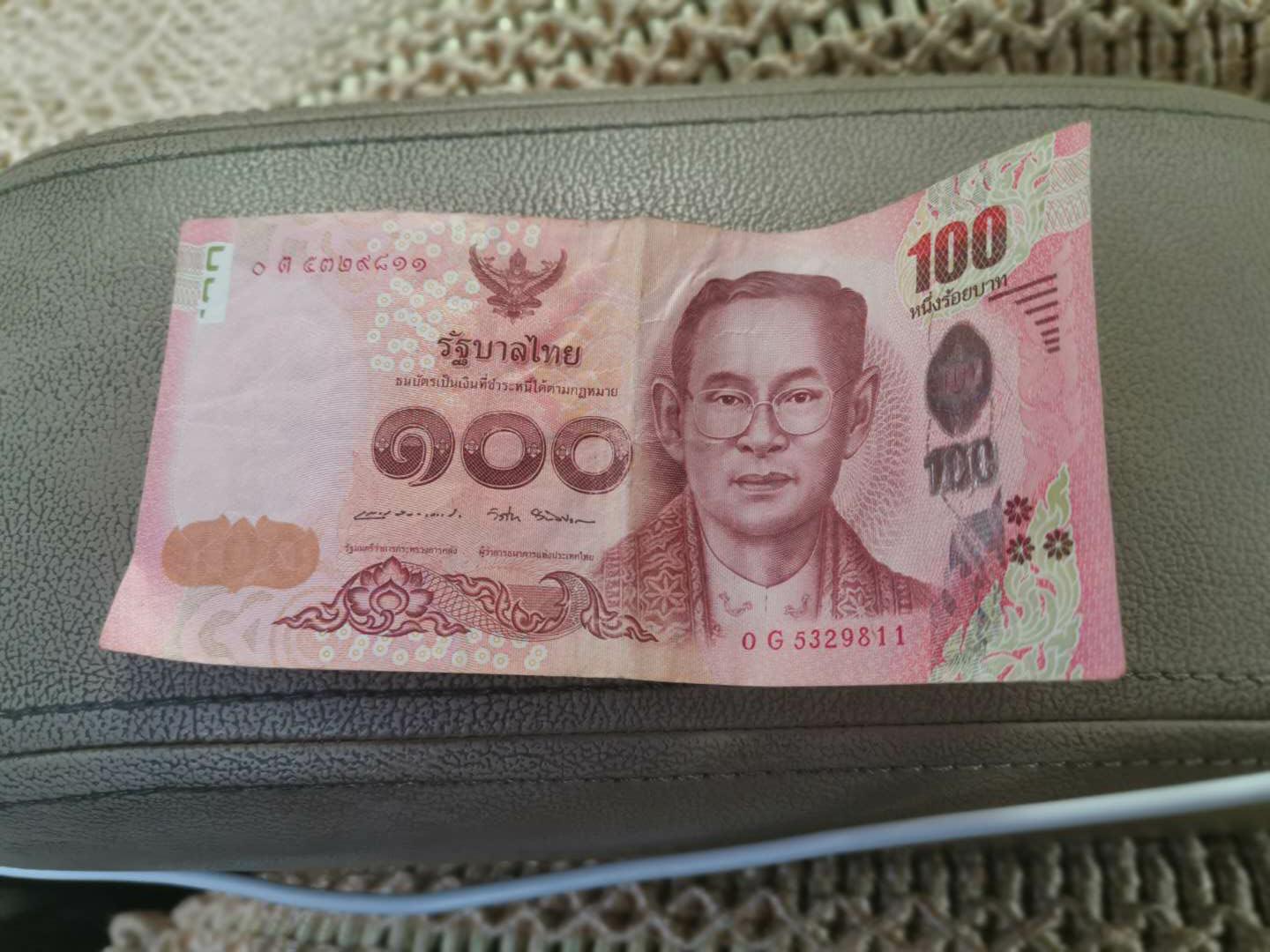
在政治上,普密蓬奉行慈悲为怀,既往不咎的传统宽容政策。他赦免了谋杀八世王的刺客,允许他从*亡流**地区返国与家人团聚,对被迫参加1981年4月1日未遂*变政**的几位头目免予审讯。
普密蓬为改善农民生活,规定每年5月8日为“农民日”,每年这一天亲自发表文告,强调政府推行扶农政策。他还通过阅读大量专业图书资料,同专家磋商研究之后,亲自制定了发展农村的长远规划。
普密蓬的姓名“普密蓬·阿杜德”由泰国国王巴差提朴所起,意思是“土地的力量,无与伦比的力量”。在泰国普密蓬·阿杜德就是他们信奉的伟人,深受百姓所爱戴,此纪念钞限量发行,泰国银行宣布将于9月20日发行一套五枚纪念钞,向“无限仁慈的拉玛九世国王”致敬。这套纪念钞和泰国现行版流通纸币(第16套)正面相同,背面的“泰国五大帝”则全部换成了拉玛九世人生各时期的影像。这100珠为壮年时期,体现他勤政爱民,服务农村,此币四角直,无脏污,品相完美,具有极大的收藏潜力。
众所周知,粮票作为特殊时代留下的历史产物,从1955年实行粮票制度以后逐渐被人所熟知,从1955年发行第一张粮票到1993年国家全面停止使用粮票,在中国历史经济体制中发挥着重要的作用。随着社会经济和社会的发展,粮票早已经退出人们的生活,并且一直有着“生命第一票”和“第二货币”之称的美誉,但是粮票作为当时社会生活的一种见证,凡是之前使用过粮票的人,始终对粮票还有着一种特殊的感情。
众所周知,粮票作为特殊时代留下的历史产物,从1955年实行粮票制度以后逐渐被人所熟知,从1955年发行第一张粮票到1993年国家全面停止使用粮票,在中国历史经济体制中发挥着重要的作用。
藏品介绍
中文名称:伍市斤,叁市斤粮票
英文名称:Five jin, three jin grain coupons
类别:杂项
规格:十张
品相:美品
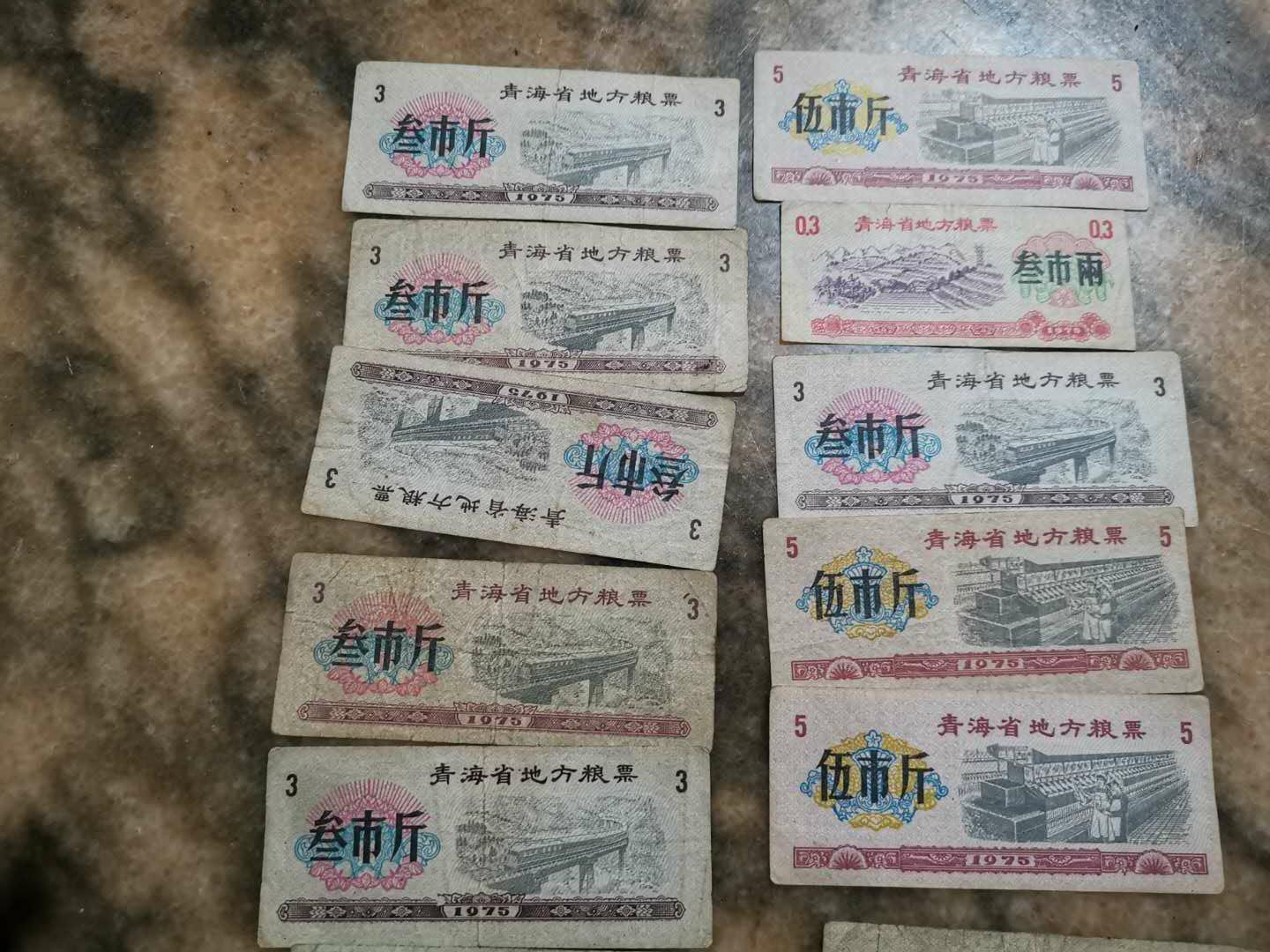
当时每个省份的粮票都不一样,而这十张为通用粮票,粮票收藏是面值越大的价值越高,其次就是看品相了,这十枚为五市斤与叁市斤,面值属于中上等,品相属于完美,四角直,无脏污,无明显折痕,为收藏精品。
粮票是20世纪50年代至85年代中国在特定经济时期发放的一种购粮凭证,那时它与人们的生活息息相关。中国最早实行的票证种类是粮票、食用油票、布票等。粮票作为一种实际的有价证券,在中国使用达40多年,随着社会的发展,它退出历史舞台。
粮票作为特殊年代的特殊产物,是物质生产力低下的见证。老一辈对粮票记忆犹新。在1950年到1985年间,粮票一度成为每家的命根子,是生活的必需物。那时候不仅吃饭要粮票,买布、生活用品需要粮票,就连发工资都是发的粮票。
随着社会经济和社会的发展,粮票早已经退出人们的生活,并且一直有着“生命第一票”和“第二货币”之称的美誉,但是粮票作为当时社会生活的一种见证,凡是之前使用过粮票的人,始终对粮票还有着一种特殊的感情。
而近几年来,粮票作为收藏品界的一匹黑马,在各大文交所都呈现一种良好的上升态势,创造出非常好的交易记录。无论是风靡一时的青海粮票、*疆新**粮票,还是其他的具有特殊纪念意义的粮票,都在收藏界有着良好的反映,受到粮票爱好收藏者的青睐。
英文翻译:Bhumibol Adulyadej (Thai: ภ ู ม ิ พ ล อ ด ุ ล ย เ ด ช, English: bhumiboladulyadej; On December 5, 1927 - on October 13, 2016), the Thai king Rama IX (Thai: ร ั ช ก า ล ท ี ่ ๙, English: Rama IX), Chinese name Zheng Gu, but the ninth king of kerry dynasty dynasty (Bangkok).
In 1935, Bhumibol was established as the Crown Prince. In 1945, he went to lausanne University for further study. In June 1946, he ascended the throne of Thailand and was honored as King Rama IX. Coronation on 5 May 1950; He graduated from the University of Lausanne in Switzerland in 1951; Died on October 13, 2016, aged 88; In May 2019, Vajiralongkorn was conferred the title of "King's Father Bhumibol Adulyadej the Great".
During his reign, Bhumibol devoted himself to the country's social and economic development, and resolved domestic political crises for many times. He was widely loved by the Thai people.
The collection is introduced
Chinese name: Thailand 100 Zulama ix king commemorative banknote
English name: Thailand 100 Zulama IX commemorative banknote
Category: Miscellaneous
Specification: 1 piece
Appearance: Beautiful
Politically, Bhumibol followed a traditional policy of mercy, letting bygones be bygones. He pardoned the assassin who murdered the eighth king, allowed him to return from exile to reunite with his family, and exempted the trial of several leaders who had been forced to take part in the failed coup of April 1, 1981.
In order to improve the life of farmers, Bhumibol adulyadej set May 8 as "Farmers Day" every year. On this day, he personally issued a message to emphasize the government's policy of supporting farmers. He also made a long-term plan for rural development by reading a large number of professional books and materials and consulting with experts.
Bhumibol's name, Bhumibol Adulyadej, was derived from The Thai king Bachatipu, meaning "the power of the land, the incomparable power." In Thailand, where Bhumibol Adulyadej is a revered figure, the bank of Thailand has announced that a set of five commemorative banknotes will be issued on September 20 to pay tribute to "King Rama IX, the infinitely merciful." The commemorative banknotes share the same front as the current edition of Thailand's banknotes (set 16), while the "Five Great Emperors" on the back are all images of King Rama IX in various periods of his life. The 100 beads for the prime of life, reflects his diligent love of the people, the service of the countryside, this coin four jiao straight, no dirt, perfect appearance, has a great collection potential.
As is known to all, food stamps, as a historical product left over from the special era, were gradually known to people after the implementation of the food stamps system in 1955. From the issuance of the first food stamps in 1955 to the complete cessation of the use of food stamps in 1993, they played an important role in China's historical economic system. With the development of social economy and society, food stamps have long been withdrawn from people's life, and have always enjoyed the reputation of "the first ticket of life" and "the second currency". However, as a witness of social life at that time, those who have used food stamps before always have a special feeling for food stamps.
As is known to all, food stamps, as a historical product left over from the special era, were gradually known to people after the implementation of the food stamps system in 1955. From the issuance of the first food stamps in 1955 to the complete cessation of the use of food stamps in 1993, they played an important role in China's historical economic system.
The collection is introduced
Chinese name: Wu Jin, three jin grain coupons
Add Five jin grain coupons
Category: Miscellaneous
Specification: ten sheets
Appearance: Beautiful
At that time, each province's food stamps are not the same, and the 10 are general purpose food stamps, the larger the value of the food stamps collection is the higher the value, the next is to see the product phase, the 10 pieces are five market jin and three market jin, the face value belongs to the first class, the product phase belongs to perfect, four corners are straight, no dirt, no obvious crease, for the collection of high-quality goods.
Food stamps were issued during specific economic periods in China from the 1950s to the 1980s, when they were relevant to people's lives. Food coupons, edible oil coupons and cloth coupons were the first to be implemented in China. As a kind of practical securities, food stamps have been used in China for more than 40 years. With the development of the society, they have disappeared from the stage of history.
Food stamps, as a special product of the special era, are the testimony of low material productivity. Food stamps are fresh in the memory of the older generation. Between 1950 and 1985, food stamps became the lifeblood of the family, a necessity. At that time, food stamps were not only needed for meals, but also for buying cloth and daily necessities, and even for the payment of wages.
With the development of social economy and society, food stamps have long been withdrawn from people's life, and have always enjoyed the reputation of "the first ticket of life" and "the second currency". However, as a witness of social life at that time, those who have used food stamps before always have a special feeling for food stamps.
In recent years, food stamps, as a dark horse in the world of collectibles, have presented a good rising trend in all major exchanges, creating a very good trading record. Both the qinghai food stamps, Xinjiang food stamps and other food stamps with special commemorative significance are well reflected in the collection circle and favored by collectors who like food stamps.