
Wine Legend: Château Margaux 1983, Bordeaux, France
Bottles produced 350,000
Composition 75% Cabernet Sauvignon, 15% Merlot, 6% Petit Verdot, 4% Cabernet Franc
Yield 67hl/ha
Alcohol level 12.5%
Release price 170 francs (€26 at today’s prices)
Price today £460 to £620 a bottle
葡萄酒传奇:玛歌酒庄1983年份酒
产地:法国波尔多
瓶装量:35万
成分:75%赤霞珠,15%梅洛,6%小维多,4%品丽珠
产量:6700升/公顷
酒精度:12.5%
发行价:170法郎(现价26欧元)
现价:460至620英镑/每瓶
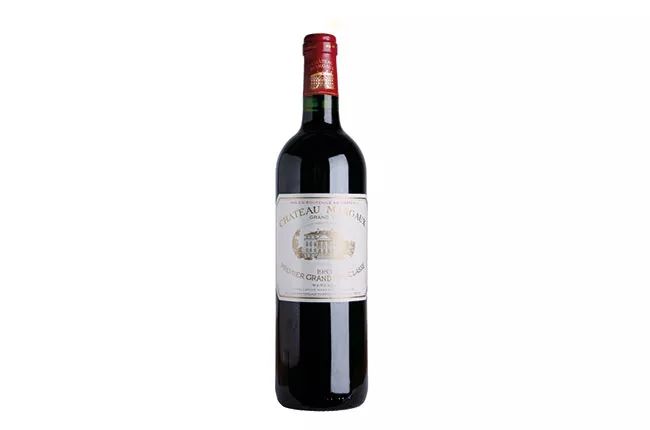
A legend because…
The 1983 Margaux turned out to be a triumph from a vintage widely regarded as far from outstanding. Its quality still puzzles the producer, as the château observes: its ‘spectacular success… partly remains an enigma, which goes to show how limited our knowledge is about what makes a vintage successful’.
缘起……
1983年的玛歌是从一个被广泛认为并不出众的年份脱颖而出的。它的非凡品质仍让制作者困惑, 正如酒庄阐述的那样:这“辉煌的作品……某种程度上说是留下一个谜,表明我们对一款优异葡萄酒的生成奥秘所知是何等有限”。
Looking back
During the postwar years, Château Margaux was owned by the Ginestet family, but by the 1970s a series of mediocre vintages and financial difficulties led to a drop in quality. By 1975 Pierre Ginestet had to put the estate on the market. In 1977 he found a purchaser in the Greek-born entrepreneur André Mentzelopoulos, who invested substantially, restored the handsome château and took on Professor Emile Peynaud as a consultant. The improvement in quality was swift and lasting. André Mentzelopoulos died in 1980, leaving his widow to run the estate with young daughter Corinne.
By 1983 Corinne Mentzelopoulos was essentially in sole charge, and her appointment of the young Dr Paul Pontallier as general manager and chief winemaker proved an inspired decision, lending to the first growth an instinctive winemaking flair combined with scientific rigour. 1983 was Pontallier’s first vintage at Margaux, and this wine’s exceptional quality was probably no coincidence.
回顾
在战后的几年里,玛歌酒庄由Ginestet家族所有,但到了70年代,一系列平庸的年份和财务困境导致了质量的下降。 到了1975年,Pierre Ginestet不得不把酒庄挂牌出售。 1977年,他找到了买家,希腊出生的企业家安德烈·门泽洛普洛斯,后者投入了大量资金,恢复了酒庄的元气,并聘请Emile Peynaud教授为顾问。 质量的提高是迅速而持久的。 1980年安德烈·门泽洛普洛斯去世,留下遗孀与年轻的女儿科琳娜一起经营酒庄。
到1983年,酒庄由科琳娜·门泽洛普洛斯独自掌管,她任命年轻的Paul Pontallier博士担任总经理兼首席酿酒师,这被证明是一个明智的决定,为第一个年份提供了一个天然品质和科学严谨工艺结合的机遇。 1983年是Pontallier在玛歌的第一个年份,这款酒的优异品质却并非巧合。
The vintage
Although there was some poor weather during the spring, the flowering was successful and the grapes ripened through a warm, dry summer. July in particular was unusually hot, with intermittent storms. August was wetter and the constant humidity led to rot and other maladies, which required constant treatment.
Fortunately September was warmer and drier, and ripening continued steadily. The harvest took place in late September and October in excellent conditions. It is widely accepted that Margaux was the most successful Left Bank Bordeaux commune in 1983, and although there are many disappointments, both Châteaux Margaux and Palmer produced superb wines.
年份
虽然春天有一些不好的天气,开花还顺利,葡萄在温暖干燥的夏天成熟。 7月异常炎热并伴有间歇性的风暴。 八月变得潮湿,持续的潮湿度导致腐烂和其他疾病,需要不断的治理。
幸运的是,九月温暖干燥,葡萄稳定成熟。 采摘在9月下旬和10月份出色的气候条件下进行。 人们普遍认为,玛歌是1983年波尔多最成功的波尔多左岸产区,虽然有些不尽人意,但玛歌酒庄和帕尔默酒庄都生产出优质的葡萄酒。
The terroir
The vineyards of Château Margaux have scarcely altered since the 1855 classification. Three quarters of the vines are planted on deep gravel soils that deliver exceptional Cabernet Sauvignon, while soils with more clay and limestone are generally planted to Merlot.
Both varieties can be exceptional here, but this is certainly one of the supreme terroirs for Cabernet in Bordeaux, and the wine makes the most of it.
风土
自1855年分级以来,玛歌酒庄葡萄园的地位几乎没有变过。 四分之三的葡萄树种植在深厚砂砾土壤上,奉献了品质优异的赤霞珠,而更多粘土和石灰石的土壤通常种植美乐。
这两个品种在这里都很出色,这里无疑是波尔多最益于赤霞珠的风土之一,而葡萄酒最大限度地汲取了这一点。
The wine
Grapes are selected and sorted in the vineyard before fermentation in large wooden vats. The wine is aged in entirely new oak with a medium toast so as to avoid excessively oaky aromas and flavours.
The fragrance, concentration and balance of the 1983 have been widely appreciated, but unfortunately this vintage appears to have a higher than average proportion of tainted wines – probably the consequence of faulty corks or other TCA problems.
葡萄酒
在大木桶中发酵之前,葡萄在葡萄园中挑选并分类。 葡萄酒在全新的橡木桶中适度陈化,以避免过度的橡木味和香气。
1983年的香味,浓度和平衡已经得到了广泛的认可,但不幸的是,这个年份酒似乎有高于平均比例的污染 - 可能是有问题的软木塞或其他柠檬酸循环的问题。
The reaction
Although there have been tastings when Decanter’s veteran taster Michael Broadbent preferred the 1982 Margaux to the 1983 when tasted side by side, in the majority of instances it was the other way round, with the ’83 showing a more seductive bouquet and an additional degree of finesse to its more vaunted vintage neighbour.
In 2000 he noted: ‘The unbeatable Margaux fragrance soaring out of the glass; sweet, soft and rich. It fills the mouth with flavour and seems to last forever.’ Clive Coates MW in 2004 was ecstatic: ‘amazingly lovely nose, marvellously concentrated, poised fruit… The fruit is very raspberry-like and still very fresh. Very long. Brilliant!’
反响
尽管在曾经的一对一品尝会上,相对玛歌酒庄1983年份酒,《品醇客》经验丰富的品尝师Michael Broadbent更喜欢1982年的,但在大多数情况下,情况恰恰相反,玛歌酒庄1983年份表现出比那些自夸的邻居酒庄出品更诱人的香气和更细腻的品质。
2000年他指出:“无与伦比的玛歌“香水”从酒杯中散发出来; 甜美,柔软而丰富。 满口香气,似乎永不散逸”。 2004年,葡萄酒大师Clive Coates 欣喜若狂:“不可思议的喜人的芳香,奇妙的浓缩,平衡的果味......果实有特别的树莓般的味道,而且仍然新鲜。 回味悠长。 非凡卓越!”
译自——