人体指路牌没看过瘾的,一定要去英国的这个博物馆看看。
这几天,四川成都华西医院温江院区假肢中心的人体模型指路牌爆红网络。

(Via VCG)
网友一边评论说被吓到了,一边却兴奋地转发评论。这种又惧又想看的心情,是爱看恐怖片的主页君非常能理解的

不过,看人体模型能有多刺激呢?要看就得看真货啊!
你别说,在英国牛津还真有这么一个小而精的考古学和人类学博物馆,里面藏有不少货真价实的人体遗骸标本。
BBC最近还对这座皮特·里弗斯博物馆(Pitt Rivers Museum)里人体遗骸标本的去留问题作了报道。


▲皮特·里弗斯博物馆保存有大约2000件人体遗骸标本 (via BBC)
Treasures seized during Britain's colonial past are kept in museums across the country. But as times change, how do such institutions deal with the sensitive issue of the human remains in their collections?大英帝国殖民时期所掠夺的宝藏,被存放于全国各地的博物馆里。但随着时间的推移,怎样处理他们收藏的那些人体遗骸成了这些博物馆最近一个很棘手的问题。In Oxford, the Pitt Rivers Museum - founded with the collection of a Victorian general, Augustus Pitt Rivers - holds about 2,000 such specimens. 在牛津,由英国维多利亚时代将领奥古斯塔斯·皮特·里弗斯所创建的皮特·里弗斯博物馆,收藏着大约2000件这样的标本。
▲Pitt Rivers: The museum that's returning the dead
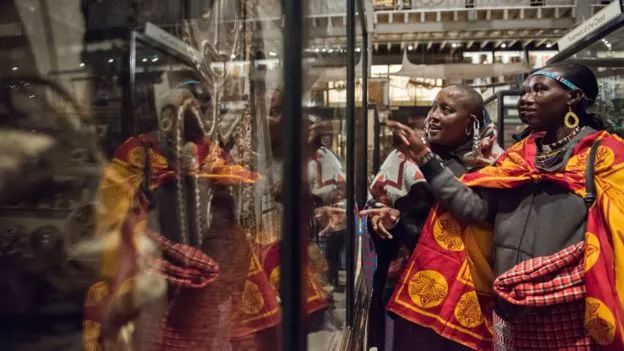
▲坦桑尼亚和肯尼亚的马赛人代表访问皮特·里弗斯博物馆 (via BBC)
说起这位奥古斯塔斯·皮特·里弗斯,他不仅是位军事将领,还是一位人种学家和考古学家,曾因其在考古学方法上的创新而闻名于世,被称为“英国考古学之父”。
These body parts were brought back to Britain from across its empire, with little concern for the people from whom they'd been plundered.而这些人体遗骸标本则是从这个庞大帝国的各个角落搜刮而来,被带回到英国,而不曾考虑到那些被掠夺的人民的心情。The Pitt Rivers is one of several British institutions that are under pressure to re-evaluate the many colonial prizes in their collections.不少英国博物馆最近在舆论压力之下,被迫重新评估他们殖民时期所获的战利品,皮特·里弗斯博物馆是其中之一。"We can't undo history but we can be a part of the process of healing," says Laura van Broekhoven, director of the museum.“我们无法重写历史,但我们可以成为治疗历史创伤的一部分,”博物馆馆长劳拉·凡·布洛克霍文说。Since the passing of the Human Tissues Act 2004, legislation that relaxed the rules regarding the moving of body parts, the Pitt Rivers has returned 22 such objects.自从通过了《2004年人体组织法案》,立法放开了对人体遗骸移动的限制后,皮特·里弗斯博物馆已经归还了22件人体遗骸标本。It's hardly a flood of returns to the former colonies, but it's a start.尽管不是向前殖民地大规模返还物品,但也是个开端。The Pitt Rivers is currently negotiating the return of aboriginal human remains to Australia, and in May 2017 Maori remains were handed over to the Museum of New Zealand Te Papa Tongarewa.皮特·里弗斯博物馆目前正在与澳大利亚协商归还原住民遗骸。而在2017年5月,毛利人的遗骸已经移交给了新西兰蒂帕帕国家博物馆。She says the Maori community showed "persistence and dedication" in getting them back.布洛克霍文说,毛利人部落坚持不懈、矢志不渝地争取要回这些人体遗骸标本。
▲Pitt Rivers: The museum that's returning the dead

▲奥古斯塔斯·皮特·里弗斯将*用军**他的收藏创建了皮特·里弗斯博物馆 (via BBC)
作为护送这些宝贵的遗骸回家的蒂帕帕国家博物馆工作人员,Te Herekiekie Herewini认为这些回归的祖先遗骸能告慰先灵,让他们在亲人的身边得以安歇。
He says: "Maori and Moriori ancestral remains were taken without the permission of their family, and so the repatriation process allows for reconciliation of past wrongs and misdeeds associated with the arrival of Europeans into the South Pacific."他说:“毛利人和莫里奥里人祖先的遗骸被带走时未经他们家人允许,因此,归还遗骸可作为一种补偿,弥补过去欧洲人入侵南太平洋时所犯下的错误和罪行。”The museum has claimed back about 500 skeletal remains from various institutions since 2003, and the handover last year from Oxford included seven Toi moko, which are mummified, tattooed heads of Maori origin.蒂帕帕国家博物馆已经自2003年起从不同机构取回了大约500件人体骨架遗骸。去年从牛津移交的物品中包括七件被制作成木乃伊的纹面头颅。
▲Pitt Rivers: The museum that's returning the dead
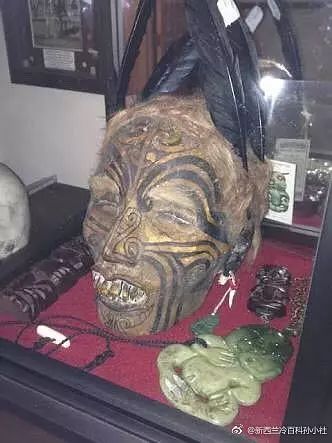
(出处见水印)
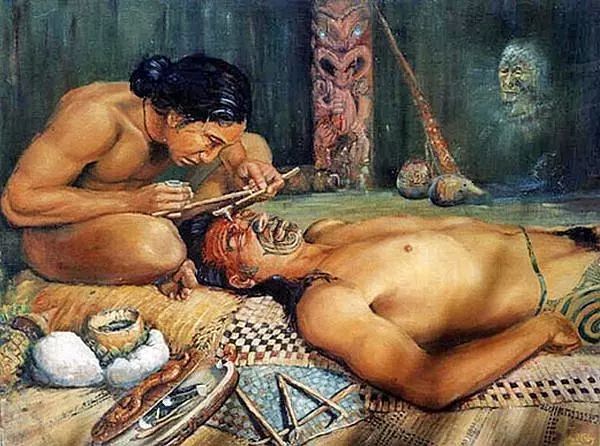
毛利人以面部纹身作为区分社会阶层的重要象征。他们以纹面为尊,面部纹饰不仅象征了黥面者的家族、地位和身份,也是成年礼的重要一部分,社会地位较低的男子无资格黥面,只能选择大腿等其他部位。毛利族在欧洲人尚未抵达新西兰前的传统社会中,会将生前纹面的亲人或敌人的头颅砍下,制成如木乃伊般可以长久保存的纹面头颅,今日的族人称这些纪念物为Toi moko。
▲新西兰冷百科孙小社、airitilibrary.com

(出处见水印)

(出处见水印)

(Via BBC)

(Via BBC)
皮特·里弗斯博物馆的馆藏中,最受欢迎的展品是“干缩人头”(shrunken heads或tsantsas)。
The 10 tsantsas were brought back from the Upper Amazon by British explorers in the late 19th Century, and now reside in a case called "Treatment of Dead Enemies".这10颗干缩人头是英国探险家于19世纪晚期从亚马逊上游地区带回到英国,现在陈列在名为“死敌的待遇”展柜。To make a tsantsa the skin was removed, boiled and dried, the eyes and mouth closed with cotton string, the face blackened with dye, and the head strung on a cord.干缩人头的制作方法是,首先去除头颅的皮肤软组织,然后将头颅或蒸或煮,进行干燥,再用棉线将眼睛和嘴巴缝起来,最后将面部染色,用绳子串起来就完工了。These trophies were created by the tribesmen who took their enemies' heads to prove their courage and avenge a death.而这些干缩人头是部落里的人取得敌人的首级后制作成的纪念品,以证明他们的勇气,和为死去的部落族人复仇。
▲Pitt Rivers: The museum that's returning the dead

▲在一段时期,由于西方的大量需求,一些自然死亡的部落族人也被制成干缩人头 (via BBC)
(Via网络)

(出处见水印)
不过对于这些死去的人的后人来说,这些干缩人头是神圣的物件,博物馆不敢贸然将这些展品的照片公之于众,想要看这些展品的人只能亲自前往博物馆瞻仰啦!
不过,布洛克霍文对BBC说,这并不代表这些展品不能展出。相反,她已经与亚马逊部落的后代们在之前的项目中有过交流,他们并不反对展出这些人头,而是非常高兴这些干缩人头能被展出。
"They see that as a representation of their cultures and ambassadors for their cultures here.他们将其看作是他们文化的代表,作为文化大使出使到英国。"So in that sense I don't necessarily see the vaults opening and emptying as the only possible outcome of this process."“因此,我并不认为这个项目唯一可能的结果仅仅是宝藏的有去无回。”
▲Pitt Rivers: The museum that's returning the dead
你是不是也对这个神秘又惊悚的博物馆有一探究竟的欲望呢?那就赶快去牛津见识下吧!并欢迎留言分享吐槽!
文案:Du Qiongfang
素材:BBC
图:VCG;BBC;网络