前言:
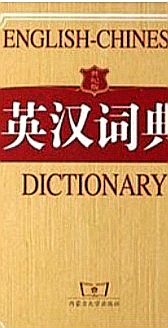
有幸目睹过表兄作为字典作者的工作现场;时隔二十载,书桌上摊开的手稿印稿层层,这位著名外交官的讲述、手示词条与栏目增删似眼前浮现。上世纪八十年代央视有了第一套英国女士Catherine Flower主持的Follow Me,他就不断合作上镜主播。那时英语热刚兴起,赶不上连续剧的万人空巷,追看《跟我学》也是蛮酷的谈资,这位“星”却淡然处之。 他在纽约联合国工作多年,“官”达中方发言人之高位,忙碌中偷空完成了我们另一军事家长兄著作翻译,双双获柏林军事书展大奖。九十年代初出国时他送我这本获奖译著《孙子兵法概论》精装本,到洛杉矶看望我,罗恩机构参观,送官员们个简本。美方惊叹他对如此高获奖高成就仍如此低调。时间回到2001,我回国在他家小住。彻底退休耄耋之年却桌上文案如山,柜中满满字典和参考书,原来应出版局邀,在参与编撰大型英中词典。他一边翻动着“字典”草稿页给我指字条栏与更多的参考字典,一边兴奋地表示,作者不止他一人,这个工作将耗费他精力数年,却是最能体现他英语水平和生命价值之作。看到他置身于英中字词与转换的文化世界以至痴迷,听出他介绍词条时语调骄傲肯定。在我们共同的人生挚友字典编纂现场一角震撼!悟出参编此“典”才是他最重头的生命游戏。
今日的英语热度不似当年胜似当年。不仅学生进阶出国留学,就是职场打拼竞争也有对英语的更高级别与实战要求。战场英语需要干货、语言源泉和随叫随到的学习伙伴,那就是你:字典。字典提供“词类”极为有助词汇应用,长期教学中发现学生对母语中的词类尚且模糊不清,更不用说熟练掌握含有中文中没有的“介词”的十大英文词类了。二十年前,一个同学的女儿英语突然考得不好,哭着说扣了分,又一时找不到参考书目纠正。看到问题正出在词类,随即给她递了个蒙塔丽莎神秘微笑,一起翻开她的统编英语教材初一上册课本最后一页,妥妥的十大词类表加例句飞现眼帘。稍加辅导,破涕为笑!谢谢贴心尽心的“知心人”人教社编辑……其实多种字典都附带有词类表的。玩转小小词类,英语社交演讲和写作都更上一层楼啊!本文还有关于字典如何提供各类定义,惯用法以及国内字典较少涉及到的词源derivation,有的翻译为词根。西语为母语的学生,用英英词典,清理误字生词、学习词根是不可或缺的一项;深入学习英语作为第二语言者和国际学生建议收藏。(参见本主页前面巨变学习系列清字步骤。)
Parts of Speech词类


Following the pronunciation, the dictionary gives an abbreviation which designates the word's part of speech. The parts of speech are the different things words do, such as name a person, place or thing (noun), show action or state of feeling (verb), modify or describe an
(adjective), or (adverb), etc. This helps you to understand how that word is used in speech and writing.
在标注发音之后,字典用缩写字母指出该单词的词类。词类就是词汇所担负的不同职能。例如:给人给地方或事物命名(名词),表示动作或状态(动词),修饰或描述其他字(形容词或副词)等等。词类有助于了解如何在谈话及书写中使用这些字词。
When the plural form of a word is made differently than by adding--s or --es to the singular, the dictionary also includes the plural form of the word, directly after the part of speech.
For example, the entry for mouse in most dictionaries would look similar to this:
mouse(mows) n. (pl. mice)
当一个英文单词的复数形式不是规则地加上--s或--es时,字典也会在词类之后,列出此单词的复数形式。
例如: 大部分的字典里,mouse(老鼠)这个词条,看起来都像这样:
mouse(mows) n. (译者注:此处为韦氏音标)
pl. (复数)mice
Drill 实操
1. Look up a word in a dictionary and write down what it's part of speech is. Note whether or not it's plural form is included in the entry. 在字典中查找一个单词,写下其词类,指出它的复数形式有没有包含在词条内。
2.Look up five more words in the dictionary, nothing their parts of speech. Write down how you can use this information in clearing a word. 在字典中另找五个单词,记录各自的词类。写出这些资讯如何帮助你清理这些字词。
Definition 定义
Next comes the definition of the
word. If it has more than one definition, most dictionary number them.
Often dictionary showing the use of the word. But in clearing
a word, it iis not enough for the person simply to read these examples. He has to make up several of his own before he really knows the word.
Dictionary also often give special meaning in such subjects as law, sports, science, music and so on. They often give slang(words or phrases that are not considered to be "standard" in the language) definitions for words.
接下来字典就给出字的定义。如果一个单词有一个以上的定义,大部分字典会给这些定义标上号码。
字典在说明字的用法时,通常会举出例句。但在清查字词时,仅读一读这些例句是远远不够的。还必须要自己造一些句子,直到确实认识了这个单词。
Idioms惯用语
An idiom is a phrase or expression that has a meaning different from the words suggest in their usual meaning. For example, to catch one's eye is an idiom which means to get one's attention.
Most dictionaries include the
idioms of a word after the definition.
惯用语是一个短语或表达方式,它与单词本身一般的定义不同。例如,catch one's eye就是个惯用语,意思是引起某人注意(吸引某人视线)。
Drill 实操
1. Look up the word "move" in a dictionary. Write down how many definitions it has. Write down what types of specialized definitions are given in the dictionary for this word. Write down how many slang definitions are included in the entry for this word. 从字典中查查move 一词,写下这个单词有多少个定义。字典中它有多少专门的定义。字条中又包含有多少俚语定义。
2.Look five more words in the dictionary, noting how many definitions of different types are given for each of the words. 在字典中另外查五个单词,写下来它们又各有多少不同定义。
Derivation 词源
A word's derivation (a statement of the origin of a word) is put in brackets. The derivation can be very important to one's full understanding of the word. Words get altered through the ages. By seeing the derivation one can find out what the word origanaly meant. The word's derivation is usually found at the beginning of or the end of the definitions in the dictionary.
词源(陈述单词起源)都放在括号内。要充分理解字词,词源可能非常之重要。因为字词随年代更替会有更改,通过查词源可以找出该单词最初的定义。在字典中,词源通常可以在定义的起始部分或结尾处找到。
In the derivation certain signs and abbreviations are used.
在标注词源时,会用到些特殊的符号和缩写字。
The sign < mean's derived from.
The sign+ means and.
The word or words it comes from are written in italics. Usually abbreviations are used to show the language the word comes from. For example, OE would mean Old English, which
denotes the English spoken up to approximately the twelfth century. These abbreviations are defined in the dictionary Sometimes at the end of the derivation there is a word written in capital letters. This means that further data on the origin of them word can be found under the derivation of the word in capitals.
符号<表示起源于…(语言等)
符号+代表和、与。
单字的起源于以斜体字印出。 缩写字通常用来表示该单词所起源的语种。例如,OE代表古英文。表示大约沿用至十二世纪的英文。在字典中提供有这些缩写的定义。有时在词源尾端会有大写字,这表示关于该词的起源,有更多的资料可以在该大写字的词源中找到。