视频加载中...
各位朋友,大家好!现在是“每天健康三分钟”时间,我是安阳道简医院的护士梁金锦,今天由我来给大家讲讲心脏放置支架后注意事项。
心脏支架手术是近几十年来对治疗冠心病引起的,心肌供血不足有较好效果的手术,往患者出现问题的血管处输送支架,心脏支架手术可以在极短时间里改善病人的心脏供血问题,使濒危病人维持生命正常。但是术后的注意事项和后遗症也是人们没有办法不考虑的,那么,心脏放支架后注意事项有哪些?
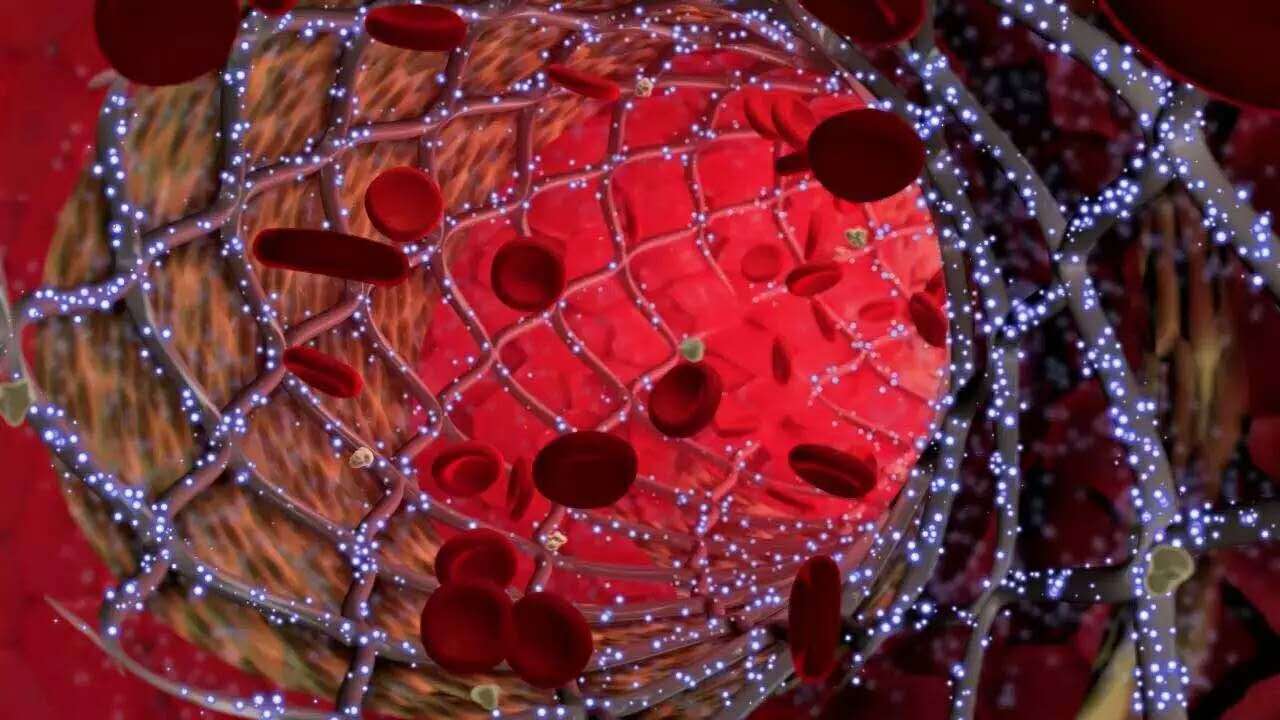
1、记得继续吃药
支架治疗冠心病,效果立竿见影。不少患者认为,冠心病的症状都消失了,病就痊愈了。其实不然。冠心病的全称叫冠状动脉粥样硬化,也就是说,得冠心病的人,心脏的所有冠状动脉都狭窄了,只是狭窄的程度不同而已,有的较轻,有的较重。支架的长度有限,解决的是狭窄最严重的冠状动脉,医生不可能把整个冠状动脉都放上支架,支架治疗只是对症治疗,放完支架后,患者还得吃药。

2、要有一张“运动处方”
做完支架手术的患者,容易走两个极端,一是感觉病好了,疯狂运动;二是时刻想着心脏里有个“铁丝环”,万事谨慎,基本不运动。支架手术后,患者应有一张“运动处方”,总的原则是活动应循序渐进,从轻工作量逐渐到正常工作状态,最大工作量不要超过术前的70%~80%,可坚持游泳、步行、慢跑、骑车、打太极拳等。

放完支架后,刚开始锻炼,可以在室内和房子周围走动,走动时要扶着东西。出院后,可以散步,这是一个很好且有效的锻炼方法,这个方法可以改善血液循环,增加肌肉和骨骼的力量。开始行走的速度、步伐,以感觉不心慌为标准,以后可逐渐加快步伐。在运动和锻炼的过程中出现胸疼,应立即停止,出现气短、哮喘和疲劳感,也应立刻停止。少数情况下,有人感到心脏突然失控或跳速过快,或者感到轻度头晕、乏力、脉搏不规则,应及时拨打120或向陪同人员求救。
最后祝大家生活愉快,身体健康!想了解更多心血管科普小知识,请关注我们,咱们下期见。
【英文版】
Precautions after cardiac stent implantation
Dear friends, nice to meet you!Now it is time for “health talk for three minutes every day”,My name is Liang Jinjin, a nurse of Anyang Daojian Hospital.Today, I'd like to talk about the precautions after cardiac stent implantation.
Cardiac stent implantation is a kind of operation which has a good therapeutic effect on myocardial insufficiency caused by coronary heart disease in recent decades. By implanting the stent into the narrow blood vessel,cardiac stent implantation can improve the heart blood supply of patients in a very short time and make critical patients maintain normal life. But the postoperative precautions and sequelae are also problems that people have to consider. So, what are the precautions after heart stent implantation?
1. Remember to keep taking the medicine
Stent implantation in the treatment of coronary heart disease, the effect is immediate.Many patients believe that if the symptoms of coronary heart disease disappear, then the disease is cured. This is not the case. The full name of coronary heart disease is coronary atherosclerosis,that is to say, people with coronary heart disease, all the coronary arteries of the heart are narrow,but the degree of stenosis is different, some stenosis degree is lighter, some stenosis degree is heavier, and the length of stent is limited, to solve the problem of the most serious coronary artery stenosis, the doctor can not put the whole coronary artery Stent,stent treatment is symptomatic treatment, after the stent, the patient has to take medicine.
2. Have an exercise prescription
Patients who have finished stent surgery tend to go to two extremes: one is to feel that the disease has been cured and do exercise crazily.the other is that patients always think that there is a stent in their heart, and they are very cautious in doing anything and basically do not exercise. After stent implantation, patients should have a "exercise prescription". The general principles are as follows. Daily activities should be carried out step by step, from light workload gradually to normal working state, the maximum workload should not exceed 70% ~ 80% of preoperative. Patients can insist on swimming, walking, jogging, cycling, Taijiquan and so on.
After putting the bracket, you can walk around the room and the house at the beginning of the exercise, and you need to support things when walking. After discharge, you can take a walk, which is a good and effective exercise method.This method can improve blood circulation and increase muscle and bone strength.
At the beginning, walking speed and range are the best without feeling panic, and then gradually speed up the pace. In the process of exercise and exercise, once chest pain occurs, it should be stopped immediately. Shortness of breath, asthma and fatigue should also be stopped immediately. In a few cases, if someone feels that his heart is suddenly out of control or beating too fast, or feels light dizziness, fatigue or irregular pulse, he should call 120 or ask the accompanying personnel for help in time.
Finally, I wish you all a happy life and good health!To learn more about cardiovascular disease, please pay attention to us. See you next time.