我们平时说的“吃瓜群众”就是 melon-eating masses?老师你别逗我们。
David老师很负责地告诉你,美国知名杂志《纽约客》(New Yorker) 刚刚发的一篇文章里就是这么用的。
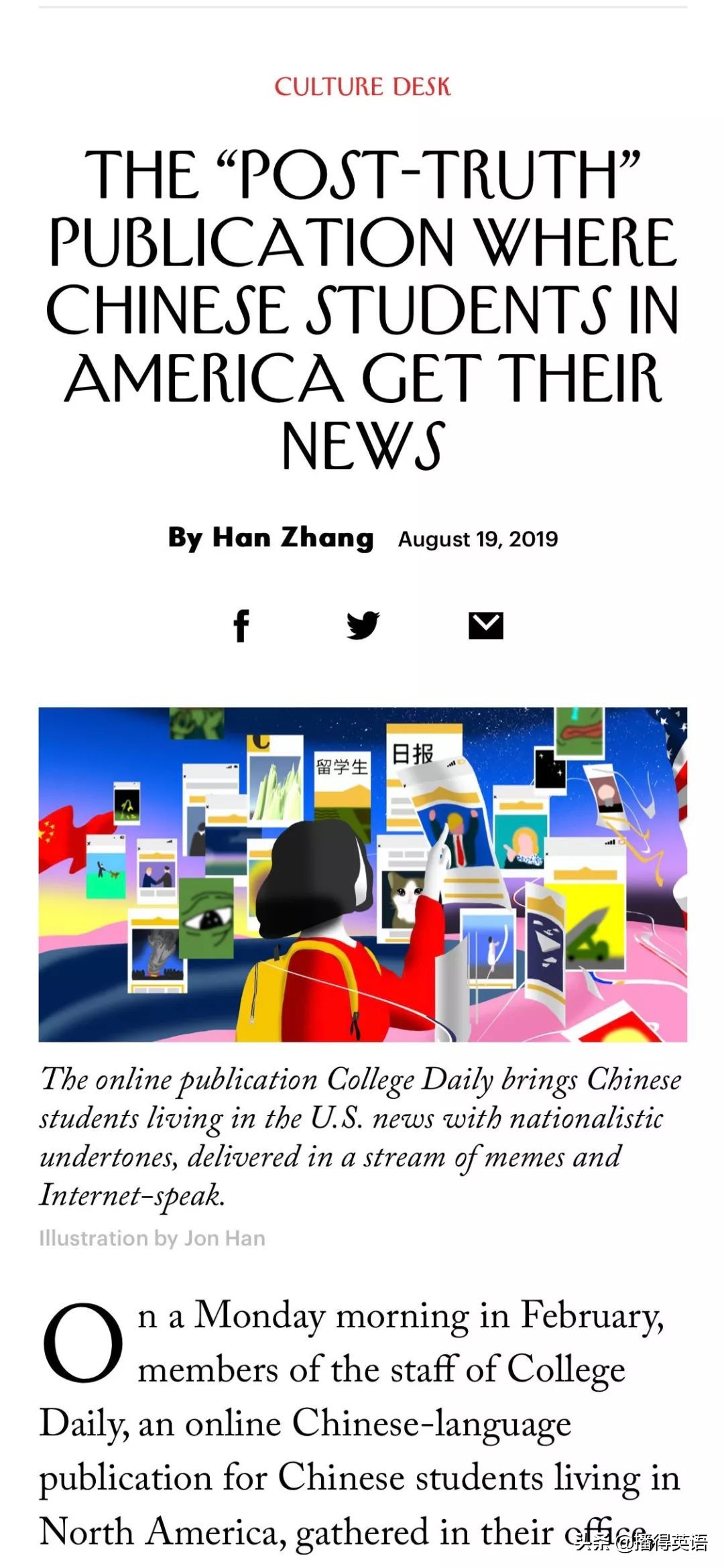
《纽约客》发了一篇关于“北美留学生日报” 的文章。这篇文章全文一共4600多个单词,扒了不少“北美留学生日报”的瓜,爱吃瓜的同学可以去读一下全文。大致的风格是这样的:

“北留”作为坐拥150万粉丝的自媒体大号,当然不甘示弱,今早犀利反击:

《纽约客》的怼文中充满了大量的“瓜”,但对于播友们来说,最大的宝藏是文章中涉及了很多常见的英文表达,David老师带大家了解下吧。
1. 流量
现在的互联网世界流量为王,那么流量用英语怎么说呢?可千万不要用 flow,《纽约客》用的是 traffic。对!就是大家熟悉的交通那个词。
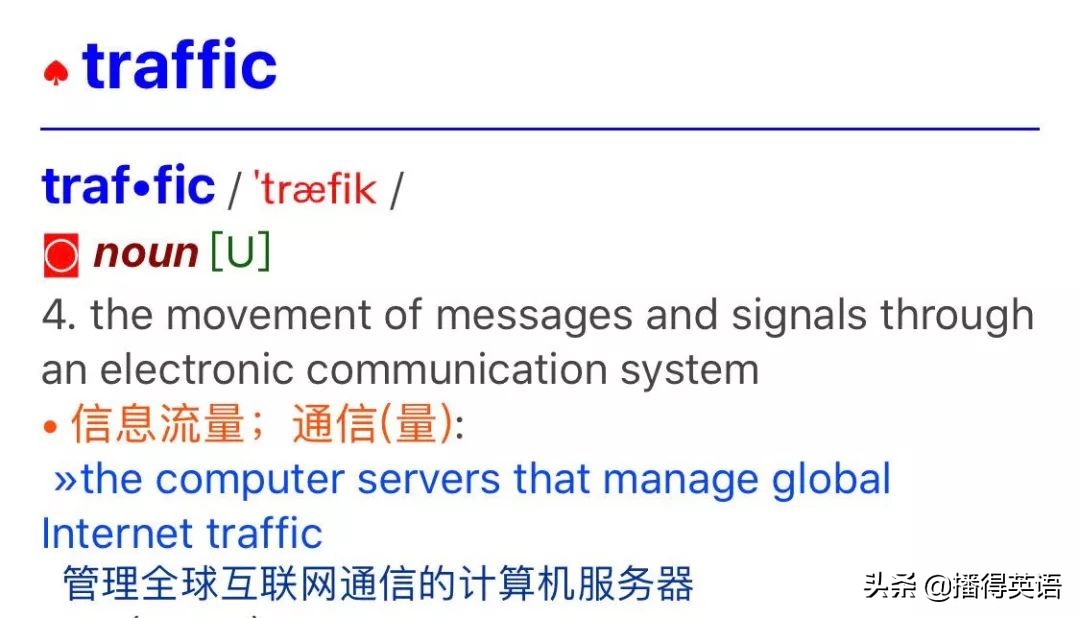
我们来看一下文章里的两个句子:
Guan Tong, the editorial director of the New York bureau,reviewed traffic numbers from the previous week。
作为自媒体的编辑肯定少不了要查看文章的流量数据。
No need to worry about low traffic during Lunar New Year anymore.
由于有了一篇“爆款”文章,所以主编不用担心春节期间的流量问题了。
2. 爆款
《纽约客》就是用汉语拼写的这个词,然后加以解释。
Baokuan, or “explosive-style” posts—articles that get hundreds of thousands of clicks and shares.
爆款就是一种爆炸式的posts,有几十万的点击和分享。post就是网上的帖子,在这里就时指微信公众号的文章。
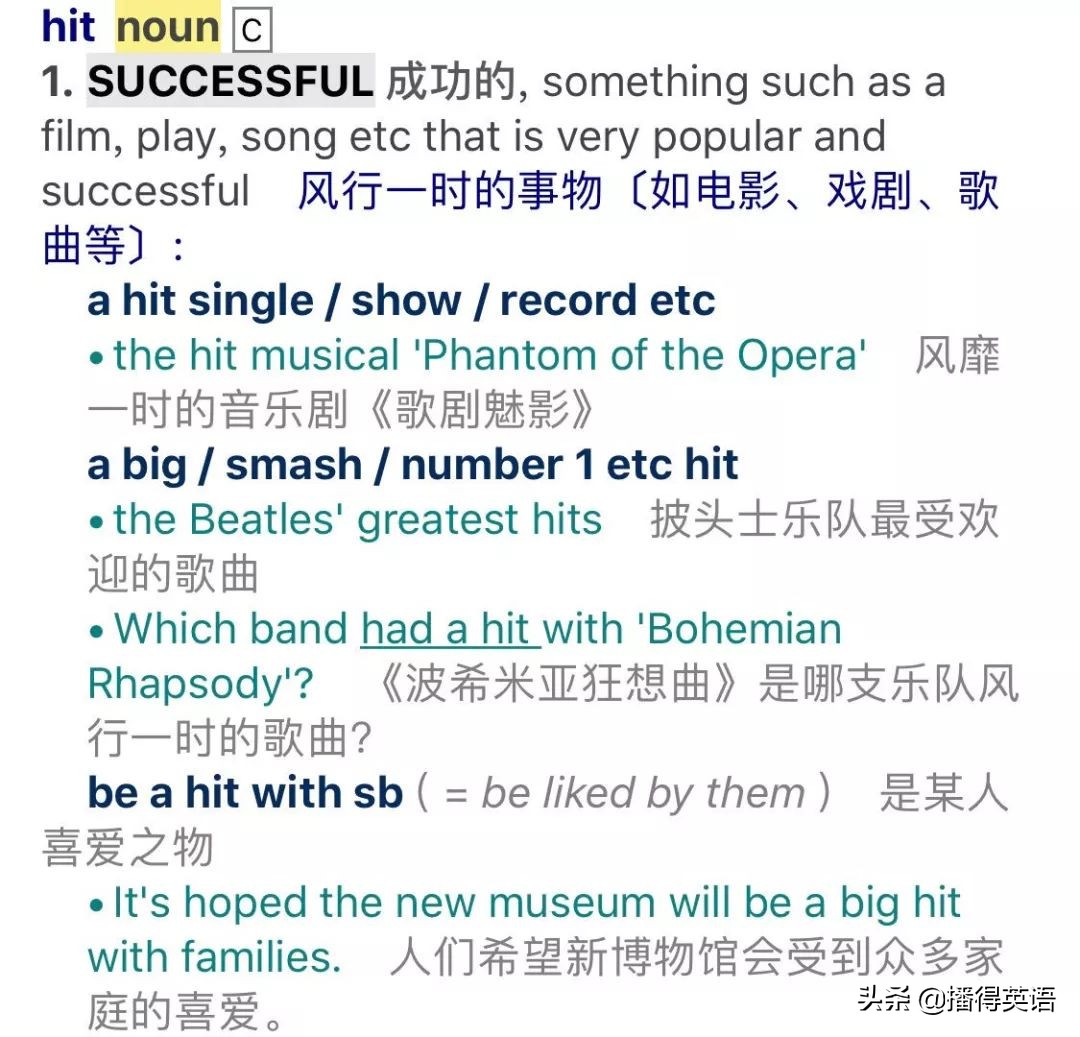
文章里还用了另外一个词表达爆款,hit。这个词不仅有打击之意,还可以指风靡一时的事物。
Why are He-he’s articles all big hits?
3. 粉丝
粉丝的英文相信大家都不陌生,fans,但是这个粉丝通常指追星族。公众号的粉丝则应该用follower。
With about 1.6 million followers on the social-media platform WeChat ...
“北美留学生日报”的公众号有160万粉丝。
当然也可以用subscriber “订阅者”来表示。
They reach their subscribers exclusively via social media, mostly WeChat.
4.自媒体
这个词的表达非常简单,就是 self-media。和自媒体对应的主流媒体比较简单,就是main stream media.
College Daily is one of an increasing number of Chinese “self-media” outlets, sometimes called “new media,”
self-media后面的outlets是“渠道”的意思,可以指销售的渠道,在这里是表达的渠道了。当然这个词也可以指大家出国游特别喜欢去的一个地方“奥特莱斯”,在英文中实际的意思是“折扣店”。
5.朋友圈
如果大家把微信的语言调成英文会发现腾讯官方给的英文是“Moments”,老师的理解是“分享当下时刻”。而这篇文章用的则是timeline,这是Facebook上的一个功能,但老师觉得跟微信的朋友圈还是有很大差别的。
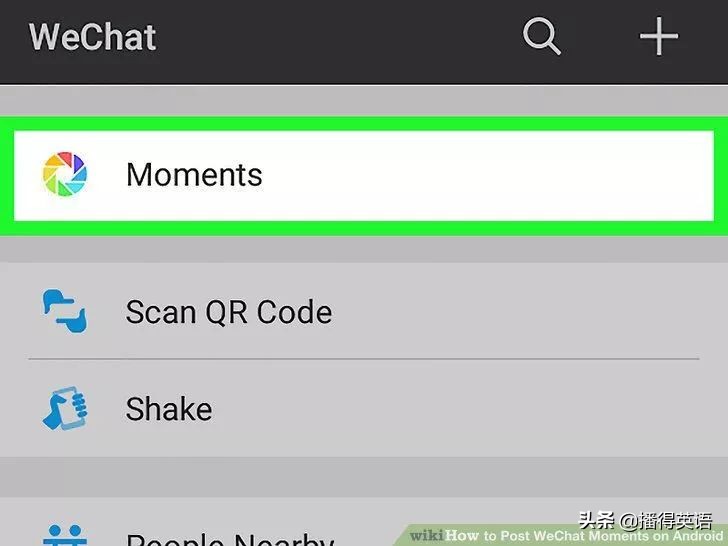
The man, shocked to see his image go viral, asked, “What have I done?,” on his WeChat timeline, adding a crying emoji.
6.表情包
表情的英文是emoji,那么表情包的英文应该是emojipack。
The man, shocked to see his image go viral, asked, “What have I done?,” on his WeChat timeline, adding a crying emoji.

7.日活跃用户
这个相信大家应该可以想到如何表达。
There was WeChat, a chat app that didn’t seem so different from its predecessors when it launched, in 2011, but soon became central to Chinese social life, with a billion daily active users.
8.公众号
可以说 WeChat public accounts,也可以简单的说WeChat accounts,那么运营一个公众号就是 run a WeChat account。
Many WeChat public accounts are becoming mills for conspiracy theories.
Fang Kecheng, a communications professor at Chinese University of Hong Kong, runs a WeChat account called News Lab, which is focussed on media literacy.
9.收智商税
《纽约客》的这篇文章还提到了这句流行语,其实表达还是很直白的,非常好记,charging someone an intelligence tax。
“No matter what you write, there are people who are going to curse at you,” Deng said. “You are nonetheless making money off them. It’s like charging them an intelligence tax.”
10.吃瓜群众
一开头我们就已经说过这个词了,非常简单的melon-eating masses。当然,这样的表达外国人是看不懂滴。。。因此一定要在后面进行解释,这也是翻译中国特色词语时常用的处理办法。
A saying popular among young people online goes, “I’m just one of the melon-eating masses.” It means that a person is only a passive onlooker, with neither the means nor the interest to know what’s truly going on.
“吃瓜群众就是旁观者,既没有途径,也没有兴趣了解事情的真相。” 《纽约客》的这个解释还是非常到位的。
11.滑动手机屏
触屏手机诞生后,我们每天做的最多的动作可能就是上下滑动手机屏了,那么这个动作用英语怎么表达呢?
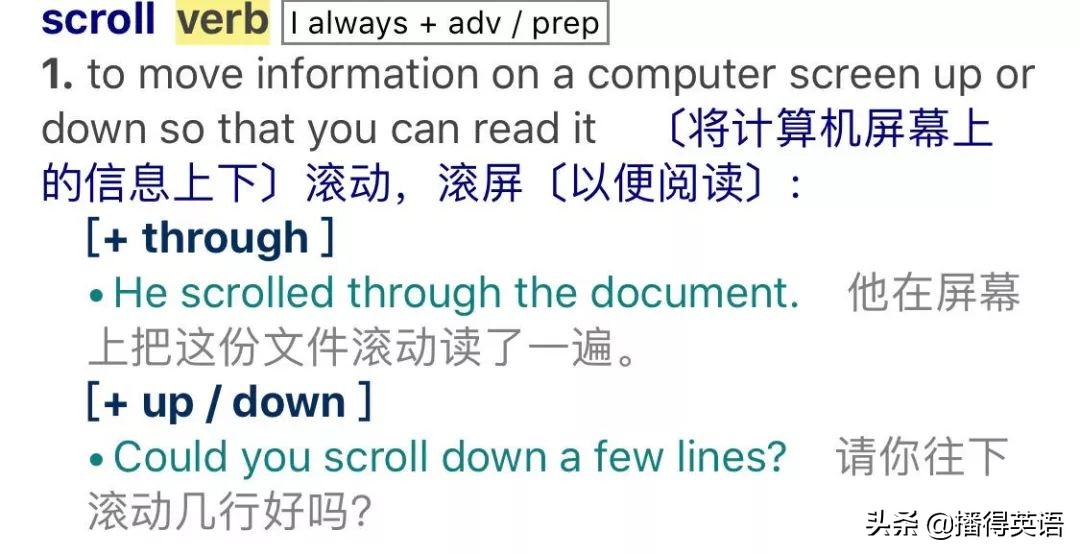
He scrolled through the chat history on his iPhone XR and explained the purpose of various
WeChat groups: secondhand selling, dinner gatherings, a writing class, house hunting for people who wanted to move out of N.Y.U. dorms next semester.

关注「播得英语」再忙也要坚持学习
欢迎来文末留言打卡
留下你从文章中学到的新知识!
I Will Persist Until I Succeed!