
本图来自美国孕产协会官网
2018年5月,美国妇产科医师学会(ACOG)发布了产后疼痛的管理的委员会意见,疼痛和疲劳是女性产后早期最常见的问题,产后疼痛影响产妇产后照顾自己和婴儿的能力。本文主要针对产后疼痛的管理提出指导建议。包含安全用药和有效护理方法。
解读
根据美国妇产科医师学会(ACOG)建议指导建议,AeonCare科学育儿只针对产妇可能在家中自行操作的部分进行解读,其中分为以下几类。
1、阴道分娩后的疼痛及护理
最常见的疼痛来源是在产后的第一天,阴道分娩导致乳房充血,子宫收缩,和会阴撕裂伤。
美国妇产科医师学会建议:这期间最好的办法是物理治疗。
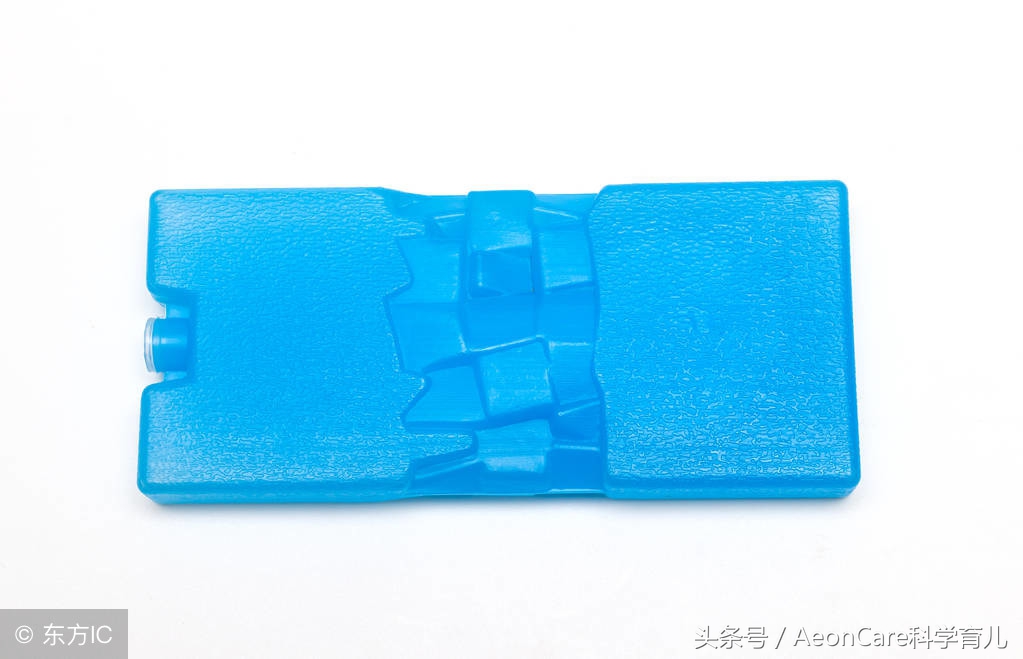
a:冷敷阴道疼痛部位常用为冰袋,冷胶包,
b:增加哺乳频率,增加哺乳频率将缓解乳房充血,分泌泌乳素,促进子宫收缩,减少疼痛周期。
2、母乳喂养的乳头损伤
因哺乳姿势不对,或乳头护理不当,乳头损伤已乳头皲裂为主。
美国妇产科医师学会建议:乳头皲裂后,哺乳完成后需要涂抹羊毛脂,再次哺乳前,需要清洗掉羊毛脂,防止婴儿误服。并建议使用乳头盾牌(breast shields)可有效减轻乳房疼痛,但是要注意在哺乳前清洗干净。

3、腹部疼痛
美国妇产科医师学会建议,腹部疼痛可用加热垫热敷的方式缓解疼痛。
4、产后痔疮
分泌后,因长期卧床,会导致大便干燥,引发痔疮。
美国妇产科医师学会建议,痔疮疼痛科通过局部消毒及局部上药的方式进行解决。
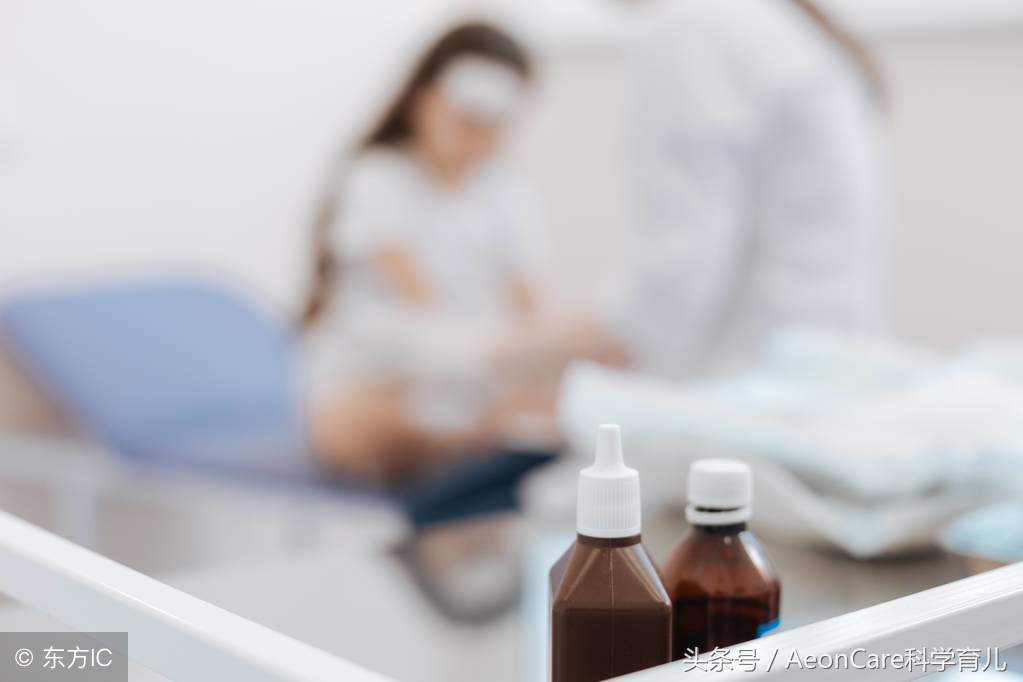
消毒液
指导建议原文如下
Stepwise, Multimodal Approach In 1986, the World Health Organization (WHO) introduced a stepwise analgesic ladder for the treatment of cancer pain. This three-tier approach was the first attempt to treat pain by matching analgesic effectiveness to pain severity (4). This approach may be adapted for postpartum pain management. Step one includes nonopioid analgesics (eg, acetaminophen or nonsteroidal antiinflammatory drugs [NSAIDs]), step two adds milder opioids (eg, codeine, hydrocodone, oxycodone, tramadol, oral morphine), and step three incorporates stronger opioids (eg, parenteral morphine, hydromorphone, fentanyl). Opioids differ with regard to pharmacokinetic effects such as half-life, and active versus nonactive metabolites. In consideration of these pharmacokinetic properties, when pain cannot be adequately managed with step one nonopioid medications, milder, shortacting opioids are the preferred next options. The WHO analgesic ladder is effective for managing cancer-related pain and has been widely adopted as a framework for noncancer pain despite a lack of robust evidence of effectiveness for treating acute noncancer pain (5). Nonetheless, the basic principle of the WHO analgesic ladder stepwise approach may be a useful framework for managing pain during the postpartum period so that opioids are used only when needed. Since the introduction of the WHO analgesic ladder, the physiologic mechanisms of pain have become better understood, and new medications and techniques for treating pain have become available. It is now known that pain is multifactorial (5). Multimodal analgesia uses drugs that have different mechanisms of action, which potentiates the analgesic effect. If opioids are included, a multimodal regimen used in a stepwise approach allows for administration of lower doses of opioids (6, 7). Similarly, multidisciplinary enhanced recovery after surgery protocols for postcesarean management may contribute to shorter length of hospitalization (8). Three components that are commonly included in enhanced recovery after surgery protocols for postcesarean management are 1) early oral intake, 2) mobilization, and 3) removal of urinary catheter (8). Vaginal Birth The most common sources of pain in the first days after vaginal birth are breast engorgement, uterine contractions, and perineal lacerations. Nonpharmacologic treatments, such as cold packs and increasing the frequency of breastfeeding, are generally sufficient for managing breast engorgement associated with the onset of lactation. Mild analgesics that have an antiinflammatory effect can be used, if needed. Management of nipple pain begins with a careful assessment of infant latch and, if the woman is expressing milk, the fit of pump flanges. Although anhydrous lanolin has historically been recommended for treatment of nipple pain or trauma, a systematic review did not find evidence that any specific topical treatment is superior to doing nothing or applying breast milk (9). Of note, a recent randomized controlled trial found that application of breast milk with the additional protection from a breast shield is more effective in healing trauma and mitigating pain than is application of lanolin, which must be wiped away before breastfeeding (10). The potential causes of persistent pain associated with breastfeeding are numerous, and a careful assessment of maternal and infant contributing factors is warranted (11). Uterine cramping, or “afterpains,” is more common in multiparous women and occurs most often during breastfeeding in the first postpartum days. Use of heating pads applied to the abdomen may relieve this discomfort. Nonsteroidal antiinflammatory medications are more effective than acetaminophen. The data on opioids for the relief of uterine cramping are inconclusive (12, 13). Perineal pain can be treated with nonpharmacologic topical agents, topical anesthetics, or oral analgesics. The few studies that compared topical anesthetics did not find strong evidence that these agents reduce pain better thanplacebo or decrease the use of additional analgesia (14). Ice packs or cold gel packs may be useful for reducing edema and numbing the perineum in the first 24 hours. There is only limited evidence to support the effectiveness of local cooling treatments (ice packs, cold gel packs, cold baths, or iced baths) applied to the perineum after childbirth to relieve pain. A meta-analysis found that cold packs applied for 10–20 minutes improved perineal analgesia 24–72 hours after birth (relative risk, 0.61; 95% CI, 0.41–0.91) compared with placebo (15). Hemorrhoids can become edematous and traumatized due to pushing during the second stage of labor. Topical application of astringent, steroid, or anesthetic creams may improve hemorrhoidal symptoms by inducing vasoconstriction, decreasing edema, or ameliorating itching, respectively. Despite widespread use of these agents, no randomized trials have demonstrated their effectiveness (16). Prolonged use of steroid cream should be avoided because of the atrophic effects these agents have on skin. Most studies of oral analgesics for postpartum pain have evaluated medications with different modes of action to determine comparative effectiveness using a single-dose study methodology. A single dose of acetaminophen (500–1,000 mg) or an NSAID relieves pain better than placebo (17, 18). Although the evidence is not strong, NSAIDs appear to be more effective than acetaminophen at 4 hours after birth (relative risk, 1.54; 95% CI, 1.07–2.22), but there is no significant difference at 6 hours after birth (18). Because NSAIDs have an analgesic and antiinflammatory ceiling effect, increasing the dose does not improve analgesia and increases the risk of adverse effects (19–21). Nonsteroidal antiinflammatory drugs are associated with gastrointestinal complications such as dyspepsia, ulcer, and gastrointestinal bleeding, and may be associated with increased blood pressure, although recent data have questioned the association between NSAIDs and hypertension (22, 23). When a standard dose of an NSAID is insufficient, a multimodal approach to analgesia that employs an NSAID, acetaminophen and, if needed, a milder opioid can be an appropriate next step. A lower opioid dose helps facilitate early ambulation, improves the woman’s ability to care for the newborn, and minimizes drug transfer to breast milk. Many of the milder shortacting opioids are available in combination formulations that include acetaminophen. Most medications that combine an opioid and acetaminophen have a maximum dose of 325 mg of acetaminophen per tablet, which ensures that the standard daily dosage (two tablets administered every 4–6 hours) will not exceed the 3–4 grams maximum daily dose of acetaminophen. Achieving multimodal analgesia using an NSAID and acetaminophen given simultaneously on a set schedule, with a milder opioid added only if needed, is preferred over acetaminophen–opioid combinations. Scheduled delivery versus as needed (PRN) results in decreased opioid use and consistent analgesia (24, 25).
您希望获得更多专业深度的美国权威育儿知识及相关解读,请关注AeonCare科学育儿,也可在评论区留言,告诉我们你关注的内容!AeonCare等你来!
本文原创,如需转载,请联系AeonCare。